Find the Best Indoor Air Quality Service Providers for Your Business
No obligation • Fast responses • Nationwide coverage

Why you can trust HVAC Firms
HVAC Firms is a leading United States resource for evaluating HVAC service providers. Our team researches companies, checks credentials, and reviews customer feedback to present clear, unbiased information. Listings and rankings are based on merit, and companies cannot pay to change our editorial content.
Search providers near you
Top Indoor Air Quality Service Providers in Pontiac, Michigan Ranked
The air you breathe inside your Pontiac home or office has a direct impact on your health, comfort, and productivity. Indoor air quality (IAQ) refers to the condition of the air within and around buildings, especially as it relates to the health and well-being of occupants. In a city like Pontiac, with its distinct seasonal shifts and industrial history, managing your indoor environment is crucial. This resource connects you with local expertise to identify common pollutants and implement effective solutions for cleaner, healthier air.

USA Pro-Vac
1700 Barrett St, Troy, MI 48084
USA Pro-Vac is an air duct cleaning and HVAC repair company based near Detroit, MI. They provide air duct cleaning, furnace repair, and indoor air quality services for both residential and commercial customers. The company is certified by multiple industry organizations including NADCA and NATE, and has been in business for over 20 years. USA Pro-Vac serves a broad area around Detroit, including Troy, Oakland, Macomb, Wayne, and several other Michigan counties and cities.
Quality Plus Air Duct Cleaning
5640 Schaefer Rd Unit 2, Dearborn, MI 48126
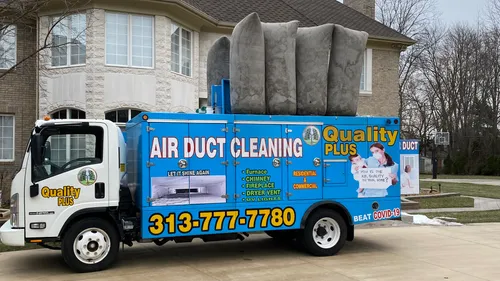
Quality Plus Air Duct Cleaning is a family-owned business serving Detroit, MI, with over 10 years of experience in air duct cleaning and indoor air quality services. They provide commercial and residential deep cleaning services, including chimney and dryer vent cleaning, using eco-friendly and organic products. Their process involves thorough inspection and cleaning with advanced equipment to improve HVAC performance and air quality. The company operates seven days a week and offers emergency air duct cleaning when needed.
HomeClear
1500 N Stephenson Hwy, Royal Oak, MI 48067
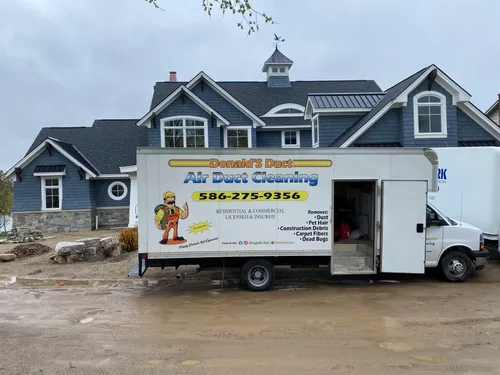
HomeClear is a duct cleaning company based in Detroit, MI, specializing in improving indoor air quality through professional air duct and dryer vent cleaning. Serving the Detroit area, HomeClear focuses on removing allergens and enhancing home safety and efficiency. The company has been committed to these services since its founding and offers clear pricing and transparent service.
313 Air Duct
Detroit, MI
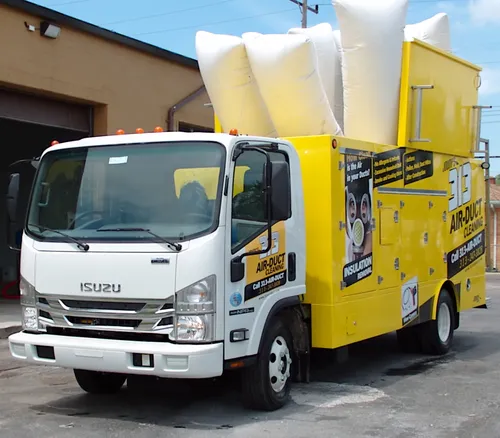
313 Air Duct provides professional air duct cleaning services in Detroit, MI, focusing on improving indoor air quality for homes and businesses. The company removes dust, allergens, and pollutants from air ducts to create a cleaner environment. Known for transparency and fair pricing, 313 Air Duct emphasizes customer education and quality workmanship. Their reputation includes recognition by the Better Business Bureau and Angi as a Super Service Provider. They also offer guidance on financing options to support energy efficiency improvements.
Temperature Repair
Detroit, MI
Temperature Repair is an HVAC contractor based in Detroit, MI, serving Troy and nearby communities. They provide a range of heating and cooling services including AC repair, furnace repair and installation, heat pump repair, thermostat installation, HVAC tune-ups, and indoor air quality improvements. The company supports central air, ductless systems, and high-efficiency units to help maintain home comfort and safety throughout the year.
Why Indoor Air Quality Matters in Pontiac
Michigan's climate presents unique challenges for maintaining healthy indoor air. Long, cold winters mean homes and offices are sealed up for months, trapping pollutants inside. This, combined with factors like aging building infrastructure and the region's industrial legacy, can create a concentrated mix of airborne contaminants. Poor IAQ is linked to short-term issues like headaches, fatigue, and irritation of the eyes, nose, and throat, as well as long-term respiratory diseases and other serious health effects. For families, workers, and business owners in Pontiac, proactively managing indoor air is an investment in daily wellness and long-term health.
Common Indoor Air Pollutants in Pontiac Homes
Understanding the specific threats is the first step toward cleaner air. Pontiac residents should be particularly aware of several key pollutants.
Mold and Moisture: Damp basements and high humidity levels are a persistent issue in the region, creating an ideal environment for mold growth. Spores released by mold colonies are a major trigger for allergies and asthma.
Radon Gas: This naturally occurring, colorless, and odorless radioactive gas can seep into buildings through cracks in the foundation. Radon is the second leading cause of lung cancer and is a significant concern that requires specific testing.
VOCs (Volatile Organic Compounds): These gases are emitted from a wide array of everyday products, including cleaning supplies, paints, adhesives, and new furniture. In tightly sealed winter homes, VOC concentrations can build up to levels that cause health concerns 1.
Particulate Matter: This includes dust, pet dander, pollen, and smoke particles from fireplaces or candles. Fine particles can penetrate deep into the lungs and aggravate heart and lung conditions.
Combustion Byproducts: Carbon monoxide (CO) and nitrogen dioxide (NO₂) can be released from improperly vented furnaces, gas stoves, water heaters, or from vehicles in attached garages. These gases are dangerous and require immediate attention 2 3.
Vapor Intrusion: In areas with a history of industrial activity, chemical contaminants from groundwater or soil can migrate into buildings through foundation cracks, a process known as vapor intrusion 4.
Professional Air Quality Assessment: The Diagnostic Step
While DIY test kits are available, a professional assessment provides a comprehensive and accurate picture of your indoor environment. Local firms use a multi-faceted approach.
On-Site Inspection & Air Sampling: Certified professionals conduct a thorough visual inspection for moisture sources and mold. They then use specialized equipment to collect air samples for analysis of mold spores, VOCs, and particulate concentrations 5 6.
HVAC System Evaluation: Your heating and cooling system is the lungs of your building. Technicians will assess it for issues like dirty ducts, clogged filters, and inadequate ventilation that can circulate and amplify pollutants 7 8.
Advanced Diagnostic Tools: Professionals use real-time sensors to measure levels of carbon dioxide (CO₂), humidity, total VOCs, and particle counts, providing immediate data on air conditions 9.
Lab-Certified Testing: Collected samples are sent to independent laboratories. This analysis can identify specific types of mold or chemical contaminants, which is essential for determining the correct remediation strategy 10.
Radon Testing: Due to its serious risk, radon testing is often a separate or highlighted service. Professionals use calibrated devices for accurate short-term or long-term measurement 11.
Find the perfect indoor air quality service providers for your needs
Get personalized recommendations and expert advice
Effective Solutions for Healthier Indoor Air
Once pollutants are identified, a range of solutions can be implemented, from simple habit changes to advanced system upgrades.
HVAC Filtration Upgrades: One of the most effective steps is upgrading the filter in your furnace or air handler. Installing a filter with a MERV 13 or higher rating can capture fine particles as small as 0.3 microns, including many allergens and bacteria.
Germicidal UV Lights: These lights are installed inside your HVAC ductwork. As air passes by, the ultraviolet radiation destroys microorganisms like mold, bacteria, and viruses, helping to sterilize the air circulating through your home.
Whole-Home Humidity Control: Managing moisture is critical. A whole-home dehumidifier can protect basements and crawlspaces from dampness, while a humidifier can add necessary moisture during dry winter months to protect respiratory health and home furnishings.
Ventilation Improvements: Modern homes are very airtight. Energy Recovery Ventilators (ERVs) or Heat Recovery Ventilators (HRVs) are systems that continuously exhaust stale, polluted indoor air and bring in fresh outdoor air, while transferring heat and humidity to maintain energy efficiency.
Air Purifiers: For targeted cleaning, portable or duct-mounted HEPA (High-Efficiency Particulate Air) purifiers can remove over 99.97% of airborne particles. Some units also include activated carbon filters to adsorb gases and odors 12 13.
Source Control & Maintenance: Often, the best solution is to prevent pollutants from entering the air. This includes regular cleaning of carpets and upholstery, promptly fixing water leaks, using low-VOC products, and ensuring combustion appliances are properly vented and maintained.
Key Recommendations for Pontiac Residents
- Test First, Act Second: Invest in professional testing to identify your specific air quality issues. This ensures you spend money on the right solutions rather than guessing 14.
- Control Humidity Vigilantly: Use dehumidifiers in damp areas and aim to keep indoor relative humidity between 30% and 50% to inhibit mold growth and dust mites 15 16.
- Increase Ventilation Safely: When weather permits, open windows to flush out stale air. Use exhaust fans in kitchens and bathrooms, and consider an ERV for year-round fresh air exchange 17 18.
- Upgrade Your Filtration: Move beyond basic fiberglass filters. A high-efficiency pleated filter is a low-cost upgrade with significant benefits for particle removal.
- Consider UV Sterilization: For homes with persistent mold concerns or for families with respiratory sensitivities, UV lights in the HVAC system offer a powerful layer of protection 19.
Frequently asked questions
Sources
Footnotes
-
Air | Oakland County, MI - https://www.oakgov.com/community/health/public-health-services/environmental-health/air ↩
-
The Inside Story: A Guide to Indoor Air Quality | CPSC.gov - https://www.cpsc.gov/Safety-Education/Safety-Guides/Home/The-Inside-Story-A-Guide-to-Indoor-Air-Quality ↩
-
Indoor Air Quality - NM-Tracking - https://nmtracking.doh.nm.gov/environment/air/IndoorQuality.html ↩
-
Air Quality Testing | Michigan Consulting & Environmental, Inc. - https://www.michenv.com/environmental-testing/air-quality-testing ↩
-
Indoor Air Quality Testing for Michigan Homes - https://lakeshoreairtesting.com/indoor-air-quality-testing-for-michigan-homes/ ↩
-
Indoor Air Quality (IAQ) Testing - Michigan - Active Energy Engineering - https://www.aee-inc.com/indoor-air-quality-testing.php ↩
-
Indoor Air Quality Testing in Michigan | SGI Heating & Cooling - https://sgiheating.com/indoor-air-quality/testing/ ↩
-
Indoor Air Quality Services in Oakland County - HVAC Comfort - https://www.hvac-comfort.com/indoor-air-quality-service/ ↩
-
Air | Oakland County, MI - https://www.oakgov.com/community/health/public-health-services/environmental-health/air ↩
-
Indoor Air Quality Testing in Michigan - SGI Heating & Cooling - https://sgiheating.com/indoor-air-quality/testing/ ↩
-
Indoor Air Quality Assessment - https://www.michenv.com/environmental-testing/air-quality-testing/indoor-air-quality-assessment ↩
-
Indoor Air Quality Services in Fenton, MI - https://www.firstchoiceheat.com/indoor-air-quality ↩
-
Let the Air in: Low-cost ways to improve your indoor air quality - https://www.lung.org/blog/indoor-air-quality-improvements ↩
-
Air Quality Testing | Micronix LLC | Michigan Mold Experts - https://www.micronixdetroit.com/air-quality-testing ↩
-
How safe is my air quality? Understanding Detroit pollution problems - https://planetdetroit.org/2022/10/how-safe-is-my-air-quality/ ↩
-
Air Quality Testing - Duct Fogging in Oakland County, MI - https://oakelectric.com/services/heating-cooling/air-quality/ ↩
-
Indoor Air Quality Solutions in Michigan - Hoover Electric - https://www.callhoover.com/hvac/indoor-air-quality/ ↩
-
How to Improve Indoor Air Quality - Strada Services - https://stradaservices.com/about-us/blog/how-to-improve-indoor-air-quality/ ↩
-
Indoor Air Quality in Michigan | Schonsheck - https://www.schonsheck.com/blog/enhancing-indoor-air-quality-in-commercial-buildings-for-healthier-workspaces/ ↩