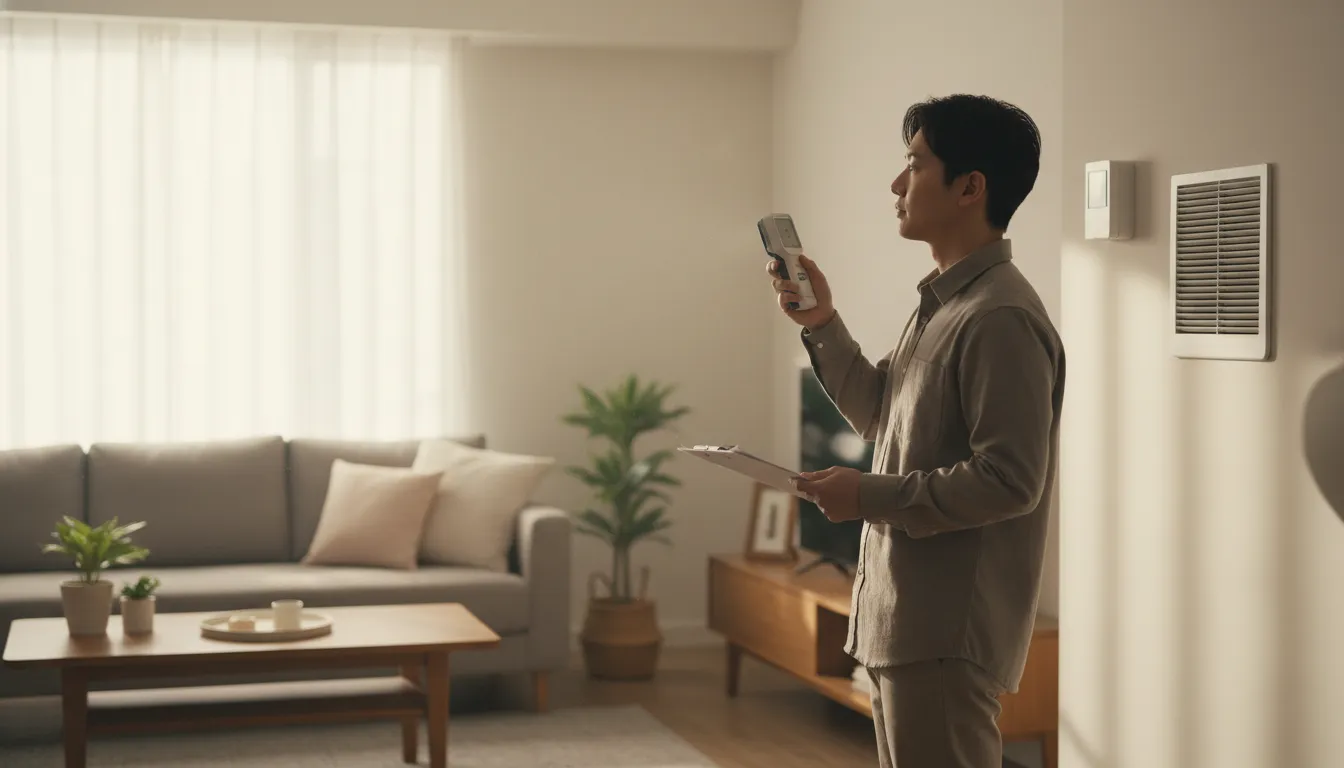
Find the Best Indoor Air Quality Service Providers for Your Business
No obligation • Fast responses • Nationwide coverage

Why you can trust HVAC Firms
HVAC Firms is a leading United States resource for evaluating HVAC service providers. Our team researches companies, checks credentials, and reviews customer feedback to present clear, unbiased information. Listings and rankings are based on merit, and companies cannot pay to change our editorial content.
Search providers near you
Top Indoor Air Quality Service Providers in Farmington Hills, Michigan Ranked
The air you breathe inside your home or office in Farmington Hills has a direct impact on your health, comfort, and productivity. Indoor air quality (IAQ) refers to the condition of the air within and around buildings, particularly as it relates to the health and well-being of occupants. In our region, factors like high humidity, cold winters that seal buildings tight, and aging infrastructure make IAQ a significant concern. This resource is designed to help you understand common local air quality issues, from mold and radon to volatile chemicals, and connect you with the professional testing and improvement solutions available in the Farmington Hills area.
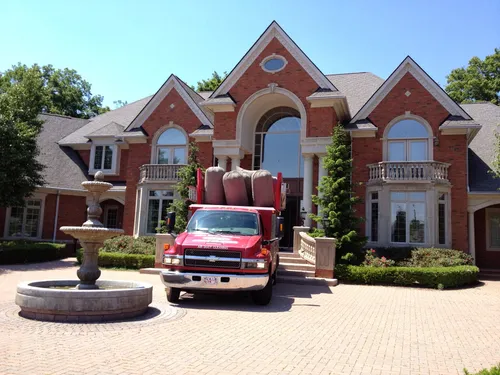
USA Pro-Vac
1700 Barrett St, Troy, MI 48084
USA Pro-Vac is an air duct cleaning and HVAC repair company based near Detroit, MI. They provide air duct cleaning, furnace repair, and indoor air quality services for both residential and commercial customers. The company is certified by multiple industry organizations including NADCA and NATE, and has been in business for over 20 years. USA Pro-Vac serves a broad area around Detroit, including Troy, Oakland, Macomb, Wayne, and several other Michigan counties and cities.
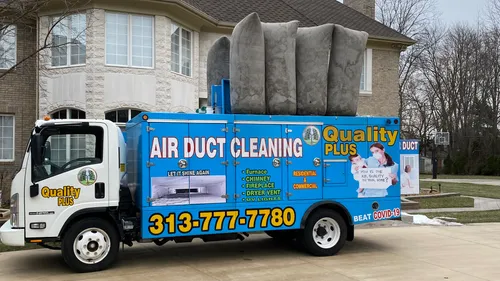
Quality Plus Air Duct Cleaning
5640 Schaefer Rd Unit 2, Dearborn, MI 48126
Quality Plus Air Duct Cleaning is a family-owned business serving Detroit, MI, with over 10 years of experience in air duct cleaning and indoor air quality services. They provide commercial and residential deep cleaning services, including chimney and dryer vent cleaning, using eco-friendly and organic products. Their process involves thorough inspection and cleaning with advanced equipment to improve HVAC performance and air quality. The company operates seven days a week and offers emergency air duct cleaning when needed.
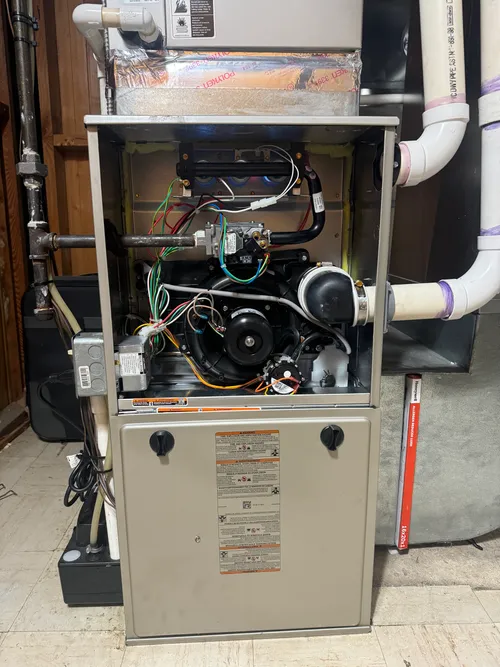
Downriver Climate Control, LLC
3336 Charles St, Trenton, MI 48183
Downriver Climate Control, LLC provides heating, ventilation, and air conditioning services in Detroit, MI. They offer installation, repair, and maintenance for air conditioners, furnaces, heat pumps, and boilers. The company also focuses on improving indoor air quality. Their experienced team serves residential and commercial customers with personalized HVAC solutions.
HomeClear
1500 N Stephenson Hwy, Royal Oak, MI 48067
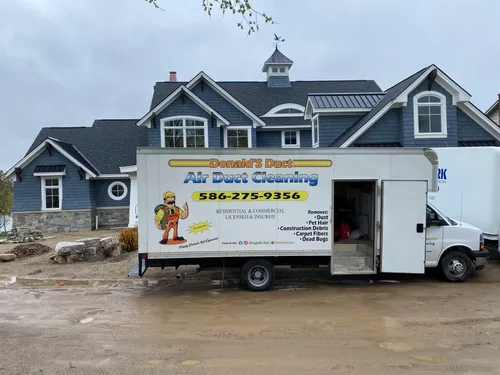
HomeClear is a duct cleaning company based in Detroit, MI, specializing in improving indoor air quality through professional air duct and dryer vent cleaning. Serving the Detroit area, HomeClear focuses on removing allergens and enhancing home safety and efficiency. The company has been committed to these services since its founding and offers clear pricing and transparent service.
313 Air Duct
Detroit, MI
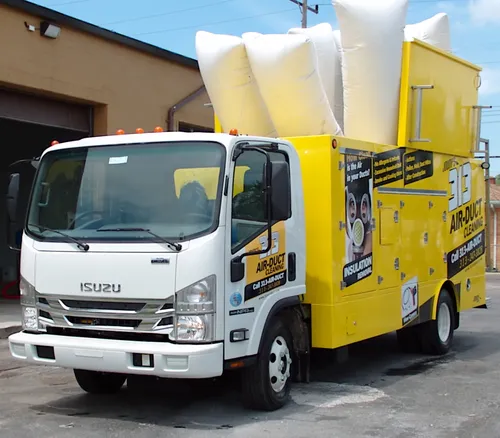
313 Air Duct provides professional air duct cleaning services in Detroit, MI, focusing on improving indoor air quality for homes and businesses. The company removes dust, allergens, and pollutants from air ducts to create a cleaner environment. Known for transparency and fair pricing, 313 Air Duct emphasizes customer education and quality workmanship. Their reputation includes recognition by the Better Business Bureau and Angi as a Super Service Provider. They also offer guidance on financing options to support energy efficiency improvements.
Why Farmington Hills Homes Face Unique Air Quality Challenges
Southeast Michigan's climate and geology create a perfect storm for indoor air pollutants. Our humid summers promote moisture accumulation, while our cold winters encourage us to keep windows shut and buildings tightly sealed to conserve energy. This "sealed envelope" traps pollutants inside with little fresh air exchange, a primary contributor to poor indoor environmental quality. Furthermore, the area's older housing stock can present issues with ventilation systems, basement dampness, and materials that may off-gas chemicals or harbor allergens.
Common symptoms of subpar air quality include persistent allergies, headaches, fatigue, dizziness, and irritation of the eyes, nose, and throat-often referred to as "sick building syndrome" 1. If your symptoms improve when you leave a building, it's a strong indicator that your indoor air may be the culprit.
Common Indoor Air Pollutants in Our Area
Understanding the specific threats is the first step toward a healthier indoor environment. Here are the most prevalent concerns for Farmington Hills residents and business owners.
Mold and Mildew
High humidity and basement moisture are chronic issues in Michigan. When relative humidity stays above 60%, it creates an ideal environment for mold and mildew growth on walls, in carpets, and within HVAC systems 2. Mold spores can trigger severe allergic reactions, asthma attacks, and other respiratory problems.
Radon Gas
This colorless, odorless radioactive gas is a serious health risk, being the second leading cause of lung cancer. It seeps from the ground into buildings through cracks in foundations. Statewide data indicates that approximately 25% of Michigan homes have elevated radon levels above the EPA's action guideline, making testing a critical step for every homeowner 3.
Volatile Organic Compounds (VOCs)
These are gases emitted from a wide array of household products, including paints, varnishes, cleaning supplies, adhesives, and even new furniture and building materials 4. Common VOCs like formaldehyde and benzene can cause short-term irritation and have been linked to long-term health effects. Tightly sealed homes can concentrate these fumes to unhealthy levels.
Particulates and Allergens
This category includes dust mites, pet dander, pollen, and tobacco smoke. These microscopic particles can be inhaled deep into the lungs, aggravating allergies and asthma. Combustion pollutants from gas stoves, fireplaces, or attached garages also fall into this category 5.
Professional Air Quality Testing and Assessment
If you suspect an issue, professional testing provides definitive answers. Local specialists in Farmington Hills use a scientific approach to diagnose problems.
What a Professional Assessment Involves: A comprehensive evaluation typically starts with a visual inspection for signs of moisture, mold, and ventilation issues. Professionals then use advanced air sampling equipment to measure levels of specific contaminants like mold spores, VOCs, carbon monoxide, carbon dioxide, and formaldehyde 6. For radon, specialized detectors are placed in the lowest lived-in level of the home for a period of 48 hours to several months.
Vapor Intrusion Testing: This is a specialized assessment for properties where soil or groundwater contamination may be a concern, checking for harmful vapors migrating into the building from underneath 7.
The Value of Monitoring: Beyond one-time tests, installing smart air quality monitors can provide ongoing data on key metrics like humidity, particulate levels (PM2.5), and VOC concentrations, helping you track the effectiveness of any improvements you make 8.
Find the perfect indoor air quality service providers for your needs
Get personalized recommendations and expert advice
Effective Strategies for Improving Your Indoor Air
Once you understand your air quality profile, you can take targeted steps to improve it. Here's a breakdown of the most effective solutions recommended by local experts.
1. Enhance Ventilation
Introducing fresh air is fundamental. When weather permits, simply opening windows can help. For a more controlled, energy-efficient solution, consider installing an Energy Recovery Ventilator (ERV) or Heat Recovery Ventilator (HRV). These systems exchange stale indoor air with fresh outdoor air while transferring heat and humidity, improving ventilation without skyrocketing your energy bills 9.
2. Control Humidity Levels
Maintaining indoor relative humidity between 30% and 50% is crucial for inhibiting mold growth and dust mites 10. In damp basements or during Michigan's muggy summers, a whole-home dehumidifier integrated with your HVAC system or a high-capacity portable unit for problem areas can be an excellent investment.
3. Upgrade Air Filtration
Your HVAC system's filter is your first line of defense against particulates. Upgrade to a MERV 13 or higher rated filter to capture finer particles like mold spores and bacteria 11. For the highest level of protection against viruses and ultra-fine particles, some homeowners opt for in-duct air purifiers or specialized high-efficiency filtration cabinets. Remember, higher MERV filters require a compatible HVAC system to avoid restricting airflow.
4. Practice Source Control
The most effective way to improve air quality is to prevent pollutants from entering the air in the first place.
- Choose low-VOC or VOC-free paints, cleaners, and building materials.
- Ensure gas-burning appliances are properly vented and maintained.
- Use mats at doors to reduce tracked-in dirt and chemicals.
- Address water leaks and condensation promptly to prevent mold.
5. Schedule Regular HVAC Maintenance
A clean, well-functioning HVAC system is the heart of good indoor air. Professional duct cleaning can remove accumulated dust, debris, and mold from your ductwork 12. Regular system maintenance ensures it is circulating and filtering air efficiently. Simple steps like keeping outdoor AC units clean and having your furnace inspected annually also contribute to better overall performance and air quality 13.
Investing in Your Air: Understanding Local Service Options
Engaging a local professional provides peace of mind and ensures solutions are tailored to our specific climate and common home styles. Services range from diagnostic testing to the installation of advanced purification systems.
Many local HVAC and environmental firms offer comprehensive indoor air quality assessments that can be performed in conjunction with routine system maintenance 14 15. For specialized concerns like suspected mold growth or high radon levels, contacting an environmental testing company is the recommended path. These professionals not only identify problems but can also oversee or recommend qualified contractors for remediation work, such as mold removal or radon mitigation system installation.
Frequently asked questions
Sources
Footnotes
-
Plymouth Indoor Air Quality Services - Horton Plumbing - https://www.hortonplumbing.com/cooling/indoor-air-quality/ ↩
-
Indoor Air Quality Testing Livonia MI - https://airmd.com/areas-served/michigan/livonia/indoor-air-quality-testing/ ↩
-
25% of Michigan homes have elevated levels of radon, a ... - https://www.michigan.gov/egle/newsroom/mi-environment/2026/01/13/radon ↩
-
Understanding Volatile Organic Compounds (VOCs) and Indoor Air Quality - https://www.envirovent.com/blog/understanding-volatile-organic-compounds-vocs-and-indoor-air-quality/ ↩
-
Air Quality Testing Farmington MI | Hartford & Ratliff Co., Inc. - https://www.hartfordandratliff.com/air-quality-testing ↩
-
Indoor Air Quality (IAQ) Testing - Michigan - Active Energy Engineering - https://www.aee-inc.com/indoor-air-quality-testing.php ↩
-
Air Quality Testing | Michigan Consulting & Environmental, Inc. - https://www.michenv.com/environmental-testing/air-quality-testing ↩
-
Air Quality Testing Farmington MI | Hartford & Ratliff Co., Inc. - https://www.hartfordandratliff.com/air-quality-testing ↩
-
How to Improve Indoor Air Quality - Strada Services - https://stradaservices.com/about-us/blog/how-to-improve-indoor-air-quality/ ↩
-
Air Quality | Oakland County, MI - https://www.oakgov.com/community/health/health-a-z/information-a-z/air-quality ↩
-
Top 10 Best Indoor Air Quality Testing in Farmington Hills, MI - Yelp - https://www.yelp.com/search?find_desc=Indoor+Air+Quality+Testing&find_loc=Farmington+Hills%2C+MI&start=40 ↩
-
Trusted Air Duct Cleaning Service in Farmington Hills, MI | AirDuct Clean - https://www.airductclean.com/service-locations/farmington-hills-air-duct-cleaning-service ↩
-
Main stages of indoor air quality services testing, remediation & maintenance? - Thermacon Service Company, Inc. - https://thermaconservice.com/indoor-air-quality-testing-remediation-maintenance/ ↩
-
Indoor Air Quality Services Farmington Hills MI - https://www.diversifiedhtg.com/indoor-air-quality ↩
-
Indoor Air Quality Assessment - https://www.michenv.com/environmental-testing/air-quality-testing/indoor-air-quality-assessment ↩