Find the Best Indoor Air Quality Service Providers for Your Business
No obligation • Fast responses • Nationwide coverage

Why you can trust HVAC Firms
HVAC Firms is a leading United States resource for evaluating HVAC service providers. Our team researches companies, checks credentials, and reviews customer feedback to present clear, unbiased information. Listings and rankings are based on merit, and companies cannot pay to change our editorial content.
Search providers near you
Top Indoor Air Quality Service Providers in Hammond, Indiana Ranked
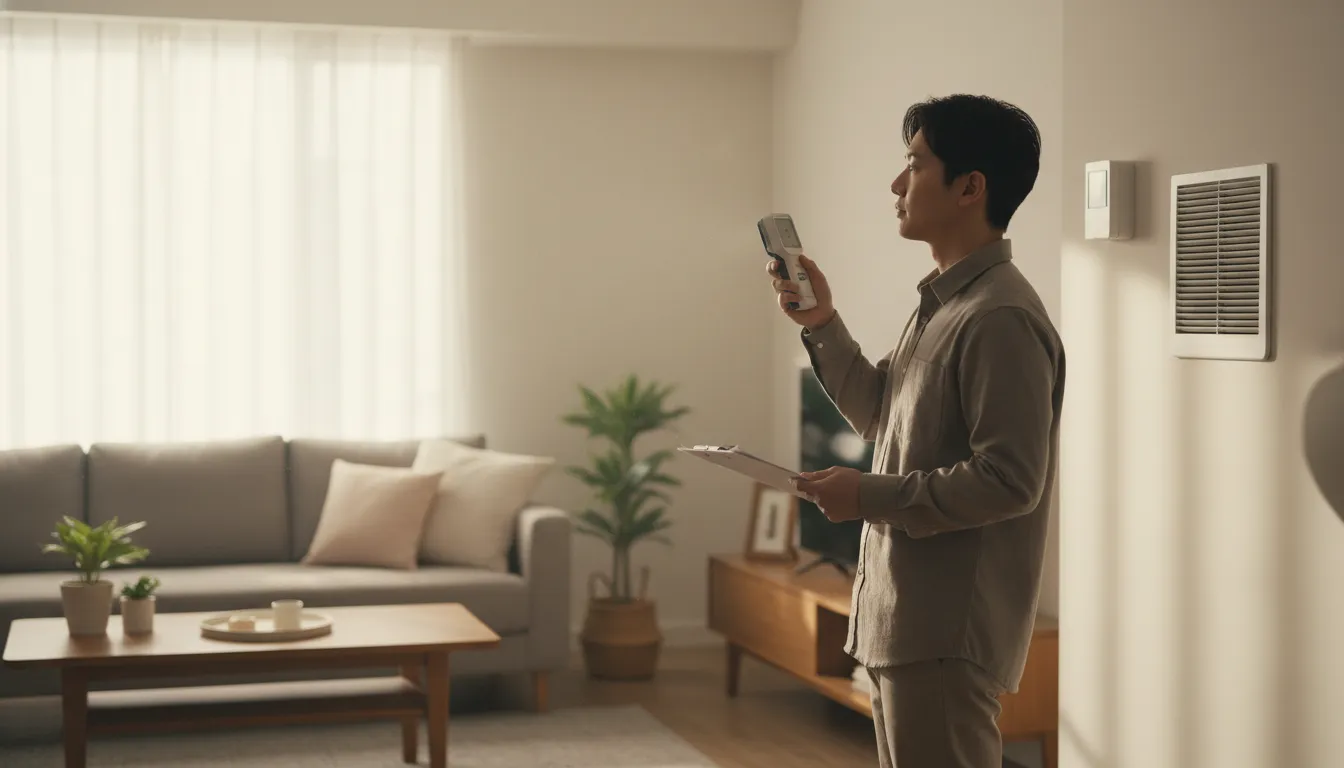
The air you breathe inside your Hammond home or business has a direct impact on your health, comfort, and productivity. Indoor air quality, or IAQ, refers to the condition of the air within and around buildings, particularly as it relates to the health and well-being of occupants. In an industrial and urban area like Hammond, understanding and managing your indoor environment is crucial due to unique local pollutants that can infiltrate from outside. This guide explains the common contaminants affecting our area, how professionals assess them, and the steps you can take to create a healthier indoor space.
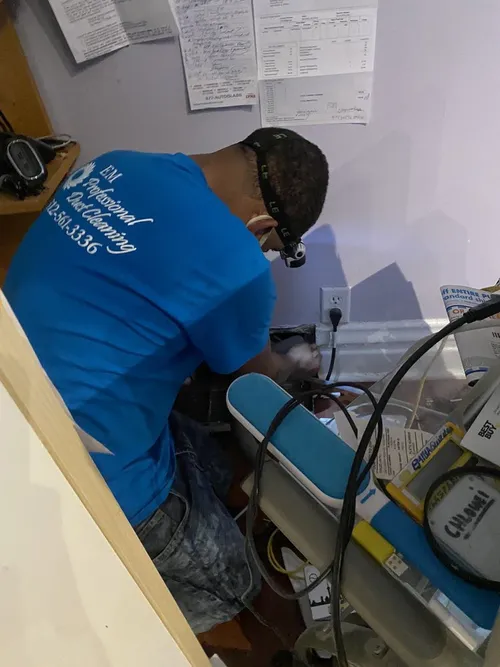
EM Duct Cleaning Chicago
6124 N Milwaukee Ave #3, Chicago, IL 60646
EM Duct Cleaning Chicago is a local company providing professional air duct cleaning and indoor air quality services in Chicago, IL. They serve homes and small to medium-sized commercial properties, focusing on removing dust, dirt, mold, and allergens from HVAC systems and ductwork to improve air quality and system efficiency. Their services include air duct cleaning, dryer vent cleaning, chimney cleaning, UV light installation, mold removal, odor elimination, and filter replacement. With over eight years in the cleaning industry, EM Duct Cleaning uses EPA-approved, environmentally friendly solutions and state-of-the-art equipment to ensure thorough cleaning and sanitization. The company is fully licensed and insured and offers free HVAC inspections with every job.
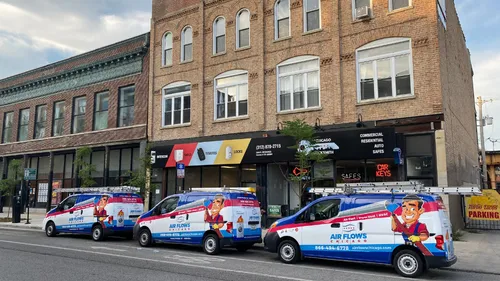
Air Flows Chicago - Belmont
3019 W Belmont Ave, Chicago, IL 60618
Air Flows Chicago - Belmont provides comprehensive HVAC, chimney, and indoor air quality services in Chicago, IL. They offer heating and cooling system installation, repair, and maintenance, including furnaces, boilers, air conditioners, ductless systems, and heat pumps. The company also specializes in chimney sweeping, inspection, and liner services, as well as dryer vent cleaning and repair. Their air duct cleaning and installation services help improve indoor air quality, supported by UV germicidal light installations, humidifiers, and air cleaners. Air Flows Chicago serves both residential and commercial clients and offers 24/7 emergency repair services to minimize downtime.
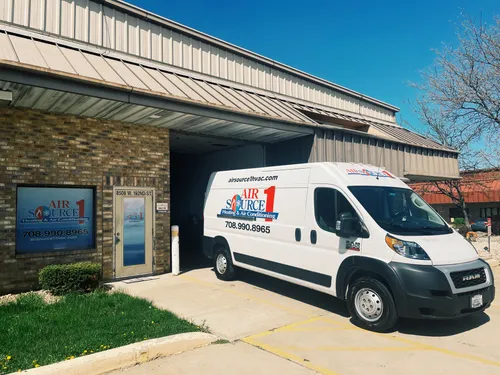
Air Source 1 Heating & Air Conditioning
8508 W 192nd St, Mokena, IL 60448
Air Source 1 Heating & Air Conditioning is a family-owned HVAC contractor based near Chicago, IL, serving Mokena and the surrounding South Chicagoland and Northwest Indiana areas. Since 2014, they have specialized in heating and cooling installation, repair, maintenance, indoor air quality services, and sheet metal fabrication. The company offers 24/7 emergency repair services and works with reputable brands like RUUD to provide quality HVAC systems tailored to customer needs. Owner Tim brings over 15 years of hands-on experience, ensuring skilled and dedicated service on every job.
Hero Air
4823 W Patterson Ave, Chicago, IL 60641
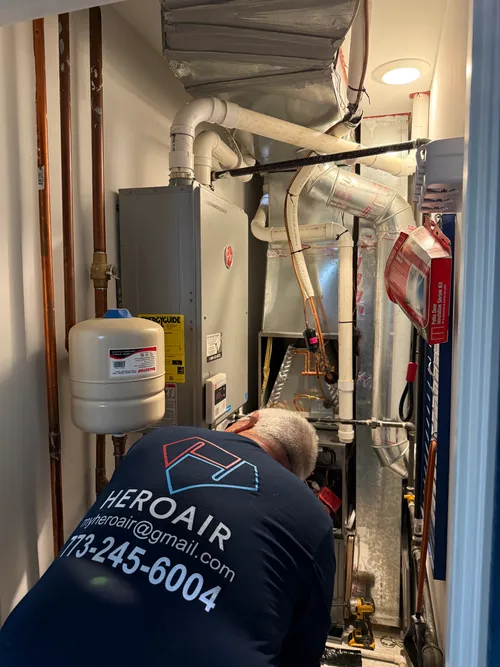
Hero Air is a family-owned HVAC company serving Chicago, IL, with over 10 years of experience. They provide a wide range of heating and air conditioning services including installation, repair, and maintenance for air conditioners, furnaces, boilers, and ductless mini splits. Hero Air also specializes in indoor air quality solutions such as UV germicidal treatments and dehumidifiers to maintain healthy and comfortable indoor environments. Their certified and insured technicians work with both residential and commercial clients to ensure efficient system performance throughout the year.
Cosmic HVAC Inc.
1655 S Blue Island Ave Suite 422, Chicago, IL 60608
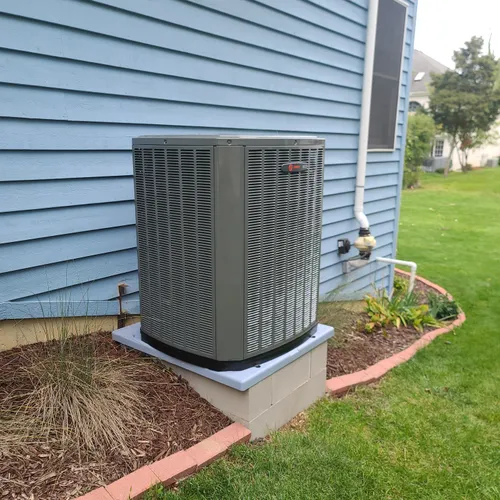
Cosmic HVAC Inc. is a family-owned HVAC company based in Chicago, IL, with over 30 years of experience in heating, air conditioning, and indoor air quality services. They provide residential and commercial repair and maintenance for all makes and models of HVAC systems. The company offers 24/7 availability for emergency furnace and AC repairs, serving the Chicagoland area. Their certified technicians focus on maintaining reliable heating and cooling systems suited for Chicago's extreme weather, as well as improving indoor air quality for healthier environments.
Understanding Hammond's Unique Air Quality Challenges
Hammond's location in Northwest Indiana presents specific environmental factors that influence the air inside local buildings. The region's industrial heritage and dense transportation networks contribute to outdoor air pollution, which inevitably finds its way indoors. Furthermore, Indiana's climate-with its humid summers and cold winters-creates conditions that exacerbate common indoor pollutants. Being aware of these local issues is the first step toward effective management.
Industrial and Transportation Pollutants
As an urban center with significant industrial activity, Hammond faces outdoor air quality challenges from facilities like lead metal reclamation plants, which can emit particulate matter and other contaminants 1 2. Major roadways also contribute pollutants such as nitrogen oxides and fine particulates. These outdoor pollutants don't stay outside; they infiltrate homes and offices through doors, windows, and building cracks, becoming a persistent part of the indoor environment 3.
Humidity, Mold, and Moisture
Indiana's climate brings high humidity, especially in summer, and the potential for basement dampness or flooding. This moisture creates an ideal breeding ground for mold and mildew. In tightly sealed, energy-efficient homes common today, mold spores can become trapped and recirculated by HVAC systems, particularly during the fall and winter when windows are closed. Addressing moisture control is a foundational aspect of improving indoor environmental quality in our area.
Radon Gas: A Silent Concern
Radon is a colorless, odorless, radioactive gas that occurs naturally in soil and rock. It can seep into buildings through cracks in foundations, sump pits, and gaps around pipes. Testing for radon is a standard and critical recommendation for all homes in Indiana, as prolonged exposure is a leading cause of lung cancer among non-smokers.
Common Indoor Air Contaminants and Their Sources
Beyond Hammond-specific issues, several universal pollutants affect indoor environments. Identifying their sources is key to remediation.
- Combustion Pollutants: Appliances like gas stoves, furnaces, water heaters, and fireplaces can release carbon monoxide (CO), nitrogen dioxide (NO2), and other gases if they are not properly vented, installed, or maintained 4. Tobacco smoke is another significant source of combustion-related indoor pollution.
- Volatile Organic Compounds (VOCs): These are gases emitted from a wide array of household products, including paints, varnishes, cleaning supplies, disinfectants, air fresheners, and even new furniture or building materials like carpets and pressed wood 5. Concentrations are often highest indoors, sometimes up to ten times higher than outdoor levels.
- Biological Contaminants: These include mold, dust mites, pet dander, pollen, and bacteria. They thrive in areas with excess moisture and poor ventilation. For individuals with allergies or asthma, these allergens can trigger significant health issues 6.
- Particulate Matter (PM): This refers to a mixture of solid particles and liquid droplets found in the air, such as dust, dirt, soot, and smoke. Some particles are large enough to see, but the most health-concerning are the fine, inhalable ones (PM2.5) that can lodge deep in the lungs 7.
How Professionals Assess Your Indoor Air
When you suspect an issue or want a baseline assessment, a professional indoor air quality inspection involves a systematic, multi-step approach using specialized tools 8.
- Initial Visual Assessment: The process begins with a thorough walkthrough. A specialist looks for visible signs of problems: water stains indicating past leaks, mold growth, excessive dust accumulation, blocked vents, and the condition of HVAC filters and ductwork.
- Parameter Measurement: Technicians use direct-reading instruments to measure key indicators in real-time. This typically includes levels of carbon dioxide (CO2-an indicator of ventilation adequacy), carbon monoxide (CO), humidity, temperature, and particulate matter (PM) 9 10.
- Targeted Sampling: For specific contaminants, professionals may collect samples for laboratory analysis. This is common for:
- Mold: Air or surface samples are sent to a lab to identify spore types and concentrations.
- Radon: Canister or continuous monitoring tests are placed in the lowest livable area of a home for a period of time.
- Asbestos or Lead: Dust or material samples may be taken, especially in older buildings undergoing renovation 11.
- Long-Term Monitoring: For ongoing concerns or to verify the effectiveness of solutions, real-time IAQ monitors can be installed. These devices continuously track data and can alert you or a service provider if pollutant levels exceed safe parameters.
Find the perfect indoor air quality service providers for your needs
Get personalized recommendations and expert advice
Solutions and Improvements for Cleaner Air
The right solution depends entirely on the problems identified during an assessment. Costs can vary widely based on the severity of the issue and the complexity of the remediation or upgrade required.
Source Control and Removal
The most effective way to improve air quality is to eliminate individual sources of pollution or reduce their emissions.
- Fix moisture problems immediately to stop mold growth.
- Store chemicals, paints, and solvents in well-ventilated areas or sheds, not living spaces.
- Ensure gas-burning appliances are properly adjusted and vented to the outdoors.
- Consider replacing old building materials that may contain asbestos or lead-based paint with modern, low-emission alternatives.
Ventilation Improvements
Increasing the amount of outdoor air coming indoors helps dilute and remove pollutants.
- Natural Ventilation: Open windows and doors when weather and outdoor air quality permit.
- Mechanical Ventilation: For modern, tight homes, this is essential. Solutions range from installing bathroom and kitchen exhaust fans that vent outside to integrating a whole-house ventilation system, like an Energy Recovery Ventilator (ERV) or Heat Recovery Ventilator (HRV), which brings in fresh air without wasting energy.
Air Cleaning and Filtration
While not a substitute for source control and ventilation, air cleaners can be a valuable part of a comprehensive strategy.
- HVAC Filter Upgrades: Using a higher Minimum Efficiency Reporting Value (MERV) rated filter in your central heating and cooling system can capture more particulates. Consult an HVAC professional to ensure your system can handle the increased airflow resistance.
- Portable Air Purifiers: These can be effective for single rooms. Look for units with HEPA filters for particles and activated carbon filters for gases and odors.
- Air Duct Cleaning: If inspection reveals substantial mold growth, vermin infestation, or excessive dust/debris in ducts, professional cleaning may be recommended to prevent the circulation of these contaminants 12.
Cost Considerations for Common Services
Professional testing and remediation services are investments in your health and property. Here are some approximate cost ranges for common services in the region:
- Mold Inspection: $250 to $500
- Radon Testing: $125 to $220
- Asbestos Sampling: $300 to $800
- Lead Paint Testing: $130 to $1,500 13
- HVAC System Upgrades: Installing integrated solutions like whole-home humidifiers, advanced filtration systems, or ventilation units involves professional assessment and installation, with costs typically ranging from several hundred to a few thousand dollars, depending on system complexity 14 15.
Frequently asked questions
Sources
Footnotes
-
Air Quality and Public Health - Lake County Government - https://lakecountyin.gov/departments/health/environmental-health-division/air-quality-and-public-health ↩
-
Public Comment Draft: EPA Strategy to Reduce Lead Exposures and ... - https://www.epa.gov/system/files/documents/2021-11/updated-public-comment-draft-lead-strategy-11-16-2021.pdf ↩
-
Northwest Indiana Indoor Air Quality Awareness | AmeriClean - https://americleaninc.com/northwest-indiana-indoor-air-quality/ ↩
-
The Inside Story: A Guide to Indoor Air Quality | CPSC.gov - https://www.cpsc.gov/Safety-Education/Safety-Guides/Home/The-Inside-Story-A-Guide-to-Indoor-Air-Quality ↩
-
Indoor Air Quality | US EPA - https://www.epa.gov/air-quality/indoor-air-quality ↩
-
Indoor Air Quality - Frequently Asked Questions - OSHA - https://www.osha.gov/indoor-air-quality/faqs ↩
-
The Challenge of Air Quality in Indiana and How to Protect ... - https://www.woodsidemd.com/post/the-challenge-of-air-quality-in-indiana-and-how-to-protect-your-health ↩
-
D7297 - 06 - Standard Practice for - Evaluating Residential Indoor Air Quality Concerns1 - https://www.bpi.org/__cms/docs/D7297-IEQ-Assessment.pdf ↩
-
Indoor Air Quality Testing - AllCheck Inspections - https://allcheck.biz/indoor-air-quality-testing/ ↩
-
MSCS officials will address recent concerns around HVAC, fleas, ... - https://www.facebook.com/MSCSK12/posts/mscs-officials-will-address-recent-concerns-around-hvac-fleas-and-levels-of-lead/1166221552207177/ ↩
-
Commercial Indoor Air Quality Testing - Indianapolis, IN - https://aegisenvironmentalinc.com/commercial/commercial-indoor-air-quality/ ↩
-
The Hidden Dangers of Poor Indoor Air Quality in Indiana ... - https://hoosierindoorair.com/the-hidden-dangers-of-poor-indoor-air-quality-in-indiana-homes-and-how-fall-maintenance-can-help/ ↩
-
How Much Does Indoor Air Quality Testing Cost? [2026 Data] | Angi - https://www.angi.com/articles/how-much-does-indoor-air-quality-testing-cost.htm ↩
-
Breathe Life Into U.S. Economy with Healthy Air Upgrades - AprilAire - Blog - https://www.aprilaire.com/blog/healthy-air-key-to-revitalizing-u-s-economy/ ↩
-
HVAC Estimator: Pricing Estimation for HVAC System - https://constructestimates.com/hvac-estimator/ ↩