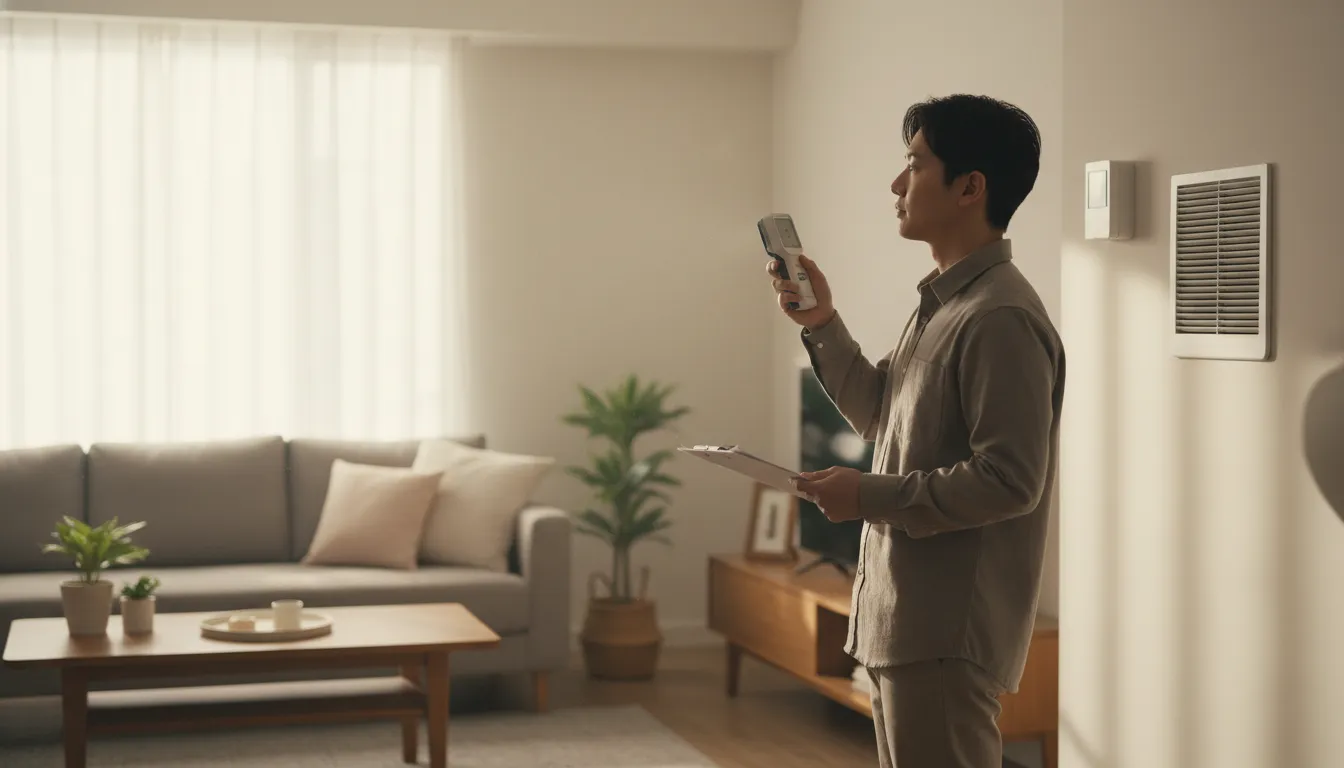
Find the Best Indoor Air Quality Service Providers for Your Business
No obligation • Fast responses • Nationwide coverage

Why you can trust HVAC Firms
HVAC Firms is a leading United States resource for evaluating HVAC service providers. Our team researches companies, checks credentials, and reviews customer feedback to present clear, unbiased information. Listings and rankings are based on merit, and companies cannot pay to change our editorial content.
Search providers near you
Top Indoor Air Quality Service Providers in Greenwood, Indiana Ranked
The air you breathe inside your Greenwood home or business has a direct impact on your health, comfort, and productivity. Indoor Air Quality (IAQ) refers to the condition of the air within and around buildings, particularly as it relates to the health and well-being of occupants. This is especially critical in Greenwood, where seasonal factors and regional pollution can trap contaminants indoors. Understanding your air quality and knowing how to address common pollutants empowers you to create a safer, healthier indoor environment. This guide outlines the local IAQ challenges, professional assessment methods, and effective solutions available to Greenwood residents.
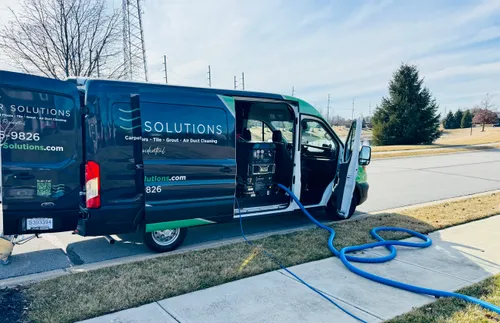
Healthy Interior Solutions
14996 Rustic Ridge Ct, Fishers, IN 46037
Healthy Interior Solutions is a family-owned company based in Fishers, Indiana, serving Indianapolis, IN, and Central Indiana. They specialize in indoor air quality services, including duct cleaning, mold remediation, radon mitigation, water damage restoration, and professional cleaning for homes and businesses. The company uses advanced equipment and scientifically backed methods to improve indoor environments and maintain healthier living and working spaces. Originally starting as a carpet-cleaning service, Healthy Interior Solutions has expanded into a comprehensive environmental health provider focused on restoring and protecting indoor air quality.
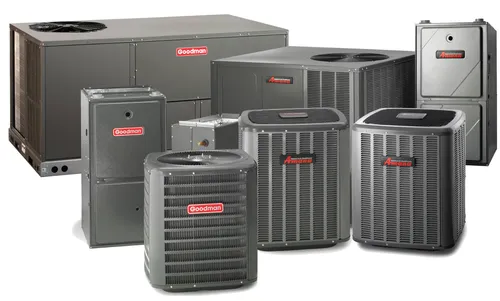
Just-Rite Heating & Air LLC / Real Comfort Solutions
Indianapolis, IN
Just-Rite Heating & Air LLC / Real Comfort Solutions is an HVAC company based in Indianapolis, IN, offering a full range of heating, cooling, and indoor air quality services. They provide installation, repair, and maintenance for air conditioners, furnaces, heat pumps, boilers, and water heaters. The company serves Central Indiana, including Greenwood and surrounding counties. Their technicians are certified and insured, and they offer 24/7 emergency service to address heating and cooling issues at any time. Real Comfort Solutions emphasizes quality workmanship and customer care, supporting local communities and prioritizing safety and reliability.
Action Air
13284 Britton Park Rd, Fishers, IN 46038
Action Air is a family-owned HVAC and plumbing company serving Indianapolis, IN, and surrounding areas since 1986. They provide heating, air conditioning, plumbing, and indoor air quality services with certified technicians. The company offers 24/7 emergency service to address urgent heating, cooling, and plumbing needs any time of day or night. Action Air specializes in HVAC installation, repair, and tune-ups, as well as plumbing repairs and installations. Their service area includes multiple nearby communities such as Fishers, Carmel, Noblesville, and Greenwood.
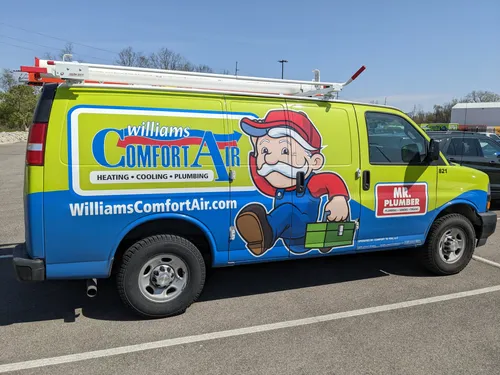
Williams Comfort Air - Heating Cooling Plumbing Electrical
310 West Main Street Suite 202, Greenwood, IN 46142
Williams Comfort Air - Heating Cooling Plumbing Electrical is a full-service HVAC and plumbing company serving Indianapolis, IN. They offer a wide range of services including air conditioning, furnace, heat pump, boiler, and geothermal HVAC repair and installation, as well as duct cleaning and indoor air quality solutions. The company is a Carrier Factory Authorized Dealer and employs NATE-certified technicians who provide comprehensive diagnostics and repairs. Established in 1966, Williams Comfort Air has decades of experience and provides 24/7 emergency HVAC service to ensure customers are never left without heating or cooling when they need it most.
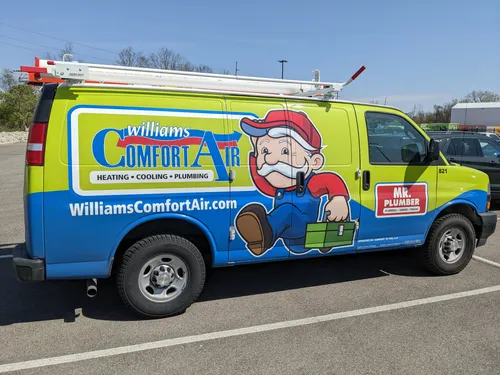
Williams Comfort Air - Heating Cooling Plumbing Electrical
114 S Center St, Plainfield, IN 46168
Williams Comfort Air - Heating Cooling Plumbing Electrical is a full-service HVAC and plumbing company serving Indianapolis, IN. They offer a wide range of services including air conditioner, furnace, heat pump, boiler, and geothermal heat pump repair and installation, as well as duct cleaning and indoor air quality services. The company is a Carrier Factory Authorized Dealer and employs NATE-certified technicians who handle repairs, maintenance, and replacements for various heating and cooling systems. Williams Comfort Air provides 24/7 emergency HVAC service to address urgent heating and cooling needs at any time.
Why Indoor Air Quality Matters in Greenwood
Greenwood's climate and location present unique challenges for maintaining clean indoor air. During the long fall and winter months, buildings are sealed tight to conserve energy, which unfortunately traps and concentrates airborne pollutants inside. Furthermore, the broader Indianapolis metropolitan area, which includes Greenwood, has been ranked among the worst in the nation for particle pollution and struggles with high ozone levels 1 2. These outdoor pollutants can easily infiltrate indoor spaces, compounding issues generated inside the home. For many, symptoms like persistent headaches, fatigue, sinus congestion, and eye irritation-sometimes called "Sick Building Syndrome"-can often be traced back to poor indoor air.
Common Indoor Air Pollutants in Greenwood Homes
Several specific contaminants are prevalent in the Greenwood area due to local environmental factors and building practices.
- High Humidity and Mold: Indiana's humid climate creates perfect conditions for excess moisture. This often leads to mold growth in basements, crawl spaces, bathrooms, and within HVAC systems themselves, releasing spores into the air you breathe 3.
- Radon Gas: This colorless, odorless radioactive gas naturally occurs in soil and rock and can seep into homes through cracks in foundations. Radon is a significant health concern and is a common issue tested for in this region.
- Allergens: Seasonal pollen (especially ragweed), dust mites, and pet dander are pervasive. When your furnace or air conditioner circulates air, it can continuously recirculate these allergens unless properly filtered 4.
- VOCs and Household Chemicals: Volatile Organic Compounds (VOCs) are gases emitted from a wide array of products including paints, varnishes, cleaning supplies, adhesives, and even air fresheners. Concentrations of these chemicals can be many times higher indoors than outdoors 5.
- Combustion Pollutants: Sources like gas stoves, fireplaces, wood-burning stoves, and even vehicles idling in an attached garage can release carbon monoxide and nitrogen dioxide into your living space.
Professional Air Quality Assessment Services
If you suspect an issue or simply want peace of mind, local professionals offer several methods to evaluate your home's environment. A proper assessment is the first step toward an effective solution.
- Comprehensive IAQ Testing: This involves a detailed, on-site investigation that can last 4-8 hours. Technicians may use air sampling pumps and canisters to test for specific contaminants like mold spores, VOCs, and airborne particulates 6 7.
- Radon Testing: Specialized, long-term or short-term test kits are placed in the lowest lived-in level of the home to measure radon concentration accurately. Professional interpretation of these results is crucial 8.
- Continuous Monitoring Systems: Some providers use tools like the AirAdvice for Homes® monitor, which takes readings over a 24-48 hour period to track levels of temperature, humidity, carbon dioxide (CO2), particulates, VOCs, and carbon monoxide (CO) 9 10.
- Visual and HVAC System Inspection: A thorough inspection of your ductwork for dust, debris, and microbial growth, along with an evaluation of your HVAC equipment, filter setup, and home ventilation, is a fundamental part of any assessment 11 12.
Solutions and Remediation Strategies
Once pollutants are identified, a range of solutions can be implemented to clean your air and prevent future problems.
Air Purification and Filtration: Upgrading your HVAC filter to a high-efficiency particulate air (HEPA) filter or installing a dedicated whole-home air purifier can capture a high percentage of particles, allergens, and some microorganisms. Ultraviolet (UV) light systems installed inside your ductwork can help neutralize mold, bacteria, and viruses.
Radon Mitigation: If dangerous levels of radon are detected, a professional radon mitigation system is essential. This typically involves installing a vent pipe and fan system to draw radon gas from beneath the home and safely exhaust it above the roofline 13 14.
Duct Cleaning and Sealing: Over time, ducts accumulate significant dust, pollen, and mold. Professional duct cleaning removes this buildup. Sealing leaky ducts also prevents contaminated air from attics or crawl spaces from entering the supply system.
Humidity Control: Installing a whole-home dehumidifier or using portable units in damp areas like basements is critical for maintaining indoor relative humidity between 30-50%, a level that inhibits mold growth and dust mites 15 16.
Find the perfect indoor air quality service providers for your needs
Get personalized recommendations and expert advice
Proactive Measures for Healthier Indoor Air
While professional services are key for major issues, daily habits and maintenance play a huge role in sustaining good air quality.
- Increase Ventilation: When weather permits, open windows and doors to allow fresh air to dilute indoor pollutants. Use exhaust fans in kitchens and bathrooms to remove contaminants at their source 17.
- Maintain Your HVAC System: Schedule annual professional maintenance for your heating and cooling system. Most importantly, change your furnace and air conditioner filters regularly-every 1-3 months-using the highest MERV rating your system can accommodate.
- Control Moisture at the Source: Fix leaks promptly, ensure gutters and downspouts direct water away from your foundation, and use dehumidifiers in naturally damp areas 18.
- Practice Source Control: Choose low-VOC paints and cleaning products. Minimize the use of aerosol sprays, scented candles, and air fresheners. Ensure gas-burning appliances are properly vented and serviced 19 20.
- Keep a Clean Home: Regular vacuuming with a HEPA-filter vacuum cleaner, dusting with a damp cloth, and washing bedding can significantly reduce accumulations of dust, pet dander, and other allergens.
Investing in your indoor air is an investment in your long-term health and comfort. By understanding the local risks, utilizing professional testing when needed, and implementing both technological solutions and smart daily practices, you can ensure the air inside your Greenwood home is as fresh and clean as possible.
Frequently asked questions
Sources
Footnotes
-
Press Releases | American Lung Association - https://www.lung.org/media/press-releases/indiana-state-of-the-air-report-2025 ↩
-
Indianapolis metro among worst in air quality, American Lung ... - https://www.wfyi.org/news/articles/half-of-americans-breathe-unhealthy-air-heres-how-midwest-metros-are-doing ↩
-
The Hidden Dangers of Poor Indoor Air Quality in Indiana ... - https://hoosierindoorair.com/the-hidden-dangers-of-poor-indoor-air-quality-in-indiana-homes-and-how-fall-maintenance-can-help/ ↩
-
Air Quality Testing Greenwood IN - https://www.indianapolis-hvac.com/air-quality-testing ↩
-
Indianapolis Indoor Air Quality Service - Williams Comfort Air - https://williamscomfortair.com/air-quality/ ↩
-
Signs Your Home Needs Air Quality Testing - https://www.airqualitytesting.ca/residential-air-quality-testing/signs-your-home-needs-air-quality-testing/ ↩
-
Indoor Air Quality Services | Advanced IAQ Solutions - https://advancediaqconsulting.com/indoor-air-quality/ ↩
-
Reliable Indoor Air Quality Testing in Indianapolis, IN - https://www.greenhomesolutions.com/indianapolis-in/our-services/air-quality-testing/ ↩
-
Indianapolis Indoor Air Quality Testing & Improvement - https://www.yorksqualityair.com/residential-hvac-services-indoor-air-quality.php ↩
-
Aire Serv of Greenwood - https://www.google.com/viewer/place?mid=/g/11j5nsl74y ↩
-
Commercial Indoor Air Quality Testing - Indianapolis, IN - https://aegisenvironmentalinc.com/commercial/commercial-indoor-air-quality/ ↩
-
Indoor Air Quality (IAQ) | Environmental Health & Safety - https://ehs.gatech.edu/form/indoor-air-quality-iaq- ↩
-
Residential Indoor Air Quality | Aegis Environmental Inc. - https://aegisenvironmentalinc.com/residential/indoor-air-quality/ ↩
-
Green Home Solutions of Greater Indianapolis (IN) - https://www.google.com/viewer/place?mid=/g/11sfshqz82 ↩
-
The Hidden Dangers of Poor Indoor Air Quality in Indiana ... - https://hoosierindoorair.com/the-hidden-dangers-of-poor-indoor-air-quality-in-indiana-homes-and-how-fall-maintenance-can-help/ ↩
-
How to Improve Indoor Air Quality - Strada Services - https://stradaservices.com/about-us/blog/how-to-improve-indoor-air-quality/ ↩
-
Cost-Effective Ways To Improve Indoor Air Quality - https://www.iqair.com/newsroom/cost-effective-ways-to-improve-indoor-air-quality ↩
-
Indoor Air Quality Program - Marion County Public Health Department - https://marionhealth.org/indoor-air-quality-program/ ↩
-
Common Indoor Air Pollution Sources & How To Fix Them - https://midwesthvacpro.com/common-sources-of-indoor-air-pollution-in-wisconsin-homes-and-how-to-fix-them/ ↩
-
Indoor Air Quality | Air Purifiers in Greenwood IN - https://www.makeitsooner.com/indoor-air-quality-solutions ↩