Find the Best Indoor Air Quality Service Providers for Your Business
No obligation • Fast responses • Nationwide coverage

Why you can trust HVAC Firms
HVAC Firms is a leading United States resource for evaluating HVAC service providers. Our team researches companies, checks credentials, and reviews customer feedback to present clear, unbiased information. Listings and rankings are based on merit, and companies cannot pay to change our editorial content.
Search providers near you
Top Indoor Air Quality Service Providers in East Honolulu, Hawaii Ranked
Breathing clean, healthy air inside your home is essential for comfort and well-being. In East Honolulu, managing indoor air quality (IAQ) involves addressing unique local challenges like high humidity, volcanic smog, and modern, tightly-sealed construction. This guide explains the common indoor air pollutants in our area, how to test for them, and the most effective strategies for creating a healthier indoor environment. You can use this information to understand your needs and connect with local professionals who provide testing, assessment, and improvement services.
Standard Air, LLC
Honolulu, HI
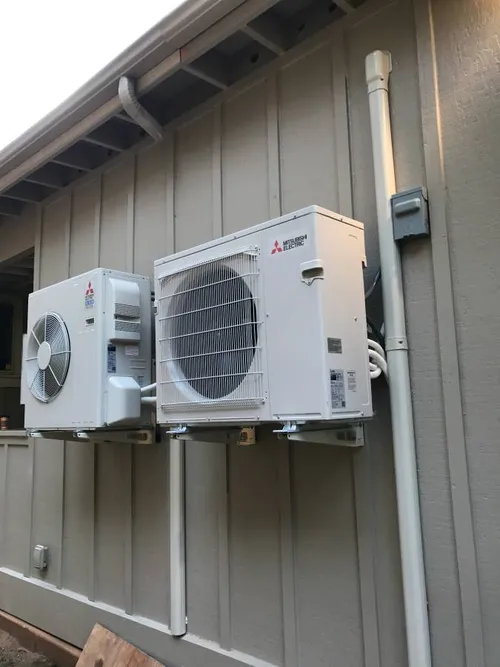
Standard Air, LLC is an HVAC company serving Honolulu, HI, and surrounding areas including Kailua, Kaneohe, Waialae-Kahala, and Hawaii Kai. Since 2018, they have provided services such as air conditioning installation, repair, maintenance, duct cleaning, and indoor air quality improvement. They specialize in Mitsubishi HVAC systems and use a detailed ten-point quality inspection to ensure system efficiency and longevity. The company focuses on addressing Oahu's unique climate challenges, including humidity and air quality issues, to help clients maintain comfortable and healthy indoor environments.
Island Cooling
201 Kapaa Quarry Pl Building 28, Unit 2807, Kailua, HI 96734
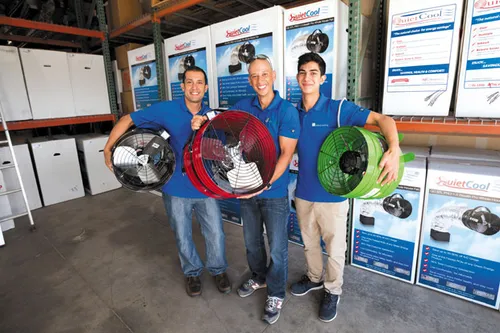
Island Cooling is a family-owned business based in Honolulu, HI, specializing in indoor air quality services with a focus on whole house fan installation. Serving all islands in Hawaii from Hilo to Hanalei since 2008, they help improve home cooling by bringing fresh outdoor air inside, reducing reliance on air conditioning and enhancing indoor air quality. Their skilled team installs QuietCool whole house fans that can replace stale indoor air with fresh air in minutes, which may also help alleviate allergies and asthma. Island Cooling offers a limited lifetime warranty on their products and is recognized as QuietCool's Platinum Dealer in Hawaii.
Ultimate Air Conditioning - Hawaii
Honolulu, HI
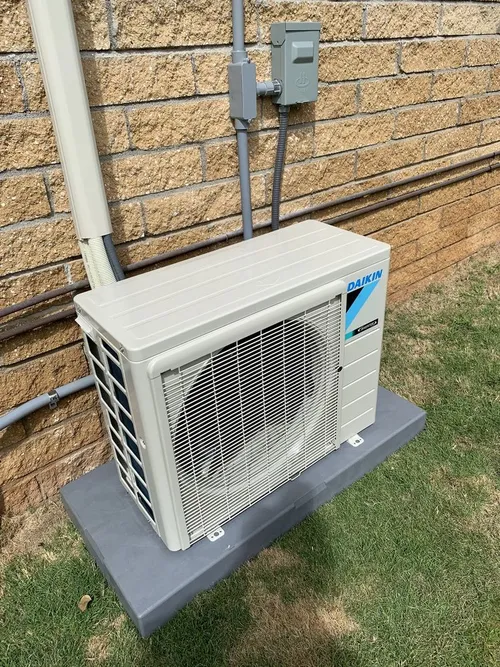
Ultimate Air Conditioning - Hawaii is an HVAC service provider based in Honolulu, HI. They offer a range of services including air conditioning repair and installation, mini-split system installation, thermostat installation, indoor air quality solutions, duct cleaning, and seasonal HVAC maintenance. Their team handles emergency HVAC repairs and system inspections, serving residential and commercial customers across Honolulu. One of their key capabilities is the installation and repair of ductless mini-split systems, which are popular in the area for efficient cooling.
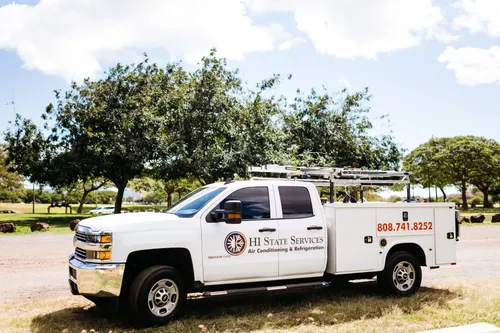
Hi State Services LLC
Honolulu, HI
Hi State Services LLC is a locally owned and operated air conditioning and HVAC contractor based in Honolulu, HI. They provide residential and commercial air conditioning solutions including installation, maintenance, and repair of central air and mini split systems. The company also offers duct upgrades and indoor air quality services. As a Hawaii Energy ally, they assist customers with energy rebates and focus on cost-effective recommendations. Their team is trained to diagnose and repair various HVAC issues and offers routine maintenance programs to improve system efficiency.
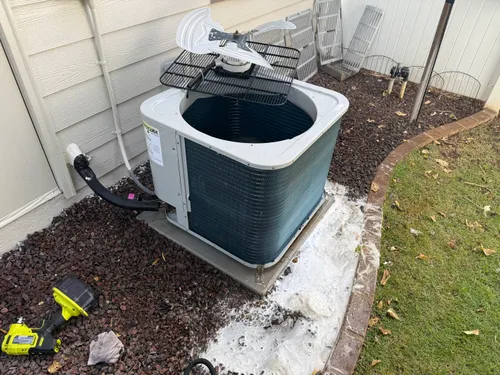
Cool Breeze AC
91-1087 Kaimalie St Apartment 2r1, Ewa Beach, HI 96706
Cool Breeze AC is an air conditioning company serving Honolulu, HI, and the surrounding areas on O'ahu. They provide a range of services including residential AC installation, routine maintenance and tune-ups, emergency repairs, and indoor air quality solutions. The company offers 24/7 emergency support to address urgent AC issues promptly. Their team is skilled in servicing all types of AC systems to help maintain comfortable indoor environments year-round.
Understanding East Honolulu's Unique IAQ Challenges
The tropical paradise of Hawaii comes with a specific set of indoor air considerations. East Honolulu's climate and environmental factors create a distinct profile of air quality concerns that every homeowner and business should understand.
High Humidity and Mold Growth: Hawaii's consistently warm, moist air is the perfect breeding ground for mold and mildew. When humidity levels inside a building remain high, condensation forms on walls, in attics, and within HVAC systems, leading to microbial growth that can cause property damage and trigger allergies or respiratory issues 1.
Tight Building Construction: Modern energy-efficient homes in East Honolulu are built to be sealed tightly, which is excellent for reducing cooling costs but problematic for indoor air. Without adequate ventilation, pollutants from everyday living-cooking fumes, cleaning products, and off-gassing from furnishings-become trapped and concentrated indoors.
Volcanic Smog (Vog): Depending on wind patterns, East Honolulu can be affected by vog, a form of air pollution that contains sulfur dioxide and fine particulate matter. These particles can infiltrate homes, irritating the eyes, nose, and throat, and posing a greater risk to individuals with asthma or other lung conditions.
Volatile Organic Compounds (VOCs): New furniture, paints, adhesives, and even some cleaning supplies release gases known as VOCs. In a tightly sealed home, these chemicals can accumulate, leading to headaches, dizziness, and long-term health concerns.
How to Test and Monitor Your Indoor Air
Knowing what's in your air is the first step toward improving it. Residents of East Honolulu have several options for assessing their indoor environment, from professional evaluations to ongoing DIY monitoring.
Professional Indoor Air Quality Assessments
For a comprehensive analysis, many homeowners turn to local IAQ specialists. Companies like AirCare Hawaii and Green Home Solutions offer detailed assessments that begin with a visual inspection and discussion of occupant health symptoms and odors 2 3. A professional can test for a wide range of specific contaminants:
- Mold and Bacteria: Through air and surface sampling.
- Chemical Pollutants: Including formaldehyde and a broad spectrum of VOCs.
- Combustion Gases: Such as carbon monoxide (CO) and carbon dioxide (CO2).
- Allergens: Like pollen, dust mites, and pet dander.
- Humidity and Temperature: To assess conditions conducive to mold growth.
The cost for professional home indoor air quality testing in our area typically ranges from $250 to over $1,000, depending on the number of pollutants tested and the size of the property 4 5.
Do-It-Yourself Monitoring
For ongoing awareness, DIY air quality monitors are a popular tool. Devices from brands like Airthings provide real-time data on key metrics such as particulate matter (PM2.5), VOC levels, CO2, radon, humidity, and temperature 6. These monitors don't replace professional diagnosis for a specific problem, but they are excellent for tracking daily air quality trends and verifying the effectiveness of your improvement strategies.
Starting with Your HVAC System
A simple but crucial check is your HVAC air filter. Inspecting and upgrading from a basic filter to a higher-efficiency option (like a MERV 13 or higher) can significantly reduce airborne particles 7. Remember, while filters are great for particles, they do not remove gaseous pollutants like VOCs.
Find the perfect indoor air quality service providers for your needs
Get personalized recommendations and expert advice
Effective Strategies for Healthier Indoor Air
Improving your home's air doesn't necessarily require a massive investment. Experts recommend a multi-pronged approach focused on three core strategies: source control, ventilation, and filtration 8.
1. Control Pollution at the Source
The most effective way to improve air quality is to prevent pollutants from entering the air in the first place.
- Manage Humidity: Use air conditioners and dehumidifiers to keep indoor relative humidity below 50%, which inhibits mold growth and dust mites 9. Always use exhaust fans in bathrooms and kitchens.
- Choose Low-VOC Products: Opt for paints, sealants, and cleaning supplies labeled as low-VOC or green when renovating or cleaning.
- Maintain Cleanliness: Regular vacuuming with a HEPA-filter vacuum and dusting with a damp cloth reduces dust, pet dander, and other allergens.
2. Dilute Pollutants with Ventilation
Bringing fresh outdoor air inside is vital, especially in tight homes.
- Natural Ventilation: Open windows and doors when the weather permits and outdoor air quality is good (i.e., when vog is not present) 10.
- Mechanical Ventilation: Ensure your HVAC system is properly maintained and consider upgrades like energy recovery ventilators (ERVs) or heat recovery ventilators (HRVs) that bring in fresh air without sacrificing energy efficiency.
3. Clean the Air with Filtration
When source control and ventilation aren't enough, air cleaning devices can help.
- Upgrade HVAC Filters: Install the highest MERV-rated filter your furnace or AC system can handle without restricting airflow. This captures more dust, pollen, and other particles.
- Use Portable Air Purifiers: For single rooms or areas where pollutants are generated (like a home office), a portable air cleaner with a HEPA filter can be very effective. Some models also include activated carbon to help with odors and gases.
- Consider Whole-Home Solutions: For comprehensive cleaning, systems can be integrated directly into your home's central HVAC ductwork. These are more expensive but treat the air throughout the entire house.
The Impact of Local Climate on Your IAQ Plan
Any air quality improvement plan in East Honolulu must account for the climate. While opening windows is a classic ventilation tip, it must be balanced against high outdoor humidity or vog events. This makes controlled mechanical ventilation and dehumidification particularly important strategies for local residents. Your approach will likely be a dynamic one, shifting between natural ventilation on clear, dry days and relying on filtered, conditioned air on humid or voggy days.
Frequently asked questions
Sources
Footnotes
-
Indoor Air Quality and Mold Inspections (IAQ) - https://trileaf.com/services/indoor-air-quality-and-mold-inspections-iaq/ ↩
-
Reliable Indoor Air Quality Testing - Green Home Solutions - https://www.greenhomesolutions.com/honolulu-hi/our-services/air-quality-testing/ ↩
-
Indoor Air Quality Assessment | Honolulu, HI - AirCare Hawaii - https://aircarehawaii.com/indoor-air-quality-assessment ↩
-
Indoor Air Quality - CTAHR - https://www.ctahr.hawaii.edu/oc/freepubs/pdf/HH-8.pdf ↩
-
How Much Does Professional Home Indoor Air Quality Testing Cost? - https://www.airpf.com/how-much-does-a-home-indoor-air-quality-testing-cost/ ↩
-
How to test indoor air quality in your home - Airthings - https://www.airthings.com/resources/how-to-test-air-quality-in-your-home ↩
-
Know What You're Breathing: A Guide to Indoor Air Quality Assessments - https://jollyplumbing.com/a-guide-to-indoor-air-quality-assessments/ ↩
-
THREE BASIC STRATEGIES TO IMPROVE INDOOR AIR QUALITY - https://airquip.com/three-basic-strategies-to-improve-indoor-air-quality/ ↩
-
How to Improve Indoor Air Quality - Strada Services - https://stradaservices.com/about-us/blog/how-to-improve-indoor-air-quality/ ↩
-
Improving Indoor Air Quality | US EPA - https://www.epa.gov/indoor-air-quality-iaq/improving-indoor-air-quality ↩