Find the Best Indoor Air Quality Service Providers for Your Business
No obligation • Fast responses • Nationwide coverage

Why you can trust HVAC Firms
HVAC Firms is a leading United States resource for evaluating HVAC service providers. Our team researches companies, checks credentials, and reviews customer feedback to present clear, unbiased information. Listings and rankings are based on merit, and companies cannot pay to change our editorial content.
Search providers near you
Best Indoor Air Quality Service Providers in Hawaii Ranked
The quality of the air inside your home or workplace is a cornerstone of health and comfort, especially in Hawaii's unique island environment. Indoor air quality (IAQ) refers to the condition of the air within buildings, influenced by pollutants, humidity, and ventilation. It matters because we spend most of our time indoors, and poor IAQ can lead to immediate discomfort or long-term health issues. This resource helps you understand the specific IAQ challenges and standards in Hawaii, empowering you to identify problems and connect with qualified local professionals for assessment and solutions.
Standard Air, LLC
Honolulu, HI
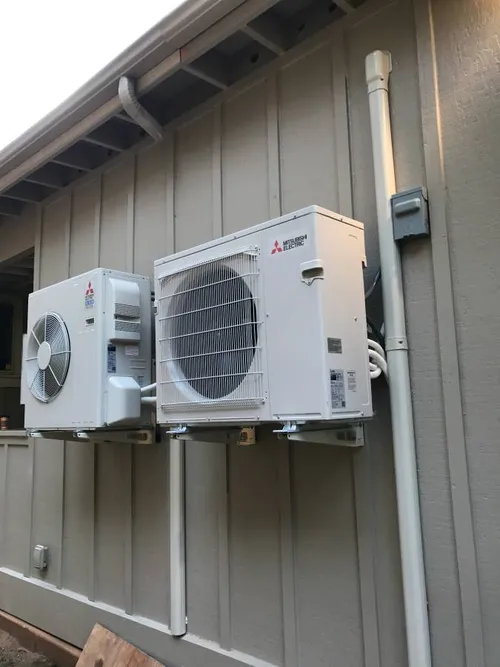
Standard Air, LLC is an HVAC company serving Honolulu, HI, and surrounding areas including Kailua, Kaneohe, Waialae-Kahala, and Hawaii Kai. Since 2018, they have provided services such as air conditioning installation, repair, maintenance, duct cleaning, and indoor air quality improvement. They specialize in Mitsubishi HVAC systems and use a detailed ten-point quality inspection to ensure system efficiency and longevity. The company focuses on addressing Oahu's unique climate challenges, including humidity and air quality issues, to help clients maintain comfortable and healthy indoor environments.
SKS HVAC Services
Honolulu, HI
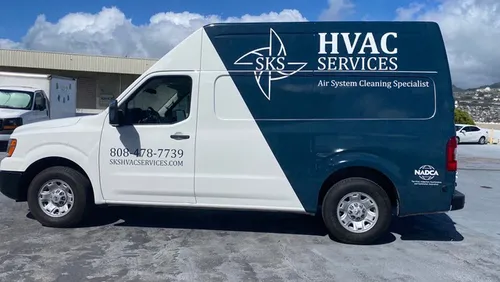
SKS HVAC Services is a duct cleaning and indoor air quality company based in Honolulu, HI. They provide cleaning and maintenance for residential and commercial HVAC and dryer exhaust systems, helping to improve indoor air quality and extend the life of these systems. Their service area includes Waimanalo, Hawaii, and surrounding areas. This company focuses on reducing contaminants and debris that can impact system efficiency and indoor air quality.
Island Cooling
201 Kapaa Quarry Pl Building 28, Unit 2807, Kailua, HI 96734
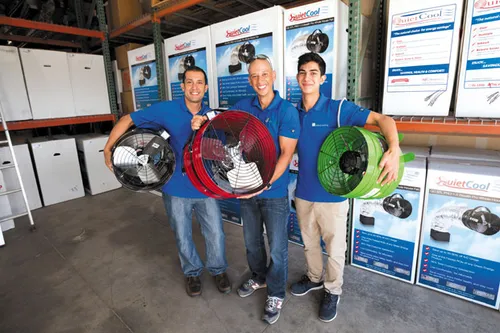
Island Cooling is a family-owned business based in Honolulu, HI, specializing in indoor air quality services with a focus on whole house fan installation. Serving all islands in Hawaii from Hilo to Hanalei since 2008, they help improve home cooling by bringing fresh outdoor air inside, reducing reliance on air conditioning and enhancing indoor air quality. Their skilled team installs QuietCool whole house fans that can replace stale indoor air with fresh air in minutes, which may also help alleviate allergies and asthma. Island Cooling offers a limited lifetime warranty on their products and is recognized as QuietCool's Platinum Dealer in Hawaii.
Ultimate Air Conditioning - Hawaii
Honolulu, HI
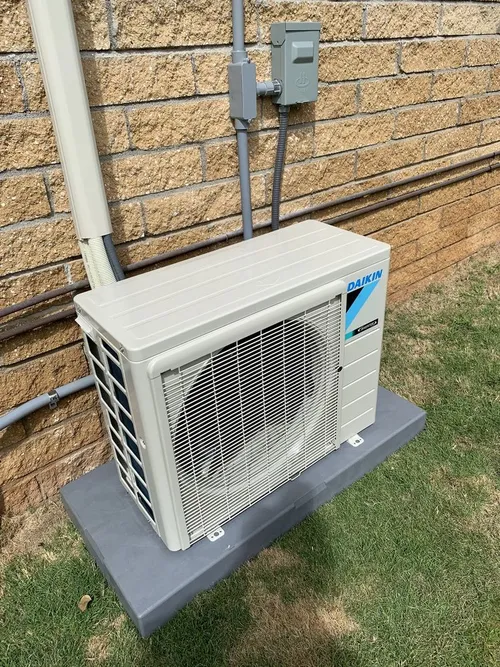
Ultimate Air Conditioning - Hawaii is an HVAC service provider based in Honolulu, HI. They offer a range of services including air conditioning repair and installation, mini-split system installation, thermostat installation, indoor air quality solutions, duct cleaning, and seasonal HVAC maintenance. Their team handles emergency HVAC repairs and system inspections, serving residential and commercial customers across Honolulu. One of their key capabilities is the installation and repair of ductless mini-split systems, which are popular in the area for efficient cooling.
Hi State Services LLC
Honolulu, HI
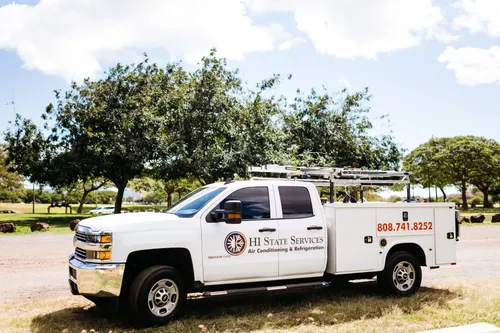
Hi State Services LLC is a locally owned and operated air conditioning and HVAC contractor based in Honolulu, HI. They provide residential and commercial air conditioning solutions including installation, maintenance, and repair of central air and mini split systems. The company also offers duct upgrades and indoor air quality services. As a Hawaii Energy ally, they assist customers with energy rebates and focus on cost-effective recommendations. Their team is trained to diagnose and repair various HVAC issues and offers routine maintenance programs to improve system efficiency.
Understanding Hawaii's Approach to Indoor Air Standards
Unlike some states, Hawaii does not maintain a single, comprehensive set of numerical standards for all indoor air pollutants. Instead, the Hawaii Department of Health (DOH) Indoor Air Quality Unit provides guidelines and investigates complaints based on established industry and federal standards. The state's approach is pragmatic, focusing on recognized benchmarks from organizations like the American Society of Heating, Refrigerating and Air-Conditioning Engineers (ASHRAE) and federal agencies such as the Environmental Protection Agency (EPA) and the Occupational Safety and Health Administration (OSHA).
The core philosophy is mitigation rather than just measurement. The DOH emphasizes identifying and removing pollution sources, ensuring proper ventilation, and controlling moisture to prevent problems like mold growth 1. For publicly owned buildings, the DOH IAQ program actively assesses complaints regarding various contaminants and works to implement solutions 2 3.
Key Guidelines and Benchmarks
While not unique state laws, these adopted standards form the basis for professional IAQ assessments in Hawaii:
- Ventilation: ASHRAE Standard 62 is a key reference, which recommends maintaining carbon dioxide (CO2) levels below 1,000 parts per million (ppm) in occupied spaces as an indicator of adequate outdoor air exchange 4 5.
- Specific Pollutants: Guidelines for contaminants like carbon monoxide, formaldehyde, and particulate matter often reference EPA and OSHA exposure limits or health-based recommendations.
- Building Codes: Hawaii's building codes incorporate requirements for both natural and mechanical ventilation in residential and commercial structures, legally mandating certain airflow standards.
Common Indoor Air Pollutants in Hawaii
Hawaii's tropical climate and specific regional factors create a distinct profile of indoor air concerns. High humidity is a constant backdrop that can exacerbate many issues.
Biological Contaminants: This is a primary concern. Mold and mildew thrive in Hawaii's humid conditions, often growing on walls, ceilings, and in air conditioning systems. Dust mites and allergens from pests like cockroaches are also prevalent and can significantly impact allergy and asthma sufferers 6 7. Volatile Organic Compounds (VOCs): These gases are emitted from a wide array of household products. In Hawaii, common sources include new carpets and furnishings, cleaning and disinfecting supplies, air fresheners, paints, and personal care products. Without proper ventilation, VOC concentrations can build up indoors. Combustion Byproducts: Pollutants like carbon monoxide (CO), nitrogen dioxide (NO2), and fine particulate matter can originate from unvented or malfunctioning gas stoves, water heaters, space heaters, tobacco smoke, and even vehicle exhaust from attached garages 8 9. Other Regional Concerns:
- Asbestos: Found in insulation, floor tiles, and other materials in buildings constructed before the 1980s 10.
- Radon: While less commonly a severe issue than in some mainland states, radon gas can still be a concern and is recommended for testing, especially in certain geological areas.
- Sulfur Dioxide (SO2): On the Big Island, volcanic activity (vog) can introduce SO2 and particulate matter into both outdoor and indoor environments, necessitating specific filtration strategies 11.
Find the perfect indoor air quality service providers for your needs
Get personalized recommendations and expert advice
The Critical Role of Ventilation in Hawaiian Homes
Proper ventilation is universally acknowledged as the most critical factor for maintaining healthy indoor air in Hawaii. It dilutes pollutant concentrations, removes excess moisture, and brings in fresh outdoor air.
Natural Ventilation: Hawaii's climate is ideally suited for natural ventilation-using windows, doors, and architectural features to promote airflow. Building designs often incorporate features like jalousie windows, attic vents, and strategic window placement to maximize passive cooling and air exchange 12. However, during rain, high winds, or times of high outdoor pollution (like vog events), reliance on natural ventilation may not be sufficient or advisable.
Mechanical Ventilation: For modern, tightly constructed homes or specific rooms, mechanical systems are essential. Building codes mandate exhaust fans in bathrooms and kitchens to remove moisture and odors directly at the source 13. For whole-house ventilation, systems like Heat Recovery Ventilators (HRVs) or Energy Recovery Ventilators (ERVs) are excellent for introducing filtered fresh air without losing significant energy, helping to control humidity.
System Maintenance: An HVAC system is only as good as its upkeep. Regular maintenance of air conditioning units and ductwork is crucial. Using the correct filter type (e.g., MERV 13 or higher where the system allows) can effectively capture fine particles, allergens, and some biological contaminants 14. Dirty coils, clogged filters, and leaky ducts can themselves become sources of pollution and reduce overall system efficiency.
Professional IAQ Assessment and Improvement Costs in Hawaii
The cost for addressing indoor air quality in Hawaii varies significantly based on the property's size, the scope of the problem, and the solutions required. Here's a general breakdown based on local service data 15.
Inspections and Testing:
- Basic Assessment: A preliminary inspection and testing for a specific concern (e.g., mold in one room, CO2 levels) may start in the range of a few hundred dollars.
- Comprehensive Evaluation: A full-scale assessment of an entire home or commercial building, testing for a suite of pollutants (mold spores, VOCs, formaldehyde, particulate matter, radon, etc.), can cost $1,000 or more. It's important to note that while the DOH investigates complaints in public buildings, comprehensive testing for private residences is typically conducted by licensed private firms 16.
Common Improvement Solutions and Estimated Costs:
- Air Purifiers: Portable high-efficiency particulate air (HEPA) purifiers range from under $100 for a single room to over $500 for large-capacity units, with ongoing annual filter replacement costs of $50-$200.
- Duct Cleaning: Professional cleaning of the entire HVAC duct system can range from $300 to over $1,000, depending on the system's size and complexity.
- Moisture Control and Mold Remediation: Costs here are highly variable. Fixing a minor leak and cleaning a small mold patch might be a few hundred dollars. Professional remediation for extensive mold growth due to a chronic moisture problem can easily cost several thousand dollars.
- Ventilation Upgrades: Installing new bathroom or kitchen exhaust fans might cost $200-$500 per fan. Installing a whole-house ERV/HRV system is a larger investment, typically ranging from $2,000 to $5,000 or more, including installation 17.
Creating a Healthier Indoor Environment: Practical Steps
Beyond professional services, homeowners and building managers can take proactive steps to improve IAQ.
- Control Humidity: Use dehumidifiers, especially in basements or poorly ventilated rooms, to keep relative humidity ideally between 30% and 50%. This is the single most effective step to inhibit mold growth and dust mites 18.
- Embrace Natural Ventilation: When weather and outdoor air quality permit, open windows on opposite sides of the house to create cross-ventilation.
- Maintain HVAC Systems: Change air filters regularly (every 1-3 months), schedule annual professional maintenance, and ensure drip pans are clean and flowing properly.
- Choose Low-Emission Products: Opt for paints, cleaners, and furnishings labeled as low-VOC or no-VOC.
- Use Exhaust Fans: Always run bathroom fans during and for 20 minutes after showers. Use kitchen exhaust hoods that vent to the outdoors when cooking.
- Address Pollutants at the Source: Ensure gas appliances are properly vented and serviced. Use integrated pest management instead of excessive pesticide sprays. Clean up water spills or leaks within 24-48 hours.
Frequently asked questions
Sources
Footnotes
-
Chapter 39 - Hawaii State Department of Health - https://health.hawaii.gov/opppd/files/2015/06/11-39.pdf ↩
-
Indoor Air Quality (IAQ) Unit - Hawaii State Department of Health - https://health.hawaii.gov/irhb/iaq/ ↩
-
States Are Innovating to Improve Indoor Air Quality - https://www.astho.org/communications/blog/2025/states-innovating-to-improve-indoor-air-quality/ ↩
-
Indoor Air Quality (IAQ) Unit - Hawaii State Department of Health - https://health.hawaii.gov/irhb/iaq/ ↩
-
HNEI Indoor Air Quality Study: Analytical Summary - https://www.hnei.hawaii.edu/wp-content/uploads/HNEI-Indoor-Air-Quality-Study-Analytical-Summary.pdf ↩
-
Local government air quality toolkit Module 4: Practical regulation of air pollution - https://www.epa.nsw.gov.au/sites/default/files/240169-local-government-air-quality-toolkit-module-4-practical-regulation-of-air-pollution.pdf ↩
-
The Impact Of Pests On Indoor Air Quality & What You Can Do - https://www.pestclinic.com.sg/the-impact-of-pests-on-indoor-air-quality-what-you-can-do/ ↩
-
Indoor Air Quality - Overview - OSHA - https://www.osha.gov/indoor-air-quality ↩
-
What Makes Indoor Air Unhealthy? - American Lung Association - https://www.lung.org/clean-air/indoor-air/indoor-air-pollutants ↩
-
Indoor Air Quality - NM-Tracking - https://nmtracking.doh.nm.gov/environment/air/IndoorQuality.html ↩
-
Health - Air Quality - https://air.doh.hawaii.gov/home/text/120 ↩
-
EQ.P1 Air Quality in Naturally Ventilated and - https://luc.hawaii.gov/wp-content/uploads/2013/03/A11-794_DOE-KiheiHS_Indoor-Env-Quality.pdf ↩
-
§ 16A-4.4 Light - Ventilation. - American Legal Publishing - https://codelibrary.amlegal.com/codes/honolulu/latest/honolulu/0-0-0-16452 ↩
-
Chapter 48 - Hawaii State Department of Health - https://health.hawaii.gov/irhb/files/2013/06/Chapter-48-Ventilation-Systems-PROPOSED.pdf ↩
-
Early Warning Systems for COVID-19 Infections Based on Low-Cost Indoor Air-Quality Sensors and LPWANs - https://pmc.ncbi.nlm.nih.gov/articles/PMC8473455/ ↩
-
Air Quality Info | Honolulu, HI - AirCare Hawaii - https://aircarehawaii.com/indoor-air-quality-assessment/air-quality-info ↩
-
Indoor Air Quality (IAQ) - Brochures and Links - https://health.hawaii.gov/irhb/iaqpdf/ ↩
-
Indoor Air Quality - CTAHR - https://www.ctahr.hawaii.edu/oc/freepubs/pdf/HH-8.pdf ↩