Find the Best Indoor Air Quality Service Providers for Your Business
No obligation • Fast responses • Nationwide coverage

Why you can trust HVAC Firms
HVAC Firms is a leading United States resource for evaluating HVAC service providers. Our team researches companies, checks credentials, and reviews customer feedback to present clear, unbiased information. Listings and rankings are based on merit, and companies cannot pay to change our editorial content.
Search providers near you
Top Indoor Air Quality Service Providers in Palm Coast, Florida Ranked
The air you breathe inside your Palm Coast home directly impacts your health, comfort, and well-being. Indoor Air Quality (IAQ) refers to the condition of the air within your living spaces, encompassing factors like humidity, pollutants, and ventilation. In Florida's unique coastal climate, managing IAQ is critical due to persistent high humidity, mold risks, and tightly sealed modern construction that can trap contaminants. This guide explores the specific challenges and solutions for maintaining healthy indoor air in Palm Coast, helping you understand common issues, professional assessment options, and effective strategies to create a cleaner, safer home environment.
The Green Lions cleaning services
Jacksonville, FL
The Green Lions Cleaning Services is a duct cleaning and indoor air quality company based in Jacksonville, FL. They offer residential and commercial air duct cleaning, dryer vent cleaning, mold restoration, and HVAC system restoration to improve air circulation and reduce health risks associated with poor indoor air quality. Their services include sanitizing ducts, removing debris, and using germicidal products and UV lights to enhance air cleanliness. The company emphasizes safety by preventing dryer duct fires and addressing mold issues that can affect indoor environments.
Swift Brothers Plumbing, Heating & Air
1704 Lakeside Ave #5, St. Augustine, FL 32084
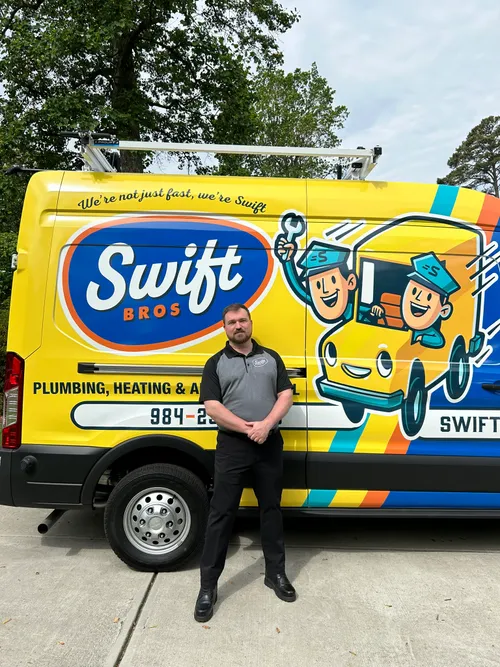
Swift Brothers Plumbing, Heating & Air is a home service provider based in Jacksonville, FL, offering plumbing and HVAC services including air conditioning, furnace, heat pump, and mini split system repairs and installations. They serve the Jacksonville area and surrounding communities with a focus on fast, same-day service and 24/7 emergency availability. Their team is experienced in furnace maintenance, air quality solutions, and comprehensive HVAC tune-ups. With decades of industry experience, Swift Brothers combines local care with broad expertise to address a wide range of home comfort needs.
Understanding Palm Coast's Unique Air Quality Challenges
Living on Florida's beautiful coast comes with a specific set of environmental factors that directly influence the air inside your home. The combination of a humid subtropical climate, salty sea breezes, and energy-efficient building practices creates a perfect storm for common indoor air pollutants. Recognizing these local challenges is the first step toward effective management.
High Humidity and Mold Proliferation Palm Coast experiences high year-round humidity, often exceeding 60-70% 1. This persistent moisture creates ideal conditions for mold and mildew growth, particularly in areas like HVAC systems, attics, bathrooms, and behind walls. Modern, airtight homes designed for energy efficiency can trap this moisture indoors, accelerating microbial growth and creating a musty environment that affects both air quality and structural integrity 2 3.
Coastal Pollutants and Allergens The coastal environment introduces specific particulates. Ocean breezes can carry fine sand and salt aerosols into homes, while local flora such as oak trees, palm species, and ragweed contribute to consistently high pollen counts 4. These outdoor allergens easily infiltrate indoor spaces, combining with common indoor irritants like pet dander and dust mites to trigger allergies and respiratory issues for residents.
Trapped Chemicals and Gases Energy-efficient, sealed construction, while beneficial for cooling costs, often prevents the natural dissipation of airborne chemicals. Volatile Organic Compounds (VOCs) emitted from new flooring, paints, cabinetry, and furniture can accumulate to concerning levels. Furthermore, data indicates that 1 in 5 Florida residences may have radon levels above the EPA action level, with elevated concentrations found in newer homes and schools, making testing a vital consideration for Palm Coast homeowners 5.
Common Indoor Pollutants in Palm Coast Homes
A closer look at the specific contaminants affecting local indoor environments reveals why a targeted approach is necessary. These are the primary adversaries in the quest for cleaner air.
- Mold Spores: The most prevalent issue, thriving in damp HVAC components, on ceiling tiles, and in wall cavities where condensation occurs.
- Dust and Allergens: A mix of pollen, dust mites, pet dander, and insect debris that circulates through forced-air systems.
- Volatile Organic Compounds (VOCs): Gases released from household products including cleaning agents, air fresheners, and building materials.
- Radon Gas: A colorless, odorless radioactive gas that can seep from the soil into home foundations, identified as a significant concern in Florida 6.
- Biological Contaminants: Bacteria and viruses can circulate, especially when HVAC systems are not properly maintained.
- Carbon Dioxide (CO2): Levels can build up in tightly sealed homes without adequate ventilation, leading to stuffiness and fatigue.
Professional IAQ Assessment and Testing
When air quality concerns arise, a professional evaluation provides definitive answers. Certified specialists in Palm Coast use a combination of tools and techniques to diagnose problems accurately.
Comprehensive Air Quality Audits A full assessment typically involves inspecting the HVAC system, measuring humidity levels, and checking for proper ventilation. Professionals use advanced tools like infrared thermal imaging cameras to detect hidden moisture behind walls and ceilings-a common source of unseen mold growth 7. They also conduct visual inspections of ductwork, air handlers, and drain pans for contamination.
Air Sampling and Laboratory Analysis For measurable data, technicians may collect air samples to be analyzed at accredited laboratories. This testing can quantify the concentration of mold spores in the air, identify specific species of mold present, and measure levels of particulate matter (PM2.5/PM10). This objective data is crucial for understanding the severity of a problem and planning an effective remediation strategy 8 9.
Radon and Gas Detection Given the regional risk, radon testing is highly recommended. Professionals use specialized detection kits, and the Florida Department of Health often provides resources or test kits for this purpose. Testing for carbon monoxide and carbon dioxide levels is also standard, ensuring combustion appliances are venting properly and that fresh air exchange is adequate.
Smart IAQ Monitoring For ongoing awareness, many homeowners opt for smart indoor air quality monitors. These devices provide real-time tracking of key metrics like humidity, VOC levels, CO2, and particulate matter, sending alerts to a smartphone when levels exceed healthy thresholds. While not a replacement for professional diagnosis, they are excellent tools for long-term management and trend observation 10.
Find the perfect indoor air quality service providers for your needs
Get personalized recommendations and expert advice
Solutions for Healthier Indoor Air
Addressing poor indoor air involves a multi-pronged strategy, from source control to advanced purification. Here are the most effective solutions implemented by Palm Coast homeowners.
Humidity Control Systems Controlling moisture is the single most impactful step for IAQ in this climate. Whole-home dehumidifiers, integrated with your HVAC system, are a common and highly effective solution. They work to maintain indoor relative humidity between the recommended 35% and 55%, effectively inhibiting mold growth and creating a less hospitable environment for dust mites 11 12. Properly sized and installed, these systems can dramatically improve comfort and air quality.
Advanced Air Filtration and Purification Upgrading your HVAC's filtration is a fundamental step. High-efficiency particulate Air (HEPA) filters can capture over 99.97% of airborne particles. For microbial control, Ultraviolet (UV) light systems installed inside the air handler cabinet can help kill mold spores, bacteria, and viruses as air passes by the lamps 13 14. Electronic air cleaners and dedicated air purifiers for specific rooms are also valuable tools for reducing allergen and pollutant loads.
Ventilation Improvements Modern homes need intentional ventilation. Energy Recovery Ventilators (ERVs) or Heat Recovery Ventilators (HRVs) are systems that introduce fresh outdoor air while simultaneously exhausting stale indoor air, transferring temperature and humidity to maintain energy efficiency. Simply ensuring that bathroom and kitchen exhaust fans are used during and after cooking or showering, and periodically opening windows when outdoor conditions permit, can also help flush out accumulated pollutants 15 16.
Source Control and Duct Maintenance Preventing pollutants from entering the air is always preferable to removing them. This includes using low-VOC paints and cleaning products, promptly repairing water leaks, and keeping homes clean of dust and pet dander. Furthermore, having air duct systems professionally cleaned and sealed can prevent the redistribution of accumulated dust, mold, and debris throughout your home-a common issue in older systems or after renovation projects 17.
Maintenance and Daily Habits for Better Air
Professional solutions work best when paired with consistent maintenance and smart daily practices. These habits form the foundation of a healthy indoor environment.
- Regular HVAC Maintenance: Schedule professional servicing twice a year. This includes cleaning evaporator and condenser coils, checking and clearing drain pans and lines to prevent microbial growth, and ensuring the system is operating efficiently 18.
- Filter Changes: Change your HVAC air filters regularly, at least every 1-3 months, or more frequently if you have pets or allergies. This is the easiest and most cost-effective way to improve filtration.
- Manage Indoor Humidity: Use exhaust fans during showers and cooking. If condensation forms on windows, it's a clear sign indoor humidity is too high, and a dehumidifier may be needed.
- Clean Strategically: Use a vacuum with a HEPA filter, damp-mop hard floors to avoid stirring dust, and wash bedding in hot water weekly to reduce allergens.
- Minimize Chemical Use: Opt for natural cleaning products when possible, ensure proper ventilation when using paints or solvents, and allow new furniture or carpets to off-gas in a well-ventilated space before bringing them into main living areas.
Frequently asked questions
Sources
Footnotes
-
Squeaky Clean Squad Tackles Florida's Indoor Air Crisis as ... - https://www.redding.com/press-release/story/14233/squeaky-clean-squad-tackles-floridas-indoor-air-crisis-as-humidity-and-mold-concerns-peak-in-2025/ ↩
-
What Are The Major Air Pollutants In My Florida Home? - https://www.delair.com/blog/what-are-the-major-air-pollutants-in-my-fort-myers-home/ ↩
-
Indoor Air Quality in Florida Homes: Mold and Asbestos Risks - https://germmasters.com/blog/hidden-threats-how-asbestos-and-mold-impact-indoor-air-quality-in-florida-homes/ ↩
-
How to Improve Indoor Air Quality on Florida's Treasure Coast - https://www.seacoastair.com/how-to-improve-indoor-air-quality-on-floridas-treasure-coast/ ↩
-
Radon - Florida Department of Health - https://www.floridahealth.gov/community-environmental-public-health/environmental-public-health/air-quality/radon/ ↩
-
What is Indoor Air Quality (IAQ) for Florida Homes? - https://www.gpiservices.com/2025/11/30/florida-indoor-air-quality-testing/ ↩
-
Mold Testing & Inspection in Palm Coast, FL - TCB Envirocorp - https://tcbenviro.com/mold-testing-palm-coast-fl/ ↩
-
Palm Coast Air Quality Testing | Inspection Gator - https://www.thehomeexam.com/palm-coast/air-quality-testing/ ↩
-
Safehome Mold Inspections and Testing, LLC Reviews - HomeAdvisor - https://www.homeadvisor.com/rated.safehomemoldinspections.112323555.html ↩
-
Indoor Air Quality Monitoring & Testing - https://www.ppsthane.com/indoor-air-quality-monitoring-testing ↩
-
Indoor Air Quality In Palm Coast, FL - https://www.cooksair.com/service/indoor-air-quality/ ↩
-
HVAC Humidity Control: 4 Tactics for the Florida Environment - https://schnackel.com/blogs/hvac-humidity-control-4-tactics-for-the-florida-environment ↩
-
Indoor Air Quality In Palm Coast, FL - https://www.cooksair.com/service/indoor-air-quality/ ↩
-
Indoor Air Quality In Palm Coast, Florida - https://www.cooksair.com/products/indoor-air-quality-products/ ↩
-
indoor air quality - https://floridadep.gov/sites/default/files/FGLP_BMP_%20INDOOR_AIR_QUALITY_2020.pdf ↩
-
How to Improve Indoor Air Quality - Strada Services - https://stradaservices.com/about-us/blog/how-to-improve-indoor-air-quality/ ↩
-
Mold Testing and Remediation Specialists in Palm Coast - https://www.angi.com/companylist/us/fl/palm-coast/mold-testing-and-remediation.htm ↩
-
Mold - Florida Department of Health - https://www.floridahealth.gov/community-environmental-public-health/environmental-public-health/air-quality/mold/ ↩