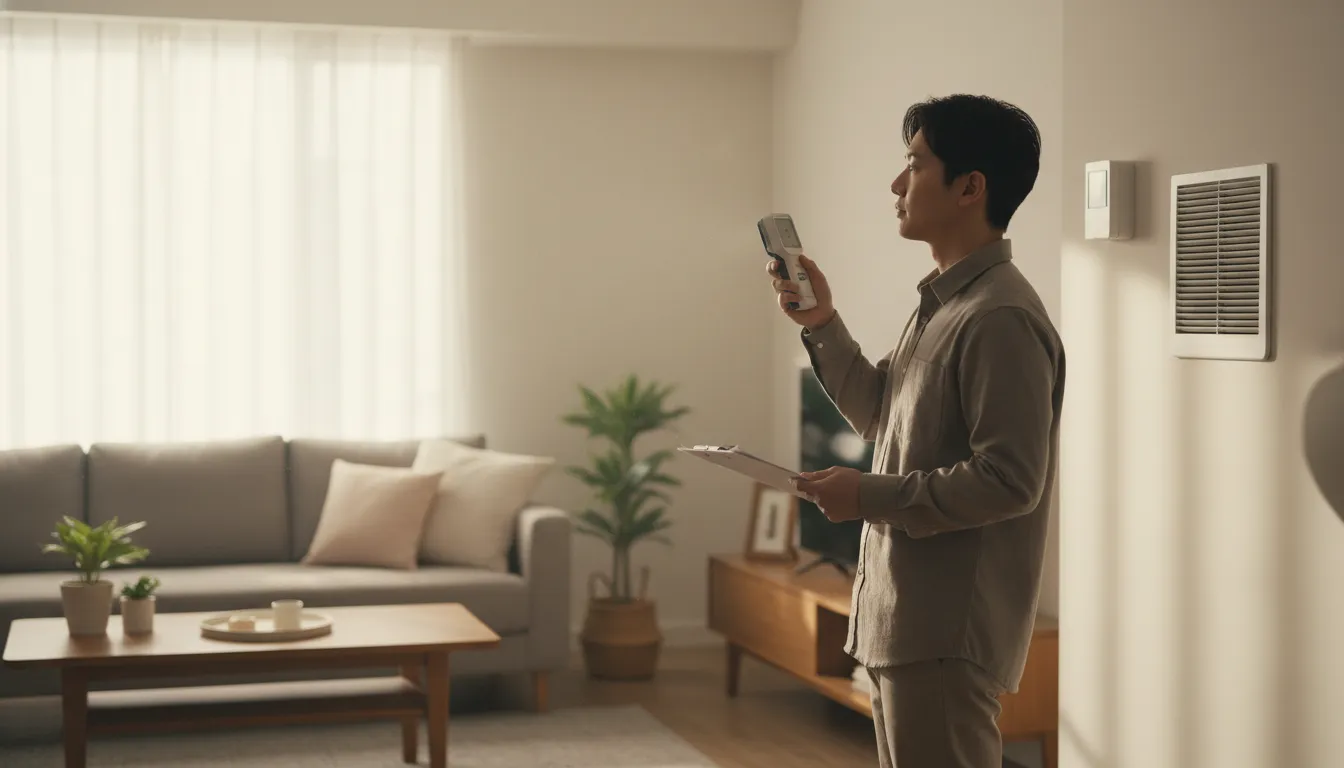
Find the Best Indoor Air Quality Service Providers for Your Business
No obligation • Fast responses • Nationwide coverage

Why you can trust HVAC Firms
HVAC Firms is a leading United States resource for evaluating HVAC service providers. Our team researches companies, checks credentials, and reviews customer feedback to present clear, unbiased information. Listings and rankings are based on merit, and companies cannot pay to change our editorial content.
Search providers near you
Best Indoor Air Quality Service Providers in Florida Ranked
Indoor air quality (IAQ) refers to the condition of the air inside your home or business, directly impacting your health, comfort, and well-being. In Florida, managing IAQ is particularly critical due to the state's unique climate, which can foster mold, high humidity, and other pollutants. This guide explains the key factors affecting your indoor environment, outlines common pollutants, and provides practical strategies for assessment and improvement, helping you connect with the right local expertise to create a healthier living space.
Buehler Air Conditioning & Plumbing
207 20th St N, Jacksonville Beach, FL 32250
Buehler Air Conditioning & Plumbing is a locally owned company serving Jacksonville, FL, and surrounding areas since 2010. They offer a wide range of HVAC and plumbing services including air conditioning, heating, furnace and heat pump repair and installation, duct cleaning and sealing, indoor air quality solutions, and plumbing services such as leak detection and water heater maintenance. Their team includes NATE-certified technicians skilled in handling various systems including mini-split ACs and zoning systems. Buehler is a Carrier Factory Authorized Dealer and holds EPA certification, reflecting their commitment to quality and energy-efficient products.
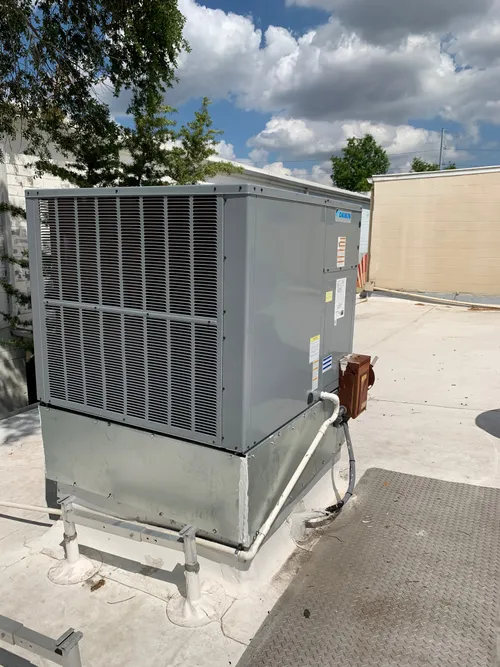
Fontana Brothers Heating & Air Conditioning
5438 W Crenshaw St, Tampa, FL 33634
Fontana Brothers Heating & Air Conditioning is a residential HVAC company based in Tampa, FL. With over 20 years of combined experience among its managing partners, the company offers services including air conditioning repair and installation, HVAC tune-ups, duct cleaning, and indoor air quality solutions. They specialize in duct installations and repairs to optimize air distribution and efficiency, and provide clean air solutions such as duct sanitizing and sterilization to protect against mold and microorganisms. The company also offers attic insulation services to improve home energy efficiency. Fontana Brothers is licensed and bonded to handle a wide range of residential air conditioning needs.
Clean Sweep Duct Cleaning & Air Conditioning
St Petersburg, FL
Clean Sweep Duct Cleaning & Air Conditioning is a locally owned business based in St Petersburg, FL, providing HVAC installation and duct cleaning services. They serve residential and commercial clients across Sarasota, Manatee, Pinellas, and Hillsborough counties. The company specializes in improving indoor air quality through thorough duct cleaning and offers professional HVAC system installation to enhance comfort and efficiency. Established in 2011, Clean Sweep brings over a decade of experience and is led by a licensed HVAC professional with extensive expertise in the field.
One Way Air
9633 Palm River Rd, Tampa, FL 33619
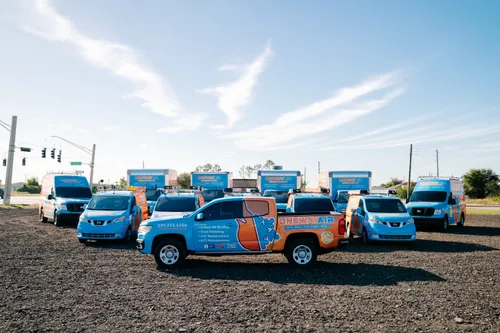
One Way Air is an air conditioning and indoor air quality service provider based in Tampa, FL. They offer a full range of HVAC services including AC repair, installation, maintenance, duct cleaning, air purification, and duct sealing. Serving the Tampa Bay area, including St. Petersburg and Clearwater, they provide residential and commercial solutions with a focus on improving indoor air quality and system efficiency. One Way Air has been serving the region for over ten years and offers 24/7 emergency repair services to address urgent HVAC needs.
Willman Air
13140 Tamarisk Ct, Jacksonville, FL 32246
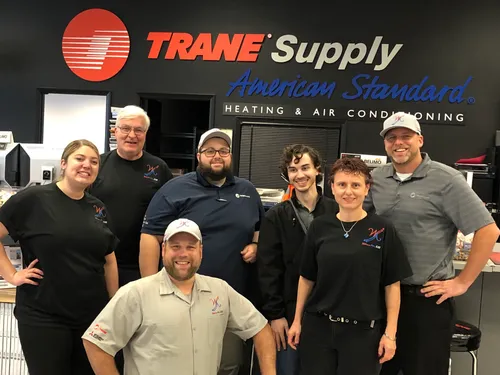
Willman Air is a family-owned HVAC company serving Jacksonville, FL, and nearby communities since 2015. They provide a range of services including air conditioning, furnace, and heat pump repair and installation, as well as ductless air conditioning and indoor air quality improvements. Their NATE-certified technicians handle maintenance, repairs, and new system installations with a focus on clear communication and honest recommendations. Willman Air offers a 10-year labor and parts warranty on new installations and provides after-hours service for heating repairs.
Why Indoor Air Quality Matters in Florida
The air you breathe indoors can be significantly more polluted than outdoor air. Given that most people spend the vast majority of their time inside, the quality of this environment is a major determinant of health. In Florida, the warm, humid climate creates specific challenges that make IAQ management essential. Poor IAQ can lead to immediate effects like headaches, dizziness, and irritation of the eyes, nose, and throat, as well as long-term risks such as respiratory diseases and heart conditions. For vulnerable groups like children, the elderly, and those with asthma or allergies, maintaining good indoor air is even more crucial.
Common Indoor Air Pollutants in Florida Homes
Understanding the specific threats present in Florida homes is the first step toward mitigation. The state's environment promotes several key pollutants.
Mold and Mildew
High humidity is the primary driver of mold growth in Florida. Mold spores are always present in the air, but they require moisture to colonize and spread. Common problem areas include bathrooms, kitchens, laundry rooms, attics, and around windows where condensation occurs. The Florida Department of Health notes that controlling moisture is the most effective strategy to prevent mold.
Radon
Radon is a colorless, odorless, radioactive gas that naturally seeps from the soil into buildings. While often associated with colder climates, radon is a concern in Florida and testing is recommended. It is the second leading cause of lung cancer and can accumulate to dangerous levels in poorly ventilated homes.
Carbon Monoxide (CO)
This poisonous, odorless gas is produced by the incomplete burning of fuels in appliances like furnaces, water heaters, stoves, and fireplaces. Proper venting and regular maintenance of fuel-burning appliances are vital for safety.
Volatile Organic Compounds (VOCs)
VOCs are gases emitted from a wide array of household products, including paints, varnishes, cleaning supplies, adhesives, and even new furniture and building materials 1. Concentrations can be many times higher indoors than outdoors.
Particulate Matter (PM2.5 and PM10)
These are tiny particles or droplets in the air, such as dust, pollen, pet dander, and smoke 2 3. They can be inhaled deep into the lungs, aggravating asthma and other respiratory conditions.
The Critical Role of Humidity and Ventilation
Two interconnected factors-humidity and ventilation-form the foundation of Florida's IAQ strategy.
Managing Humidity
The Florida Department of Environmental Protection (DEP) emphasizes that controlling humidity is fundamental to controlling indoor air quality. The ideal range for relative humidity indoors is between 35% and 55%. Levels above 60% encourage mold growth and dust mites, while levels that are too low can cause respiratory irritation. In Florida, dehumidifiers are often essential, especially during the rainy season. Simple actions like using exhaust fans during showers, fixing plumbing leaks promptly, and ensuring your air conditioning system is properly sized and maintained are critical for moisture control.
Ensuring Proper Ventilation
Ventilation helps dilute and remove indoor pollutants by bringing in fresh outdoor air. In tightly sealed modern homes, pollutants can build up without adequate ventilation. Key practices include:
- Using kitchen and bathroom exhaust fans that vent to the outside.
- Ensuring clothes dryers are vented outdoors.
- Keeping HVAC system drip pans clean and drain lines unobstructed.
- Periodically opening windows and doors when outdoor conditions permit.
- Considering advanced systems like Heat Recovery Ventilators (HRVs) or Energy Recovery Ventilators (ERVs), which exchange stale indoor air for fresh outdoor air while conserving energy.
Find the perfect indoor air quality service providers for your needs
Get personalized recommendations and expert advice
How to Assess Your Indoor Air Quality
If you suspect an IAQ problem, a systematic assessment can identify the sources and scope.
Self-Assessment: Start by using your senses. Look for signs of moisture, water damage, or mold growth. Check for condensation on windows. Notice any persistent musty or chemical odors. Monitor humidity levels with an inexpensive hygrometer.
Professional IAQ Inspection: For a comprehensive analysis, a professional assessment is recommended. An inspector can measure pollutant levels, evaluate ventilation rates, and identify hidden moisture problems. The scope and cost of an inspection can vary widely, from a few hundred dollars for a basic assessment to over a thousand for a detailed investigation including mold, radon, and VOC testing 4. The Florida Department of Health (DOH) offers limited consultation and guidance for residents concerned about IAQ.
Targeted Testing: Specific tests are available for common concerns:
- Radon Testing: Short-term (2-7 day) or long-term (90+ day) test kits are available. Professional radon testing typically costs between $100 and $200.
- Mold Testing: While identifying visible mold is often enough to warrant remediation, air or surface sampling can identify spore types and concentrations.
- VOC/Particulate Testing: Professional-grade equipment is used to measure levels of specific chemical compounds or fine particles.
Improvement Strategies and Solutions
Improving IAQ often involves a combination of source control, ventilation enhancements, and air cleaning.
1. Source Control This is often the most cost-effective long-term approach 5. It involves removing or reducing the emission of pollutants at their origin.
- Store paints, solvents, and pesticides in sealed containers in a well-ventilated shed or garage.
- Choose low-VOC or VOC-free paints, adhesives, and cleaning products.
- Ensure gas stoves, furnaces, and fireplaces are properly adjusted and vented.
- Ban smoking indoors.
- Address water intrusion and dry wet materials within 24-48 hours to prevent mold.
2. Ventilation Improvements
- Exhaust Fans: Install and use high-quality bathroom and kitchen fans.
- HVAC Maintenance: Have your system inspected and serviced annually. Change filters regularly (every 1-3 months).
- Whole-House Ventilation: Installing an HRV or ERV system can significantly improve air exchange. These systems can represent a more substantial investment, often ranging from $1,000 to $5,000 or more, depending on the home's size and complexity.
3. Air Cleaning and Filtration Air cleaners can help remove particles and some gases, but they are not a substitute for source control and ventilation.
- HVAC Filters: Upgrade to a higher Minimum Efficiency Reporting Value (MERV) rated filter (e.g., MERV 13) if your system can handle the increased airflow resistance.
- Portable Air Purifiers: Use units with HEPA filters for particulate removal and activated carbon filters for some gases and odors. Costs for effective units range from $100 to $500+.
- Dehumidifiers: Stand-alone or whole-house dehumidifiers are invaluable in Florida for maintaining the 35-55% humidity target, with prices ranging from $100 to over $500 for residential models 6.
4. Professional Remediation For serious issues like widespread mold contamination or high radon levels, professional remediation is necessary.
- Mold Remediation: Costs vary dramatically based on the extent of the problem, from a few hundred dollars for a small area to many thousands for a whole-house remediation 7.
- Radon Mitigation: Systems typically involve sub-slab depressurization and can cost between $1,200 and $2,500 to install.
Maintaining Healthy Indoor Air
Good IAQ requires ongoing attention. Establish a routine that includes:
- Monthly: Check and clean HVAC filters or replace as needed.
- Seasonally: Inspect your home for leaks, especially after heavy rains. Clean dehumidifier collection buckets and coils.
- Annually: Schedule professional HVAC maintenance. Test or replace batteries in smoke and carbon monoxide detectors.
- As Needed: Clean up spills and dry wet areas immediately. Dust and vacuum regularly using a vacuum with a HEPA filter.
Frequently asked questions
Sources
Footnotes
-
Introduction to Indoor Air Quality | US EPA - https://www.epa.gov/indoor-air-quality-iaq/introduction-indoor-air-quality ↩
-
5 Factors that Affect Indoor Air Quality & How to Improve It - JSE Labs - https://jselabs.com/blog/factors-that-affect-indoor-air-quality/ ↩
-
WHO air quality guidelines - C40 Knowledge Hub - https://www.c40knowledgehub.org/s/article/WHO-Air-Quality-Guidelines?language=en_US ↩
-
Different Types of Indoor Air Quality (IAQ) Inspection - TRC Companies - https://www.trccompanies.com/insights/conducting-an-iaq-inspection/ ↩
-
Improving Indoor Air Quality | US EPA - https://www.epa.gov/indoor-air-quality-iaq/improving-indoor-air-quality ↩
-
indoor air quality - https://floridadep.gov/sites/default/files/FGSD_BMP_%20INDOOR_AIR_QUALITY_%202020.pdf ↩
-
Indoor Air Quality - Florida Department of Health - https://www.floridahealth.gov/community-environmental-public-health/environmental-public-health/air-quality/ ↩