Find the Best Indoor Air Quality Service Providers for Your Business
No obligation • Fast responses • Nationwide coverage

Why you can trust HVAC Firms
HVAC Firms is a leading United States resource for evaluating HVAC service providers. Our team researches companies, checks credentials, and reviews customer feedback to present clear, unbiased information. Listings and rankings are based on merit, and companies cannot pay to change our editorial content.
Search providers near you
Top Indoor Air Quality Service Providers in Lauderhill, Florida Ranked
Living in Lauderhill means enjoying sunshine and warmth year-round, but the very climate that makes South Florida appealing can create significant challenges for the air inside your home or business. Indoor air quality (IAQ) refers to the condition of the air within and around buildings, particularly as it relates to the health and comfort of occupants. In our region, high humidity, frequent storms, and constant air conditioning use can create a "perfect storm" for poor indoor air, leading to issues like mold growth, elevated allergens, and chemical pollutants. Understanding and managing your indoor environment is crucial for comfort, health, and protecting your property. This guide will help you identify common local air quality concerns, explore professional testing and improvement options, and connect with qualified specialists who can assess and enhance the air you breathe every day.
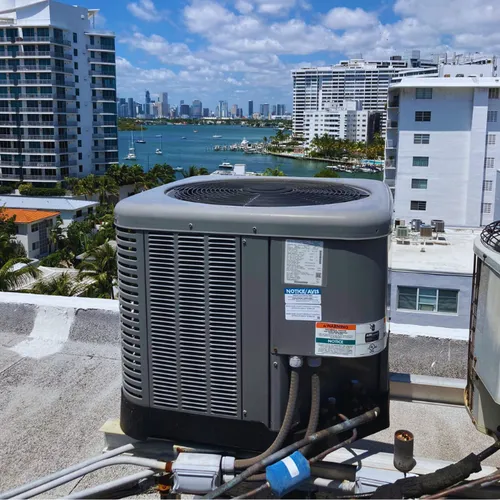
Florida Clean Air Plus
15251 NE 18th Ave Suite #3, North Miami Beach, FL 33162
Florida Clean Air Plus is an HVAC company based in Miami, FL, offering a wide range of heating and cooling services for both residential and commercial clients. Their services include AC repair, installation of new AC and heat pump systems, air duct cleaning, duct sealing, dryer vent cleaning, and thermostat installation. They emphasize improving indoor air quality and energy efficiency through thorough maintenance and cleaning. The company provides 24/7 emergency HVAC service, ensuring support whenever needed. Their certified technicians are experienced in handling all major HVAC brands and models, delivering precise installations and repairs with transparent, upfront quotes.

Air Zone Mechanical
16600 NW 54th Ave Unit 3, Miami Lakes, FL 33014
Air Zone Mechanical is an air conditioning and indoor air quality company serving Miami, FL. With over 25 years of experience, they provide services including AC repair, installation, mini split installation, duct cleaning, thermostat installation, and air purification. The company offers 24/7 emergency service and employs bilingual technicians to better serve the community. They handle both residential and commercial projects using the latest technology to ensure effective and timely solutions.
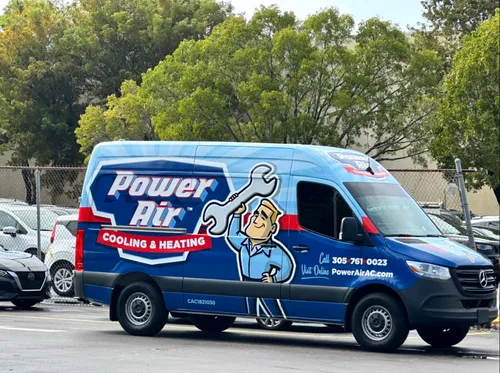
Power Air Cooling & Heating, LLC
901 NE 172nd St, Miami, FL 33162
Power Air Cooling & Heating, LLC is an HVAC service company based in Miami, FL, offering air conditioning repair, installation, maintenance, and indoor air quality services. Serving Miami-Dade, Broward, and surrounding areas, they provide comprehensive HVAC solutions including system diagnostics and custom filter options. With over 15 years of experience, this family-owned business combines traditional values with modern technology to deliver dependable service and clear communication.
Island Breeze Air Conditioning, LLC
6831 SW 44th St APT 109, Miami, FL 33155
Island Breeze Air Conditioning, LLC is an HVAC company serving Miami, FL, specializing in heating and air conditioning system installation, repair, and maintenance. Their services include air conditioner, furnace, heat pump, and mini split system installation and repair, as well as thermostat installation and indoor air quality improvements. They offer 24/7 emergency repair services and provide service agreements for regular maintenance to extend system life and ensure reliable performance. The company also supplies a range of products such as air cleaners, humidifiers, UV lights, and zoning systems to enhance indoor environments.
Doctor Air Hvac Corp
4850 nw 4 terrace 7440 n kendall drive miami fl 33156 1003 sw 142nd pl miami fl 33184, 4850 NW 4th Terrace, Miami, FL 33126
Doctor Air HVAC Corp is an HVAC company based in Miami, FL, providing a full range of heating and air conditioning services. They offer AC and furnace installation, repair, maintenance, air duct cleaning, and indoor air quality solutions for residential and commercial clients. The company serves Miami and surrounding areas including Dania Beach, Pembroke Pines, Hollywood, and more. Doctor Air HVAC Corp is equipped to handle all major HVAC brands and provides 24/7 emergency services to address urgent system issues. Their technicians are certified and experienced in delivering reliable HVAC solutions.
Why Lauderhill's Climate Demands Attention to Indoor Air
Lauderhill's subtropical climate is the primary driver of indoor air quality challenges. The combination of high annual humidity, heavy rainfall, and our reliance on sealed buildings with air conditioning creates unique conditions not found in drier climates. The Florida Department of Environmental Protection notes that maintaining good indoor air is a key best management practice for healthy living spaces. When humidity consistently stays above 60%-a common occurrence here-it provides the ideal moisture for biological contaminants to thrive 1. Furthermore, keeping windows closed to manage heat and humidity can trap pollutants inside, with some studies indicating indoor air can be two to five times more polluted than outdoor air 2. This makes proactive air quality management not just a comfort issue, but a vital component of home and health maintenance in Broward County.
Common Indoor Air Pollutants in Lauderhill Homes
Several specific contaminants are prevalent in local residences and commercial buildings. Identifying these is the first step toward creating a healthier indoor environment.
High Humidity and Mold/Mildew
Florida's humidity is a well-known adversary. This persistent moisture creates the perfect breeding ground for mold and mildew, especially in areas like attics, bathrooms, kitchens, and inside wall cavities where condensation can occur 3. Mold spores can cause allergic reactions, asthma attacks, and other respiratory issues, and their presence often manifests as a musty odor or visible growth on surfaces.
Dust Mites and Pet Dander
The same high humidity that encourages mold also supports large populations of dust mites. These microscopic creatures thrive in warm, humid environments and are a major allergen for many people. Combined with pet dander, which is present in many households, these allergens can significantly worsen symptoms for those with allergies or asthma.
VOCs and Chemical Pollutants
Volatile Organic Compounds (VOCs) are gases emitted from a wide array of household products and materials. In Lauderhill, sources can include new building materials, furniture, cleaning agents, air fresheners, and even certain types of flooring. In tightly sealed homes, these gases can accumulate, potentially causing headaches, dizziness, eye and throat irritation, and long-term health concerns.
Trapped Contaminants and "Tight Building" Syndrome
To keep the heat and humidity out, our buildings are often sealed tight with windows closed and air conditioning running constantly. While efficient for temperature control, this lack of natural ventilation allows pollutants from all the sources listed above to build up indoors without an easy escape route. This phenomenon is sometimes referred to as "tight building syndrome."
Post-Storm and Flooding Concerns
South Florida's storm season poses a direct and immediate threat to indoor air. Water intrusion from heavy rain or flooding can lead to hidden mold growth within drywall, under flooring, and in insulation. This damage may not be immediately visible but can severely degrade air quality and cause structural problems if not addressed promptly and professionally.
Professional Indoor Air Quality Testing: What to Expect
When air quality issues are suspected, a professional assessment provides scientific clarity. Local environmental and HVAC specialists offer comprehensive testing to diagnose problems accurately.
The Inspection Process
A professional indoor air quality inspection in Broward County typically involves a thorough investigation of the entire home environment. A specialist will examine the HVAC system, ductwork, attic, crawl spaces, and living areas. They use specialized equipment to take air and surface samples, which are then analyzed in a laboratory to identify types and concentrations of pollutants like mold spores, VOCs, and particulate matter.
Key Metrics and Monitoring
Professionals measure several critical parameters to assess your air quality:
- Relative Humidity: The target for a healthy, mold-resistant home is between 45% and 55%.
- TVOCs (Total Volatile Organic Compounds): Measures the concentration of potentially harmful chemical gases.
- PM2.5: Monitors fine particulate matter small enough to penetrate deep into the lungs.
- Carbon Dioxide (CO2): High levels can indicate inadequate ventilation.
- Mold Spores: Identifies the presence and species of mold in the air.
For ongoing monitoring, specialists may recommend smart air quality monitors like the Airthings View Plus or IQAir AirVisual Pro, which provide real-time tracking of these metrics and can cost between $300 and $600 4 5.
When Should You Test Your Air?
Consider scheduling a professional IAQ test 6 7:
- At least once a year as a preventative measure.
- If you notice persistent musty or stale odors.
- Upon seeing visible mold growth.
- If household members experience unexplained respiratory symptoms, allergies, or headaches that improve when leaving the home.
- After any significant water intrusion from a storm, leak, or flood.
- Before purchasing a new home.
Find the perfect indoor air quality service providers for your needs
Get personalized recommendations and expert advice
Costs for Testing and Improvement in Lauderhill
Understanding the potential investment for testing and remediation helps in planning. Costs can vary based on home size, the extent of testing, and the solutions required.
Initial Testing Costs:
- Basic Indoor Air Quality Test: For a standard home up to 2,500 square feet, expect to pay between $200 and $500 for a basic assessment of key parameters 8.
- Comprehensive Mold or VOC Testing: More targeted testing for specific contaminants like mold or chemicals typically ranges from $300 to $1,000.
- Commercial Property Testing: For larger commercial spaces, testing is more complex and can cost $1,000 to $3,000 or more.
Improvement and Remediation Costs:
- HVAC Maintenance: Regular professional cleaning of AC coils and drain lines to prevent microbial growth costs between $100 and $300.
- Air Filtration Upgrades: Installing higher-efficiency filters (e.g., MERV 11-13) is a relatively low-cost improvement, with the main expense being the ongoing cost of the filters themselves.
- Whole-Home Dehumidifier: For homes with chronic dampness, installing a whole-home dehumidifier integrated with the HVAC system is a highly effective but more significant investment.
- Mold Remediation: The average cost for professional mold removal in Lauderhill falls between $1,200 and $3,800, depending on the scope and location of the infestation 9 10.
Practical Steps for Healthier Indoor Air
While professional help is essential for major issues, homeowners can take several proactive steps to improve their indoor environment.
- Control Humidity: This is the single most important action in Florida. Use your AC, ensure it is properly sized and maintained, and consider adding a dehumidifier for problem areas. Aim to keep indoor relative humidity below 60% to inhibit mold and dust mites 11 12.
- Practice Source Control: Reduce the introduction of pollutants. Choose low-VOC or zero-VOC paints and building materials. Limit the use of aerosol sprays, strong chemical cleaners, and synthetic air fresheners indoors.
- Ventilate Properly: When outdoor conditions allow, open windows to exchange stale indoor air for fresh air. Always use exhaust fans in bathrooms and kitchens during and for at least 20 minutes after cooking or showering to remove moisture and odors at the source.
- Filter and Clean Regularly: Change your HVAC system's air filter every 1-3 months. Consider upgrading to a filter with a MERV rating of 11-13 for better capture of small particles 13. Regular vacuuming with a HEPA-filtered vacuum and dusting with a damp cloth can also reduce settled allergens.
- Address Water Immediately: Quickly dry any spills, leaks, or condensation. After a storm, inspect your home for signs of water damage and address them promptly to prevent mold from taking hold within 24-48 hours.
Maintaining good indoor air quality in Lauderhill is an ongoing process that combines vigilant homeowner habits with the expertise of local professionals. By understanding the local risks and available solutions, you can ensure your home remains a safe, comfortable, and healthy sanctuary.
Frequently asked questions
Sources
Footnotes
-
Indoor Air Quality in Florida Homes: Mold and Asbestos Risks - https://germmasters.com/blog/hidden-threats-how-asbestos-and-mold-impact-indoor-air-quality-in-florida-homes/ ↩
-
A scoping review of indoor air quality assessment in refurbished buildings - https://www.emerald.com/sasbe/article/14/1/93/1241597/A-scoping-review-of-indoor-air-quality-assessment ↩
-
Squeaky Clean Squad Tackles Florida's Indoor Air Crisis as ... - https://www.vcstar.com/press-release/story/17370/squeaky-clean-squad-tackles-floridas-indoor-air-crisis-as-humidity-and-mold-concerns-peak-in-2025/ ↩
-
iqair AirVisual PRO AIR-QUALITY Monitor - https://www.google.com/search?q=product&prds=pvt:hg,productid:12731750861393503074,catalogid:16835460390359639346,gpcid:10152811169155146236,mid:576462399365726378&ibp=oshop ↩
-
Airthings View Plus Air Quality Monitor - https://www.google.com/search?q=product&prds=pvt:hg,productid:6072329373947128373,catalogid:7712427545849036561,gpcid:4854218481369443652,mid:576462731890981916&ibp=oshop ↩
-
Why Indoor Air Quality Testing in South Florida Important? - https://etamold.com/2025/04/25/indoor-air-quality-testing-in-south-florida/ ↩
-
Indoor Air Quality Testing and Inspection Company | Florida - https://fullspecenviro.com/indoor-air-quality-test-company/ ↩
-
How Much Does Indoor Air Quality Testing Cost? [2025 Data] - https://www.homeadvisor.com/cost/environmental-safety/test-indoor-air-quality/ ↩
-
How Much Does Indoor Air Quality Testing Cost? [2026 Data] - https://www.angi.com/articles/how-much-does-indoor-air-quality-testing-cost.htm ↩
-
How Much Does an Indoor Air Quality Test Cost? - Ambient Edge - https://www.ambientedge.com/faqs/how-much-does-an-indoor-air-quality-test-cost/ ↩
-
What is Indoor Air Quality (IAQ) for Florida Homes? - https://www.gpiservices.com/2025/11/30/florida-indoor-air-quality-testing/ ↩
-
indoor air quality - https://floridadep.gov/sites/default/files/FGLP_BMP_%20INDOOR_AIR_QUALITY_2020.pdf ↩
-
What is Indoor Air Quality (IAQ) for Florida Homes? - https://www.gpiservices.com/2025/11/30/florida-indoor-air-quality-testing/ ↩