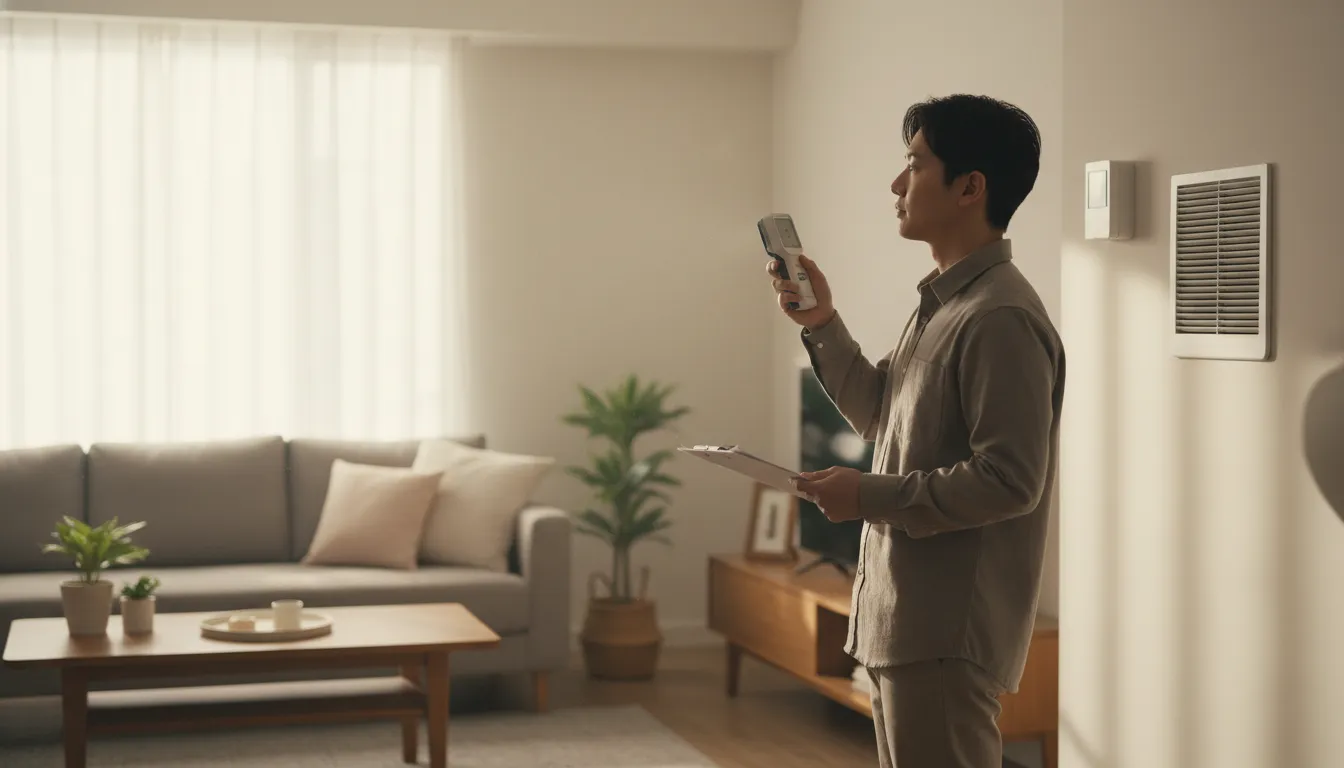
Find the Best Indoor Air Quality Service Providers for Your Business
No obligation • Fast responses • Nationwide coverage

Why you can trust HVAC Firms
HVAC Firms is a leading United States resource for evaluating HVAC service providers. Our team researches companies, checks credentials, and reviews customer feedback to present clear, unbiased information. Listings and rankings are based on merit, and companies cannot pay to change our editorial content.
Search providers near you
Top Indoor Air Quality Service Providers in Cutler Bay, Florida Ranked
Living in Cutler Bay offers beautiful weather, but the very climate that draws people here can create significant challenges for the air inside your home or business. High humidity, a constant companion in South Florida, is the primary driver of indoor air quality (IAQ) issues, leading to mold growth and trapping pollutants that can affect health and comfort. Understanding and managing your indoor environment is crucial for creating a safe, healthy, and comfortable living space. This guide will help you navigate the common concerns, professional solutions, and practical steps for improving the air you breathe in Cutler Bay.
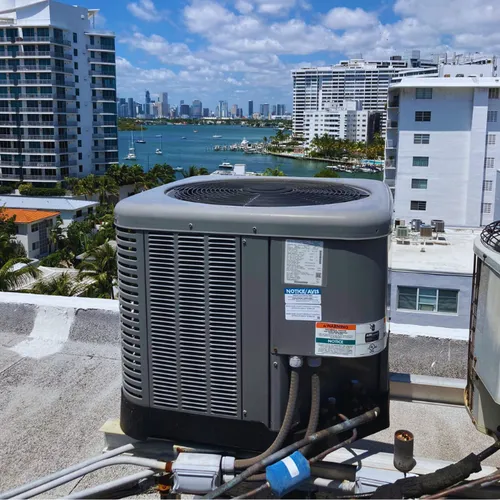
Florida Clean Air Plus
15251 NE 18th Ave Suite #3, North Miami Beach, FL 33162
Florida Clean Air Plus is an HVAC company based in Miami, FL, offering a wide range of heating and cooling services for both residential and commercial clients. Their services include AC repair, installation of new AC and heat pump systems, air duct cleaning, duct sealing, dryer vent cleaning, and thermostat installation. They emphasize improving indoor air quality and energy efficiency through thorough maintenance and cleaning. The company provides 24/7 emergency HVAC service, ensuring support whenever needed. Their certified technicians are experienced in handling all major HVAC brands and models, delivering precise installations and repairs with transparent, upfront quotes.

Air Zone Mechanical
16600 NW 54th Ave Unit 3, Miami Lakes, FL 33014
Air Zone Mechanical is an air conditioning and indoor air quality company serving Miami, FL. With over 25 years of experience, they provide services including AC repair, installation, mini split installation, duct cleaning, thermostat installation, and air purification. The company offers 24/7 emergency service and employs bilingual technicians to better serve the community. They handle both residential and commercial projects using the latest technology to ensure effective and timely solutions.
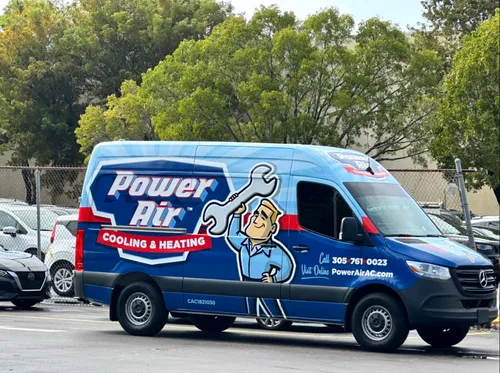
Power Air Cooling & Heating, LLC
901 NE 172nd St, Miami, FL 33162
Power Air Cooling & Heating, LLC is an HVAC service company based in Miami, FL, offering air conditioning repair, installation, maintenance, and indoor air quality services. Serving Miami-Dade, Broward, and surrounding areas, they provide comprehensive HVAC solutions including system diagnostics and custom filter options. With over 15 years of experience, this family-owned business combines traditional values with modern technology to deliver dependable service and clear communication.
Island Breeze Air Conditioning, LLC
6831 SW 44th St APT 109, Miami, FL 33155
Island Breeze Air Conditioning, LLC is an HVAC company serving Miami, FL, specializing in heating and air conditioning system installation, repair, and maintenance. Their services include air conditioner, furnace, heat pump, and mini split system installation and repair, as well as thermostat installation and indoor air quality improvements. They offer 24/7 emergency repair services and provide service agreements for regular maintenance to extend system life and ensure reliable performance. The company also supplies a range of products such as air cleaners, humidifiers, UV lights, and zoning systems to enhance indoor environments.
Doctor Air Hvac Corp
4850 nw 4 terrace 7440 n kendall drive miami fl 33156 1003 sw 142nd pl miami fl 33184, 4850 NW 4th Terrace, Miami, FL 33126
Doctor Air HVAC Corp is an HVAC company based in Miami, FL, providing a full range of heating and air conditioning services. They offer AC and furnace installation, repair, maintenance, air duct cleaning, and indoor air quality solutions for residential and commercial clients. The company serves Miami and surrounding areas including Dania Beach, Pembroke Pines, Hollywood, and more. Doctor Air HVAC Corp is equipped to handle all major HVAC brands and provides 24/7 emergency services to address urgent system issues. Their technicians are certified and experienced in delivering reliable HVAC solutions.
Why Indoor Air Quality Matters in Cutler Bay
The air inside our homes and offices can be significantly more polluted than the outdoor air, and in a climate like Cutler Bay's, several factors converge to create a perfect storm for poor IAQ. We spend up to 90% of our time indoors, making the quality of that air a direct contributor to our daily well-being, productivity, and long-term health 1. For residents with allergies, asthma, or other respiratory conditions, managing indoor pollutants isn't just about comfort-it's a health necessity. Furthermore, good air quality protects the integrity of your property by preventing moisture damage and mold growth that can compromise building materials.
Common Indoor Air Pollutants in Cutler Bay Homes
The unique environmental conditions in South Florida mean certain contaminants are more prevalent. Here are the most common offenders affecting indoor environmental quality in the area:
Mold and Mildew
This is arguably the most widespread issue. Florida's high humidity levels, especially during the long rainy season, create an ideal breeding ground for mold and mildew. When indoor relative humidity consistently stays above 60%, spores that are always present in the air can settle and grow on walls, in ducts, under carpets, and in attics. This growth can cause allergic reactions, asthma attacks, and other respiratory problems.
Allergens: Pollen and Pet Dander
Cutler Bay's lush vegetation means pollen is abundant. In tightly sealed, air-conditioned homes, these allergens, along with pet dander, are easily trapped. They continuously circulate through your HVAC system, triggering allergies year-round for sensitive individuals.
Volatile Organic Compounds (VOCs)
These are gases emitted from a wide array of household products and materials. Sources include cleaning supplies, paints, varnishes, building materials (like plywood or insulation), and even new furniture and carpets. In homes that are sealed for energy efficiency with minimal fresh air ventilation, these chemicals can accumulate to levels that cause headaches, eye and throat irritation, and long-term health concerns.
Radon and Carbon Monoxide
While often overlooked in Florida, radon-a colorless, odorless radioactive gas-is a recognized concern. It can seep into homes from the ground through cracks in the foundation. The Florida Department of Health recommends testing for radon. Carbon monoxide is another dangerous, odorless gas produced by fuel-burning appliances like furnaces, water heaters, and stoves, or from vehicles in attached garages.
Inadequate Ventilation
Our reliance on constant air conditioning reduces the natural exchange of indoor and outdoor air. While this keeps us cool, it also means pollutants generated indoors have no way to escape, allowing them to build up to concerning concentrations over time.
How Professionals Assess Your Indoor Air
When concerns arise, a professional indoor air quality assessment is the most reliable way to identify specific problems and their sources. These experts use a systematic approach.
Initial Inspection: The process typically begins with a thorough visual inspection of the property, including the HVAC system, crawl spaces, attic, and areas with signs of moisture or water damage.
Air and Surface Sampling: Professionals collect air samples to measure the concentration of mold spores, pollen, and other particulates. They may also take surface samples (swabs or tape lifts) from suspicious areas to identify specific mold species 2. For other contaminants, they might use specialized canisters to capture air for VOC analysis or deploy radon testing devices that remain in the home for several days.
Advanced Equipment: Beyond sampling, technicians use tools like laser particle counters to measure the number and size of particles in the air, hygrometers to assess humidity levels, and infrared cameras to detect hidden moisture within walls and ceilings that could lead to mold 3 4.
Laboratory Analysis: The true power of professional testing lies in the laboratory. Samples are sent to accredited, independent labs that provide detailed reports identifying exactly what contaminants are present and at what levels 5 6. This data is critical for developing an effective remediation plan.
Solutions for Cleaner, Healthier Air
Once the specific issues are identified, a range of solutions can be implemented to improve your home's air quality.
Source Control
The most effective strategy is to eliminate or reduce the source of the pollution. This can include:
- Fixing plumbing leaks and roof leaks immediately.
- Ensuring proper drainage around your home's foundation.
- Using low-VOC paints, adhesives, and cleaning products.
- Sealing foundation cracks to mitigate radon entry.
- Regularly grooming pets and using HEPA-filtered vacuums.
Ventilation Improvements
Increasing the amount of fresh outdoor air coming in dilutes indoor pollutants.
- Energy Recovery Ventilators (ERVs): Ideal for humid climates like Cutler Bay, ERVs bring in fresh air while simultaneously exhausting stale indoor air. They transfer humidity and temperature from one airstream to the other, helping to control indoor humidity without overworking your AC.
- Bathroom and Kitchen Exhaust Fans: Always use exhaust fans that vent outside (not into the attic) when cooking or showering to remove moisture and pollutants at the source.
- Opening Windows: When outdoor pollen counts are low and humidity is manageable, periodically opening windows can help flush out stale air.
Air Cleaning and Filtration
For pollutants that can't be eliminated at the source, filtration is key.
- High-Efficiency HVAC Filters: Upgrade the filter in your central air system to a minimum MERV 13 rating to capture a high percentage of fine particles, including mold spores and allergens 7. Change filters regularly.
- Stand-Alone Air Purifiers: Portable units with True HEPA filters can be highly effective in individual bedrooms or living areas, especially for removing allergens and fine particles.
- Ultraviolet (UV) Lights: Installed within your HVAC ductwork, UV-C lights can help kill mold spores, bacteria, and viruses that circulate through the system, preventing them from being distributed throughout your home.
Humidity Control
Managing moisture is the single most important thing you can do for IAQ in Cutler Bay.
- Properly Sized AC Unit: An air conditioner that is correctly sized for your home is its primary dehumidifier. An oversized unit will cool the air quickly but shut off before removing adequate moisture.
- Stand-Alone Dehumidifiers: For particularly damp areas like basements, or for whole-home control, a dehumidifier can maintain indoor relative humidity in the ideal 45% to 60% range, making it impossible for mold to grow 8 9.
Find the perfect indoor air quality service providers for your needs
Get personalized recommendations and expert advice
Understanding the Costs of IAQ Testing and Improvement
Investing in your indoor air quality involves various services, with costs depending on your home's size, the type of testing, and the extent of the problems found. Here's a general overview of what you might expect:
- Professional Whole-Home Air Quality Test: A comprehensive assessment typically ranges from $300 to over $1,000, depending on the number of contaminants tested for and the size of the property 10.
- Targeted Testing: Specific tests have their own ranges. Mold inspection and testing often falls between $300 and $1,000. Radon testing costs $150 to $800, while VOC or asbestos testing can range from $200 to $800 depending on the number of samples taken.
- Remediation and Mitigation: If problems are found, addressing them is an additional cost. Mold remediation can range from $1,200 to $3,800 or more based on the affected area. Radon mitigation system installation averages $800 to $1,300.
- Preventive Maintenance: An annual HVAC maintenance plan, which is crucial for ensuring your system properly controls humidity and circulates clean air, can cost around $499 11.
While DIY test kits are available for $15 to $150, they often lack the accuracy and comprehensive analysis of professional testing. For a true understanding of your air quality and actionable guidance, professional assessment is strongly recommended 12 13.
Maintaining Good Indoor Air Quality
Improving your air isn't a one-time event; it requires ongoing vigilance.
- Schedule Annual HVAC Maintenance: Have a professional service your air conditioning system before the start of the hot season to ensure it is cooling and dehumidifying efficiently.
- Monitor Humidity: Place a simple hygrometer in your home to keep an eye on relative humidity levels and use your AC or dehumidifier to keep it below 60%.
- Change Filters Regularly: Mark your calendar to change your HVAC air filter every 1-3 months, more often during peak allergy season or if you have pets.
- Clean Smart: Use a vacuum with a HEPA filter and damp-mop floors regularly to reduce settled dust and allergens. Address spills and condensation promptly.
Frequently asked questions
Sources
Footnotes
-
FCS3275/FY1044: Energy Efficient Homes: Indoor Air Quality ... - https://edis.ifas.ufl.edu/publication/FY1044 ↩
-
Indoor Air Quality Testing Miami | Florida Inspections Unlimited - https://www.homeinspectionsmiamifl.com/services/indoor-air-quality-testing-miami/ ↩
-
2022 Program Topics - Air Sensors International Conference - https://asic.aqrc.ucdavis.edu/2022-program-topics ↩
-
Indoor Air Quality Testing Services in South Florida | Miami Mold - https://miamimoldspecialists.com/indoor-air-quality-testing-services-in-south-florida/ ↩
-
Environmental Testing Miami FL | AirMD Lab - https://airmd.com/areas-served/florida/miami/ ↩
-
Clean Air Miami - https://www.google.com/viewer/place?mid=/g/11fwc0pnnk ↩
-
Cutler Bay, FL Indoor Air Quality: Air On Demand Solutions - https://www.airondemand.com/indoor-air-quality/indoor-air-quality ↩
-
Squeaky Clean Squad Tackles Florida's Indoor Air Crisis as ... - https://www.ldnews.com/press-release/story/539713/squeaky-clean-squad-tackles-floridas-indoor-air-crisis-as-humidity-and-mold-concerns-peak-in-2025/ ↩
-
What is Indoor Air Quality (IAQ) for Florida Homes? - https://www.gpiservices.com/2025/11/30/florida-indoor-air-quality-testing/ ↩
-
How Much Does Indoor Air Quality Testing Cost? [2025 Data] - https://www.homeadvisor.com/cost/environmental-safety/test-indoor-air-quality/ ↩
-
Best HVAC Maintenance Service Plans in Cutler Bay FL - https://hvac.filterbuy.com/service-areas/florida/cutler-bay/annual-preventative-ac-maintenance-service-care-plans/ ↩
-
How Much Does Indoor Air Quality Testing Cost? [2026 Data] | Angi - https://www.angi.com/articles/how-much-does-indoor-air-quality-testing-cost.htm ↩
-
Indoor Air Quality - Florida Department of Health - https://www.floridahealth.gov/community-environmental-public-health/environmental-public-health/air-quality/ ↩