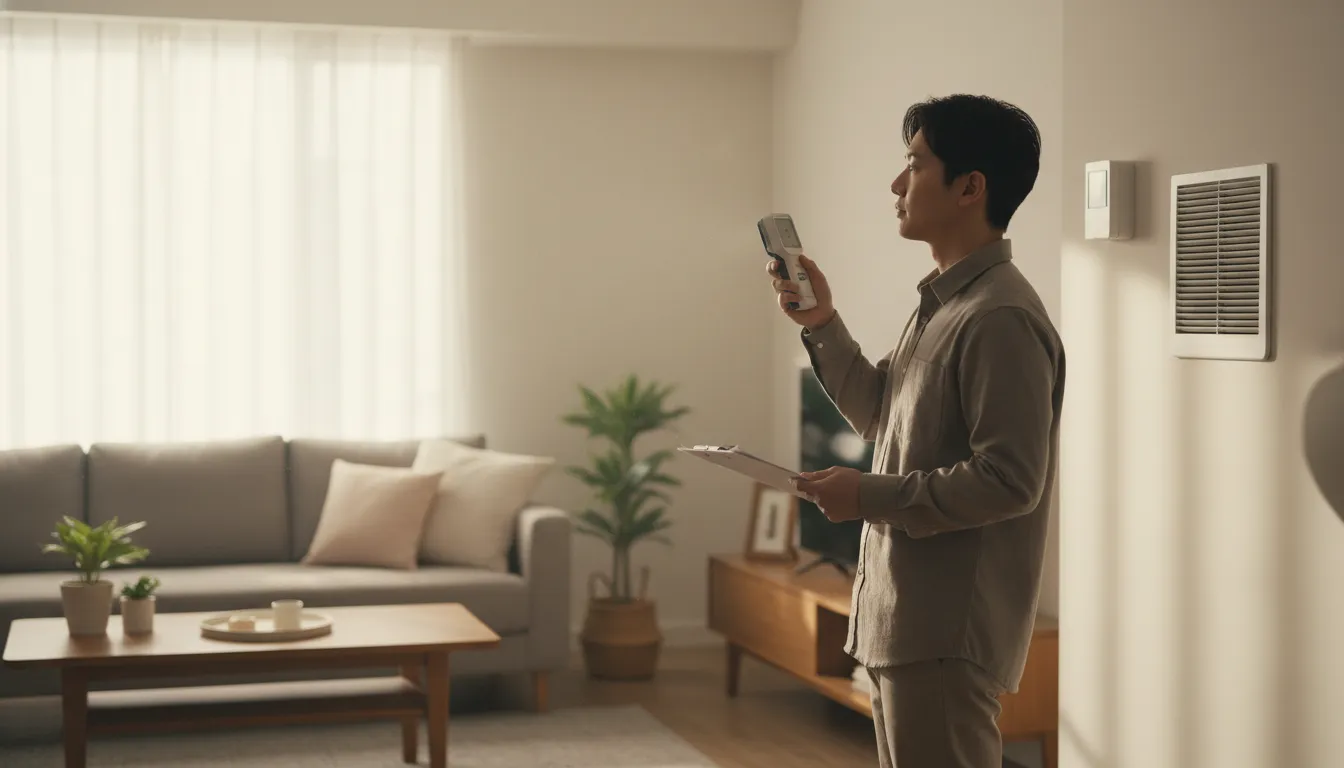
Find the Best Indoor Air Quality Service Providers for Your Business
No obligation • Fast responses • Nationwide coverage

Why you can trust HVAC Firms
HVAC Firms is a leading United States resource for evaluating HVAC service providers. Our team researches companies, checks credentials, and reviews customer feedback to present clear, unbiased information. Listings and rankings are based on merit, and companies cannot pay to change our editorial content.
Search providers near you
Top Indoor Air Quality Service Providers in Clearwater, Florida Ranked
Living in Clearwater means enjoying beautiful beaches and sunshine, but the same climate that draws people here can create challenges for the air inside your home. Indoor air quality (IAQ) refers to the condition of the air within and around buildings, especially as it relates to the health and comfort of occupants. In our humid environment, indoor air can often be 2-5 times more polluted than outdoor air, leading to concerns like musty odors, respiratory irritation, and allergy flare-ups. This guide is designed to help you understand the unique air quality challenges in Clearwater, identify common pollutants, and connect with local expertise to create a healthier, more comfortable living space.
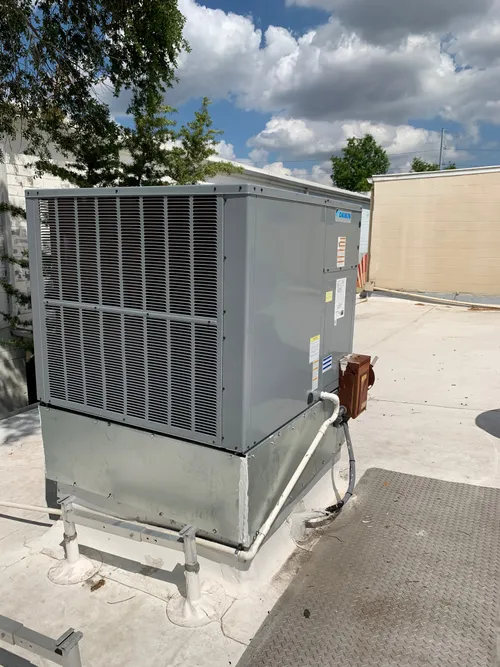
Fontana Brothers Heating & Air Conditioning
5438 W Crenshaw St, Tampa, FL 33634
Fontana Brothers Heating & Air Conditioning is a residential HVAC company based in Tampa, FL. With over 20 years of combined experience among its managing partners, the company offers services including air conditioning repair and installation, HVAC tune-ups, duct cleaning, and indoor air quality solutions. They specialize in duct installations and repairs to optimize air distribution and efficiency, and provide clean air solutions such as duct sanitizing and sterilization to protect against mold and microorganisms. The company also offers attic insulation services to improve home energy efficiency. Fontana Brothers is licensed and bonded to handle a wide range of residential air conditioning needs.
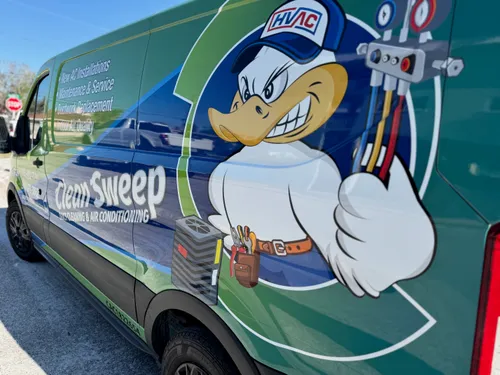
Clean Sweep Duct Cleaning & Air Conditioning
St Petersburg, FL
Clean Sweep Duct Cleaning & Air Conditioning is a locally owned business based in St Petersburg, FL, providing HVAC installation and duct cleaning services. They serve residential and commercial clients across Sarasota, Manatee, Pinellas, and Hillsborough counties. The company specializes in improving indoor air quality through thorough duct cleaning and offers professional HVAC system installation to enhance comfort and efficiency. Established in 2011, Clean Sweep brings over a decade of experience and is led by a licensed HVAC professional with extensive expertise in the field.

One Way Air
9633 Palm River Rd, Tampa, FL 33619
One Way Air is an air conditioning and indoor air quality service provider based in Tampa, FL. They offer a full range of HVAC services including AC repair, installation, maintenance, duct cleaning, air purification, and duct sealing. Serving the Tampa Bay area, including St. Petersburg and Clearwater, they provide residential and commercial solutions with a focus on improving indoor air quality and system efficiency. One Way Air has been serving the region for over ten years and offers 24/7 emergency repair services to address urgent HVAC needs.
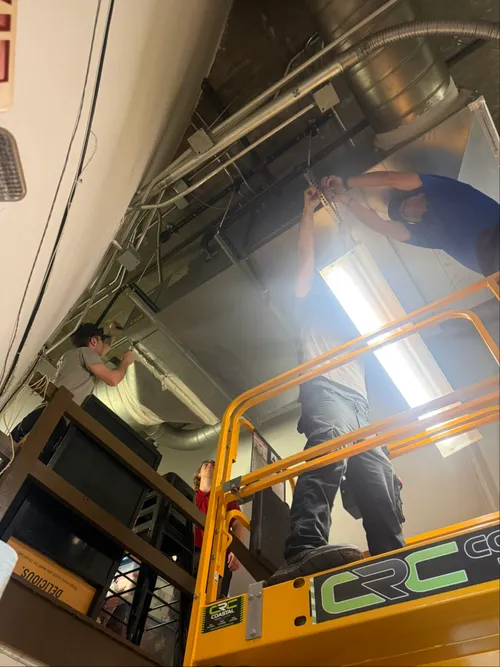
L&R Air Conditioning and Refrigeration Inc
1030 Chelsea Ln, Holiday, FL 34691
L&R Air Conditioning and Refrigeration Inc is a family-owned HVAC company serving Tampa, FL, and surrounding counties including Pasco, Hillsborough, and Pinellas. They provide a wide range of services such as air conditioning, heating, ventilation, refrigeration repair and installation, duct cleaning, and indoor air quality evaluation. The company is equipped to handle commercial refrigeration needs and offers specialized services like ductless split system installation and programmable thermostat setup. They are available 24/7 for emergency service and emphasize repair over replacement when possible to provide clear options to customers.
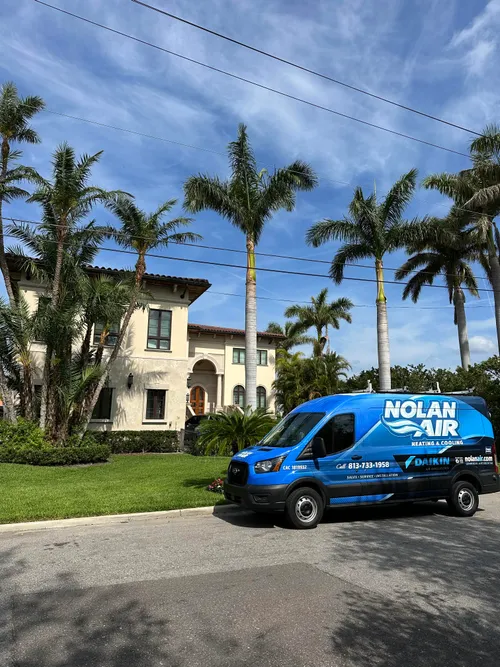
Nolan Air Heating & Cooling
5008 W Linebaugh Ave Unit 40, Tampa, FL 33624
Nolan Air Heating & Cooling is an HVAC company based in Tampa, FL, providing AC repair, furnace repair, installation, and indoor air quality services. They offer a range of services from routine maintenance to full system replacements, serving the Tampa Bay area. With over 25 years of experience, Nolan Air employs licensed technicians to deliver expert HVAC solutions. The company also provides 24/7 AC repair service subject to availability.
Why Clearwater's Climate Demands Attention to Indoor Air
The Tampa Bay area's high humidity is the single biggest factor influencing your home's environment. When relative humidity consistently stays above 60%, it creates an ideal breeding ground for biological pollutants. This isn't just about comfort; it's about the structural integrity of your home and the health of everyone inside. Energy-efficient, tightly sealed homes-common in newer constructions-trap these humid conditions and pollutants indoors, making proper ventilation and humidity control not just beneficial, but essential 1.
Common Indoor Air Pollutants in Clearwater Homes
Understanding what you're up against is the first step toward improvement. Here are the most prevalent contaminants found in local residences:
- Mold and Mildew: Spores are everywhere, but our humidity gives them the moisture they need to colonize. Common problem areas include attics, crawl spaces, around leaky windows, and inside HVAC systems, especially if drainage pans are clogged. Storm-related flood damage can also trigger significant mold growth 2.
- Dust Mites and Allergens: These microscopic creatures thrive in humid conditions, feeding on dead skin cells. Their waste particles are a major trigger for allergies and asthma. Combined with pollen that gets tracked inside, they form a significant portion of indoor particulate matter.
- Volatile Organic Compounds (VOCs): These are gases emitted from a wide array of household products, including cleaning supplies, aerosols, paints, varnishes, new furniture, and certain types of flooring. In a poorly ventilated home, VOC concentrations can build up to levels that cause headaches, dizziness, and long-term health concerns.
- Particulate Matter (PM2.5): This includes fine dust, pet dander, smoke, and other particles small enough to be inhaled deep into the lungs. Without proper filtration, these particles continuously recirculate through your living space.
- Combustion Pollutants: Homes with gas stoves, water heaters, or furnaces can have elevated levels of carbon monoxide and nitrogen dioxide. Ensuring these appliances are properly vented and maintained is critical for safety.
- Biological Contaminants: Beyond mold, bacteria and viruses can linger in the air and on surfaces. A poorly maintained air conditioning system can become a reservoir and distribution point for these pathogens.
How to Assess Your Home's Air Quality
You don't have to guess about the air you breathe. There are two primary ways to evaluate your indoor environment.
Professional IAQ Assessment: For a comprehensive analysis, local specialists offer detailed inspections. A standard professional assessment in Clearwater typically includes a thorough walkthrough, visual inspection for moisture and mold, and checks of your HVAC system. More advanced inspections may use thermal imaging cameras to find hidden damp spots and take air or surface samples for laboratory analysis to identify specific types of mold, VOC levels, or even asbestos 3 4 5. These inspections generally range from $350 to $500 or more, depending on the home's size and tests performed, with individual mold or air samples costing around $65 each 6.
DIY Monitoring with Smart Devices: For ongoing awareness, consumer-grade air quality monitors are excellent tools. Devices like the Airthings View Plus or various Temtop models can provide real-time data on key metrics right on your smartphone 7. The most important parameters to track in Clearwater are:
- Relative Humidity: Aim to keep it below 50-55% to inhibit mold and dust mites.
- CO2 Levels: High CO2 is a direct indicator of inadequate ventilation and "stale" air.
- VOC Levels: Monitors can alert you to spikes from cleaning, cooking, or new furnishings.
- PM2.5: Tracks the level of fine particulates from dust, cooking, and outdoor sources. These monitors are a valuable investment for proactive homeowners, with capable models available from $50 to over $300 8 9.
Find the perfect indoor air quality service providers for your needs
Get personalized recommendations and expert advice
Effective Strategies for Cleaner Indoor Air
Improving your home's air is a multi-faceted approach that involves controlling sources, diluting pollutants, and cleaning the air.
1. Control Humidity at the Source This is your top priority. Use dehumidifiers in chronically damp areas like basements or living rooms. More importantly, ensure your HVAC system is correctly sized and operating efficiently; an oversized unit will cool the air but not run long enough to remove sufficient moisture. Regularly check that the condensate drain line is clear to prevent water backup.
2. Enhance Ventilation Modern homes are built tight, so you must deliberately bring in fresh air. Always use exhaust fans in bathrooms and kitchens when showering or cooking. For a whole-home solution, consider installing an Energy Recovery Ventilator (ERV). An ERV exchanges stale indoor air with fresh outdoor air while transferring humidity and temperature, so you don't lose your cooled, dehumidified air 10.
3. Upgrade Filtration Your HVAC filter is your home's first line of defense. Replace standard 1-inch filters monthly during peak cooling season. For significantly better capture of fine particles, consider upgrading to a high-efficiency (HEPA) filter in a dedicated air purifier for key rooms or investigating a whole-home air filtration system installed in your ductwork 11.
4. Practice Source Control Reduce the number of pollutants you bring inside. Opt for unscented or natural cleaning products, avoid aerosol sprays, and allow new furniture or rugs to off-gas in a well-ventilated space before bringing them into main living areas 12 13.
5. Maintain a Clean Environment Regular cleaning reduces dust and allergens. Use a vacuum cleaner equipped with a HEPA filter. Schedule annual HVAC maintenance (often priced around $69-$100 for a tune-up) to ensure coils are clean and the system is draining properly. Consider having your air ducts inspected and cleaned if there is visible mold growth or excessive dust/debris 14 15.
Investing in Long-Term Solutions
While portable air purifiers and dehumidifiers address symptoms in specific rooms, whole-home solutions provide comprehensive comfort. Integrating UV-C lights inside your HVAC ductwork can help neutralize mold spores, bacteria, and viruses. A professionally installed whole-home dehumidifier or ERV system, while a larger upfront investment, tackles the root cause of Florida's IAQ problems and works seamlessly with your existing air conditioning.
Frequently asked questions
Sources
Footnotes
-
Squeaky Clean Squad Tackles Florida's Indoor Air Crisis as ... - https://www.ldnews.com/press-release/story/539713/squeaky-clean-squad-tackles-floridas-indoor-air-crisis-as-humidity-and-mold-concerns-peak-in-2025/ ↩
-
What Causes Mold Growth in Clearwater, Florida Homes? - https://www.floodprosusa.com/blog/p.250404000/what-causes-mold-growth-in-clearwater-florida-homes/ ↩
-
What is Indoor Air Quality (IAQ) for Florida Homes? - https://www.gpiservices.com/2025/11/30/florida-indoor-air-quality-testing/ ↩
-
Indoor Air Quality Testing St Petersburg FL - https://airmd.com/areas-served/florida/st-petersburg/indoor-air-quality-testing/ ↩
-
Indoor Air Quality and Mold Testing Experts - https://indoorairflorida.com/indoor-air-quality-assessments/ ↩
-
Pricing Packages | Cost of Indoor Air Quality Testing - https://evergreenairquality.com/pricing-packages/ ↩
-
The best air quality monitors we have tested - HouseFresh - https://housefresh.com/air-quality-monitors/ ↩
-
Airthings Wave Plus Indoor Air Quality Monitor - https://www.google.com/search?q=product&prds=pvt:hg,productid:16311341432536872277,catalogid:6447474023514366693,gpcid:6620892780681045840,mid:576462820956330020&ibp=oshop ↩
-
Recommended Indoor Air Quality Monitors | Advanced Sensors - https://temtopus.com/collections/indoor-air-quality-monitor ↩
-
What Are The Major Air Pollutants In My Florida Home? - https://www.delair.com/blog/what-are-the-major-air-pollutants-in-my-fort-myers-home/ ↩
-
Indoor Air Quality in Clearwater, FL - https://clearwateronehour.com/indoor-air-quality/ ↩
-
indoor air quality - https://floridadep.gov/sites/default/files/FGLP_BMP_%20INDOOR_AIR_QUALITY_2020.pdf ↩
-
Indoor Air Quality in Clearwater, FL - https://pcsac.com/services/indoor-air-quality/ ↩
-
Indoor Air Quality Solutions | Clearwater FL - https://www.airwest-ac.com/indoor-air-quality-solutions ↩
-
Indoor Air Quality | Clearwater, FL - Advanced Cooling Systems - https://acs-advancedcooling.com/services/indoor-air-quality/ ↩