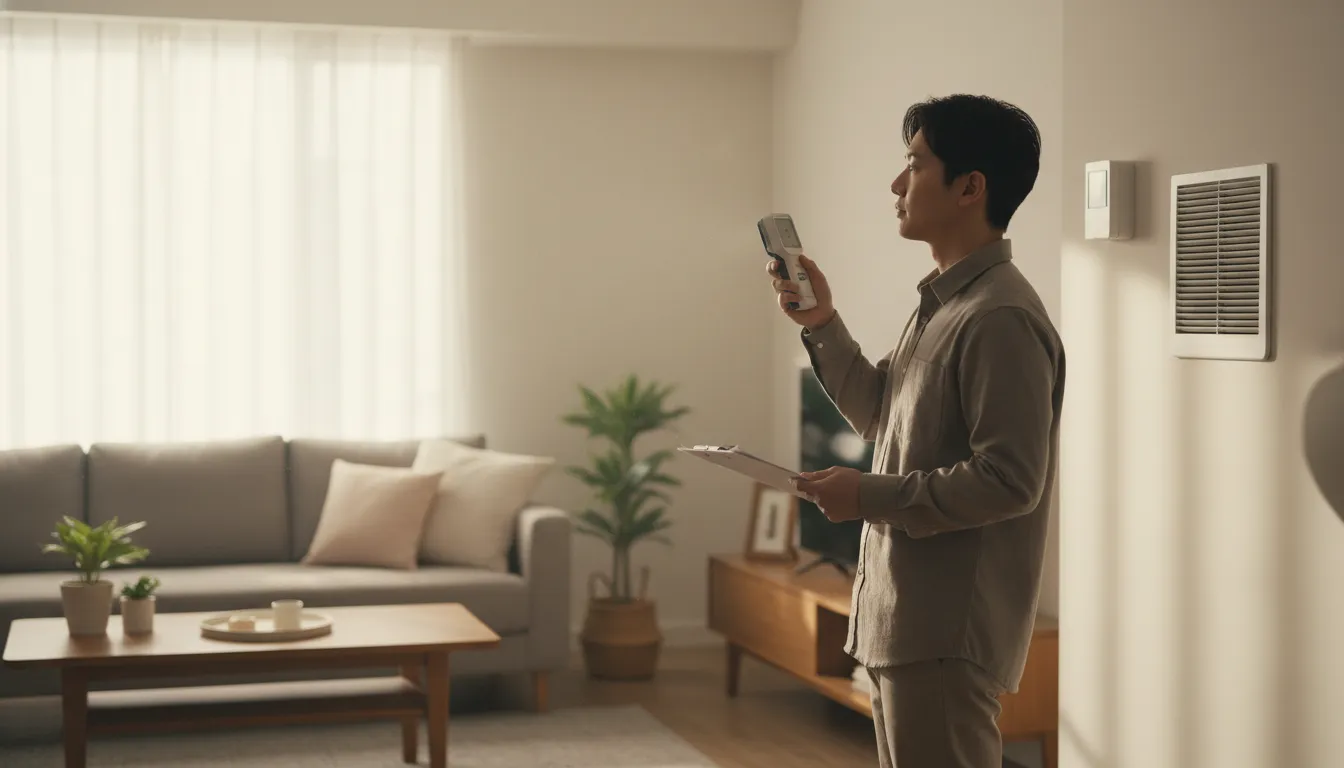
Find the Best Indoor Air Quality Service Providers for Your Business
No obligation • Fast responses • Nationwide coverage

Why you can trust HVAC Firms
HVAC Firms is a leading United States resource for evaluating HVAC service providers. Our team researches companies, checks credentials, and reviews customer feedback to present clear, unbiased information. Listings and rankings are based on merit, and companies cannot pay to change our editorial content.
Search providers near you
Top Indoor Air Quality Service Providers in Stamford, Connecticut Ranked
The air you breathe inside your home or office has a direct impact on your health, comfort, and productivity. In Stamford, common indoor air quality (IAQ) concerns include mold, combustion pollutants, radon, and volatile organic compounds (VOCs), which can be exacerbated by the region's climate and building practices. Understanding and managing your indoor environment is crucial for creating a safe and healthy living or working space. This guide will help you identify common local air quality issues, explore professional testing and remediation options, and connect with qualified specialists who can assess and improve the air in your Stamford property.
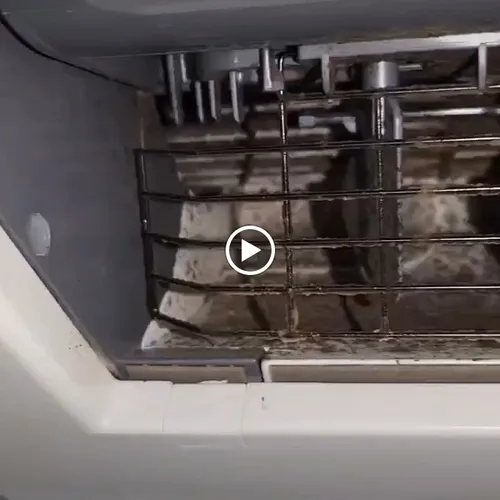
Cool Clean Services
97 Gilmore Blvd, Floral Park, NY 11001
Cool Clean Services is a veteran-owned company based in New York, NY, specializing in ductless mini split cleaning and indoor air quality services. They focus on thorough cleaning and maintenance of ductless mini-split systems for both residential and commercial properties, using EPA-certified products and custom tools designed for this specific work. Their services help remove dust, allergens, odors, and mold to improve air quality and system efficiency. In addition to mini split cleaning, they offer dryer vent cleaning, air duct cleaning, and sanitizing services to support overall indoor air quality. Cool Clean Services is licensed, insured, and BBB A+ rated, serving the New York area with flexible scheduling options.
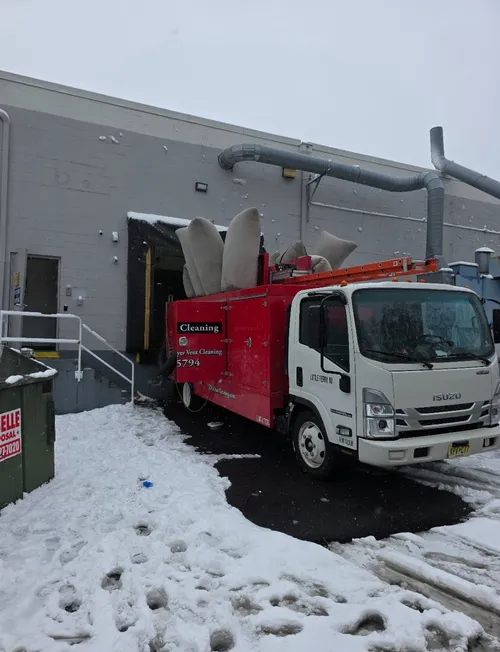
J R Air Duct Cleaning
215 Gates Rd # D, Little Ferry, NJ 07643
J R Air Duct Cleaning is a duct cleaning company serving New York, NY, and nearby North Jersey areas. Since 2011, they have provided residential and commercial air duct, dryer vent, and mini split air conditioner cleaning services. Their work includes thorough cleaning of HVAC system components such as air filters, coils, and registers to improve indoor air quality and system efficiency. They also offer dryer vent repairs and install bird guards to prevent blockages. Additionally, they provide UV light purifier installation to reduce airborne pollutants, benefiting those with allergies or asthma.
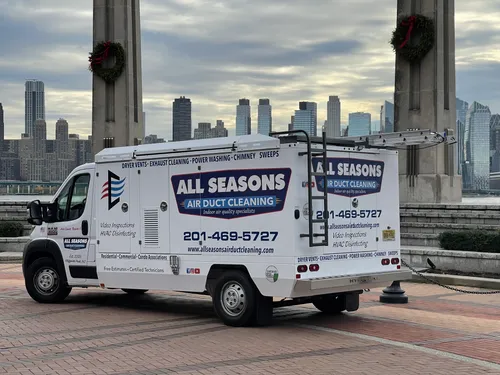
All Seasons Air Duct Cleaning
232 Fulton Terrace, Cliffside Park, NJ 07010
All Seasons Air Duct Cleaning is a NADCA certified company specializing in air duct and dryer vent cleaning. Based near New York, NY, they serve New Jersey areas including Hudson, Bergen, and Essex counties. Their services focus on improving indoor air quality, reducing fire risks, and enhancing HVAC efficiency through professional duct and vent cleaning. With over 20 years of experience, this family-owned business follows industry standards to ensure thorough and reliable service.
AMHAC
365 White Plains Rd, Eastchester, NY 10709
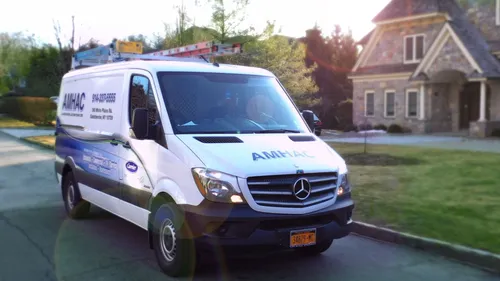
AMHAC is an HVAC company based in New York, NY, offering services including air conditioning repair, furnace repair, AC installation, HVAC tune-ups, and indoor air quality solutions. They serve both residential and commercial clients in New York and nearby areas. With a history dating back to 1949, AMHAC has over 70 years of experience in providing heating and cooling services. Their certified technicians are available for 24/7 emergency service, ensuring support is available at any time.
Omega Duct Cleaning
1334 Murray Hill Rd, Teaneck, NJ 07666
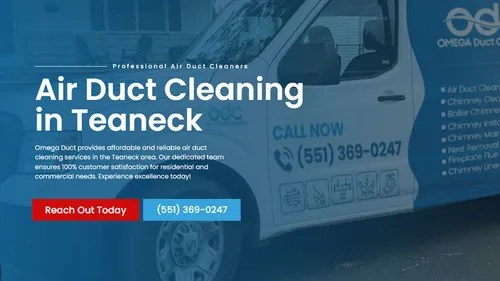
Omega Duct Cleaning is a duct cleaning company based in New York, NY, offering services to improve indoor air quality for both residential and commercial clients. They provide comprehensive air duct cleaning, coil cleaning, dryer vent cleaning, and chimney sweep services. The company uses advanced techniques such as negative pressure, air sweep, and mechanical agitation to thoroughly clean ventilation systems. With over 10 years of experience, Omega Duct Cleaning also offers 24/7 emergency air duct cleaning solutions to address urgent needs.
Why Indoor Air Quality Matters in Stamford
The quality of your indoor air isn't just about comfort-it's a cornerstone of long-term health. We spend up to 90% of our time indoors, where pollutant levels can be two to five times higher than outdoor levels 1. For Stamford residents and business owners, specific local factors make IAQ a pressing issue. The city's mix of older homes, modern tightly-sealed buildings, and its coastal Connecticut climate creates a unique set of challenges. Poor indoor environmental quality can lead to immediate effects like headaches, dizziness, fatigue, and irritation of the eyes, nose, and throat, as well as long-term risks such as respiratory diseases, heart disease, and even cancer 2. Addressing these invisible threats begins with awareness of the most common culprits in our area.
Common Indoor Air Pollutants in Stamford Homes & Offices
Stamford's environment contributes to several specific indoor air contaminants. Identifying the source is the first critical step toward remediation.
Moisture and Mold Growth
Connecticut's climate, with its potential for frequent storms, snowmelt, and high humidity, makes moisture intrusion a primary concern. Leaks from roofs, basements, windows, or plumbing provide the perfect environment for mold growth. Mold spores can trigger allergic reactions, asthma attacks, and other respiratory issues. Preventing mold starts with controlling moisture through proper ventilation, dehumidification, and promptly repairing any water leaks 3.
Combustion Pollutants
These dangerous gases and particles come from burning fuels. Sources in Stamford homes include improperly vented gas stoves, furnaces, water heaters, wood-burning stoves, fireplaces, and even cars idling in attached garages. Key pollutants include:
- Carbon Monoxide (CO): A colorless, odorless gas that can be fatal at high levels.
- Nitrogen Dioxide (NO₂): Can irritate the airways and aggravate respiratory diseases.
- Fine Particulate Matter (PM2.5): Tiny particles that can penetrate deep into the lungs and bloodstream 4.
Ensuring combustion appliances are properly installed, vented, and maintained is essential for safety.
Radon Gas
Radon is a naturally occurring, radioactive gas that seeps from the ground into buildings through cracks in foundations, floors, and walls. It is the second leading cause of lung cancer in the United States and is a documented concern throughout Connecticut. Testing for radon is the only way to know if your Stamford home or office has elevated levels, as it is undetectable by human senses 5.
Volatile Organic Compounds (VOCs)
These are chemicals that evaporate (off-gas) at room temperature from a vast array of common products. Sources include paints, varnishes, cleaning supplies, disinfectants, air fresheners, new furniture, carpets, adhesives, and even cosmetics. In tightly sealed, energy-efficient buildings common today, VOCs can accumulate to levels that cause headaches, nausea, and damage to the liver, kidneys, or central nervous system 6.
Outdoor Air Intrusion
Stamford's air isn't isolated. Pollutants from outside can easily infiltrate indoors. This is particularly relevant for neighborhoods near major transportation corridors or industrial areas, such as Stamford's South End and West Side. During events like regional wildfires or high-ozone days, outdoor levels of PM2.5 and ozone (O₃) can spike, directly impacting indoor air quality if not properly filtered.
How to Test Your Indoor Air in Stamford
You can't manage what you don't measure. Determining the specific pollutants in your space requires testing. Options range from DIY kits to comprehensive professional assessments.
Professional IAQ Inspection and Testing
For a definitive analysis, hiring a certified environmental consultant or microbial investigator is recommended. Companies like RTK Environmental Group or Green Home Solutions serve the Stamford area. A professional inspection typically involves:
- Visual Assessment: A thorough walk-through to identify potential moisture sources, ventilation issues, and pollutant pathways.
- Air and Surface Sampling: Using specialized equipment to collect air samples for mold spores, VOCs, or other contaminants, and surface samples (e.g., tape lifts or swabs) for mold.
- Laboratory Analysis: Samples are sent to an accredited third-party lab for precise identification and quantification of pollutants, such as specific mold types or VOC concentrations 7 8.
- Detailed Report: You receive a formal report explaining the findings, their implications, and recommended next steps for remediation.
The cost for a basic residential IAQ test in Stamford typically ranges from $300 to $500, while testing for specific pollutants like mold can cost between $300 and $1,000, and VOC testing runs about $200 to $400 per sample 9. Commercial inspections are more comprehensive and can range from $900 to over $2,000 10.
Do-It-Yourself (DIY) Testing Kits
Homeowners can purchase test kits for specific concerns like radon or mold at hardware stores or online. These kits usually involve collecting a sample (air or surface) and mailing it to a lab for analysis. While more affordable and convenient, DIY kits have limitations. They often test for only one pollutant, and without professional guidance, you may misinterpret the results or sample the wrong location. They are a good starting point for a specific, known concern but are not a substitute for a whole-home assessment when health symptoms are present or the source is unknown 11.
Continuous Air Quality Monitoring
For ongoing awareness, consider a continuous air quality monitor. These consumer-grade devices track real-time levels of key metrics like PM2.5, carbon dioxide (CO₂), VOCs, humidity, and temperature. They can alert you to deteriorating conditions, helping you decide when to increase ventilation or use an air purifier. On a city-wide scale, Stamford has developed plans for an enhanced outdoor air quality monitoring program in certain areas to better understand and mitigate community-level exposure 12.
Find the perfect indoor air quality service providers for your needs
Get personalized recommendations and expert advice
Solutions for Improving Indoor Air Quality
Once testing identifies the problems, a range of solutions can help you achieve cleaner, healthier air.
Source Control
The most effective way to improve IAQ is to eliminate or reduce the sources of pollution.
- Moisture & Mold: Fix leaks immediately. Ensure proper grading around your foundation to direct water away. Use dehumidifiers in damp basements. Consider professional mold remediation, which in Stamford averages between $1,200 and $3,800, followed by addressing the underlying moisture issue 13 14.
- Radon: If testing reveals elevated levels (4 pCi/L or higher), a radon mitigation system should be installed. This typically involves installing a vent pipe and fan to draw radon from beneath the building and exhaust it outside. The average cost for radon mitigation in our area is $800 to $1,300 15.
- VOCs: Choose low-VOC or VOC-free paints, cleaners, and building materials. Increase ventilation heavily when using products that emit VOCs. Allow new furniture to off-gas in a well-ventilated space before bringing it indoors.
Ventilation Improvements
Increasing the amount of outdoor air coming indoors helps dilute and remove pollutants.
- Natural Ventilation: Open windows and doors when weather and outdoor air quality permit.
- Mechanical Ventilation: Ensure your HVAC system is properly balanced. Consider installing energy recovery ventilators (ERVs) or heat recovery ventilators (HRVs) that bring in fresh, filtered outdoor air while exhausting stale indoor air, with minimal energy loss. Sealing leaky ductwork is also a critical and cost-effective step to improve system efficiency and prevent pollutant distribution 16 17.
Air Cleaning and Filtration
Air purifiers can remove particles and some gases from the air, but they are a supplement to, not a replacement for, source control and ventilation.
- Portable Air Purifiers: Effective for single rooms. Look for units with HEPA filters for particles and activated carbon filters for gases and odors.
- Whole-Home Air Cleaners: Installed directly into your central HVAC system, these devices (like media air cleaners or electronic air cleaners) clean the air throughout your entire house as it circulates. They are an excellent solution for managing dust, pollen, pet dander, and other particulates.
Maintaining Healthy Indoor Air
Good IAQ is an ongoing process. Regular maintenance of your home systems is key:
- HVAC Maintenance: Change furnace and AC filters regularly (every 1-3 months). Have your entire system inspected and cleaned by a professional annually.
- Monitor Humidity: Keep indoor relative humidity between 30% and 50% to discourage mold growth and dust mites.
- Clean Smartly: Use a vacuum with a HEPA filter, damp-dust surfaces, and minimize clutter where dust can accumulate.
- Be Mindful of Activities: Use exhaust fans in kitchens and bathrooms. Avoid idling cars in attached garages. Store chemicals and paints in well-ventilated areas or sheds.
Frequently asked questions
Sources
Footnotes
-
Study Reveals Home Indoor Air Quality Is Worse Than Office - https://rtkenvironmental.com/indoor-air-quality-radon/study-reveals-home-indoor-air-quality-is-worse-than-office/ ↩
-
IAQ Guide/E_2e_r - https://www.ccohs.ca/products/publications/pdf/samples/iaq.pdf ↩
-
Stamford News - https://www.stamfordct.gov/Home/Components/News/News/1793/ ↩
-
IEQ NEWS - CT.gov - https://portal.ct.gov/-/media/Departments-and-Agencies/DPH/dph/environmental_health/eoha/pdf/IEQNEWSWinter09finalpdf.pdf ↩
-
FACT SHEET Should I Test My Indoor Air? - CT.gov - https://portal.ct.gov/-/media/dph/ieq/should-i-test-my-indoor-air---fact-sheet---january-2024---new-logo.pdf?rev=80254f1f4fcd40daba2650c6187187c4&hash=B82995C8B854FC2CE253239F439CC097 ↩
-
Enhanced Air Quality Monitoring in Stamford's South End and West ... - http://www.boardofreps.org/Data/Sites/43/userfiles/committees/fiscal/items/2023/f31228_narrative.pdf?ref=coastalconnecticuttimes.com ↩
-
Indoor Air Quality Testing, VOC Testing | NY, CT, NJ - https://rtkenvironmental.com/services/iaq-radon/how-safe-is-the-air-inside-your-home/ ↩
-
Indoor Air Quality Testing - Green Home Solutions - https://www.greenhomesolutions.com/stamford-ct/our-services/air-quality-testing/ ↩
-
How Much Does Indoor Air Quality Testing Cost? [2026 Data] - https://www.angi.com/articles/how-much-does-indoor-air-quality-testing-cost.htm ↩
-
How Much Does Indoor Air Quality Testing Cost? [2025 Data] - https://www.homeadvisor.com/cost/environmental-safety/test-indoor-air-quality/ ↩
-
Home Air Quality Testing: The Complete Guide - https://www.protoolreviews.com/home-air-quality-testing-the-complete-guide/ ↩
-
Enhanced Air Quality Monitoring in Stamford's South End and ... - http://www.boardofreps.org/Data/Sites/43/userfiles/committees/fiscal/items/2023/f31228_narrative.pdf?ref=coastalconnecticuttimes.com ↩
-
Indoor Air Quality Concerns - Dr. Energy Saver Connecticut - https://www.ctdrenergysaver.com/indoor-air-quality/indoor-air-quality-concerns.html ↩
-
How Much Does a Home Indoor Air Quality Test Cost? Key Analyses - https://skycleanair.com/how-much-does-a-home-indoor-air-quality-test-cost/ ↩
-
How Much Does An Indoor Air Quality Test Cost? - https://www.cleanairsciences.com/indoor-air-quality-cost/ ↩
-
Indoor Air Quality - Dr. Energy Saver Connecticut - https://www.ctdrenergysaver.com/indoor-air-quality.html ↩
-
Making the Most Out of an Indoor Environmental Quality Assessment - https://www.energy.gov/sites/default/files/2024-07/femp-indoor-environmental-quality-assessment.pdf ↩