Find the Best Indoor Air Quality Service Providers for Your Business
No obligation • Fast responses • Nationwide coverage

Why you can trust HVAC Firms
HVAC Firms is a leading United States resource for evaluating HVAC service providers. Our team researches companies, checks credentials, and reviews customer feedback to present clear, unbiased information. Listings and rankings are based on merit, and companies cannot pay to change our editorial content.
Search providers near you
Top Indoor Air Quality Service Providers in Greenwich, Connecticut Ranked
The air you breathe inside your home or office has a direct impact on your health, comfort, and productivity. In Greenwich, managing indoor air quality (IAQ) is a critical concern due to the area's climate and mix of historic and modern buildings. This guide explains the common pollutants found in local properties, outlines testing and remediation options, and provides a resource to connect with certified professionals who can assess and improve your indoor environment.
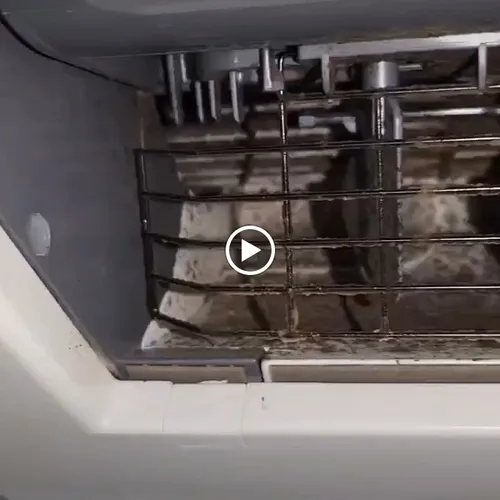
Cool Clean Services
97 Gilmore Blvd, Floral Park, NY 11001
Cool Clean Services is a veteran-owned company based in New York, NY, specializing in ductless mini split cleaning and indoor air quality services. They focus on thorough cleaning and maintenance of ductless mini-split systems for both residential and commercial properties, using EPA-certified products and custom tools designed for this specific work. Their services help remove dust, allergens, odors, and mold to improve air quality and system efficiency. In addition to mini split cleaning, they offer dryer vent cleaning, air duct cleaning, and sanitizing services to support overall indoor air quality. Cool Clean Services is licensed, insured, and BBB A+ rated, serving the New York area with flexible scheduling options.
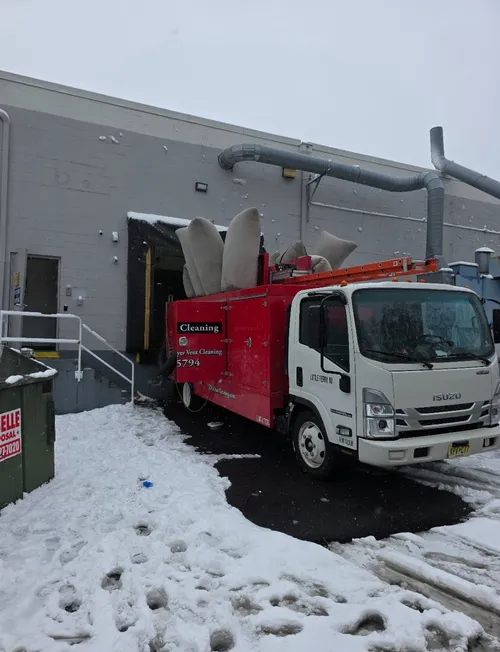
J R Air Duct Cleaning
215 Gates Rd # D, Little Ferry, NJ 07643
J R Air Duct Cleaning is a duct cleaning company serving New York, NY, and nearby North Jersey areas. Since 2011, they have provided residential and commercial air duct, dryer vent, and mini split air conditioner cleaning services. Their work includes thorough cleaning of HVAC system components such as air filters, coils, and registers to improve indoor air quality and system efficiency. They also offer dryer vent repairs and install bird guards to prevent blockages. Additionally, they provide UV light purifier installation to reduce airborne pollutants, benefiting those with allergies or asthma.
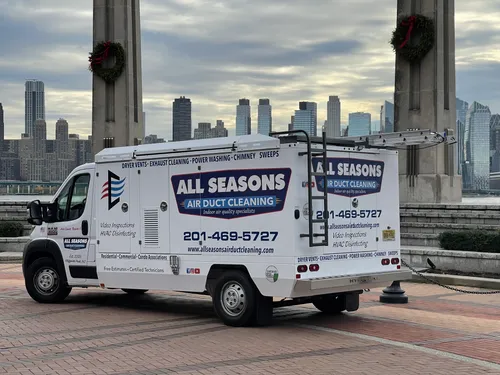
All Seasons Air Duct Cleaning
232 Fulton Terrace, Cliffside Park, NJ 07010
All Seasons Air Duct Cleaning is a NADCA certified company specializing in air duct and dryer vent cleaning. Based near New York, NY, they serve New Jersey areas including Hudson, Bergen, and Essex counties. Their services focus on improving indoor air quality, reducing fire risks, and enhancing HVAC efficiency through professional duct and vent cleaning. With over 20 years of experience, this family-owned business follows industry standards to ensure thorough and reliable service.
The NYC Air Duct Cleaning Company
347 5th Ave Suite 1208, New York, NY 10016
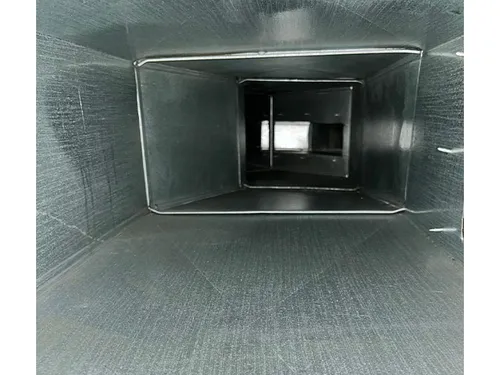
The NYC Air Duct Cleaning Company provides professional air duct cleaning and indoor air quality services in New York, NY. They specialize in removing dust, debris, mold, and allergens from residential and commercial ductwork using modern equipment and thorough inspection processes. Their services include vacuuming, sanitization, mold and mildew removal, and sealing ducts to prevent future buildup. The company serves clients in New York and surrounding areas, aiming to improve indoor air quality through comprehensive duct cleaning and maintenance.
We Clean Heat Pumps – Greater Tri-State Area
257A Sumpter St, Brooklyn, NY 11233
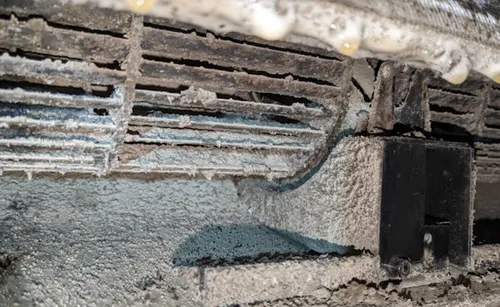
We Clean Heat Pumps - Greater Tri-State Area specializes in professional cleaning and maintenance of mini-split heat pumps, HRV/ERV systems, and PTAC units in New York, NY. Their services focus on removing dirt, mold, and allergens to improve indoor air quality and system efficiency. The company operates with in-house technicians who provide thorough cleaning of all system components to extend equipment life and enhance performance. They serve a broad region including New England and Eastern New York, with dedicated local teams ensuring service tailored to regional climate demands.
Understanding Greenwich's Indoor Air Quality Challenges
Greenwich's unique architectural landscape and New England climate create specific indoor air quality challenges. From centuries-old colonials to new, tightly-sealed constructions, each property type presents different concerns. The humid summers and cold winters can exacerbate moisture issues, while energy-efficient building practices can trap pollutants indoors. Being aware of these local factors is the first step toward creating a healthier indoor space 1.
Moisture and Mold: A Persistent New England Problem
Connecticut's climate, with its significant rainfall and humidity, creates ideal conditions for moisture intrusion. This is especially true in basements, crawl spaces, and around foundations. Persistent dampness doesn't just cause structural damage; it encourages the growth of mold and mildew. Mold spores are a potent allergen and irritant, linked to respiratory issues, coughing, wheezing, and aggravated asthma symptoms 2. Addressing leaks, improving drainage, and controlling humidity are essential first-line defenses against this common pollutant.
Volatile Organic Compounds (VOCs) in Modern Living
While newer, energy-efficient homes in Greenwich excel at keeping conditioned air in, they can also trap pollutants generated indoors. Volatile Organic Compounds (VOCs) are gases emitted from a wide array of everyday products and materials. Sources include paints, varnishes, cleaning supplies, new furniture, carpets, and composite wood products. In a tightly sealed home, these gases can accumulate to levels that may cause headaches, dizziness, eye and throat irritation, and long-term health concerns 3 4. Proper ventilation during and after renovations, along with choosing low-VOC products, is key to management.
Combustion Byproducts: The Invisible Threat
Many Greenwich homes rely on gas, oil, or propane for heating, and feature fireplaces or wood stoves. The combustion process in these appliances can produce harmful byproducts, including carbon monoxide (CO), nitrogen dioxide (NO₂), and fine particulate matter (PM2.5). Carbon monoxide is a colorless, odorless gas that can be lethal at high concentrations. Nitrogen dioxide can irritate the airways and reduce lung function. Every home must have working carbon monoxide and smoke detectors installed on every level and near sleeping areas. Regular servicing of combustion appliances is a non-negotiable safety measure.
Radon: A Natural Radioactive Gas
Radon is a naturally occurring radioactive gas that seeps from the underlying soil and rock into buildings through cracks in foundations, gaps around pipes, and other openings. It is the second leading cause of lung cancer. The Connecticut Department of Public Health provides guidance on testing for this odorless, invisible gas. Because radon levels can vary significantly even between neighboring homes, professional testing is recommended to determine if a mitigation system is needed 5 6.
Legacy Hazards: Asbestos and Lead
Greenwich's historic homes often contain character and charm, but they can also harbor legacy hazards. Buildings constructed before 1978 may have lead-based paint, which becomes dangerous if it chips, dusts, or is disturbed during renovations. Similarly, asbestos was commonly used in insulation, floor tiles, and pipe wrapping in homes built before the 1980s. If these materials are in good condition and left undisturbed, they may not pose an immediate risk. However, any renovation, repair, or demolition project requires careful inspection and abatement by licensed professionals to prevent the release of toxic fibers or dust 7 8.
Biological Allergens: Dust, Dander, and Pests
Common biological contaminants include dust mites, pet dander, pollen, cockroach allergens, and rodent droppings. These are potent triggers for allergies and asthma. They thrive in carpets, upholstery, bedding, and areas with excess moisture. Regular cleaning with HEPA-filter vacuums, washing bedding in hot water, and maintaining low indoor humidity (ideally between 30-50%) can significantly reduce these allergens 9 10.
Find the perfect indoor air quality service providers for your needs
Get personalized recommendations and expert advice
Testing Your Indoor Air: DIY Monitors vs. Professional Assessment
Understanding your home's specific air quality profile requires measurement. You have two primary paths: continuous DIY monitoring or a comprehensive professional assessment. Each serves a different purpose.
Professional IAQ Testing and Inspection is the most thorough approach. Certified environmental consultants or industrial hygienists use calibrated, professional-grade equipment to take air and surface samples for specific pollutants like mold spores, VOCs, formaldehyde, or asbestos fibers. These samples are analyzed in accredited laboratories. A key advantage of hiring a professional is their unbiased expertise in interpreting the data and providing a clear remediation plan. Many reputable firms, such as those serving the Greenwich area, only perform testing and do not conduct the remediation work themselves, ensuring objective advice 11 12. The cost for a standard whole-home assessment typically ranges from $292 to $584, though this can increase for more complex testing suites 11 13 14.
DIY Air Quality Monitoring has become more accessible with the advent of affordable smart sensors. These devices can continuously track levels of particulate matter (PM2.5), VOCs, carbon dioxide (CO₂), temperature, and humidity, giving you real-time data and trends on your smartphone. They are excellent for identifying patterns-like VOC spikes during cooking or high humidity in a basement. DIY test kits for single pollutants like radon or mold are also available at hardware stores, but they require you to send samples to a lab and lack the diagnostic insight of a professional 15 16 17.
Solutions and Remediation: Improving Your Home's Air
Once pollutants are identified, targeted solutions can be implemented. The cost and scope of remediation vary widely based on the issue.
Mold Remediation involves containing the affected area, removing contaminated materials safely, and addressing the underlying moisture source. Professional remediation is crucial for areas larger than 10 square feet to prevent cross-contamination and ensure proper removal. Costs in Greenwich can range from $1,200 to $3,800 depending on the extent of the growth.
Radon Mitigation typically involves installing a vent pipe system and fan to draw radon gas from beneath the home and vent it safely above the roofline, preventing its entry. These systems are highly effective and installation generally costs between $700 and $1,300 18.
Asbestos and Lead Abatement are highly specialized procedures that must be performed by licensed contractors. They follow strict protocols for containment, removal, and disposal to protect workers and occupants. Asbestos removal projects often range from $1,190 to $3,260 19.
HVAC System Upgrades are one of the most effective ways to improve overall air quality. Simple steps include upgrading to a higher MERV-rated filter (MERV 13 or higher can capture fine particles) or installing a dedicated air purifier with a HEPA filter. More comprehensive solutions include adding whole-home air purification systems, UV-C lights to neutralize biological contaminants in the ductwork, or energy recovery ventilators (ERVs) to bring in fresh, filtered air without losing heating or cooling efficiency 20.
Source Control and Ventilation are always the first and most cost-effective strategies. This means:
- Using exhaust fans in kitchens and bathrooms.
- Venting gas appliances to the outdoors.
- Choosing low-VOC paints and materials.
- Fixing water leaks promptly.
- Using a dehumidifier in damp basements.
- Simply opening windows when weather permits to dilute indoor pollutants.
Frequently asked questions
Sources
Footnotes
-
What Are The Most Common Indoor Air Pollutants? | Rosenberg - https://rosenberghvac.com/what-are-the-most-common-indoor-air-pollutants/ ↩
-
CONNECTICUT'S HIDDEN AIR POLLUTION PROBLEM - https://www.savethesound.org/wp-content/uploads/2024/02/Connecticuts-Hidden-Pollution-Problem_report-for-web_2023-09-20.pdf ↩
-
4 Major Indoor Air Pollutants Impacting Your Health - https://evergreenairquality.com/what-are-the-4-major-indoor-air-pollutants/ ↩
-
VOC Testing Cincinnati OH - https://airmd.com/areas-served/ohio/cincinnati/voc-testing/ ↩
-
IEQ NEWS - CT.gov - https://portal.ct.gov/-/media/Departments-and-Agencies/DPH/dph/environmental_health/eoha/pdf/IEQNEWSWinter09finalpdf.pdf ↩
-
Indoor Air Quality - NM-Tracking - https://nmtracking.doh.nm.gov/environment/air/IndoorQuality.html ↩
-
Navigating Historic Home Inspections in Greenwich - https://www.1stselectionhomeinspection.com/blogs/greenwich-home-inspection-firm-blog/1404496-navigating-historic-home-inspections-in-greenwich-what-you-need-to-know ↩
-
Indoor Air Quality | US EPA - https://www.epa.gov/air-quality/indoor-air-quality ↩
-
Indoor Air Quality Concerns - Dr. Energy Saver Connecticut - https://www.ctdrenergysaver.com/indoor-air-quality/indoor-air-quality-concerns.html ↩
-
Indoor Air Quality | US EPA - https://www.epa.gov/report-environment/indoor-air-quality ↩
-
How Much Does Professional Home Indoor Air Quality Testing Cost? - https://www.airpf.com/how-much-does-a-home-indoor-air-quality-testing-cost/ ↩ ↩2
-
Best Indoor Air Quality Testing near Greenwich, CT - Yelp - https://m.yelp.com/search?find_desc=Indoor+Air+Quality+Testing&find_loc=Greenwich%2C+CT ↩
-
How Much Does Indoor Air Quality Testing Cost? [2026 Data] - https://www.angi.com/articles/how-much-does-indoor-air-quality-testing-cost.htm ↩
-
How Much Does Indoor Air Quality Testing Cost? [2025 Data] - https://www.homeadvisor.com/cost/environmental-safety/test-indoor-air-quality/ ↩
-
Indoor Air Quality Testing in Fairfield, CT - Green Home Solutions - https://www.greenhomesolutions.com/fairfield-ct/our-services/air-quality-testing/ ↩
-
Indoor Air Quality Test Cost | Schedule Your Appointment - https://www.ambientedge.com/faqs/home-indoor-air-quality-test-cost/ ↩
-
Home Air Quality Test: Assessing Your Indoor Environment - https://lockhart.ca/home-air-quality-test/ ↩
-
Indoor Air Quality - Ledge Light Health District - https://llhd.org/healthy-homes/indoor-air-quality/ ↩
-
RTK Environmental Group - RTK Environmental - https://rtkenvironmental.com/ ↩
-
HVAC Contractor in Greenwich, CT | HVAC Company - https://www.mandrmechanical.com/service-areas/greenwich-ct ↩