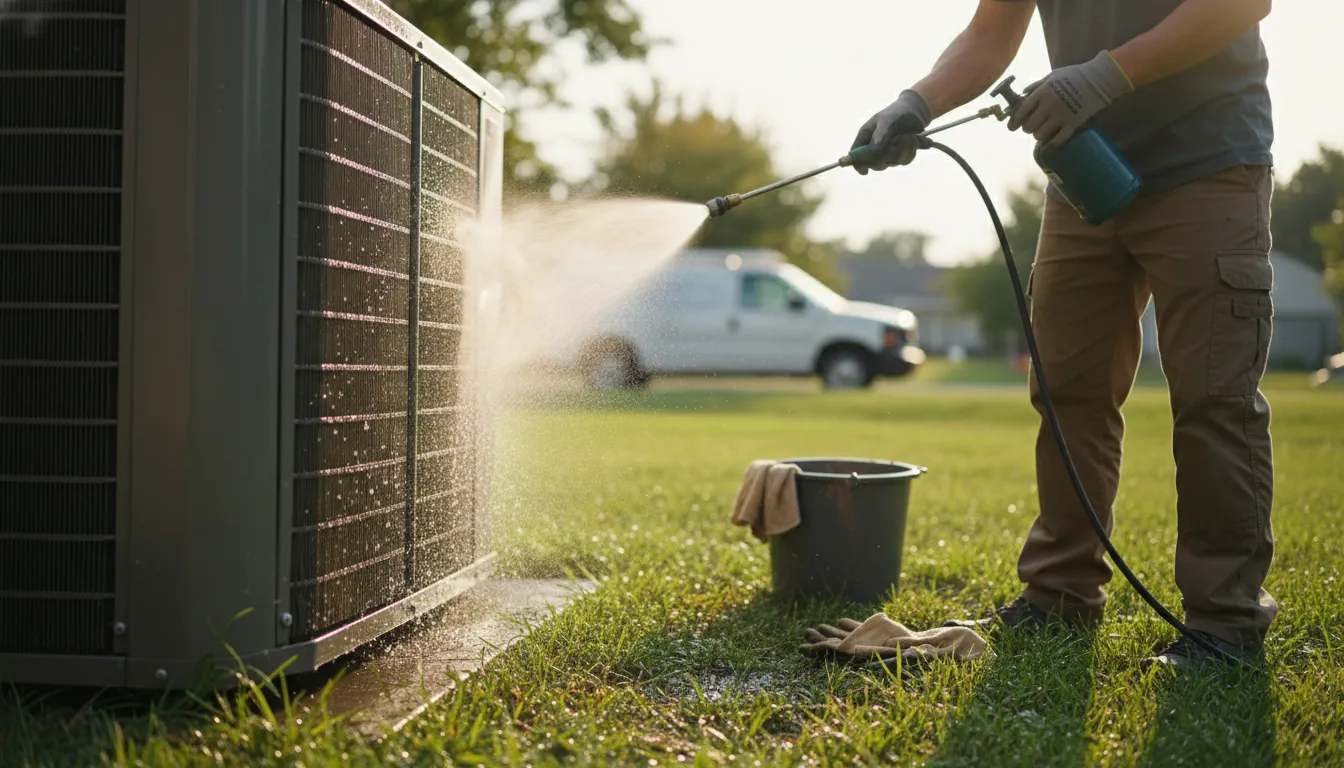
Find the Best HVAC Tune-Up & Maintenance Services for Your Business
No obligation • Fast responses • Nationwide coverage

Why you can trust HVAC Firms
HVAC Firms is a leading United States resource for evaluating HVAC service providers. Our team researches companies, checks credentials, and reviews customer feedback to present clear, unbiased information. Listings and rankings are based on merit, and companies cannot pay to change our editorial content.
Search providers near you
Top HVAC Tune-Up & Maintenance Services in Nashville, Tennessee Ranked
Keeping your heating and cooling system running smoothly is essential for comfort in Nashville's distinct climate. An HVAC tune-up is a professional service visit designed to inspect, clean, and adjust your system to ensure it operates safely and efficiently. Regular maintenance matters because it can prevent unexpected breakdowns, extend the life of your equipment, and help manage your energy costs. This guide will help you understand what's involved in local HVAC servicing, how Nashville's weather impacts your system, and what to expect when you schedule a professional check-up.
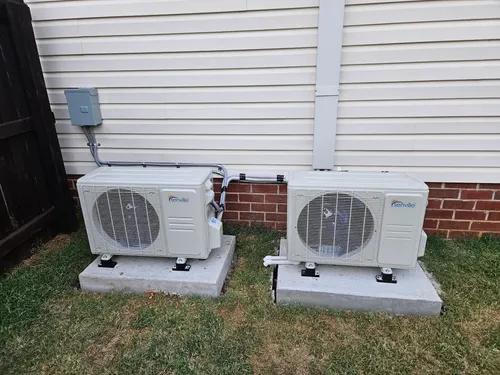
Right Time HVAC
5300 Old Hickory Blvd, Nashville, TN 37218
Right Time HVAC is a full-service heating, cooling, and geothermal contractor serving Nashville, TN. They offer installation, repair, and maintenance for air conditioners, furnaces, heat pumps, and geothermal systems, along with indoor air quality solutions for homes and businesses. The company specializes in advanced HVAC technologies including hydronics and inverter systems, and provides ductwork services to improve airflow and comfort. With over 30 years of combined experience among their technicians, Right Time HVAC focuses on honest, customer-focused solutions to meet diverse home comfort needs.
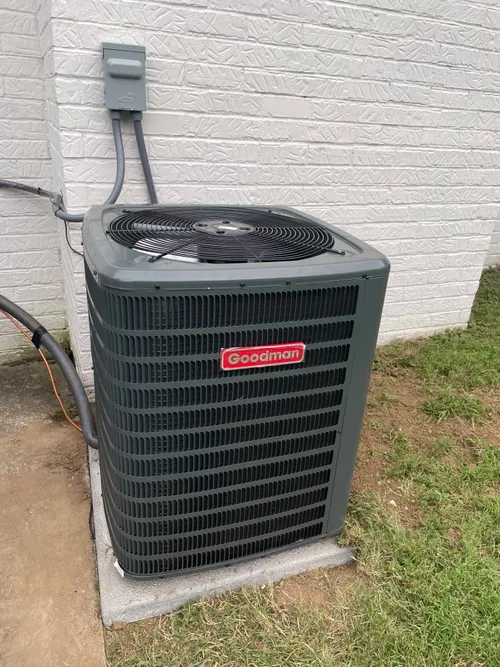
Bradley Maintenance & Air LLC
Nashville, TN
Bradley Maintenance & Air LLC is an HVAC and plumbing contractor serving Nashville, TN, and nearby areas including Brentwood, Antioch, and Murfreesboro. They provide HVAC maintenance, repair, and system changeouts, along with plumbing services such as water heater installation and repair. Their services cover air conditioning, furnace, heat pump installation, and tune-ups to maintain home and business comfort throughout the year.

Petitt Heating and Cooling
127 Raymond Hirsch Pkwy, White House, TN 37188
Petitt Heating and Cooling is an HVAC company serving White House, TN, and nearby areas including Goodlettsville and Hendersonville. They provide a range of heating and cooling services such as air conditioning installation, furnace repair, heat pump installation, and HVAC tune-ups. The company also offers indoor air quality solutions like UV light air purification, advanced air filtration systems, dehumidifiers, humidifiers, and crawl space encapsulation. Petitt Heating and Cooling installs attic solar fans and gas logs to improve home comfort and energy efficiency. They provide emergency AC repairs after hours and have a maintenance plan with priority emergency service and no overtime charges.
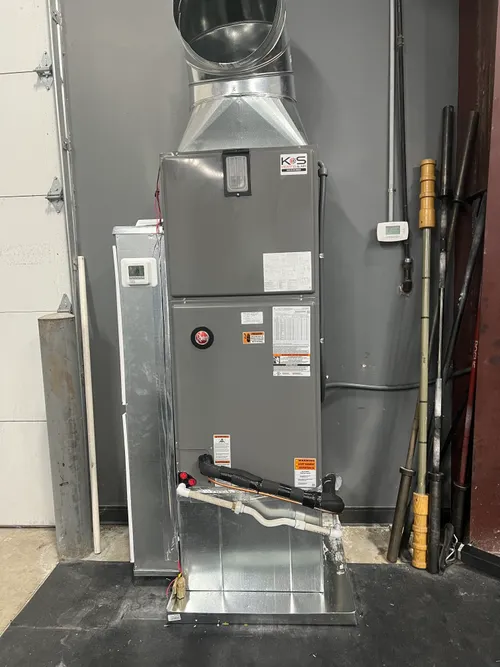
KandS HVAC
2055 Holloway Rd, Lebanon, TN 37090
KandS HVAC is an HVAC company based in Nashville, TN, providing repair, installation, and maintenance services for air conditioning, furnaces, heat pumps, and boilers. They offer convenient options for obtaining quotes, including in-home visits and remote assessments using photos. KandS HVAC handles a range of services from urgent repairs to routine tune-ups and new system installations, aiming to meet various heating and cooling needs efficiently.
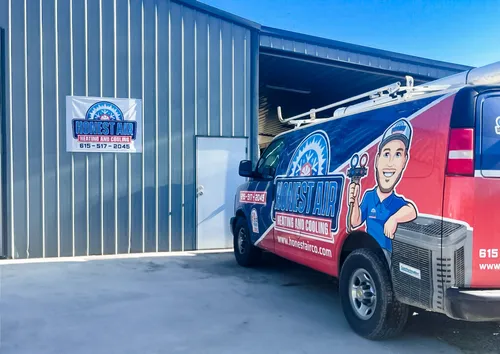
Honest Air Heating And Cooling
2045 Old Drakes Creek Rd, Hendersonville, TN 37075
Honest Air Heating And Cooling is an HVAC company based in Nashville, TN, offering a range of services including air conditioning and furnace repair, installation, maintenance, duct cleaning, and thermostat installation. They serve both residential and commercial customers, providing thorough HVAC tune-ups and venting and ductwork installation. The company is known for its knowledgeable technicians who diagnose and resolve issues efficiently, such as replacing broken igniters and capacitors. Honest Air Heating And Cooling has built a reputation for transparent pricing and honest advice, helping customers understand what repairs are necessary. They have been serving the Nashville area for several years and provide reliable service with a focus on customer care.
Why Nashville Homes Need Seasonal HVAC Servicing
Nashville's climate presents unique challenges for heating and air conditioning systems. The city experiences hot, humid summers and can have surprisingly cold winters, with temperatures occasionally dipping into the teens 1. This means your HVAC system works hard year-round, shifting from intense cooling to reliable heating. Without regular attention, this constant strain can lead to premature wear, reduced efficiency, and costly emergency repairs.
The high humidity and significant pollen seasons, particularly in spring and fall, add another layer of stress 2. Humidity can promote mold and mildew growth within your system, while pollen and other airborne particles quickly clog air filters. This combination forces your system to work harder to maintain airflow and desired temperature levels, driving up your utility bills. A seasonal tune-up directly addresses these local environmental factors, preparing your system for the demands of the upcoming season.
What a Professional HVAC Maintenance Visit Includes
A comprehensive HVAC service visit is a detailed process performed by a trained technician. It's far more than just changing a filter. The goal is to assess every major component of your system to ensure safe and optimal operation. Here's a breakdown of what a typical maintenance appointment covers:
System Inspection & Cleaning:
- Coil Cleaning: Both the evaporator coil (inside) and condenser coil (outside) are cleaned. Dirty coils act as insulation, preventing proper heat transfer and forcing the system to run longer.
- Blower Assembly: The blower motor and wheel are inspected and cleaned to ensure proper airflow throughout your home's ductwork.
- Condensate Drain Line: This line, which removes moisture collected by your AC, is cleared to prevent clogs that can lead to water damage or system shutdowns.
- Air Filter Replacement: A clean filter is crucial for air quality and system efficiency. Technicians will check and replace it if needed.
Electrical & Safety Checks:
- Electrical Connections: All wiring connections are tightened to prevent arcing, which is a fire hazard and can damage components.
- Capacitors & Contactors: These electrical components are tested for proper operation. Weak capacitors can cause motors to overheat and fail.
- System Controls: The technician will cycle the system through all modes (heat, cool, fan) to ensure it starts, operates, and shuts off correctly.
- Gas/Fuel Lines (for furnaces): For gas-powered systems, connections are checked for leaks, and the heat exchanger is inspected for cracks, which could allow dangerous carbon monoxide to escape.
Performance & Calibration:
- Refrigerant Level Check: The technician will check the refrigerant charge. Too much or too little refrigerant significantly reduces cooling efficiency and can damage the compressor 3 4.
- Thermostat Calibration: The thermostat is checked for accuracy to ensure it correctly reads the temperature and communicates with the system.
- Lubrication: Moving parts, such as motor bearings, are lubricated (if applicable) to reduce friction and wear.
- System Measurements: Technicians often take measurements like temperature drop across the coil and system amp draw to verify the system is performing within manufacturer specifications.
Find the perfect hvac tune-up & maintenance services for your needs
Get personalized recommendations and expert advice
The Impact of Local Climate on Your Maintenance Schedule
For Nashville residents, a once-a-year check-up is often not enough. The consensus among local professionals is that twice-yearly maintenance-once in the spring for your cooling system and once in the fall for your heating system-is the recommended standard.
Spring Tune-Up (Preparing for Cooling Season): This visit focuses on your air conditioner and heat pump. The technician will ensure the system is ready to handle Nashville's intense summer heat and humidity. Key tasks include a thorough cleaning of the outdoor condenser coil (which gets clogged with pollen and grass clippings), checking refrigerant levels, clearing the condensate drain to handle increased moisture removal, and verifying all electrical components are in good shape after winter 5.
Fall Tune-Up (Preparing for Heating Season): This service shifts focus to your furnace or heat pump's heating mode. The technician will inspect the heat exchanger for safety, check and clean the burner assembly, ensure the ignition system is working properly, and test carbon monoxide output. This is critical for preventing safety hazards and ensuring your family stays warm during cold snaps.
Adhering to this seasonal schedule directly combats the local weather challenges, helping to prevent mid-summer AC failures or a furnace breakdown on the coldest night of the year.
Understanding Costs and Value of Regular Service
The cost for a single professional HVAC tune-up in Nashville typically ranges from $100 to $200, though prices can vary based on the contractor, the complexity of your system, and the exact services performed 6 7. Some more comprehensive visits or services for complex systems may be higher.
Many companies offer annual maintenance plans or service agreements. These often provide a discount on the per-visit rate, priority scheduling, and sometimes waived diagnostic fees. While there is an upfront cost, investing in regular maintenance provides significant financial value:
- Prevents Costly Repairs: Small issues like a loose wire or a slightly low refrigerant charge can be caught and fixed during a tune-up for a minimal cost. Left unchecked, they can lead to major component failures costing thousands of dollars to repair.
- Lowers Utility Bills: A clean, well-adjusted system operates more efficiently. According to industry sources, proper maintenance can improve efficiency by up to 15-20%, directly reducing your monthly energy consumption 8.
- Extends System Lifespan: Regular care reduces wear and tear, allowing your HVAC system to reach, and even exceed, its expected service life. Replacing a system is a major investment, so prolonging its life is a key benefit.
- Maintains Warranty Coverage: Many manufacturer warranties require proof of annual professional maintenance to remain valid. Skipping service could void your warranty on expensive components.
Signs Your System Needs Attention Before Your Scheduled Tune-Up
While regular scheduled maintenance is best, be aware of these signs that your HVAC system may need service sooner:
- Unusual Noises: Screeching, grinding, banging, or rattling sounds from your furnace or air handler.
- Reduced Airflow: Weak airflow from your vents, which could indicate a clogged filter, failing blower motor, or blocked ductwork.
- Inconsistent Temperatures: Some rooms are too hot while others are too cold, or the system struggles to reach the thermostat setpoint.
- Increased Humidity Indoors: Your air conditioner should dehumidify as it cools. Sticky indoor air can signal a problem.
- Frequent Cycling: The system turns on and off more frequently than normal (short cycling).
- Unexplained Spike in Energy Bills: A sudden increase in costs with no change in usage often points to an inefficiently running system.
- Unpleasant Odors: Musty smells often indicate mold in the ductwork or system, while burning smells could point to an electrical issue.
If you notice any of these issues, it's wise to contact a professional for an assessment rather than waiting for your next scheduled appointment.
Frequently asked questions
Sources
Footnotes
-
The Impact of Nashville's Climate on Your HVAC System - https://southnashvillehvac.com/2024/04/09/the-impact-of-nashvilles-climate-on-your-hvac-system/ ↩
-
How Often Should You Tune Up Your HVAC - https://allairsolar.com/how-often-should-you-tune-up-your-hvac/ ↩
-
What Is Included In A Complete HVAC Service Visit? - https://urbnhvac.com/blog/what-is-included-in-a-complete-hvac-service-visit/ ↩
-
What Does An Air Conditioner Check Consist Of? - https://greeneplumbing.com/what-does-an-air-conditioner-check-consist-of/ ↩
-
September Weather Swings Make HVAC Maintenance a Must in the South - https://howellchase.com/blog/september-weather-swings-make-hvac-maintenance-a-must-in-the-south ↩
-
HVAC Maintenance Tips: 6 Steps to Take & What to Watch For - https://www.nashvillesmls.com/blog/maintain-hvac-system.html ↩
-
The Importance of Seasonal HVAC Tune-Ups - https://www.charlesstonemechanical.com/blog/the-importance-of-seasonal-hvac-tune-ups/ ↩
-
HVAC Tune-ups: Why You Need One & What's Included | Fire & Ice - https://indoortemp.com/resources/hvac-tune-up-benefits ↩