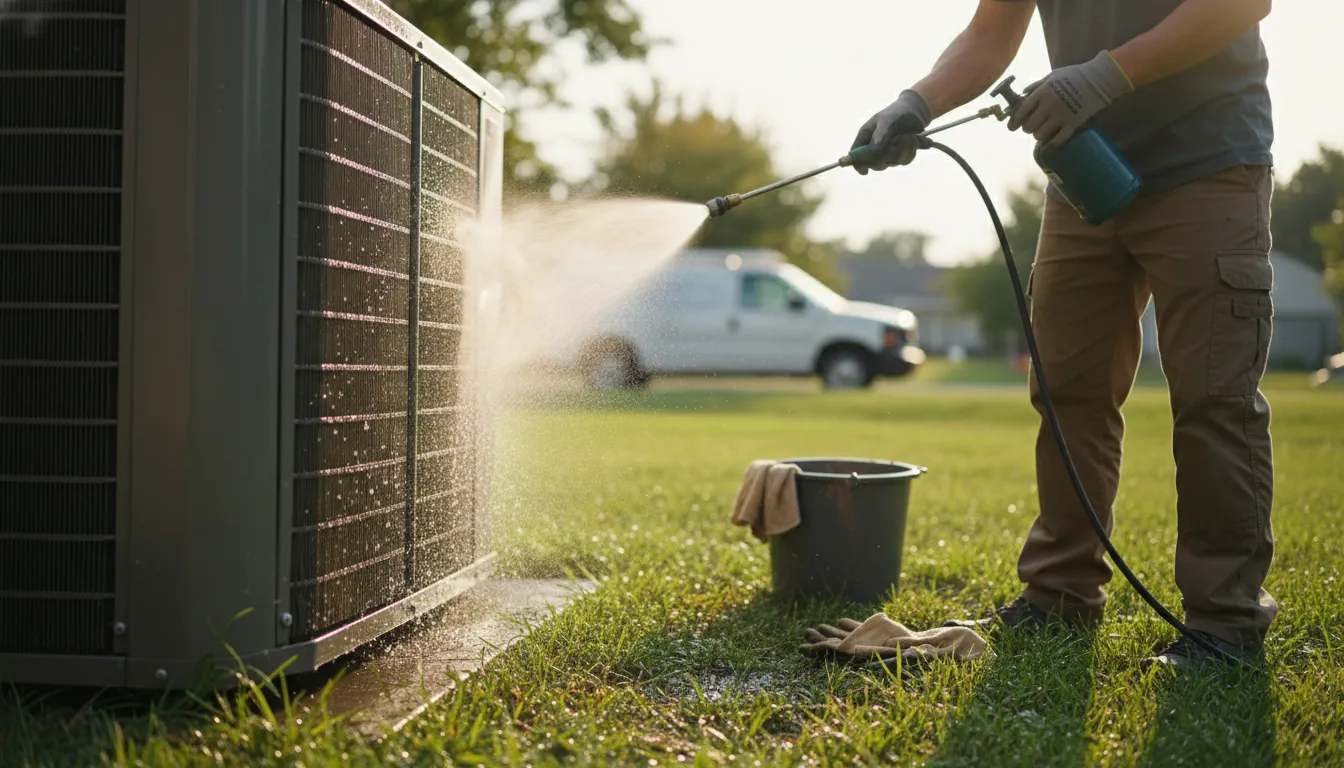
Find the Best HVAC Tune-Up & Maintenance Services for Your Business
No obligation • Fast responses • Nationwide coverage

Why you can trust HVAC Firms
HVAC Firms is a leading United States resource for evaluating HVAC service providers. Our team researches companies, checks credentials, and reviews customer feedback to present clear, unbiased information. Listings and rankings are based on merit, and companies cannot pay to change our editorial content.
Search providers near you
Top HVAC Tune-Up & Maintenance Services in Boise, Idaho Ranked
Keeping your home comfortable in Boise requires a reliable heating and cooling system. The city's hot, dry summers and chilly winters put significant strain on HVAC equipment, making regular preventative care essential. A professional HVAC tune-up is a scheduled service visit designed to clean, inspect, and adjust your system to ensure it runs safely, efficiently, and reliably. This guide will help you understand why consistent maintenance is critical in our climate, what a typical service includes, and how to find qualified local technicians to protect your investment and your comfort.

Right Now Heating and Air Conditioning & Plumbing
737 N Ralstin St, Meridian, ID 83642
Right Now Heating and Air Conditioning & Plumbing is a Boise, ID-based company specializing in furnace repair, HVAC tune-ups, and air conditioning services. Serving the Treasure Valley region, including Caldwell, Meridian, and Nampa, they handle repair, replacement, and maintenance for all major furnace brands. Their technicians are licensed and trained to work on a wide range of HVAC systems, ensuring precise service. The company offers 24/7 availability for furnace repairs and emphasizes hassle-free service, including permit handling and post-service cleanup.
Apex Clean Air
6060 Corporal Ln, Boise, ID 83704
Apex Clean Air is a heating and air conditioning company serving Boise, ID, and surrounding areas in Utah, Colorado, and Idaho. They provide a range of services including furnace and heat pump installation, repair, and maintenance, as well as thermostat installation and HVAC tune-ups. Apex Clean Air emphasizes safety with thorough inspections to prevent issues like cracked heat exchangers that can cause carbon monoxide leaks. The company supports customers with financing options and offers a membership club for scheduled maintenance and priority service.
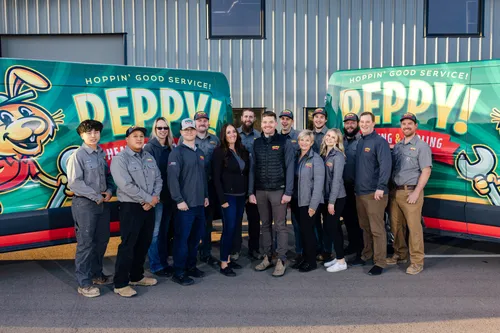
Peppy Heating and Cooling Boise
590 N Maple Grove Rd Ste #7, Boise, ID 83704
Peppy Heating and Cooling Boise is an HVAC company based in Boise, ID, offering a wide range of services including air conditioning, furnace, and heat pump repair and installation, as well as mini split systems, duct cleaning, thermostat installation, and indoor air quality solutions. They serve residential customers in the Boise area with expertise in installing and maintaining Trane systems and other reliable equipment. The company is known for thorough diagnostics and repairs, such as identifying and fixing ductwork issues and refrigerant leaks. Peppy Heating and Cooling Boise has built a reputation for honest, detailed service and clear communication with customers. They also provide maintenance plans and have experience with advanced air quality products like UV air scrubbers. While no specific business history or special availability is stated, customer feedback highlights their professionalism and technical knowledge.
Wickstrom Plumbing Heating & Cooling
125 W Taylor Ave #100, Meridian, ID 83642
Wickstrom Plumbing Heating & Cooling is a family-owned HVAC and plumbing company serving Boise, ID, and nearby areas since 1992. They provide a range of services including air conditioning and furnace repair, installation, and HVAC tune-ups. The company is known for its team of certified technicians who handle plumbing emergencies, routine HVAC maintenance, and system replacements. Wickstrom emphasizes honest pricing and customer satisfaction, reflecting its Idahoan roots and commitment to the local community.
Diamond Heating, Cooling, Plumbing & Electric
Boise, ID
Diamond Heating, Cooling, Plumbing & Electric is a home service company based in Boise, ID, offering HVAC, plumbing, and electrical services. They provide a range of heating and cooling solutions including AC and furnace repair, installation, maintenance, indoor air quality services, and thermostat installation. The company serves the greater Treasure Valley area and is equipped with trained technicians using advanced tools to ensure quality work. Founded in 1999, Diamond Heating, Cooling, Plumbing & Electric has over 25 years of experience and offers emergency HVAC services 24/7 to address urgent heating and cooling needs.
Why Boise's Climate Demands Regular HVAC Service
Boise experiences extreme temperature swings, with summer highs often reaching the 90s and winter lows dipping below freezing 1. This means your air conditioner and furnace each work hard for nearly half the year. Such a demanding operational schedule accelerates wear and tear on components. A system that isn't regularly serviced is far more likely to fail during a heatwave or a cold snap, leading to uncomfortable conditions and expensive emergency repair bills. Proactive, seasonal maintenance is your best defense against these inconvenient and costly breakdowns.
For most homes, this translates to a bi-annual service schedule. The consensus among local experts is to schedule an air conditioning check-up in the spring and a furnace inspection in the fall 2. This approach ensures each unit is primed and ready to handle the upcoming season's demands, optimizing performance and efficiency when you need it most.
What's Included in a Comprehensive HVAC Tune-Up?
A thorough preventative maintenance visit is much more than a quick filter change. Certified technicians follow a detailed checklist to evaluate every critical component of your system. Here's a breakdown of what you can typically expect during these seasonal visits.
Spring Air Conditioner Tune-Up
The goal of an AC tune-up is to ensure your system can deliver maximum cooling efficiently. A standard service includes:
- Coil Cleaning: Evaporator and condenser coils are cleaned to remove dirt and debris, which severely hampers cooling efficiency and airflow.
- Refrigerant Check: The technician will check refrigerant levels and look for any signs of leaks. Incorrect refrigerant charge is a major cause of poor performance and high energy bills.
- Electrical Inspection: All electrical connections, terminals, and contactors are inspected and tightened to prevent potential fire hazards and component failure.
- Condensate Drain Clearance: The drain line is cleared to prevent water backups and potential indoor water damage, a common issue in humid climates.
- Component Lubrication: Moving parts like motors and bearings are lubricated to reduce friction and wear 3.
Fall Furnace or Heating System Tune-Up
A heating system inspection focuses on safety, reliability, and efficiency before the cold sets in. Key tasks include:
- Gas Connection & Heat Exchanger Inspection: For gas furnaces, connections are checked for leaks, and the heat exchanger is inspected for cracks-a critical safety check to prevent carbon monoxide risks.
- Burner Assembly Cleaning: Burners are cleaned to ensure proper, efficient ignition and flame.
- Blower Motor & Belt Inspection: The blower assembly is checked, and belts are adjusted or replaced if worn.
- Safety Control Testing: All safety switches and controls are tested to ensure the system will shut down properly if an unsafe condition arises 4.
Year-Round System Checks
Both seasonal visits also encompass general system diagnostics:
- Thermostat Calibration: Ensuring your thermostat accurately reads temperature and communicates correctly with the system.
- Air Filter Check: The technician will inspect the filter and recommend replacement if needed (filters are often a homeowner-supplied item).
- Overall System Operation: A final test run to listen for unusual noises, verify correct cycling, and ensure the system is meeting its performance specifications.
Find the perfect hvac tune-up & maintenance services for your needs
Get personalized recommendations and expert advice
Understanding the Cost and Value of Maintenance Plans
When considering HVAC maintenance, you'll generally encounter two pricing models: one-time service visits and annual maintenance plans.
One-Time Service Visits: For homeowners who prefer to schedule as needed, a single tune-up for an air conditioner or furnace typically ranges from $150 to $200 in the Boise area 5 6. This covers the standard inspection and cleaning protocol.
Annual Maintenance Plans (Membership Clubs): Many local companies offer discounted service plans or "clubs." These usually include two scheduled tune-ups per year (one for AC, one for heating) for a bundled annual fee, which can range from approximately $200 to $4007 8. The significant value of these plans often extends beyond the tune-ups themselves. Members frequently receive:
- Priority scheduling for repairs.
- Discounts (e.g., 10-15%) on any necessary parts and labor for repairs.
- Waived diagnostic or trip fees.
- Extended warranties on repairs.
The True Return on Investment
Viewing a tune-up as a cost is a common mistake; it's better seen as an investment with tangible returns:
- Prevents Costly Breakdowns: Small issues like a loose electrical connection or a dirty coil are identified and fixed during a $150 visit, preventing a $1,000+ compressor failure or heat exchanger replacement later.
- Lowers Energy Bills: A clean, well-adjusted system operates more efficiently. The U.S. Department of Energy notes that just replacing a dirty filter can lower your AC's energy consumption by 5-15% 9. A full tune-up can yield even greater savings.
- Extends System Lifespan: Regular care reduces strain on components. A well-maintained HVAC system can last years longer than a neglected one, delaying the substantial expense of a full replacement.
- Ensures Safety: Especially for gas-fired systems, annual inspections are crucial for detecting carbon monoxide risks and fire hazards, protecting your family and home 10.
Choosing a Provider for Your Boise Home
With the importance of maintenance clear, selecting the right service provider is your next step. Look for a company with a strong local reputation, certified technicians (like NATE certification), and transparent pricing. Always ask for a detailed scope of work for their "tune-up" to ensure it matches the comprehensive checklist outlined above. A trustworthy technician will provide a clear report of their findings and offer honest recommendations, not high-pressure sales tactics for unnecessary services.
Frequently asked questions
Sources
Footnotes
-
The Ultimate HVAC Maintenance Checklist for Boise Homeowners - https://www.capitalcityheating.com/the-ultimate-hvac-maintenance-checklist-for-boise-homeowners-3/hvac/ ↩
-
How Often Should You tune-up your HVAC? Ask Wally - https://www.callwaldrop.com/blog/how-often-should-you-tune-up-your-hvac/ ↩
-
HVAC Maintenance & Tune Ups at The Home Depot - https://www.homedepot.com/services/c/hvac-maintenance/c61211572 ↩
-
Commercial HVAC Preventive Maintenance Checklists - FMX - https://www.gofmx.com/blog/hvac-maintenance-checklist/ ↩
-
Hvac Service Boise Id - YMC Inc. - https://ymcinc.com/hvac-service-boise-id-601895/ ↩
-
Boise Heating and Cooling Maintenance Services | Furnace, AC ... - https://qualityheating.net/residential/maintenance/ ↩
-
HVAC Maintenance Plans | Preventative Tune-Ups - Boise, ID - https://www.7thelementhvac.com/maintenance-plans/ ↩
-
Boise AC Maintenance | Air Conditioning Tune Ups in Boise - https://www.diamondheatingandcooling.com/air-conditioning/ac-maintenance/ ↩
-
How Much Does HVAC Maintenance Cost? [2026 Data] | Angi - https://www.angi.com/articles/ac-service-cost.htm ↩
-
Is HVAC Tune-Up Really Worth It? - Aero Energy - https://www.aeroenergy.com/is-hvac-tune-up-really-worth-it/ ↩