Find the Best HVAC Installers for Your Business
No obligation • Fast responses • Nationwide coverage

Why you can trust HVAC Firms
HVAC Firms is a leading United States resource for evaluating HVAC service providers. Our team researches companies, checks credentials, and reviews customer feedback to present clear, unbiased information. Listings and rankings are based on merit, and companies cannot pay to change our editorial content.
Search providers near you
Best HVAC Installers in Wisconsin Ranked
Choosing the right heating and cooling system is a critical decision for any Wisconsin homeowner. The state's climate, with its hot, humid summers and notoriously harsh, sub-zero winters, demands a robust and efficient HVAC system for year-round comfort and manageable energy bills. This guide provides clear, practical information on the types of systems available, key considerations for Wisconsin's unique environment, and what to expect in terms of investment. Use this information to make an informed choice and find qualified local professionals to handle your project.
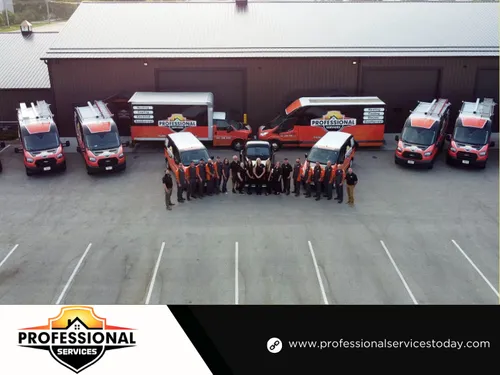
Professional Services Heating, AC & Electric Repair
113 Riverview Dr, Thiensville, WI 53092
Professional Services Heating, AC & Electric Repair is an HVAC company serving Milwaukee, WI, and the surrounding Ozaukee and Washington counties. They provide a range of heating and cooling services including furnace, heat pump, boiler, and geothermal system repair and installation. The company is equipped to handle both standard and high-efficiency furnaces, as well as ductless split systems. They emphasize practical advice and offer warranties on parts and labor. Professional Services also offers 24/7 emergency service to address urgent heating and cooling needs.
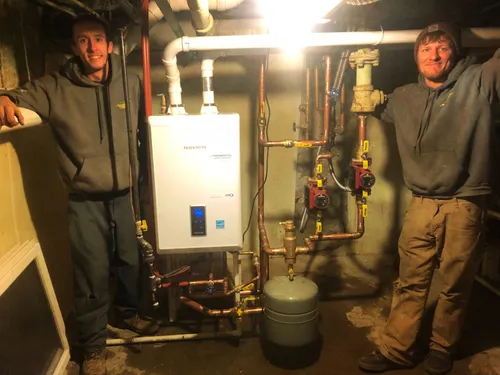
Heinrichs Home Comfort
18445 W National Ave, New Berlin, WI 53146
Heinrichs Home Comfort is an HVAC company serving Milwaukee, WI, specializing in air conditioning, furnace, and boiler repair and installation. They provide HVAC tune-up services and emphasize safe, reliable maintenance including thorough cleaning and safety checks for furnaces and boilers. With 16 years of experience, Heinrichs Home Comfort offers a 1-year guarantee on their work and maintains clear communication with customers through timely updates and digital reports.
Cardinal Heating, Cooling, Plumbing, & Electric
6120 Cottonwood Dr, Fitchburg, WI 53719
Cardinal Heating, Cooling, Plumbing, & Electric is a full-service contractor based in Madison, WI, offering heating, air conditioning, plumbing, and electrical services. They serve multiple counties in Southern Wisconsin, including Dane County. The company provides HVAC installation and repair, plumbing maintenance, and electrical work, with capabilities such as 24-hour emergency response and one-day installations. Established in 1984, Cardinal Heating, Cooling, Plumbing, & Electric has over 30 years of experience and holds accreditation from the Better Business Bureau.
HoneyCreek Heating, Cooling & Electric, LLC
N63W22633 Main St Ste. 107, Sussex, WI 53089
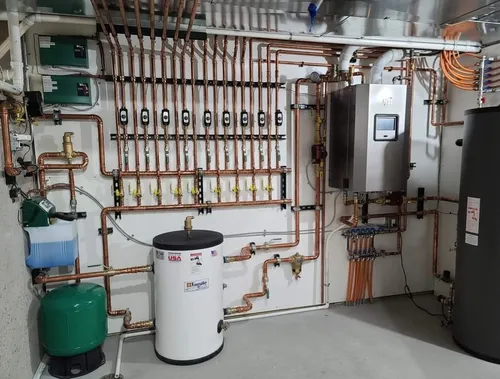
HoneyCreek Heating, Cooling & Electric, LLC is a full-service HVAC and electrical company serving Milwaukee, WI, and the surrounding areas. They provide repair, installation, and maintenance for heating and cooling systems including furnaces, air conditioners, boilers, heat pumps, and thermostats. Their licensed electricians also handle electrical panel upgrades, wiring repairs, and ceiling fan installations. HoneyCreek offers 24/7 emergency service and covers a broad range of locations in Southeastern Wisconsin. Their technicians are experienced with many HVAC brands and emphasize safety and clear communication throughout their work.
Absolute Comfort HVAC LLC
W220N1560 Jericho Ct, Waukesha, WI 53186
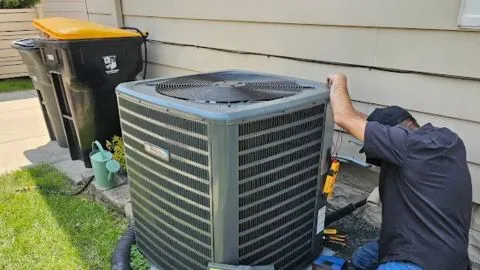
Absolute Comfort HVAC LLC provides heating, cooling, and ventilation services in Milwaukee, WI. They offer maintenance, repair, and installation for air conditioners, furnaces, boilers, mini splits, and indoor air quality systems. The company serves residential, commercial, light commercial, and new construction clients across multiple nearby communities. Their capabilities include HVAC tune-ups and installation of inverter and rooftop units. Absolute Comfort HVAC LLC covers a wide service area including Waterford, Waukesha, Brookfield, and surrounding locations.
Understanding Wisconsin's Climate Demands
Wisconsin's weather presents a dual challenge for home comfort systems. Summers can bring high heat and humidity, requiring effective air conditioning. The primary concern, however, is the winter. Prolonged periods of extreme cold, often dipping well below freezing, place significant strain on heating equipment. A system that is undersized or not designed for such conditions will struggle, leading to cold spots, excessive cycling, and higher operating costs. Conversely, a system that is too large will short-cycle, failing to properly dehumidify in summer and wearing out components prematurely. The right system balances capacity with high efficiency to handle both seasonal extremes effectively.
Primary HVAC System Options for Wisconsin Homes
Several types of heating and cooling systems are well-suited to Wisconsin residences. The best choice depends on your home's existing infrastructure, fuel sources (like natural gas availability), and specific comfort goals.
Furnace and Central Air Conditioning Combo
This is the most common setup, particularly in homes with existing ductwork. A gas furnace provides powerful, reliable heat for cold winters, while a separate central air conditioner handles summer cooling. Modern high-efficiency models offer significant savings on utility bills. This split-system approach allows you to select the ideal efficiency level for each component based on your budget and needs.
Heat Pumps
Air-source heat pumps are an increasingly popular all-in-one solution that provides both heating and cooling. They work by transferring heat, moving it inside to warm your home in winter and outside to cool it in summer. Advances in technology have made high-efficiency "cold climate" heat pumps effective even in Wisconsin's winters 1 2. They are often the most energy-efficient electric option for heating and may qualify for special rebates.
Ductless Mini-Split Systems
For homes without ductwork (like additions, older homes, or converted spaces) or for creating independent temperature zones, ductless mini-splits are an excellent choice. They consist of an outdoor compressor unit connected to one or more quiet, wall-mounted indoor air handlers. They provide highly efficient heating and cooling and offer unparalleled zoning flexibility 3. The cost scales with the number of indoor units required.
Dual-Fuel or Hybrid Systems
This system combines the best of two technologies: an electric heat pump and a gas furnace. The heat pump handles moderate heating and all cooling efficiently. When outdoor temperatures drop to a set point where the heat pump becomes less efficient, the system automatically switches to the gas furnace for powerful, cost-effective heat. This hybrid approach optimizes comfort and operating costs throughout Wisconsin's variable seasons 4.
Key Factors Influencing Your System Choice and Cost
Selecting a new HVAC system involves more than just picking a type. Several interconnected factors will determine the final performance and price of your installation.
Home Size and Layout: The square footage and layout of your home are the primary drivers for determining the necessary system capacity, measured in tons for cooling and BTUs for heating. A professional will perform a Manual J load calculation to determine the exact size needed, as rules of thumb are often inaccurate.
Efficiency Ratings: Higher efficiency means lower utility bills. Look for these ratings:
- SEER2 (Cooling): The Seasonal Energy Efficiency Ratio measures air conditioner and heat pump cooling efficiency. In Wisconsin, look for systems with a SEER2 of 15 or higher.
- AFUE (Furnace Heating): The Annual Fuel Utilization Efficiency measures how much fuel is converted to heat. High-efficiency furnaces have AFUE ratings of 90% or more.
- HSPF2 (Heat Pump Heating): The Heating Seasonal Performance Factor measures heat pump heating efficiency. A higher HSPF2 indicates better winter performance.
Ductwork Assessment: If you have existing ducts, their condition, size, and sealing dramatically impact system performance. Leaky or poorly insulated ducts can waste 20-30% of the conditioned air. Your installer should inspect your ducts and may recommend sealing, insulation, or modifications 5.
Fuel Source and Electrical Service: Your available utilities (natural gas, propane, electricity) will influence system options. Some high-efficiency systems, like heat pumps, may require an electrical service upgrade, which adds to the project cost.
Find the perfect hvac installers for your needs
Get personalized recommendations and expert advice
Understanding HVAC Installation Costs in Wisconsin
The total investment for a new HVAC system in Wisconsin varies widely based on the factors above. It's a significant home improvement, but one that pays dividends in comfort, reliability, and energy savings for 10-15 years or more.
Overall Cost Range: For a full system replacement (including both heating and cooling components) in a typical single-family home, homeowners can expect a range from $5,000 to over $15,000. For a 1,000-2,000 square foot home, a common range is $6,000 to $10,000+.
Cost Breakdown by System Type:
- Central Air Conditioner Installation (with existing furnace): $5,000 - $12,000 6
- High-Efficiency Gas Furnace Installation: $4,000 - $8,000+
- Complete Furnace & AC System Replacement: $7,000 - $15,000+
- Ductless Mini-Split System: $2,000 - $5,000+ per indoor head/zone, plus the cost of the outdoor unit 7 8
- Heat Pump System (replacing both furnace and AC): $6,000 - $14,000+
Additional Cost Factors: Remember to budget for ancillary items that are often necessary for optimal performance:
- New Thermostat: A modern programmable or smart thermostat improves efficiency. Some utility rebates offer around $50 for qualifying ENERGY STAR smart thermostats 9.
- Duct Modifications/Sealing: Can range from a few hundred to several thousand dollars.
- Electrical Work: Upgrading a circuit or service panel.
- Permits: Local building permits are typically required.
Incentives and Rebates for Energy-Efficient Upgrades
Investing in a high-efficiency system can be offset by various financial incentives. In Wisconsin, the primary resource is the Focus on Energy program. This statewide program offers rebates for qualifying energy-efficient equipment installed by participating contractors. Rebates may be available for:
- High-efficiency air conditioners and heat pumps (above a certain SEER2)
- High-efficiency gas furnaces (above a certain AFUE)
- ENERGY STAR certified smart thermostats
- Proper air sealing and insulation work
Always ask your HVAC contractor about current rebates for which your new system may qualify, as programs and amounts change regularly. These incentives can reduce your net cost by hundreds of dollars.
The Importance of Professional Installation
Even the best equipment will underperform if installed incorrectly. Professional installation ensures:
- Correct Sizing: A proper load calculation prevents the significant problems of an over- or undersized system.
- Optimal Efficiency: Proper refrigerant charge, airflow, and duct connection are critical for the system to achieve its rated efficiency.
- Safety: Correct venting of combustion gases (for furnaces), electrical connections, and refrigerant handling are vital for home safety.
- Warranty Validation: Most manufacturers require professional installation by a licensed technician to uphold the equipment warranty.
When evaluating local service providers, look for licensed, insured, and NATE-certified technicians who have experience with Wisconsin's specific climate challenges. They should perform a thorough home assessment and provide a detailed, written estimate that breaks down equipment, labor, and any ancillary costs.
Frequently asked questions
Sources
Footnotes
-
Wisconsin Residential Energy Efficiency Potential - ResStock - https://resstock.nrel.gov/factsheets/WI ↩
-
Air Conditioning Installation in Appleton, WI - Modern HVAC - https://www.modernhvac.com/heating-and-cooling-services/air-conditioning/installation/ ↩
-
3 Types of Air Conditioners for WI Homes - Martens Heating & Cooling - https://martensheating.com/3-types-of-air-conditioners-for-your-home-and-how-to-choose/ ↩
-
Best HVAC System For Your Wisconsin Home | 5 Expert Tips - https://midwesthvacpro.com/5-tips-to-choose-the-best-hvac-system-for-your-wisconsin-home/ ↩
-
AC Installation Cost Factors - Kliemann Brothers - https://kliemannbros.com/8-factors-for-determining-your-ac-installation-cost-estimate/ ↩
-
How Much Does HVAC Installation of Replacement Cost? [2025 Data] - https://www.homeadvisor.com/cost/heating-and-cooling/ ↩
-
How Much a New HVAC System Costs in Minnesota ... - https://comfortbydesign.com/blog/new-hvac-system-cost/ ↩
-
HVAC Installation Costs and Breakdowns - TMC Heating and Cooling - https://tmcservice.com/hvac-installation-costs-and-breakdowns/ ↩
-
Guide to HVAC Energy Rebates in Wisconsin | Tax Credits - https://www.allcomfortservices.com/blog/hvac-rebate-programs/ ↩