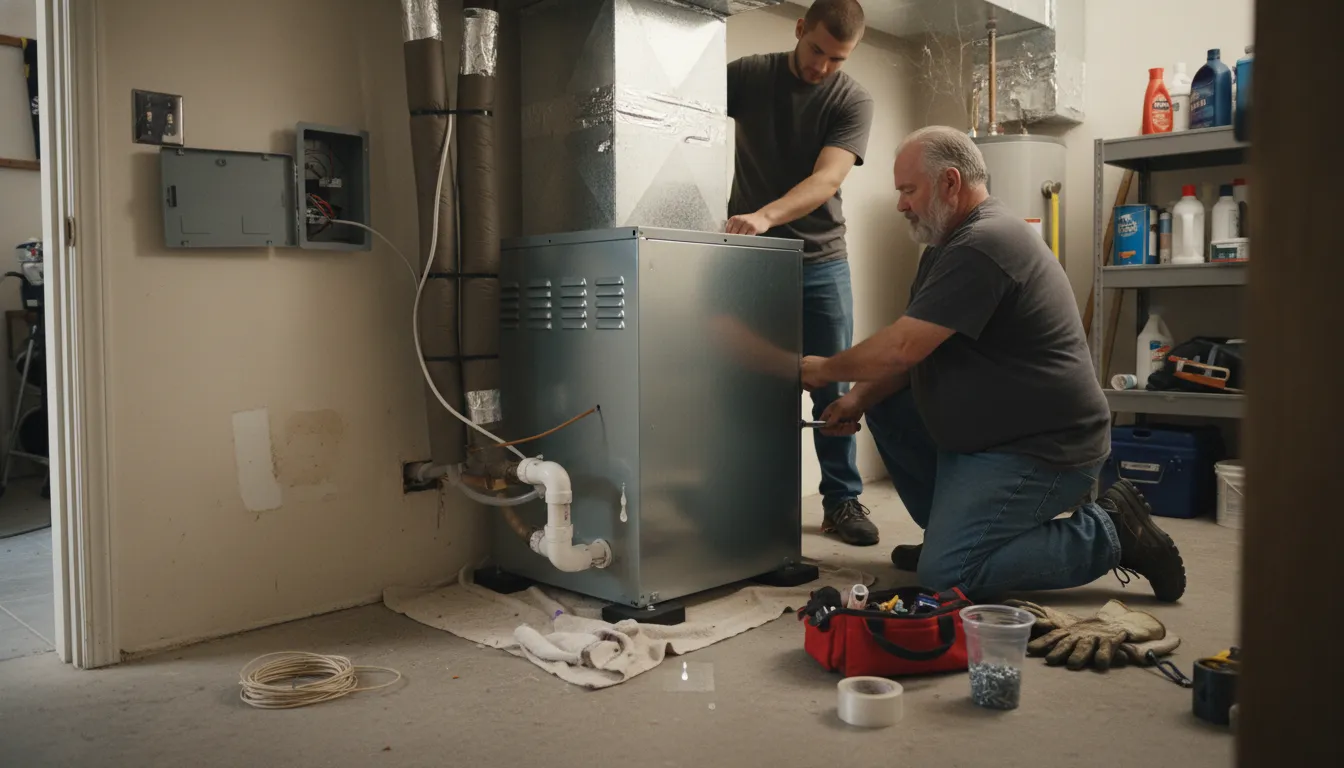
Find the Best HVAC Installers for Your Business
No obligation • Fast responses • Nationwide coverage

Why you can trust HVAC Firms
HVAC Firms is a leading United States resource for evaluating HVAC service providers. Our team researches companies, checks credentials, and reviews customer feedback to present clear, unbiased information. Listings and rankings are based on merit, and companies cannot pay to change our editorial content.
Search providers near you
Best HVAC Installers in Washington Ranked
Choosing the right heating and cooling system is a significant investment in your Washington home's comfort, efficiency, and value. HVAC installation involves selecting and setting up a system tailored to your local climate, home's layout, and energy goals. This guide explains the available options, state-specific regulations, and key considerations to help you make an informed decision and connect with qualified local professionals for your project.
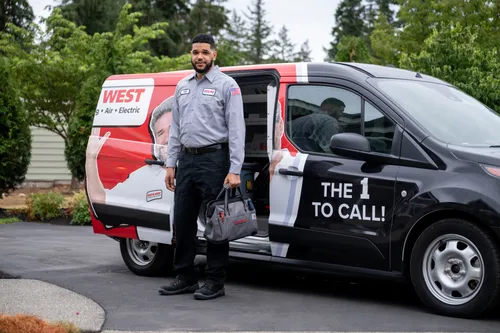
South West Plumbing, Heating, Air, & Electric
825 S Stacy St, Seattle, WA 98134
South West Plumbing, Heating, Air, & Electric has provided plumbing, HVAC, and electrical services in Seattle, WA for over 40 years. They offer a wide range of services including air conditioning repair and installation, furnace and heat pump repair, boiler installation, and HVAC tune-ups. Their capabilities include advanced drain and sewer services such as hydro jetting and video camera inspections. The company serves residential customers throughout Seattle, delivering comprehensive solutions for heating, cooling, plumbing, and electrical needs.
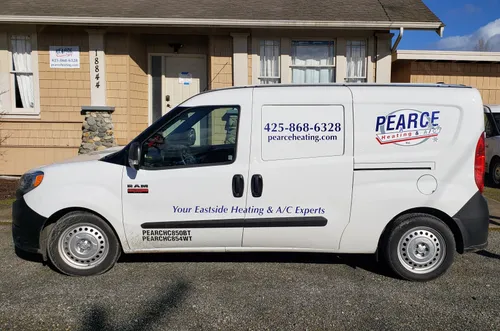
Pearce Heating & A/C
18844 NE 84th St, Redmond, WA 98053
Pearce Heating & A/C is a comprehensive HVAC and electrical service provider based in Seattle, WA. They serve the Eastside and King County areas, including Redmond, Bellevue, and Kirkland. Their services include installation, repair, and maintenance of heating, air conditioning, and heat pump systems, along with indoor air quality solutions such as air purifiers and humidifiers. Pearce Heating & A/C also offers professional electrical services including panel upgrades and rewiring. With decades of experience, their technicians are certified to work with all major HVAC brands and models. The company emphasizes personalized service by assigning consistent technicians and maintaining direct owner involvement to ensure quality and customer satisfaction.
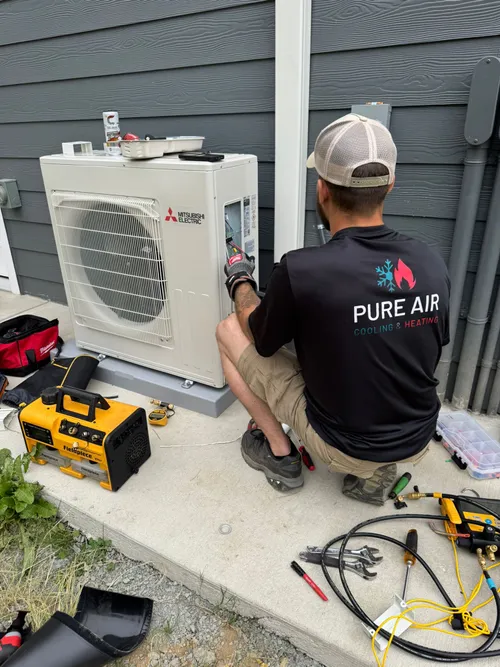
Pure Air Cooling & Heating
9720 NE 120th Pl, Kirkland, WA 98034
Pure Air Cooling & Heating is an HVAC contractor based near Seattle, WA, serving Kirkland, Bellevue, Redmond, and nearby areas. They provide a range of heating and cooling services including air conditioning repair and installation, furnace repair, heat pump services, and duct cleaning. The company focuses on energy-efficient solutions and reliable climate control for both homes and businesses in the region.
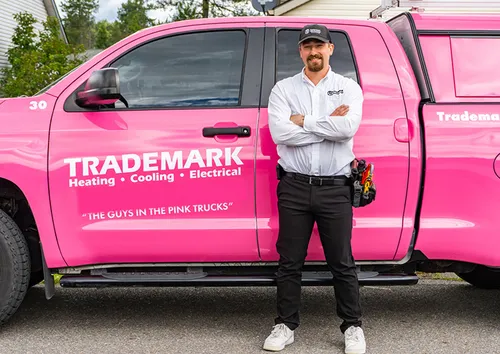
Trademark Heating, Cooling & Electrical
6010 E Trent Ave, Spokane, WA 99202
Trademark Heating, Cooling & Electrical provides comprehensive HVAC services in Spokane, WA. They specialize in air conditioning and furnace repair, installation, and tune-ups, serving the Inland Northwest since 2004. The company is skilled in handling HVAC systems from all major brands and offers 24/7 availability for service calls. Their team focuses on creating comfortable indoor environments tailored to local climate needs.
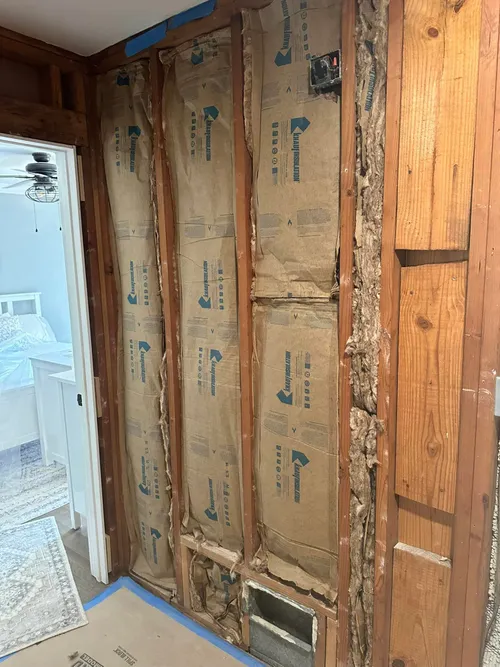
Energy Saver Solutions Inc - HVAC & Insulation W Seattle
4402 40th Ave SW, Seattle, WA 98116
Energy Saver Solutions Inc - HVAC & Insulation W Seattle provides a range of HVAC services in Seattle, WA. They specialize in air conditioning repair, HVAC installation, boiler and mini split installation, as well as indoor air quality services. The company offers expert attic and crawl space insulation to improve energy efficiency and comfort. With over 30 years of industry experience, Energy Saver Solutions also performs carbon monoxide checks to ensure safety. They provide 24/7 emergency service and are available year-round to support heating and cooling needs in all weather conditions.
Understanding Your Washington HVAC System Options
Washington's diverse climate, with cool, wet winters and increasingly warm, dry summers, requires versatile home comfort solutions. The right system balances heating and cooling needs efficiently. Here are the primary types of systems installed across the state.
Central Air Conditioning and Heating Systems
The most common setup in homes with existing ductwork is a central system, which typically pairs a furnace for heating with a central air conditioner for cooling. Air is conditioned at a single unit and distributed throughout the home via a network of ducts. This is a reliable choice for whole-home comfort, especially in regions with significant temperature swings. Modern high-efficiency furnaces and air conditioners can significantly reduce energy consumption compared to older models.
Air Source Heat Pumps
Heat pumps are exceptionally well-suited to Washington's moderate climate and are highly promoted by state energy codes 1. Unlike a furnace that generates heat, a heat pump moves heat from one place to another-extracting heat from the outdoor air to warm your home in winter and reversing the process to cool it in summer. This technology is extremely efficient, often providing both heating and cooling at a lower operating cost than separate systems. They are a top recommendation for homeowners looking to reduce their carbon footprint and energy bills 2.
Ductless Mini-Split Systems
For homes without existing ductwork, such as older houses, room additions, or converted spaces, ductless mini-splits are an excellent solution. These systems consist of an outdoor compressor unit connected to one or more indoor air-handling units mounted on walls or ceilings. They offer "zoned" comfort, allowing you to control the temperature in individual rooms. This targeted approach avoids conditioning unused spaces, leading to substantial energy savings and personalized comfort.
Furnaces (Gas, Electric, or Oil)
Furnaces remain a primary heat source for many Washington homes, particularly where natural gas is available. They work by burning fuel or using electric resistance to heat air, which is then circulated via ductwork. While efficient for heating, they require a separate system, like a central air conditioner, for cooling. When replacing a furnace, it's an opportune time to consider integrating a heat pump for a more efficient dual-fuel or hybrid system.
Washington State Energy Codes and Efficiency Standards
Washington has some of the most progressive energy codes in the nation, designed to reduce overall energy consumption and promote sustainable building practices. These regulations directly impact what systems can be installed in new construction and major renovations.
SEER2 and Minimum Efficiency Requirements
The key metric for air conditioning and heat pump cooling efficiency is the Seasonal Energy Efficiency Ratio 2 (SEER2). As of the 2021 Washington State Energy Code (WSEC), all new central air conditioning systems must have a minimum SEER2 rating of 14 3. This is a baseline; many available systems far exceed this rating, with high-efficiency models reaching SEER2 ratings of 18 or higher. The code's focus is on pushing the market toward these more efficient options to achieve long-term energy savings for homeowners and the state's grid.
The Push for Heat Pumps and Advanced Systems
The state energy code doesn't just set minimums; it incentivizes the best available technology. Heat pumps and ductless mini-split systems are often the easiest path to compliance because of their high inherent efficiency. The code's performance-based approach rewards homes that use less energy overall, making advanced systems with smart thermostats and superior insulation not just a personal choice but a strategic one for meeting building standards.
Cost Considerations for Installation in Washington
Installation costs in Washington vary widely based on system type, home size, efficiency rating, and the complexity of the job (such as modifying existing ductwork or installing new electrical lines). Here is a general overview of what homeowners might expect.
- Central Air Conditioning Systems: Installing a new central AC system, often alongside a furnace replacement, typically ranges from $4,500 to $9,000 or more. The final price depends heavily on the system's SEER2 rating, the size of your home (measured in tons), and the condition of your existing ductwork.
- Ductless Mini-Split Systems: For a single-zone system (one outdoor unit, one indoor head), costs generally start around $3,000 to $5,000. Multi-zone systems that cool several rooms with one outdoor compressor can range from $5,000 to $8,000+, depending on the number of indoor units and their features.
- Air Source Heat Pumps: As a complete heating and cooling solution, heat pump installation is a larger investment, typically ranging from $5,000 to $12,000 or more for a whole-home system 4 5. The higher end includes high-capacity, variable-speed models designed for very cold climates or larger homes.
Find the perfect hvac installers for your needs
Get personalized recommendations and expert advice
Key Factors for Your Installation Decision
Beyond the type of system and its cost, several critical factors will determine the long-term success and satisfaction with your new HVAC installation.
Balancing Upfront Cost with Long-Term Savings
A common dilemma is choosing between a standard-efficiency system and a high-efficiency model. While a system with a SEER2 rating of 18+ will have a higher upfront cost than a baseline 14 SEER2 model, it will consume significantly less electricity over its 15-20 year lifespan. Calculating the payback period-how long it takes for the energy savings to equal the price difference-is a crucial step. For many Washington homeowners, especially with available rebates, the long-term savings make the higher initial investment worthwhile.
The Importance of Professional Sizing and Load Calculation
An oversized system will cycle on and off too frequently, leading to uneven temperatures, excess humidity in summer, and unnecessary wear. An undersized system will run constantly, struggling to maintain comfort and driving up energy bills. A reputable professional will perform a Manual J load calculation, which considers your home's square footage, insulation levels, window types, and local climate to determine the precise system capacity (in tons or BTUs) needed for optimal performance and efficiency 6.
Exploring Rebates and Financial Incentives
Significant financial incentives are available to offset the cost of high-efficiency installations. The federal government offers tax credits for qualifying heat pumps and other energy-efficient home improvements 7. Washington state and local utility companies (like Puget Sound Energy, Seattle City Light, and others) often provide additional cash rebates, particularly for heat pumps, as part of the state's Clean Buildings Act and other energy initiatives 8. Always ask your installer about current rebate programs for which you may qualify.
Planning for Ductwork Assessment
If you are considering a central system, the condition of your existing ductwork is paramount. Leaky, uninsulated, or poorly designed ducts can waste 20-30% of the energy your system produces. A professional installation should include a thorough duct inspection. Sealing leaks with mastic and insulating ducts in unconditioned spaces (like attics or crawlspaces) are essential steps to ensure your new system delivers its rated efficiency and comfort.
Frequently asked questions
Sources
Footnotes
-
CHAPTER 51-11R WAC - https://sbcc.wa.gov/sites/default/files/2024-01/2021_WSEC_R_2ndEd_012524.pdf ↩
-
Picking the Most Efficient HVAC System for Your Home - https://heatingandairspartanburgsc.com/picking-the-most-efficient-hvac-system-for-your-home/ ↩
-
Chapter 4 [RE] Residential Energy Efficiency: Washington State Residential Energy Code 2021 - https://up.codes/viewer/washington/wa-energy-code-residential-provisions-2021/chapter/RE_4/re-residential-energy-efficiency ↩
-
Everything You Need to Know About Installing AC in ... - https://www.bobsheating.com/blog/everything-you-need-to-know-about-installing-ac-in-washington ↩
-
HVAC Installation & Replacement Cost in Washington State ... - https://residential.sunsetair.com/blog/hvac-installation-replacement-cost-washington-state-2025/ ↩
-
How to Choose the Right HVAC System for Your Home - https://www.okatmechanical.com/our-learning-center/how-to-choose-the-right-hvac-system-for-your-home-1 ↩
-
Heat Pump Federal Tax Credits and State Rebates - https://www.consumerreports.org/appliances/heat-pumps/heat-pump-federal-tax-credits-and-state-rebates-a5223992000/ ↩
-
Benefits of Switching to Heat Pumps in Multifamily Buildings - https://www.ptrenergy.com/benefits-of-switching-to-heat-pumps-in-multifamily-buildings/ ↩