Find the Best HVAC Installers for Your Business
No obligation • Fast responses • Nationwide coverage

Why you can trust HVAC Firms
HVAC Firms is a leading United States resource for evaluating HVAC service providers. Our team researches companies, checks credentials, and reviews customer feedback to present clear, unbiased information. Listings and rankings are based on merit, and companies cannot pay to change our editorial content.
Search providers near you
Top HVAC Installers in Broken Arrow, Oklahoma Ranked
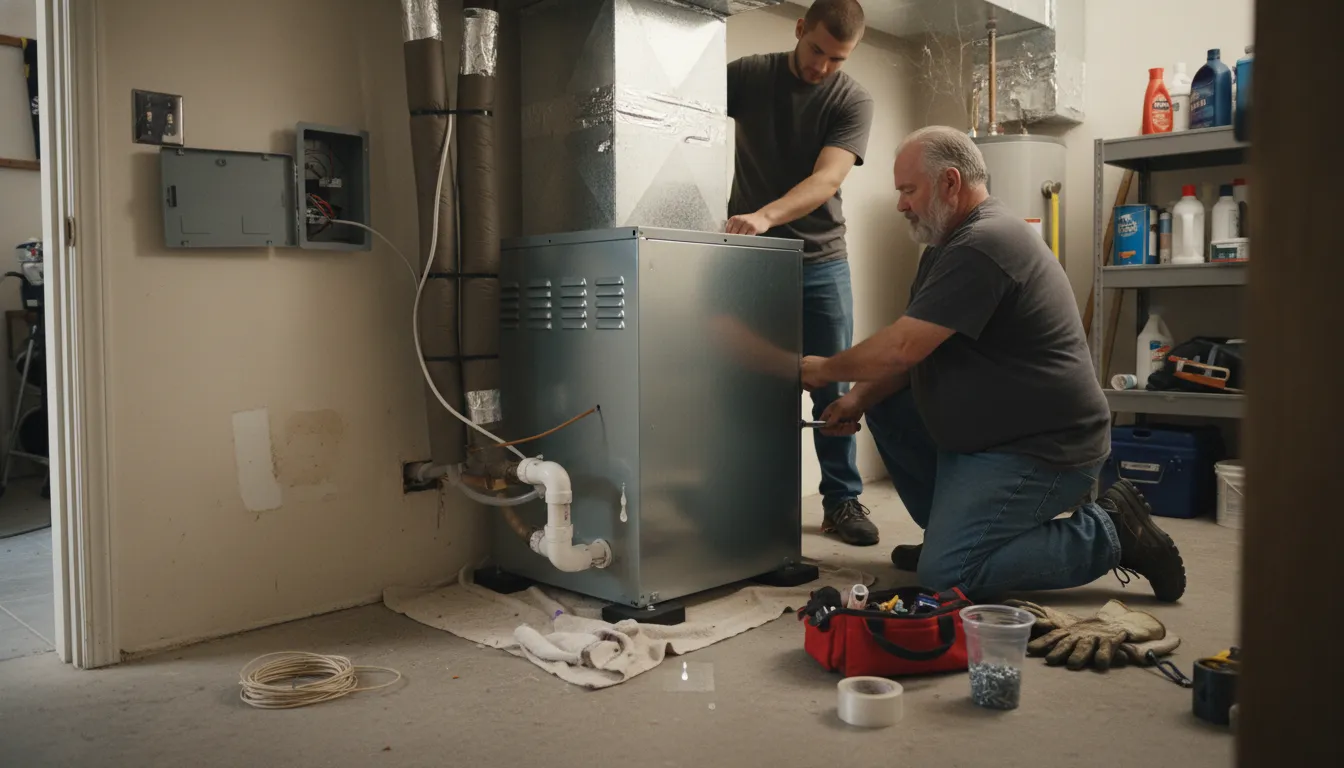
Installing a new heating and cooling system is a significant investment in your home's comfort, efficiency, and value. Whether you're replacing an aging unit or installing a system for the first time, understanding the process and your options is key. This guide will help Broken Arrow homeowners navigate the essentials of HVAC system setup, from choosing the right equipment to what happens on installation day, so you can connect with qualified local professionals for your project.
TemperaturePro
10404 E 55th Pl Suite Y, Tulsa, OK 74146
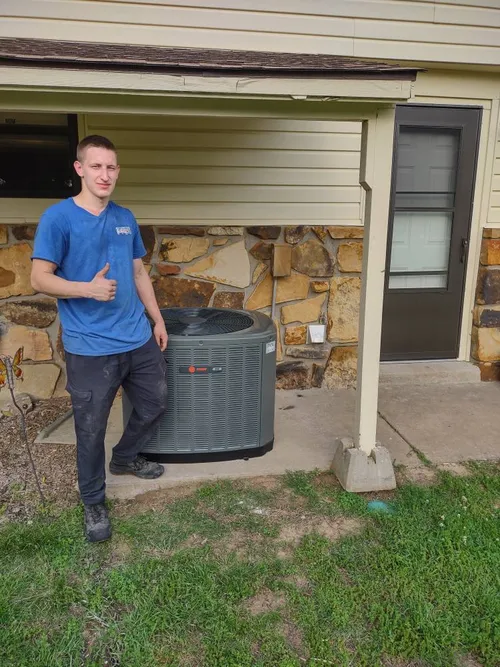
TemperaturePro is a locally owned and family-operated HVAC company serving Tulsa, OK. They provide comprehensive heating and cooling services including installation, repair, and maintenance for systems such as air conditioners, furnaces, heat pumps, boilers, and ductless mini splits. Their technicians also specialize in indoor air quality solutions, including air scrubbers and filtration systems. TemperaturePro offers 24/7 emergency service and supports a wide range of brands including Trane, Goodman, and Daikin. They emphasize transparent pricing and honest service to help customers maintain comfortable and efficient HVAC systems year-round.
American Home Pros
912 W Main St, Collinsville, OK 74021
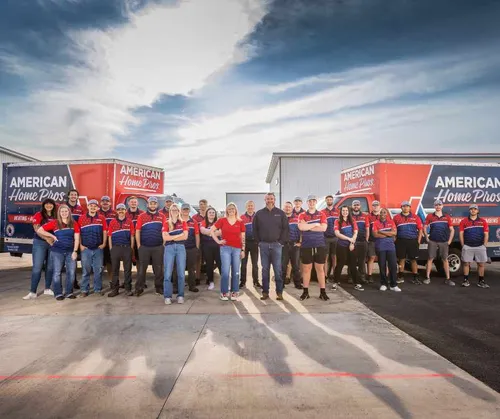
American Home Pros is a veteran-owned HVAC and plumbing company based in Tulsa, OK. They provide a range of services including air conditioning, furnace, and heat pump repair and installation, as well as indoor air quality solutions such as duct cleaning, filtration, and humidity control. The company is known for its skilled technicians and offers maintenance memberships that include indoor air quality tests and drain treatments. They also specialize in heat pump systems suited for cold weather and provide plumbing services like water heater replacement and pipe installations.
Baker's Mechanical Services
2608 W Kenosha St Ste.242, Broken Arrow, OK 74012
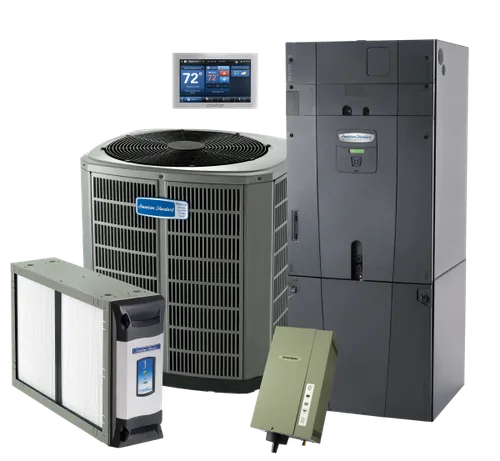
Baker's Mechanical Services is a residential HVAC company based in Tulsa, OK, providing installation, maintenance, and repair for heating and cooling systems. They offer services including air quality solutions such as humidifiers, air cleaners, and air purification systems. Serving Tulsa and surrounding areas, the company has been operating since 2009 and focuses on optimizing HVAC efficiency and lifespan through semi-annual maintenance programs.
Total Comfort Solutions LLC
11 W 40th St, Sand Springs, OK 74063
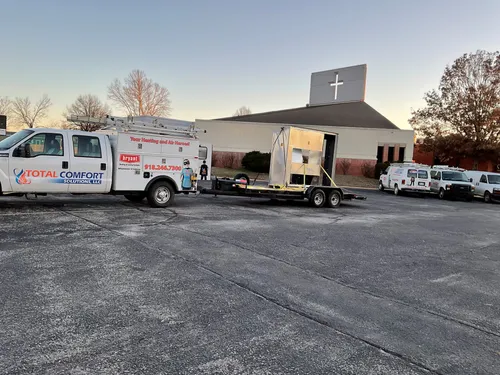
Total Comfort Solutions LLC provides comprehensive heating, ventilation, and air conditioning services in Tulsa, OK. Their certified team handles installations, repairs, maintenance, and indoor air quality improvements for both residential and commercial properties. The company offers 24/7 emergency HVAC repair services to address urgent needs any time of day. With decades of experience, Total Comfort Solutions specializes in energy-efficient heating and cooling systems designed to enhance comfort and air quality throughout the year.
Air Assurance Heating, Air Conditioning & Plumbing
1301 W SW Expy Dr, Broken Arrow, OK 74012
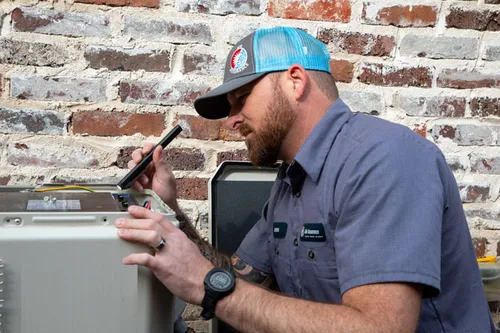
Air Assurance Heating, Air Conditioning & Plumbing is a locally owned company serving Tulsa, OK, and surrounding communities since 1985. They provide residential and commercial services including heating and air conditioning installation, repair, and maintenance, as well as plumbing and indoor air quality solutions. Their capabilities include air duct cleaning and air purification to improve home air quality. With 40 years of experience, Air Assurance offers comprehensive HVAC and plumbing services to keep homes comfortable year-round.
Common Heating and Cooling System Choices for Broken Arrow Homes
When planning a new system installation, the first step is selecting the right type of equipment for your home. The local climate, your home's layout, and your budget all play a role. In Broken Arrow, a few primary options are most common for residential HVAC projects.
Central Air Conditioning & Furnace Systems: This is the traditional and most widespread choice for whole-home comfort. It involves a split system with an outdoor air conditioner (condenser) and an indoor furnace, connected by refrigerant lines and ductwork. This setup is ideal for replacing an existing, similar system and provides consistent temperature control throughout the entire house.
Ductless Mini-Split Systems: These are an excellent solution for homes without existing ductwork, for room additions, or for creating zoned temperature control in specific areas. A mini-split consists of an outdoor compressor unit connected to one or more indoor air handlers mounted on walls or ceilings. They offer high efficiency and the flexibility to heat or cool individual rooms independently.
High-Efficiency Units: Regardless of the system type, opting for higher efficiency ratings translates to lower utility bills. For cooling, look for a high SEER (Seasonal Energy Efficiency Ratio) rating. For heating, a high AFUE (Annual Fuel Utilization Efficiency) percentage indicates better performance. While these units have a higher upfront cost, the long-term energy savings in Oklahoma's hot summers and variable winters can be substantial.
The Step-by-Step Process of a New HVAC Installation
A professional HVAC setup is a detailed process that goes far beyond simply swapping an old box for a new one. Understanding the steps involved can help you know what to expect and ensure the job is done correctly.
1. Site Evaluation and System Sizing: This is the most critical first step. A qualified technician will perform a Manual J load calculation, which assesses your home's square footage, insulation levels, window types, and ductwork to determine the exact heating and cooling capacity (measured in tons or BTUs) your home needs. Proper sizing prevents an oversized system that short-cycles or an undersized one that struggles to keep up.
2. Securing Permits: Reputable contractors will handle pulling any required local permits from the City of Broken Arrow. This ensures the installation will be inspected and meet all building and safety codes, protecting your investment.
3. Removal of Old Equipment: The installation crew will safely disconnect and remove your old indoor furnace or air handler, outdoor condenser, and any associated components. They will also properly recover any remaining refrigerant according to environmental regulations.
4. Installation of New Equipment: The new outdoor condenser is placed on a stable, level pad. Indoors, the new furnace or air handler is installed and secured. The refrigerant lineset (copper tubing) is connected between the units. For ductless systems, the wall-mounted indoor units are installed and connected to the outdoor compressor via lines run through a small hole in the wall.
5. Ductwork and Electrical Modifications: If your existing ductwork is in good condition, it will be connected to the new indoor unit. If modifications, sealing, or new duct runs are needed, this work is completed. New electrical wiring and circuits are run to power the equipment, and new condensate drain lines are installed to handle moisture removal 1.
6. System Testing and Startup: Once everything is physically installed, the technician will charge the system with refrigerant, test airflow across the coils, check all electrical connections for safety, calibrate the thermostat, and start the system. They will verify that heating and cooling modes work correctly and that the system is operating within designed specifications.
What to Expect: Timelines and Project Duration
The timeline for your HVAC installation project depends largely on the scope and complexity of the work. A straightforward replacement is much quicker than a full system changeover with new ductwork.
Standard AC or Furnace Replacement: For a simple swap of an existing central air conditioner and furnace with no major ductwork changes, the installation is often completed in a single day, typically within 4 to 8 hours.
Complex Installations: Projects that involve installing a new system in a home without existing ducts, or that require significant ductwork modifications, electrical upgrades, or custom fabrication, will take longer. These more involved installations can take 1 to 3 days or more to complete properly 2 3.
Having a clear timeline from your contractor at the quote stage helps you plan accordingly. A professional crew will work efficiently while maintaining a clean and safe worksite in your home.
Find the perfect hvac installers for your needs
Get personalized recommendations and expert advice
Key Factors That Influence Installation Cost
The cost for a new heating and air conditioning system in Broken Arrow can vary widely. It's not just the price of the equipment; labor, materials, and home-specific factors create the final project estimate.
Equipment Type and Efficiency: As mentioned, a basic standard-efficiency central system will cost less upfront than a high-SEER, variable-speed model or a multi-zone ductless mini-split system. Brand choice (e.g., Lennox, Carrier, Trane) also affects the price.
Scope of Installation Labor: Is it a simple "like-for-like" swap, or does it require new electrical wiring, a new concrete pad, or extensive ductwork redesign? Labor is a significant portion of the total cost, and complex jobs require more skilled hours 4.
Condition of Existing Infrastructure: This is a major variable. If your home's existing ductwork is poorly sized, leaky, or damaged, it must be repaired or replaced for the new system to perform efficiently. Discovering this need during the project can increase costs, which is why a thorough pre-installation evaluation is so important.
Permits and Local Regulations: The fees for required building permits in Broken Arrow will be included in your project cost. A legitimate contractor will never suggest skipping this step.
Given these factors, homeowners can expect a full system replacement (furnace, coil, and condenser) to range from approximately $4,000 to $14,000 or more 5 6. The only way to get an accurate price is through an on-site evaluation and a detailed, itemized written quote.
Essential Considerations Before You Install
To ensure a successful outcome, keep these critical points in mind as you plan your HVAC project.
Never Skip Proper Sizing: Insist on a Manual J load calculation. Guessing or using "rule of thumb" sizing leads to an inefficient, uncomfortable home and higher operating costs. An oversized system will cool or heat the space too quickly, shutting off before properly dehumidifying your air-a crucial factor in Oklahoma's humidity 7.
Evaluate Your Ductwork: Your ducts are the delivery system for your conditioned air. Have them inspected as part of the initial quote. Sealing leaks and ensuring proper sizing can improve your new system's efficiency by up to 20% or more. Investing in ductwork improvements at the time of installation is often more cost-effective than doing it later 8.
Get Clear, Upfront Pricing: A trustworthy contractor will provide a written, detailed proposal that breaks down costs for equipment, labor, materials, and permits. It should specify the exact model numbers being proposed. Be wary of vague estimates or high-pressure sales tactics.
Check Credentials: Verify that the contractor is licensed, insured, and has positive local references. In Oklahoma, HVAC contractors must hold a license through the Construction Industries Board (CIB). This protects you in case of accidents or substandard work.
Frequently asked questions
Sources
Footnotes
-
Step-by-Step HVAC Installation Guide - Carrier - https://www.carrier.com/residential/en/us/products/air-conditioners/hvac-installation/ ↩
-
What is the timeline for an HVAC installation? - Citywide Refrigeration - https://citywide-refrigeration.com/2025/06/what-is-the-timeline-for-an-hvac-installation/ ↩
-
How Long Does It Take To Replace Your HVAC System? - https://downeyplumbing.com/blog/how-long-does-it-take-to-replace-your-hvac-system/ ↩
-
Air Conditioning Installation: A Step-by-Step Process - https://nexgenairandplumbing.com/blog/air-conditioning-installation-a-step-by-step-process/ ↩
-
Heating and Air Conditioning Installation in Broken Arrow, OK - https://www.homedepot.com/services/l/ok/broken-arrow/heating-air-conditioning-installation/c16fbb4b7 ↩
-
Heating & Cooling Repair Pros In Broken Arrow, OK - Modernize - https://modernize.com/near-me?find=heating-cooling-repair&location=Broken-Arrow,OK ↩
-
Factors to Consider When Installing a New HVAC | Fahnestock - https://fahnestockhvac.com/2023/03/13/10-factors-to-consider-when-installing-a-new-hvac-system-in-your-home/ ↩
-
AC Installation in Broken Arrow, OK - Air Dynamics of Tulsa - https://airdynamicsoftulsa.com/ac-installation-broken-arrow/ ↩