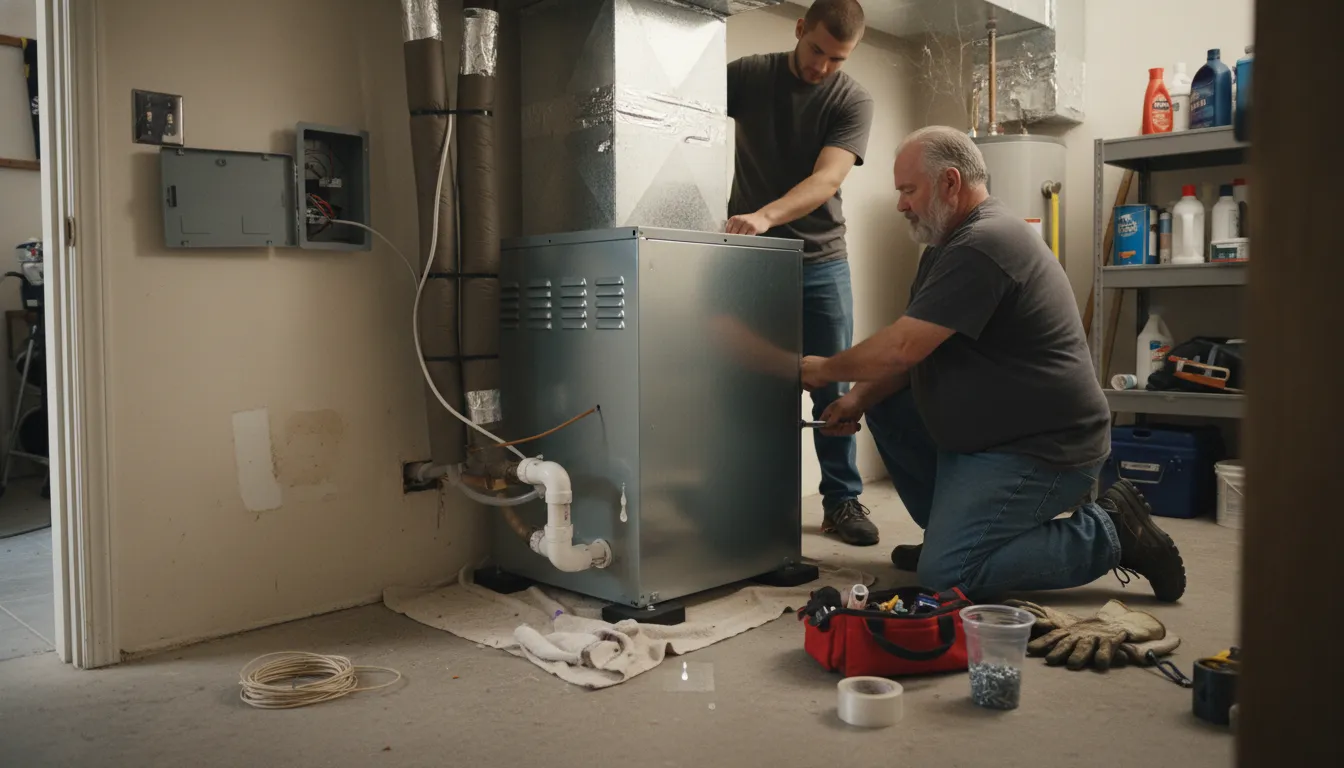
Find the Best HVAC Installers for Your Business
No obligation • Fast responses • Nationwide coverage

Why you can trust HVAC Firms
HVAC Firms is a leading United States resource for evaluating HVAC service providers. Our team researches companies, checks credentials, and reviews customer feedback to present clear, unbiased information. Listings and rankings are based on merit, and companies cannot pay to change our editorial content.
Search providers near you
Top HVAC Installers in Yonkers, New York Ranked
Upgrading your home's heating and cooling system is a significant investment that directly impacts your comfort, energy bills, and indoor air quality. For Yonkers residents, navigating the options for a new HVAC system-from efficient heat pumps to traditional central air and furnace setups-can be complex. This guide explains the key considerations, processes, and local factors involved in a successful HVAC installation, helping you make an informed decision and connect with qualified professionals in your area.
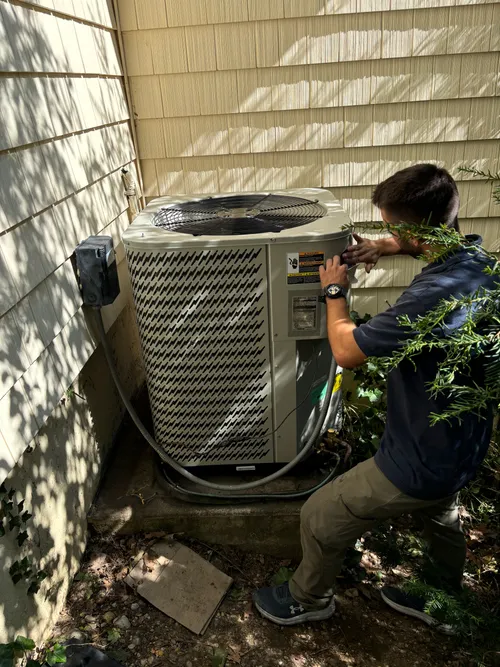
KOKA-TECH HVAC INC
60-21 Menahan St, Ridgewood, NY 11385
KOKA-TECH HVAC INC provides professional heating and cooling services in New York, NY, including installation, repair, and tune-ups for air conditioners, furnaces, heat pumps, boilers, and mini splits. They offer 24/7 emergency support and same-day availability, serving Queens, Brooklyn, Manhattan, Bronx, and Long Island. The company is licensed and insured, with a strong local presence and expertise in NYC buildings. With nearly 300 five-star reviews, KOKA-TECH HVAC INC is recognized for upfront quotes and customer approval before starting work.
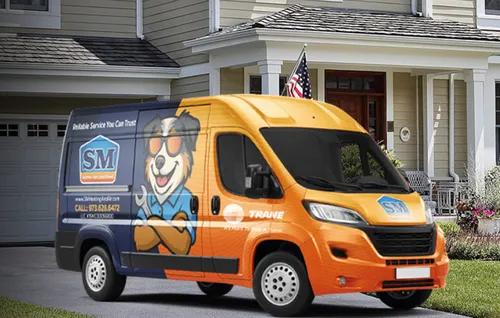
SM Heating and Air Conditioning Inc.
94 Wanaque Ave #1, Pompton Lakes, NJ 07442
SM Heating and Air Conditioning Inc. offers heating and air conditioning services in New York, NY, and the surrounding New Jersey areas including Pequannock and Morris County. The company provides a range of HVAC services such as air conditioner and furnace repair, installation, maintenance, and indoor air quality solutions. With over 25 years of experience, they handle everything from preventive maintenance to full system replacements and offer same-day service to address urgent needs promptly.
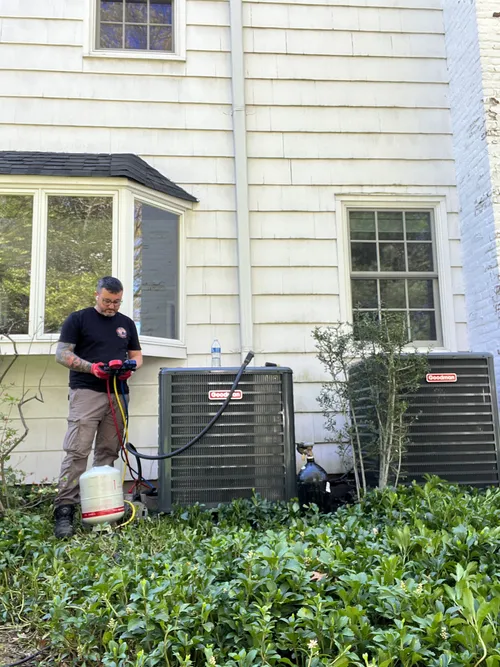
Air Cubes HVAC
2431 Dorchester Rd, Union, NJ 07083
Air Cubes HVAC is a family-owned HVAC contractor serving Newark, NJ, and surrounding areas in Essex, Hudson, Middlesex, and Union counties. They provide heating and air conditioning services including installation, repair, and maintenance for furnaces, air conditioners, heat pumps, and duct systems. The company is fully licensed and insured, with a master HVACR contractor leading the team. Air Cubes HVAC offers duct cleaning and HVAC tune-up services to help maintain system efficiency and comfort year-round.
Aeromark Mechanical Inc
153 Morgan St, Jersey City, NJ 07302
Aeromark Mechanical Inc provides residential and commercial HVAC services in New York, NY, and the surrounding Northern New Jersey area. They specialize in heating and air conditioning repair, installation, and maintenance, including heat pumps, ductless HVAC systems, and indoor air quality solutions. With over 15 years of experience, Aeromark Mechanical offers seasonal maintenance plans and has expertise in installing advanced systems like VRF and high-velocity HVAC. Their certified technicians also handle smart thermostat installations and duct repair services.
P.A.C. Plumbing, Heating, & A/C
545 Port Richmond Ave, Staten Island, NY 10302
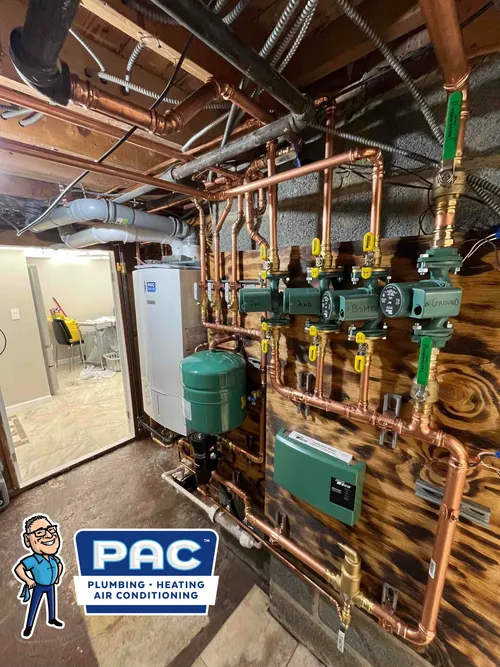
P.A.C. Plumbing, Heating, & A/C is a full-service plumbing and HVAC company serving Newark, NJ, and surrounding areas. They provide a range of services including air conditioning and furnace repair and installation, as well as indoor air quality solutions. The company is known for offering accurate diagnoses and tailored service options to fit different budgets. Their team is experienced in handling various plumbing and HVAC issues, with a focus on long-term comfort through maintenance plans. P.A.C. Plumbing, Heating, & A/C has been recognized locally for its service quality and commitment to the community.
Popular HVAC System Options for Yonkers Homes
When planning a new heating and air conditioning installation, Yonkers homeowners typically choose between a few primary system types, each with distinct advantages. The right choice depends on your home's existing infrastructure, your budget, and your efficiency goals.
Heat Pumps (Ductless Mini-Splits or Central Systems) Heat pumps are highly efficient systems that provide both heating and cooling by transferring heat rather than generating it. Ductless mini-split systems are excellent for homes without existing ductwork or for adding zoned comfort to specific rooms, as they consist of an outdoor unit connected to one or more indoor wall-mounted units. Central heat pump systems work with existing ductwork to provide whole-home comfort. Both types are particularly effective in Yonkers' climate and can lead to substantial energy savings.
Central Air Conditioner & Furnace (Split Systems) This is the traditional setup for many homes with ductwork. It pairs a high-efficiency air conditioner (measured by its SEER, or Seasonal Energy Efficiency Ratio) with a modern gas or oil furnace (measured by its AFUE, or Annual Fuel Utilization Efficiency). This split system offers reliable, powerful heating and cooling for the entire house.
High-Efficiency Units Regardless of the system type, opting for ENERGY STAR certified models is a smart move. These units meet strict efficiency guidelines set by the U.S. Environmental Protection Agency. For air conditioners, look for a high SEER rating (16 or above is common for high-efficiency models). For furnaces, a high AFUE percentage (90% or more) indicates more of the fuel's energy is converted into usable heat 1 2.
The HVAC Installation Process: What to Expect
A professional HVAC setup is a multi-step process that ensures your system is correctly sized, safely installed, and operating at peak performance. Understanding this process can help you prepare for the project timeline and know what your contractor is doing.
1. Site Evaluation and System Sizing The first and most critical step is a comprehensive home evaluation by a licensed contractor. They will assess your home's square footage, insulation, window quality, and existing ductwork to calculate the precise heating and cooling load. An improperly sized system will struggle with comfort and efficiency. The contractor will also discuss your options and pull any necessary permits from the City of Yonkers.
2. Preparation and Old System Removal On installation day, the crew will prepare the work areas, laying down protective coverings. They will then safely disconnect and remove your old furnace, air conditioner, or heat pump. This includes proper recovery of any remaining refrigerant in accordance with environmental regulations.
3. Ductwork and Infrastructure Preparation If you have ductwork, the installer will inspect it for leaks, damage, or inadequate sizing. Necessary repairs, sealing, or modifications will be made to ensure optimal airflow. For systems with an outdoor unit (condenser), a stable, level concrete pad will be prepared if one is not already in suitable condition.
4. New Unit Installation This phase involves the physical placement and connection of all new components. For a central system, this includes installing the indoor furnace or air handler with its new coil, mounting the outdoor condenser, connecting refrigerant lines and electrical wiring, and setting up the new thermostat. For ductless systems, the outdoor unit is mounted, and refrigerant lines are run through small holes in the wall to connect the indoor heads 3.
5. System Testing, Startup, and Balancing Once everything is connected, the technician will charge the system with refrigerant, start it up, and test all operations. They will check refrigerant pressures, electrical readings, airflow at all vents, and the thermostat's communication with the equipment. The system will be balanced to ensure even comfort throughout your home, and the installer will often provide a walkthrough to explain its basic operation and maintenance 4.
Find the perfect hvac installers for your needs
Get personalized recommendations and expert advice
Understanding Costs and Incentives
The total cost for a new HVAC installation in Yonkers can vary widely based on several factors, but understanding the breakdown and available financial incentives can make the project more affordable.
Total Cost Range For a standard central air conditioner and furnace replacement or a ductless mini-split system, Yonkers homeowners can expect a total cost ranging from $4,000 to over $10,000 5 6. This includes both the equipment and professional labor. Key factors influencing the price include:
- System Size and Type: Larger homes require more capacity (measured in tons). Heat pumps and high-efficiency models have a higher upfront cost.
- Equipment Efficiency: Units with higher SEER or AFUE ratings are more expensive but save on utility bills.
- Ductwork Modifications: Significant repairs or new duct runs add to the project cost.
- Brand and Features: Premium brands and units with advanced features (like variable-speed motors) cost more.
- Labor and Permits: Local labor rates and city permit fees are part of the final quote 7.
Rebates and Tax Credits A significant way to offset installation costs is through available incentives. New York State and federal programs reward homeowners who choose high-efficiency equipment.
- NYSERDA Rebates: The New York State Energy Research and Development Authority often offers cash rebates for the installation of qualified high-efficiency heat pumps and other HVAC equipment. Your contractor should be familiar with current programs.
- Federal Tax Credits: The Inflation Reduction Act provides federal income tax credits for certain high-efficiency heating and cooling equipment, including heat pumps and central air conditioners that meet specific efficiency tiers.
- Utility Incentives: Local utility companies may also offer rebates or special financing for energy-efficient upgrades.
How to Plan Your Yonkers HVAC Project
Taking a structured approach to your heating and cooling replacement will help ensure a smooth process and a satisfactory outcome.
Get Multiple Detailed Quotes It is highly recommended to get written, in-home estimates from at least three licensed and insured local HVAC contractors. Be wary of quotes given over the phone without a site visit. A proper quote should include a detailed load calculation, specific model numbers of the proposed equipment, a breakdown of all costs (equipment, labor, permits), and a projected timeline.
Ask the Right Questions When meeting with contractors, ask pointed questions:
- "Are you licensed and insured for work in Yonkers?"
- "Will you handle pulling the required permits?"
- "What is the proposed system's estimated SEER and AFUE?"
- "Do you know of any current NYSERDA or federal incentives for this equipment?"
- "What does your warranty cover on both parts and labor?"
Check for Incentives Proactively Don't assume rebates will be automatically applied. Discuss available incentives with each contractor and verify the information yourself through the NYSERDA website or with your utility provider. A reputable installer will help you navigate these programs to maximize your savings 8.
Frequently asked questions
Sources
Footnotes
-
New HVAC System Installation - YORK - https://www.york.com/residential-equipment/getting-started/installing-a-new-system ↩
-
YORK HVAC Systems | Heating & Air Conditioning Equipment - https://a1solarstore.com/air-conditioners/york-conditioners.html ↩
-
A Step-by-Step Guide to Air Conditioner Installation - https://candcheat.com/a-step-by-step-guide-to-air-conditioner-installation/ ↩
-
Step-by-Step HVAC Installation Guide - Carrier - https://www.carrier.com/residential/en/us/products/air-conditioners/hvac-installation/ ↩
-
Factors to Consider When Installing a New HVAC | Fahnestock - https://fahnestockhvac.com/2023/03/13/10-factors-to-consider-when-installing-a-new-hvac-system-in-your-home/ ↩
-
1.5-Ton AC Unit Installed Price - Fixr.com - https://www.fixr.com/costs/1-5-ton-air-conditioner ↩
-
What to Expect During an HVAC Installation | Five Star Home Services - https://www.myfivestarhomeservices.com/what-to-expect-during-an-hvac-installation/ ↩
-
Heating and Air Conditioning Installation Projects in Yonkers ... - https://www.homedepot.com/services/l/ny/yonkers/heating-air-conditioning-installation/c16fbb4b7/projects/page/1?emt=lcpcabinet_block_2404 ↩