Find the Best HVAC Installers for Your Business
No obligation • Fast responses • Nationwide coverage

Why you can trust HVAC Firms
HVAC Firms is a leading United States resource for evaluating HVAC service providers. Our team researches companies, checks credentials, and reviews customer feedback to present clear, unbiased information. Listings and rankings are based on merit, and companies cannot pay to change our editorial content.
Search providers near you
Best HVAC Installers in Nevada Ranked
Installing a new heating and cooling system is a significant investment in your Nevada home. The right HVAC installation ensures year-round comfort, manages extreme desert temperatures, and can lead to substantial savings on your energy bills. This guide explains the key options, regulations, and financial considerations for Nevada residents, helping you make an informed decision when selecting a local professional for your project.
Sun Country Heating & Cooling
6394 Montessouri St. suite a, Las Vegas, NV 89113
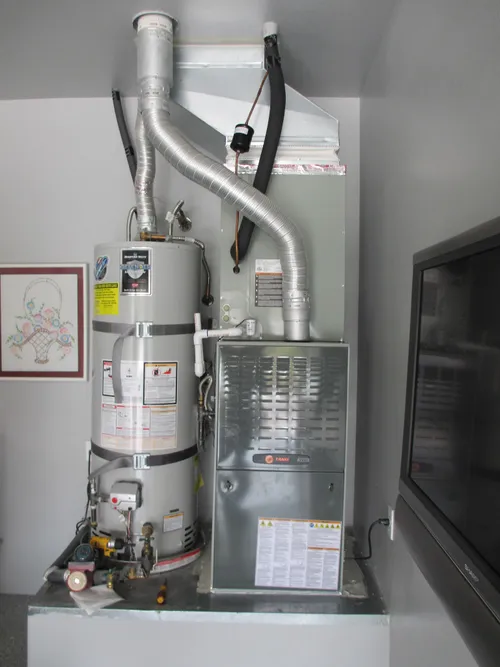
Sun Country Heating & Cooling is an HVAC company based in Las Vegas, NV, offering a full range of heating and cooling services. Their expertise includes air conditioning repair, furnace installation and repair, mini-split installation, and HVAC tune-ups. As a Trane Comfort Specialist, they install and maintain systems from a leading manufacturer, ensuring efficient and reliable home comfort. The company provides 24/7 emergency repair services to address urgent HVAC issues promptly.
Black Mountain Air
660 Middlegate Rd, Henderson, NV 89011
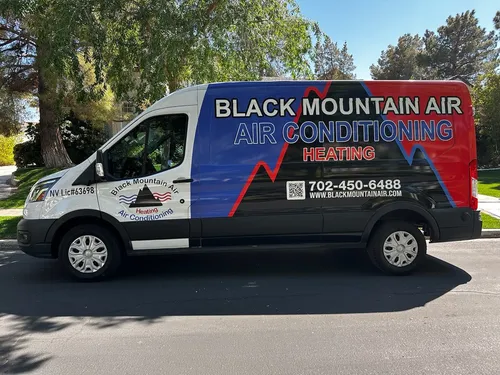
Black Mountain Air is a family-owned HVAC company serving residential and commercial clients in Las Vegas, NV. They offer a wide range of heating and cooling services including air conditioner and furnace repair, installation, maintenance, and ductless mini-split system installation. Their technicians are licensed, insured, and trained to handle various HVAC brands and models. With over 10 years of experience, Black Mountain Air provides service throughout the Las Vegas Valley and surrounding areas, focusing on transparent pricing and customer education.
Hot Cold Air Inc.
5818 Spring Mountain Rd # 204, Las Vegas, NV 89146
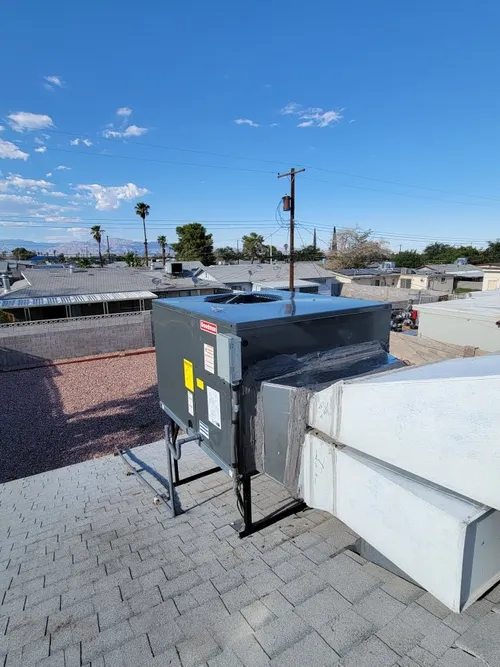
Hot Cold Air Inc. is an HVAC service provider based in Las Vegas, NV, offering air conditioning repair, installation, thermostat installation, and system maintenance. Serving the Las Vegas area, they specialize in fast AC repairs, professional HVAC installations, and energy-efficient system upgrades. Established in 2009, the company has over 15 years of experience and provides 24/7 emergency air conditioning services to help customers stay comfortable year-round.

RB Rockwell Brothers Air Conditioning / Heating and IAQ Experts
3325 W Ali Baba Ln #609, Las Vegas, NV 89118
RB Rockwell Brothers Air Conditioning / Heating and IAQ Experts serves homeowners in Las Vegas, NV, with a range of HVAC services. They provide AC repair, installation, furnace repair, and seasonal maintenance. Their services also include duct cleaning, sealing, and filtration upgrades to improve indoor air quality by reducing dust and allergens. The company offers expert advice on HVAC maintenance and indoor air quality to help customers make informed decisions about their home comfort.
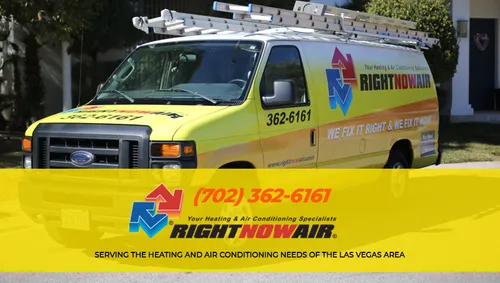
Right Now Air
2900 E Patrick Ln Suite 1, Las Vegas, NV 89120
Right Now Air is a family-owned HVAC company serving Las Vegas, NV. They offer air conditioning repair, installation, and tune-up services with a focus on residential systems. Their certified technicians handle most brands and provide 24/7 emergency air conditioning service to address urgent cooling issues. The company emphasizes regular maintenance to extend system life and offers guidance on repair versus replacement decisions. Right Now Air is locally operated and committed to safety, employing drug-free, insured staff and providing exact price quotes.
Understanding Your HVAC System Options in Nevada
Nevada's climate, characterized by hot, dry summers and cool winters, demands reliable and efficient climate control. The primary systems suitable for homes include central air conditioners, heat pumps, and ductless mini-splits. Each has distinct advantages depending on your home's layout and your comfort goals.
Central Air Conditioners are the most common choice for homes with existing ductwork. They provide powerful, whole-home cooling and are often paired with a furnace for heating. When replacing an old system, this is typically the most straightforward option if your ducts are in good condition.
Heat Pumps (Air Source) are increasingly popular in Nevada because they provide both highly efficient heating and cooling in one unit. They work by transferring heat rather than generating it, making them exceptionally energy-efficient for the state's moderate winter climate. Modern models perform well even on cooler nights and are a cornerstone of energy-efficient home upgrades. 1
Ductless Mini-Split Systems are ideal for homes without existing ducts, for room additions, or for creating zoned comfort. These systems consist of an outdoor compressor unit connected to one or more indoor air handlers. They offer flexible installation, individual room control, and high efficiency, making them a smart solution for many Nevada properties.2
Nevada's Efficiency Standards and Regulations
To promote energy conservation, federal and regional standards dictate the minimum efficiency for new HVAC installations. Nevada falls within the Southwest Region for these regulations.
For new central air conditioners and air-source heat pumps installed, the minimum Seasonal Energy Efficiency Ratio 2 (SEER2) is 14.3. SEER2 is the updated metric for measuring cooling efficiency; a higher number means greater efficiency and lower operating costs. For heat pumps, which also provide heat, the Heating Seasonal Performance Factor 2 (HSPF2) is also regulated, with a minimum of 7.8.
It's important to note that these are minimum standards. Investing in a system with a higher SEER2 and HSPF2 rating will significantly reduce your monthly energy usage, especially during Nevada's long cooling season. Many utility rebates and federal incentives require efficiency levels well above these minimums.
Cost Breakdown for HVAC Installation
The total cost of a new HVAC system in Nevada varies widely based on system type, size, efficiency, and the complexity of the installation. Here's a general overview of installed costs:
- Central Air Conditioner or Heat Pump System: Typically ranges from $6,000 to $15,000 3. The higher end of this range covers variable-speed, high-efficiency models (18+ SEER2), complex installations, or situations requiring significant ductwork modifications.
- Ductless Mini-Split System: For a single-zone system (one outdoor unit, one indoor head), costs generally start around $3,000 and can reach $8,500 or more for multi-zone configurations that cool multiple rooms4 5.
Several key factors influence the final price:
- System Size & Capacity: An undersized unit will struggle, and an oversized unit will short-cycle, leading to inefficiency and discomfort. A professional will perform a Manual J load calculation to determine the correct size for your home.
- Efficiency Rating (SEER2/HSPF2): Higher-efficiency units have a higher upfront cost but offer lower long-term operating expenses.
- Equipment Brand: Premium brands often command higher prices but may come with better warranties and reliability.
- Ductwork Condition: Existing ductwork may need sealing, insulation, or resizing to work optimally with a new, efficient system. Homes without ducts will require the installation of new ducting or a ductless system.6
- Labor & Installation Complexity: The expertise of the installer is critical. A quality installation is as important as the equipment itself for performance and longevity.
Find the perfect hvac installers for your needs
Get personalized recommendations and expert advice
Rebates and Incentives for Nevada Homeowners
To offset the cost of high-efficiency upgrades, Nevada homeowners can take advantage of several financial incentives.
NV Energy Rebates: NV Energy offers direct rebates for qualifying high-efficiency air conditioning systems and heat pumps. For example, rebates are available for central air conditioners with a SEER2 rating of 15.2 or higher and for certain heat pump models. These rebates are applied directly through participating contractors, reducing your upfront cost.
Federal Tax Credits: The Inflation Reduction Act (IRA) provides federal tax credits for qualified energy-efficient home improvements. You may be eligible for a tax credit of up to $2,000 for the installation of a high-efficiency heat pump or central air conditioner that meets specific efficiency tiers (e.g., 15+ SEER2)7. It's crucial to review the current requirements and keep all manufacturer certification statements for your tax records.
Combining these incentives can dramatically reduce the net cost of a premium, energy-saving system.
Choosing the Right Contractor for Your Installation
The success of your HVAC project hinges on the skill of the installer. Look for a licensed, insured, and experienced contractor who is familiar with Nevada's climate and codes. They should perform a thorough home evaluation, not just a quick equipment swap. Ask for references, detailed written estimates that break down equipment and labor costs, and confirm they will handle any necessary permits. A reputable professional will explain your options clearly, help you navigate available rebates, and prioritize a correct installation for maximum efficiency and comfort.
Maintaining Your New HVAC System
Once your new system is installed, proper maintenance is key to protecting your investment. Schedule annual professional tune-ups-typically a cooling check in the spring and a heating check in the fall. Regularly replace your air filters (every 1-3 months) to maintain airflow and efficiency. Keep the outdoor unit clear of debris, plants, and dust. A well-maintained system will operate more efficiently, last longer, and be less likely to require costly emergency repairs during a Nevada heatwave.
Frequently asked questions
Sources
Footnotes
-
How To Choose The Right HVAC System For Nevada's Unique ... - https://www.bumblebreeze.com/blog/how-to-choose-the-right-hvac-system-for-nevadas-unique-climate/ ↩
-
Las Vegas HVAC Installation Requirements for Residential ... - https://nrs.vegas/blog/air-conditioners/hvac-installation-requirements-for-residential-properties ↩
-
Average HVAC Installation Costs in Las Vegas (2025) - https://mrgateshvac.com/the-cost-breakdown-of-hvac-installation-in-las-vegas-2025-guide/ ↩
-
How Much Is an HVAC System in Las Vegas? - Breezy Blast - https://breezyblast.com/how-much-is-an-hvac-system-in-las-vegas/ ↩
-
Residential Air Conditioning - NV Energy - https://www.nvenergy.com/save-with-powershift/home-energy-saver/residential-ac-and-mid-stream/residential-air-conditioning ↩
-
Most Energy Efficient HVAC Systems 2025: Complete Guide & ... - https://solartechonline.com/blog/most-energy-efficient-hvac-systems-2025/ ↩
-
2025 Residential HVAC wrap-up - https://nrs.vegas/blog/air-conditioners/2025-residential-hvac-wrap-up ↩