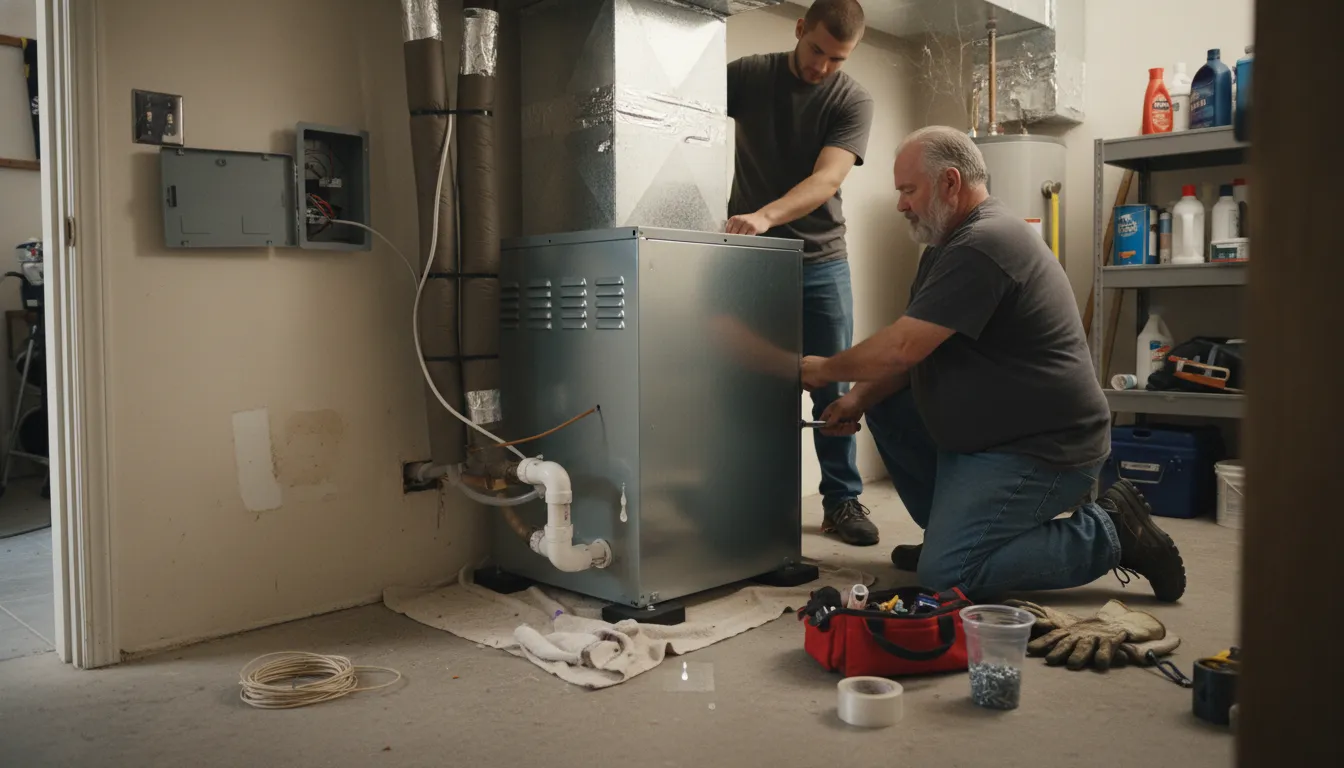
Find the Best HVAC Installers for Your Business
No obligation • Fast responses • Nationwide coverage

Why you can trust HVAC Firms
HVAC Firms is a leading United States resource for evaluating HVAC service providers. Our team researches companies, checks credentials, and reviews customer feedback to present clear, unbiased information. Listings and rankings are based on merit, and companies cannot pay to change our editorial content.
Search providers near you
Best HVAC Installers in New Mexico Ranked
Choosing the right heating and cooling system is a critical decision for New Mexico homeowners. The state's arid climate, with its hot summers and cool winters, demands reliable and efficient HVAC solutions to maintain indoor comfort while managing energy costs. This guide provides essential information on system types, efficiency standards, costs, and key considerations for a successful installation project in New Mexico. You can use this resource to understand your options and connect with qualified local professionals for your specific needs.
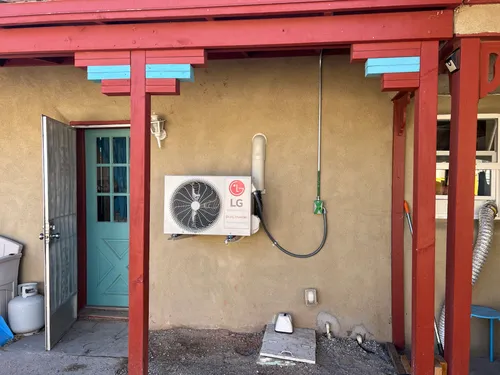
Hi-Tech Heating and Cooling
2601 Wyoming Blvd NE #115D, Albuquerque, NM 87112
Hi-Tech Heating and Cooling provides residential and commercial HVAC services in Albuquerque, NM. With 20 years of experience, they specialize in the installation, repair, and maintenance of air conditioning, heating systems, heat pumps, furnaces, boilers, and ductless mini-splits. Their services include indoor air quality solutions, thermostat installation, and duct cleaning, all tailored to meet the unique climate needs of the Albuquerque area. The company offers comprehensive diagnostics, preventive maintenance, and emergency 24/7 repair services to ensure reliable system performance and comfort year-round. As authorized Lennox and LG dealers, they emphasize precise system sizing and energy-efficient installations backed by a satisfaction guarantee.
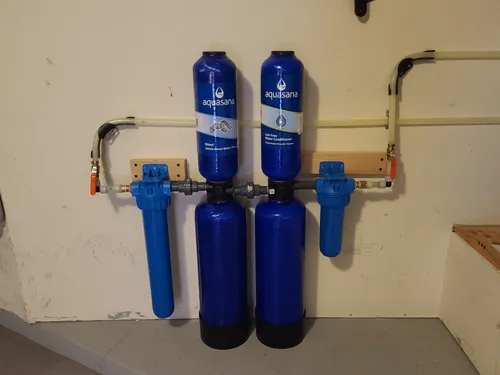
Castle Peak Plumbing, Heating, and Cooling LLC
Albuquerque, NM
Castle Peak Plumbing, Heating, and Cooling LLC provides plumbing and HVAC services in Albuquerque, NM. They offer service, repair, and replacement for water heaters, furnaces, boilers, water softeners, and air conditioning systems. Their residential services include drain cleaning, sewer camera inspections, remodels, water leak prevention, re-insulating A/C lines, and duct cleaning. The company covers a broad range of heating and cooling needs with capabilities such as sewer camera inspections and duct cleaning.
Kidzz Mechanical
11920 Menaul Blvd NE, Albuquerque, NM 87112
Kidzz Mechanical is a licensed contractor based in Albuquerque, NM, offering heating, cooling, plumbing, and electrical services. They provide HVAC repair and installation, including ductless mini split systems, as well as plumbing repairs and electrical upgrades. The company serves a broad area from Santa Fe to Las Cruces and extends into parts of Arizona such as Tucson and Phoenix. Kidzz Mechanical emphasizes precise and professional work supported by a dedicated customer service team. They also offer financing options and assist with tax credits and incentives for qualifying equipment.
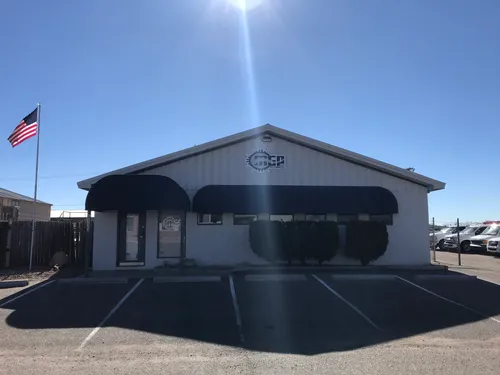
MGP Mechanical
6133 Edith Blvd NE, Albuquerque, NM 87107
MGP Mechanical is a family-owned HVAC and plumbing company serving Albuquerque, NM, and nearby communities since 2013. They provide heating, cooling, and plumbing services including installation, repair, and maintenance of furnaces, heat pumps, boilers, air conditioners, duct systems, and smart thermostats. The company specializes in energy-efficient solutions and offers 24/7 emergency repairs to ensure year-round home comfort. Their capabilities include full HVAC system upgrades and preventive maintenance plans to enhance system performance and reliability.
Thompson Heating & Air Conditioning
3418 Girard Blvd NE, Albuquerque, NM 87107
Thompson Heating & Air Conditioning has been serving Albuquerque, NM, and surrounding areas since 1963. They provide a range of HVAC services including air conditioning, furnace, and boiler repair and installation, as well as HVAC tune-ups. The company also offers custom sheet metal fabrication and seamless gutter installation. Their team includes NATE-certified technicians experienced in both residential and commercial HVAC systems. One notable capability is their expertise in radiant heating systems, including in-floor and baseboard heaters. Thompson Heating & Air Conditioning supports energy-saving initiatives and participates in local green building programs.
Understanding New Mexico's Climate and HVAC Needs
New Mexico's high desert climate presents unique challenges for home comfort systems. Summers are hot and dry, placing a significant demand on air conditioning, while winters can bring freezing temperatures, especially in northern regions and higher elevations. This dual need for effective cooling and heating makes system selection crucial.
The traditional reliance on evaporative coolers, or "swamp coolers," is shifting. While effective in dry heat, they provide limited cooling on humid monsoon days and offer no heating capability. Many homeowners are now upgrading to refrigerated air systems, such as central air conditioners or heat pumps, for more consistent and powerful year-round comfort. The primary focus for any new installation in the state should be on energy efficiency to combat high cooling costs and leverage available incentives for upgrades.
Popular HVAC System Types for New Mexico Homes
Several system types are well-suited to the regional climate. The best choice depends on your home's layout, existing infrastructure, and comfort goals.
Central Air Conditioning and Heat Pumps This category is becoming the standard for whole-home comfort. A central air conditioner paired with a furnace is common, but heat pumps are increasingly popular due to their efficiency in both heating and cooling modes. They work by transferring heat rather than generating it, making them exceptionally efficient for New Mexico's moderate winter heating needs. They are an ideal replacement for homes looking to move away from a swamp cooler and a standalone furnace.
Ductless Mini-Split Systems For homes without existing ductwork, or for adding zoned comfort to specific rooms (like sunrooms or additions), ductless mini-splits are an excellent solution. These systems consist of an outdoor compressor unit connected to one or more indoor air handlers mounted on walls or ceilings. They offer high efficiency and individual room temperature control, avoiding the energy losses associated with ductwork.
Forced-Air Furnace Systems Many older homes in New Mexico already have a forced-air furnace and ductwork. When upgrading, the focus is on installing a new, high-efficiency furnace. Modern gas furnaces have Annual Fuel Utilization Efficiency (AFUE) ratings of 95% or higher, meaning very little fuel is wasted. If your ducts are in good condition, pairing a new furnace with a new central air conditioner or heat pump can be a cost-effective path to full-system modernization1.
Efficiency Standards: SEER2, HSPF2, and What They Mean for You
As of 2023, federal minimum efficiency standards for HVAC equipment have been updated. Understanding these ratings is key to selecting a system that will save you money on utility bills.
- SEER2 (Seasonal Energy Efficiency Ratio): Measures air conditioner and heat pump cooling efficiency. A higher number means greater efficiency. The new minimum standard for split-system central air conditioners in the Southwest is 13.4 SEER2 (equivalent to the old 14 SEER rating).
- HSPF2 (Heating Seasonal Performance Factor): Measures heat pump heating efficiency. Again, a higher rating is better. The new minimum for split-system heat pumps is 7.5 HSPF2 (equivalent to the old 8.8 HSPF).
For New Mexico homes, investing in equipment that significantly exceeds these minimums is often worthwhile. High-efficiency models (e.g., 16-20+ SEER2) have a higher upfront cost but can yield substantial energy savings over the system's lifespan, particularly given the state's heavy cooling load2. Proper sizing and installation are just as important as the rating on the unit; an oversized or poorly installed system will not perform efficiently.
Cost Considerations for HVAC Installation
Installation costs in New Mexico vary widely based on system type, home size, brand, and the complexity of the job, such as ductwork modifications.
- Central Air Conditioner or Heat Pump: For a complete system installation in a typical single-family home, costs generally range from $7,000 to over $18,0003 4. The wide range accounts for home size, system efficiency, and whether new ductwork is needed. The average cost for a heat pump installation after potential rebates is around $14,000.
- Ductless Mini-Split System: Installing a multi-zone system can range from $7,000 to $25,000, depending on the number of indoor units (zones) required5.
- Key Cost Factors: The major variables include the square footage of your home, the brand and features of the equipment (e.g., variable-speed compressors, smart thermostats), the condition and design of existing ductwork, and local labor rates. Replacing an existing system with a similar type is typically less expensive than installing a completely new type of system that requires new infrastructure.
Find the perfect hvac installers for your needs
Get personalized recommendations and expert advice
The Importance of Professional Sizing and Installation
An improperly sized HVAC system is a common and costly mistake. A unit that is too large for your home will "short cycle"-turning on and off frequently-leading to uneven temperatures, higher humidity, increased wear and tear, and reduced efficiency. A unit that is too small will run constantly, struggling to maintain the desired temperature and driving up energy bills.
A qualified professional will perform a Manual J load calculation. This is not a simple square-footage estimate; it's a comprehensive analysis that considers your home's insulation, window types and orientation, air infiltration, local climate data, and more. This calculation determines the precise heating and cooling capacity (measured in BTUs) your home needs for optimal comfort and efficiency. Always ensure your contractor follows this essential step.
Rebates and Incentives for Energy-Efficient Upgrades
Investing in high-efficiency HVAC equipment can be offset by various financial incentives, improving the return on investment.
- Federal Tax Credits: The federal Inflation Reduction Act (IRA) offers tax credits for qualifying high-efficiency heat pumps and other equipment. These can directly reduce your tax liability.
- Utility Rebates: Many New Mexico utility companies, such as PNM and Xcel Energy, offer rebates for upgrading to high-efficiency air conditioners, heat pumps, or for converting from an evaporative cooler to a refrigerated air system. For example, the City of Rio Rancho has offered rebates for central AC conversions.
- State Programs: It's worthwhile to check for any state-specific energy efficiency programs that may provide grants or low-interest loans for home upgrades.
A knowledgeable local HVAC contractor should be aware of the current incentives available and can help you identify which ones you may qualify for.
Long-Term Value: Energy Savings and System Longevity
The initial investment in a quality, high-efficiency HVAC system pays dividends over time. The energy savings from a modern system compared to an older, less efficient model or an evaporative cooler can be significant, often saving homeowners hundreds of dollars annually on their utility bills 6.
Furthermore, a correctly sized and professionally installed system will experience less strain, leading to fewer repairs and a longer operational lifespan. Regular maintenance, such as annual tune-ups and filter changes, is also essential to protect your investment and ensure the system continues to operate at its rated efficiency for years to come.
Frequently asked questions
Sources
Footnotes
-
What Are The Best Heating Systems For New Mexico | Blog - https://santaferealestateproperty.com/blog/what-are-the-best-heating-systems-for-new-mexico ↩
-
Energy-Efficient Cooling Solutions for New Mexico Homes - https://asph.com/energy-efficient-cooling-solutions-for-new-mexico-homes/ ↩
-
How Much Does it Cost to Install a Central AC in New Mexico? - https://www.tlcplumbing.com/how-much-does-it-cost-to-install-a-central-ac-in-new-mexico/ ↩
-
Central AC Installation Cost in NM | Roadrunner - https://roadrunnerairconditioning.com/blog/cost-of-central-ac-installation-in-new-mexico/ ↩
-
Heating and Cooling: Heat Pumps - 350 New Mexico - https://350newmexico.org/heating-and-cooling-heat-pumps-copy-copy/ ↩
-
New Mexico Residential Energy Efficiency Potential - ResStock - https://resstock.nrel.gov/factsheets/NM ↩