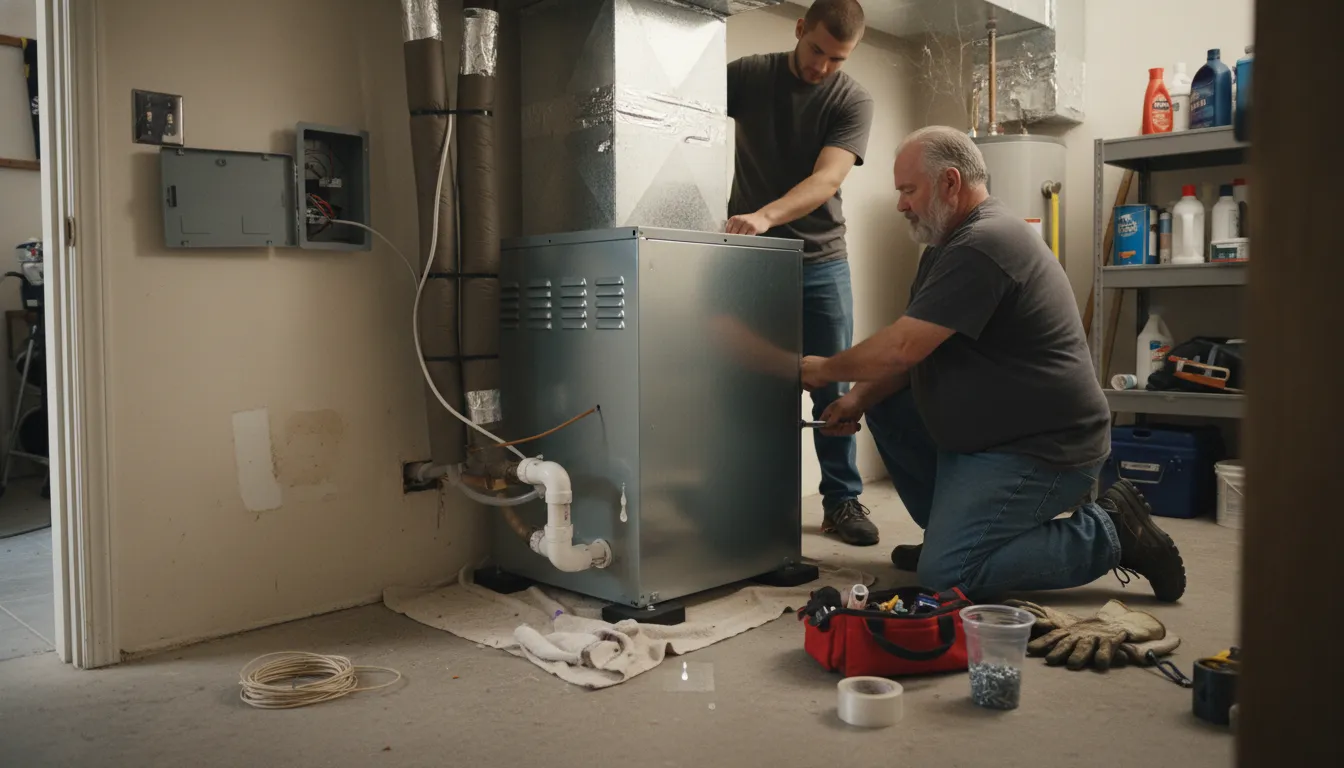
Find the Best HVAC Installers for Your Business
No obligation • Fast responses • Nationwide coverage

Why you can trust HVAC Firms
HVAC Firms is a leading United States resource for evaluating HVAC service providers. Our team researches companies, checks credentials, and reviews customer feedback to present clear, unbiased information. Listings and rankings are based on merit, and companies cannot pay to change our editorial content.
Search providers near you
Best HVAC Installers in Nebraska Ranked
Installing a new heating and cooling system is a significant investment in your home's comfort, efficiency, and value. In Nebraska, this process is guided by specific state energy codes and influenced by the local climate, which demands reliable performance through hot summers and cold winters. This guide explains the key considerations for a new system installation, from equipment choices and regulations to costs and incentives, helping you make an informed decision and connect with qualified local professionals.
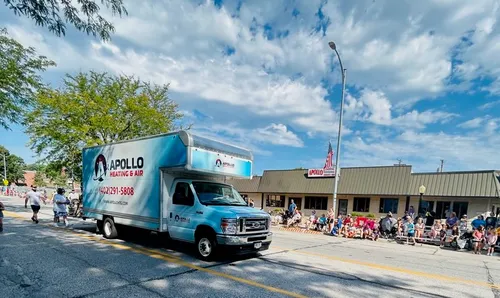
Apollo Heating & Air Conditioning
114 W Mission Ave, Bellevue, NE 68005
Apollo Heating & Air Conditioning is a family-owned HVAC company serving Omaha, NE, and the surrounding areas including southeast Nebraska and southwest Iowa. Established in 1971, they provide a wide range of heating and cooling services such as furnace, heat pump, and air conditioning installation, repair, and maintenance. The company is a Lennox Premier Dealer but works on all makes and models. They also offer specialized services including geothermal heat pump installation, ductless mini-split systems, custom sheet metal fabrication, and indoor air quality solutions. Apollo Heating & Air Conditioning supports both residential and commercial clients with comprehensive HVAC solutions.
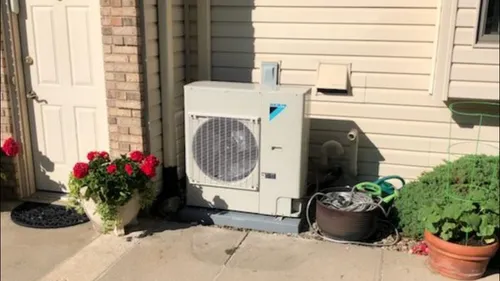
Air Care
15125 Irene St, Omaha, NE 68138
Air Care is a full-service HVAC company serving Omaha, NE, and Council Bluffs. They provide residential and commercial heating, ventilation, and air conditioning services including installation, maintenance, and repair of air conditioners, furnaces, and indoor air quality systems. Air Care is an authorized Daikin and AprilAire dealer with over 20 years of experience. They offer thorough HVAC tune-ups and air quality analysis to ensure safe and efficient system operation.
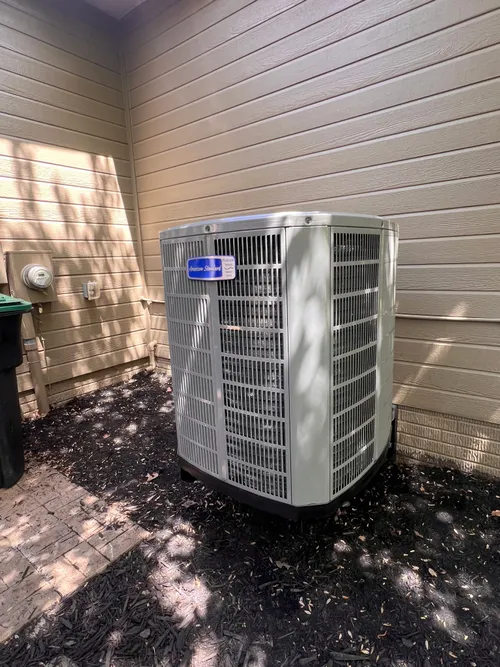
Sustainable
206 E Grant St, Papillion, NE 68046
Sustainable is an HVAC company based in Omaha, NE, offering installation, repair, and replacement services for air conditioners, furnaces, heat pumps, and boilers. They focus on seamless HVAC system installations and efficient repairs to maintain indoor comfort. Sustainable Mechanical Inc. emphasizes sustainable and energy-efficient solutions to improve system performance and contribute to energy savings. Their team is fully licensed and experienced in all aspects of HVAC services in the Omaha area.
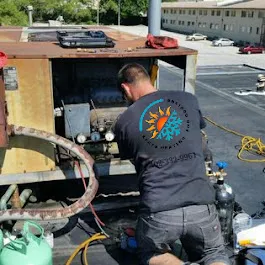
Keats Heating and Cooling
14465 Gilder Ave, Bennington, NE 68007
Keats Heating and Cooling is a locally owned HVAC company based in Omaha, NE, offering heating and air conditioning repair, installation, and maintenance services. Serving Omaha and surrounding communities, they provide expertise in furnace, heat pump, and air conditioning systems. The company has been operating since 2015 and offers 24/7 emergency HVAC repair services to address urgent heating and cooling needs.
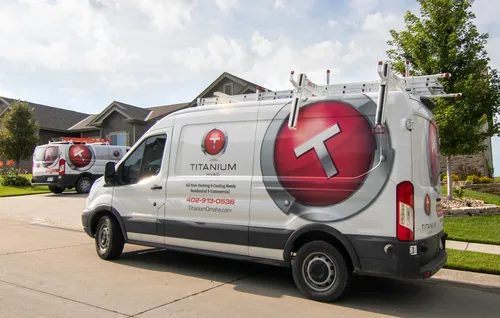
Titanium HVAC
4428 S 139th St, Omaha, NE 68137
Titanium HVAC provides residential and commercial heating and cooling services in Omaha, NE. They specialize in installation, repair, and maintenance of HVAC systems, including ductless mini splits. The company focuses on thorough problem-solving to ensure lasting fixes rather than temporary repairs. Titanium HVAC serves both new construction and existing buildings, aiming to keep customers comfortable despite Omaha's challenging weather.
Understanding Your HVAC System Options
Choosing the right type of system is the first step. The most common configurations for Nebraska homes include:
- Central Air Conditioner & Furnace: This traditional split system uses a gas or propane furnace for heating and a separate outdoor air conditioning unit for cooling. It remains a popular and reliable choice, with high-efficiency models widely available.
- Air-Source Heat Pumps: Gaining significant popularity in Nebraska, a heat pump provides both heating and cooling in one unit. It works by transferring heat, making it exceptionally efficient, especially in moderate temperatures. For Nebraska's colder spells, most systems include efficient electric backup heat 1. Their efficiency often qualifies them for utility rebates.
- Ductless Mini-Split Systems: These are excellent for homes without existing ductwork, for room additions, or for creating independent temperature zones. They consist of an outdoor compressor and one or more indoor air handlers. While less common for whole-home primary systems in Nebraska currently, they offer great flexibility and efficiency.
Nebraska's Energy Code & Installation Standards
New HVAC installations in Nebraska must comply with state-adopted energy codes, which have recently been updated to the 2021 and 2024 International Energy Conservation Code (IECC) standards. These codes aren't just about the equipment you buy; they govern how it must be installed to ensure efficiency and safety.
Key installation requirements include:
- Equipment Efficiency: New air conditioners and heat pumps must meet minimum SEER2 (Seasonal Energy Efficiency Ratio) and HSPF2 (Heating Seasonal Performance Factor) ratings. For example, in much of Nebraska, new central air conditioners must be at least 14 SEER2, and heat pumps must meet 14 SEER2 and 8.2 HSPF2.
- Ductwork Sealing & Testing: This is a critical, often overlooked, part of the code. Ductwork located in unconditioned spaces (like attics or crawlspaces) must be sealed to a leakage rate of less than 4%. Ducts inside the home's conditioned space must be sealed to less than 8% leakage. Proper sealing requires professional testing with specialized equipment 2 3.
- System Airflow & Fan Efficiency: Installers must verify that the system delivers the correct airflow (measured in CFM per ton) for optimal performance and efficiency. Bathroom and kitchen exhaust fans must also meet specific airflow efficacy standards.
- Thermal Envelope Coordination: The HVAC system must be sized and selected in consideration of the home's insulation (R-values), window quality (U-factor and SHGC), and overall air tightness. A Thermal Envelope Certificate is required to document that the home's shell meets code, which directly impacts HVAC needs 4.
Find the perfect hvac installers for your needs
Get personalized recommendations and expert advice
Cost Factors for a New HVAC System
The total cost of an HVAC installation in Nebraska varies widely based on several factors. For a full system replacement (both heating and cooling), homeowners can expect a range from approximately $8,000 to $20,000 or more 5 6 7.
What influences the final price?
- System Type and Size: A basic AC and furnace combo will differ in cost from a high-efficiency heat pump system. The size, measured in tons or BTUs, must be correctly calculated for your home's square footage and layout. An oversized or undersized system will perform poorly 8.
- Equipment Efficiency: Higher SEER2 and HSPF2 ratings indicate greater efficiency and typically come with a higher upfront equipment cost, though they save money on utility bills over time.
- Ductwork Modifications: If your existing ducts are poorly sized, leaky, or non-existent, modifying or installing new ductwork is a major cost factor. The mandatory duct leakage testing and sealing add to the labor cost but are essential for efficiency and code compliance.
- Labor and Complexity: The difficulty of the installation (e.g., multi-story home, attic vs. basement placement) and the rates of the installing contractor affect the price.
- Brand and Features: Different manufacturers and models with advanced features (like variable-speed motors or smart thermostats) will vary in price.
Rebates and Incentives for Nebraska Homeowners
Investing in high-efficiency equipment can be more affordable thanks to incentives.
- Utility Rebates: Many Nebraska utilities, such as the Nebraska Public Power District (NPPD) and local public power districts, offer rebates for installing high-efficiency heat pumps and other qualifying HVAC equipment 9 10 11. These are typically point-of-sale discounts or rebate checks that directly reduce your net cost.
- Energy-Efficient New Construction: Programs exist that provide guidelines and potential benefits for building highly efficient new homes that exceed standard code, which often involves superior HVAC systems.
- Long-Term Savings: The primary financial benefit of a proper, code-compliant installation is reduced monthly energy consumption. A sealed duct system and correctly sized, efficient equipment work together to lower your heating and cooling bills year-round.
The Importance of Professional Installation & Sizing
Never underestimate the value of proper installation. Even the most expensive, efficient unit will waste energy and fail prematurely if installed incorrectly.
- Manual J, S, and D Calculations: Reputable contractors will perform a Manual J load calculation to determine your home's exact heating and cooling needs. This is more accurate than simple "rules of thumb" based on square footage. Manual S is used to select the right equipment, and Manual D is for designing ductwork.
- Code Compliance: A professional installer will be familiar with Nebraska's specific energy code requirements for duct sealing, airflow verification, and documentation, ensuring your installation passes any required inspections.
- Warranty Protection: Most equipment manufacturers require professional installation by a certified technician to keep the product warranty valid.
Preparing for Your Installation Project
Before you get estimates, you can prepare:
- Gather Information: Note the age and model of your current system, any comfort issues you have, and your average monthly energy bills.
- Home Improvements: If you've recently upgraded insulation or windows, inform your contractor, as this affects system sizing.
- Get Multiple Estimates: Seek detailed, written estimates from at least three licensed, bonded, and insured HVAC contractors in Nebraska.
- Review the Quote: A good estimate should include specifics on equipment model numbers (with SEER2/HSPF2 ratings), scope of work (including duct sealing/testing), labor warranty, and a clear total price.
- Ask About Incentives: A knowledgeable contractor should be able to inform you about current local utility rebates for which your new system may qualify.
Frequently asked questions
Sources
Footnotes
-
Heat Pumps 101 - Nebraska Department of Environment and Energy - https://dee.nebraska.gov/sites/default/files/publications/June%202024%20Nebraska%20Energy%20Quarterly.pdf ↩
-
Introducing The 2023 HVAC Regulations Omaha NE | Xtreme - https://xtremeheatingandcooling.com/introducing-the-2023-hvac-regulations-in-omaha/ ↩
-
Chapter 11 [RE] Energy Efficiency: Nebraska Residential ... - https://up.codes/viewer/nebraska/irc-2018/chapter/11/re-energy-efficiency ↩
-
2023 HVAC Regulation Changes - Burton A/C Heating and Plumbing - https://www.justcallburton.com/blog/2023/march/2023-hvac-regulation-changes/ ↩
-
Nebraska Energy Code: 2018, 2021, and 2024 IECC Overview - https://www.mwalliance.org/sites/default/files/media-document/2018%20to%202024%20Energy%20Standard%20Overview%2012%2012%2024%20FINAL.pdf ↩
-
How Much Does an Air Conditioner Cost for a 1,500-Square-Foot Home? - https://www.thisoldhouse.com/heating-cooling/air-conditioner-cost-for-1500-square-foot-home ↩
-
HVAC Installation Costs: AC, Heat Pump, & Furnace - This Old House - https://www.thisoldhouse.com/heating-cooling/hvac-installation-cost ↩
-
Factors to Consider When Installing a New HVAC | Fahnestock - https://fahnestockhvac.com/2023/03/13/10-factors-to-consider-when-installing-a-new-hvac-system-in-your-home/ ↩
-
Electric Heat Pumps - Cornhusker PPD - https://cornhusker-power.com/rebates/electric-heat-pumps/ ↩
-
Energy Efficient Housing Application Guidelines - https://dee.nebraska.gov/sites/default/files/energy/Energy%20Efficient%20Housing%20Application%20Guidelines%202025.pdf ↩
-
Nebraska HVAC Rebates & Incentives For Homeowners - https://www.thermalservices.com/rebates-incentives/ ↩