Find the Best HVAC Installers for Your Business
No obligation • Fast responses • Nationwide coverage

Why you can trust HVAC Firms
HVAC Firms is a leading United States resource for evaluating HVAC service providers. Our team researches companies, checks credentials, and reviews customer feedback to present clear, unbiased information. Listings and rankings are based on merit, and companies cannot pay to change our editorial content.
Search providers near you
Top HVAC Installers in Glenview, Illinois Ranked
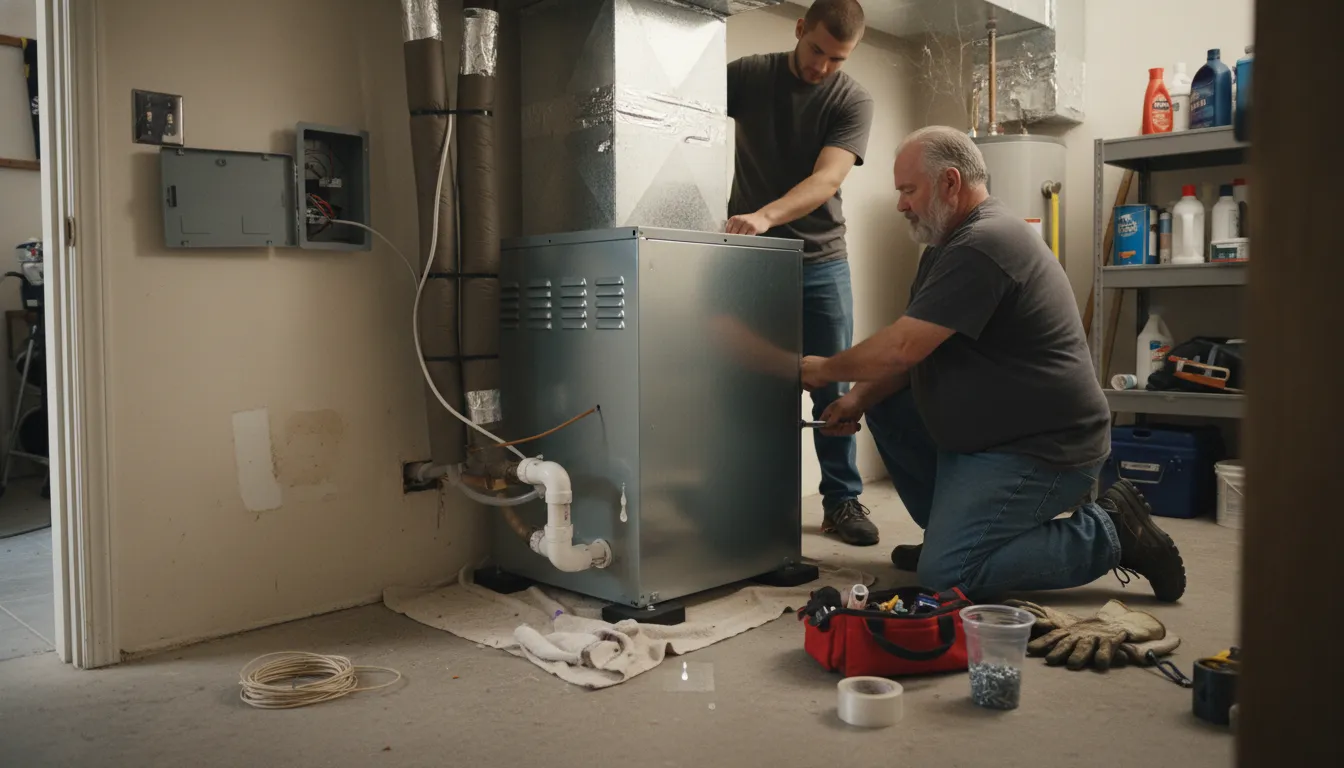
Installing a new heating, ventilation, and air conditioning (HVAC) system is a significant investment in your Glenview home's comfort, efficiency, and value. Whether you're replacing an aging unit, building new, or upgrading for better performance, the right climate control system can drastically reduce energy bills and provide reliable temperature management through our cold winters and humid summers. This guide will help you understand your options, the installation process, and key local considerations, empowering you to make an informed decision when selecting a service provider for your project.
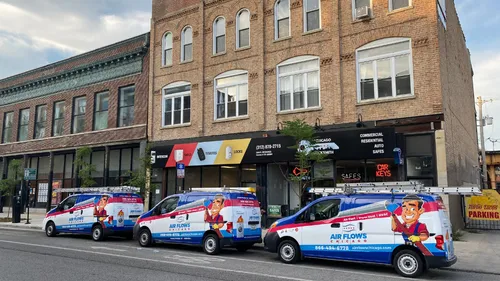
Air Flows Chicago - Belmont
3019 W Belmont Ave, Chicago, IL 60618
Air Flows Chicago - Belmont provides comprehensive HVAC, chimney, and indoor air quality services in Chicago, IL. They offer heating and cooling system installation, repair, and maintenance, including furnaces, boilers, air conditioners, ductless systems, and heat pumps. The company also specializes in chimney sweeping, inspection, and liner services, as well as dryer vent cleaning and repair. Their air duct cleaning and installation services help improve indoor air quality, supported by UV germicidal light installations, humidifiers, and air cleaners. Air Flows Chicago serves both residential and commercial clients and offers 24/7 emergency repair services to minimize downtime.
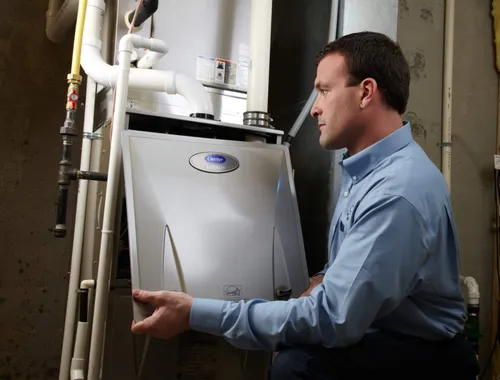
Allied Air Conditioning & Heating Corp.
203 Peterson Rd, Libertyville, IL 60048
Allied Air Conditioning & Heating Corp. is a heating and cooling company serving Chicago, IL, and the surrounding Northwest Chicagoland area. With over 55 years of experience, they provide HVAC installation, repair, and maintenance services, including air conditioning, furnace, indoor air quality, and pool dehumidifier systems. Allied is an authorized Carrier dealer and offers 24/7 emergency service to address heating and cooling issues promptly. Their NATE-certified technicians focus on delivering reliable home comfort solutions and advanced HVAC products.
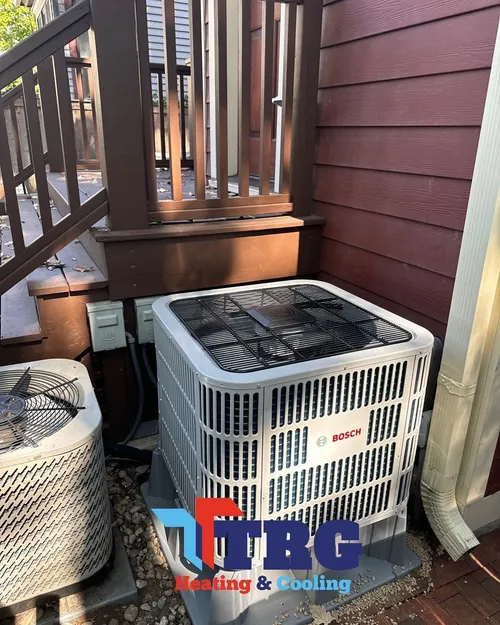
TRG
7441 Channel Rd, Skokie, IL 60076
TRG is an HVAC company based in Chicago, IL, providing installation, repair, maintenance, and replacement services for heating, air conditioning, and ventilation systems. They serve both residential and commercial properties, offering comprehensive solutions to improve indoor comfort. TRG performs system evaluations to address issues such as weak airflow, unusual noises, and inefficient heating or cooling. They also recommend professional HVAC tune-ups twice a year to enhance system efficiency and longevity.
Legendary Service
960 Rand Rd Suite 200F, Des Plaines, IL 60016
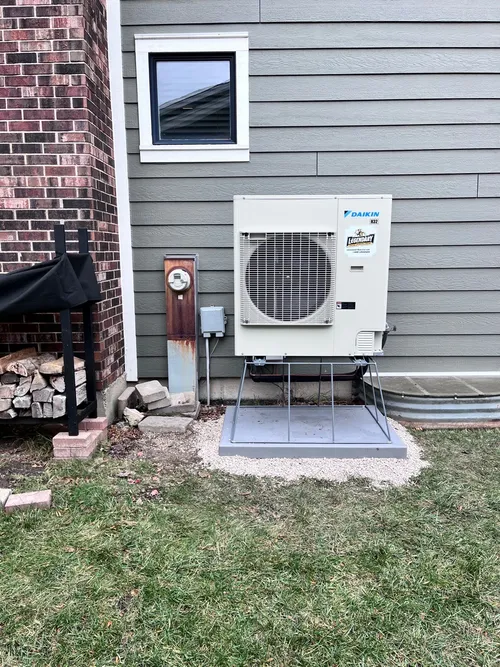
Legendary Service is a home comfort provider based in Chicago, IL, offering heating, cooling, plumbing, and indoor air quality services. They handle AC and furnace installation, repair, and maintenance, along with plumbing and drain cleaning. With over 40 years of combined experience, Legendary Service provides comprehensive HVAC and plumbing solutions including indoor air quality improvements to help maintain a healthy home environment. Their team is skilled in diagnosing and resolving issues efficiently, supported by a maintenance agreement program for ongoing care.
Hero Air
4823 W Patterson Ave, Chicago, IL 60641
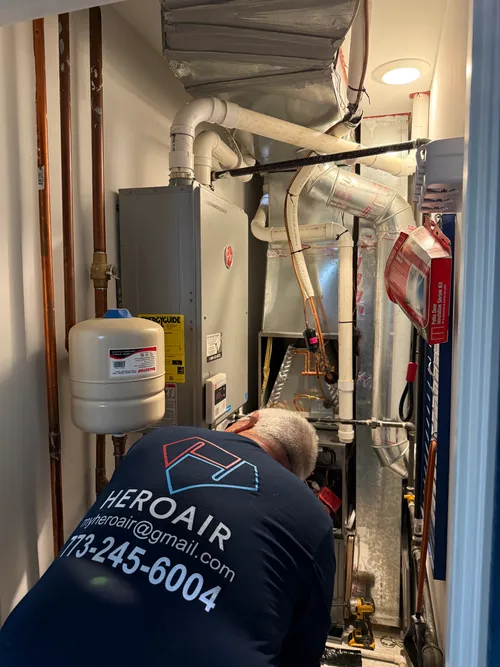
Hero Air is a family-owned HVAC company serving Chicago, IL, with over 10 years of experience. They provide a wide range of heating and air conditioning services including installation, repair, and maintenance for air conditioners, furnaces, boilers, and ductless mini splits. Hero Air also specializes in indoor air quality solutions such as UV germicidal treatments and dehumidifiers to maintain healthy and comfortable indoor environments. Their certified and insured technicians work with both residential and commercial clients to ensure efficient system performance throughout the year.
Understanding Your HVAC System Options
Choosing the right equipment is the first critical step in any HVAC installation or replacement project. The diverse climate in Glenview, with its frigid winters and warm, humid summers, requires a system capable of handling both extremes efficiently. Your choice will depend on your home's size, existing infrastructure, fuel sources, and budget.
High-Efficiency Furnaces are a cornerstone for heating in our region. These natural gas units are specifically engineered for cold climates, converting a high percentage of fuel into heat for your home. Modern models offer significant improvements in efficiency over units from just ten years ago, which can translate to noticeable savings on your winter utility bills.
Heat Pumps represent a versatile and increasingly popular choice. They provide both heating and cooling from a single unit by transferring heat rather than generating it. While historically less effective in deep cold, modern cold-climate air-source heat pumps are designed to operate efficiently in temperatures well below freezing, making them a viable primary heating source for many Glenview homes, especially when paired with a supplemental system.
Hybrid Systems, also known as dual-fuel systems, combine the strengths of a heat pump with a gas furnace. The system intelligently switches between the two based on outdoor temperature-using the efficient heat pump for moderate weather and the powerful furnace for extreme cold-optimizing comfort and operating costs year-round.
Ductless Mini-Split Systems are an excellent solution for homes without existing ductwork, for room additions, or for creating independent temperature zones. These systems consist of an outdoor compressor unit connected to one or more quiet, wall-mounted indoor air handlers 1. They offer targeted heating and cooling with high efficiency and flexible installation options.
Key Factors Influencing Your System Choice
Selecting the perfect system isn't just about the type of equipment. Several factors unique to your Glenview property will guide the recommendation from a qualified HVAC professional.
- Home Size and Layout (BTU Calculation): The most fundamental step is a proper load calculation, often called a Manual J. This determines the required British Thermal Unit (BTU) capacity for both heating and cooling. An oversized system will short-cycle, wasting energy and failing to dehumidify properly, while an undersized system will struggle to maintain temperature.
- Existing Ductwork Condition: The network of ducts distributing air throughout your home is a critical component. During an evaluation, a technician will assess your ductwork for leaks, proper sizing, and insulation. Repairing or replacing inefficient ducts can be a substantial part of a full system replacement project but is essential for performance.
- Home Insulation and Air Sealing: The "envelope" of your home-its windows, doors, walls, and attic insulation-directly impacts your HVAC needs. A well-sealed, insulated home requires a smaller, less powerful system to maintain comfort, leading to lower equipment and long-term energy costs 2.
- Fuel Source Availability: Most Glenview homes have access to natural gas, making high-efficiency furnaces a common and cost-effective choice for primary heat. For homes without gas lines, electric furnaces, heat pumps, or propane systems become the primary options.
- Efficiency Ratings: Look for high SEER (Seasonal Energy Efficiency Ratio) ratings for air conditioners and heat pumps, and high AFUE (Annual Fuel Utilization Efficiency) ratings for furnaces. Investing in higher efficiency often qualifies you for utility rebates and leads to greater energy savings.
The HVAC Installation Process: What to Expect
A professional HVAC replacement or new installation is a multi-step process designed to ensure safety, efficiency, and long-term reliability. Understanding this workflow can help you prepare your home and know what to expect from your contractor.
- Consultation and Home Evaluation: It all starts with a detailed in-home assessment. A technician will evaluate your current system, measure your living space, inspect ductwork, and discuss your comfort goals and budget. This is when the critical load calculation is performed.
- System Design and Proposal: Based on the evaluation, the contractor will present a detailed proposal outlining the recommended equipment (make, model, efficiency ratings), the scope of work, a project timeline, and a complete cost breakdown, including all labor and materials 3.
- Preparation and Removal of Old Equipment: On installation day, the crew will prepare the work area, safely disconnect utilities (gas, electricity, refrigerant), and remove the old indoor and outdoor units. Proper disposal of the old equipment, especially refrigerant, is handled according to environmental regulations 4.
- New System Installation: This is the core phase. The team will install the new furnace, air handler, and/or outdoor condenser/heat pump. This involves setting the units on proper pads or mounts, connecting new refrigerant lines for cooling systems, integrating electrical connections, and tying the system into your existing or new ductwork.
- System Startup, Testing, and Balancing: Once physically installed, the system is charged with refrigerant (if applicable), powered up, and put through a series of operational tests. The technician will check gas pressure, electrical amperage, airflow at all vents, thermostat communication, and safety controls. They will also balance the duct system to ensure even airflow throughout your home 5.
Find the perfect hvac installers for your needs
Get personalized recommendations and expert advice
Timeline for HVAC Installations
The duration of your installation project depends on the complexity of the system being installed.
- 1-2 Days: A standard replacement of a split system (separate furnace and AC) or a packaged unit, where the existing ductwork and electrical are in good condition, typically takes one to two days. Ductless mini-split installations for a single zone can also often be completed in a day.
- 2-3 Days: More complex projects, such as installing a new hybrid (dual-fuel) system or addressing significant ductwork modifications alongside the unit replacement, will generally require two to three days.
- 3-5+ Days: The most extensive projects, like installing a full geothermal heating and cooling system or a complete home ductwork system from scratch, are major undertakings that can take a week or more.
Understanding Costs and Potential Savings
The total investment for a new HVAC system in Glenview varies widely based on the factors discussed. A full system replacement typically ranges from $5,000 to over $30,0006. This broad range accounts for everything from a straightforward furnace swap to a complete high-efficiency system with new ductwork.
- Equipment Costs: As a component breakdown, a new air conditioner or heat pump condenser can range from $3,000 to $7,000, while a new high-efficiency furnace may cost between $2,500 and $6,000 7. These are equipment costs that factor into the total project price.
- Ductwork Impact: If your home needs new ductwork designed and installed, this adds significant cost. Installing new ductwork throughout a home can add approximately $6,700 to $12,100 or more to the total project cost, depending on the home's size and layout 8.
- Utility Rebates and Incentives: One of the best ways to offset the cost of high-efficiency equipment is through rebates. Local utility ComEd often offers rebates for installing high SEER air conditioners and heat pumps. Your HVAC contractor should be informed about current incentive programs and can help you navigate the application process.
Frequently asked questions
Sources
Footnotes
-
Ductless Installation In Glenview, IL - GV'S Heating and Cooling - https://www.gvshvac.com/ductless-installation-glenview-il/ ↩
-
HVAC Services | Glenview, IL - Guardian Heating & Cooling - https://guardianheatingandcooling.com/service-areas/glenview-il/ ↩
-
Glenview, IL Heat Pump Replacement by GV'S Heating & Cooling - https://www.gvshvac.com/heat-pump-replacement-glenview-il/ ↩
-
AC Installation In Glenview, IL - GV'S Heating and Cooling - https://www.gvshvac.com/ac-installation-glenview-il/ ↩
-
HVAC Installation in Glenview | R.H. Witt Heating & Sheet Metal - https://www.carrier.com/residential/en/us/dealers/il/glenview/2049-johns-dr-6132-loc/hvac-system-installation ↩
-
Commercial and Residential HVAC Contractor Glenview, IL - https://universalhvacgroup.com/glenview-il/ ↩
-
Homeowners' Cost to Replace AC & Furnace - Quality Cooling & Heating - https://qualitycool.com/understanding-the-cost-of-replacing-your-air-conditioning-unit-and-furnace-a-guide-for-homeowners/ ↩
-
What You Need to Know about HVAC System Replacement - https://yourcovenant.com/what-you-need-to-know-about-hvac-system-replacement/ ↩