Find the Best HVAC Installers for Your Business
No obligation • Fast responses • Nationwide coverage

Why you can trust HVAC Firms
HVAC Firms is a leading United States resource for evaluating HVAC service providers. Our team researches companies, checks credentials, and reviews customer feedback to present clear, unbiased information. Listings and rankings are based on merit, and companies cannot pay to change our editorial content.
Search providers near you
Top HVAC Installers in Buffalo Grove, Illinois Ranked
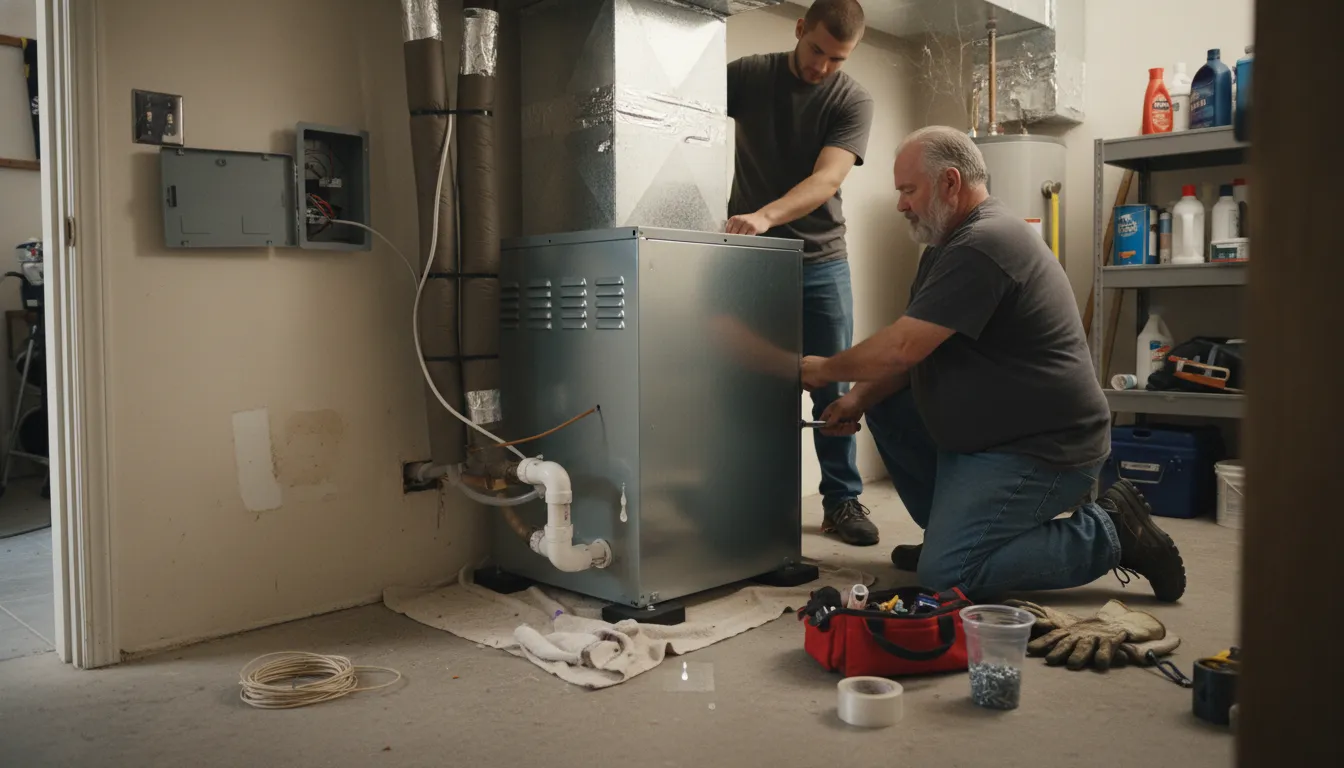
Installing a new heating and cooling system is a significant investment in your home's comfort, efficiency, and value. For Buffalo Grove residents, navigating the options for a new furnace, air conditioner, or heat pump can be complex, involving choices about equipment types, efficiency ratings, and local permitting requirements. This guide is designed to help you understand the process, costs, and key considerations for a successful HVAC system installation, connecting you with the information needed to make informed decisions with local professionals.
Air Flows Chicago - Belmont
3019 W Belmont Ave, Chicago, IL 60618
Air Flows Chicago - Belmont provides comprehensive HVAC, chimney, and indoor air quality services in Chicago, IL. They offer heating and cooling system installation, repair, and maintenance, including furnaces, boilers, air conditioners, ductless systems, and heat pumps. The company also specializes in chimney sweeping, inspection, and liner services, as well as dryer vent cleaning and repair. Their air duct cleaning and installation services help improve indoor air quality, supported by UV germicidal light installations, humidifiers, and air cleaners. Air Flows Chicago serves both residential and commercial clients and offers 24/7 emergency repair services to minimize downtime.
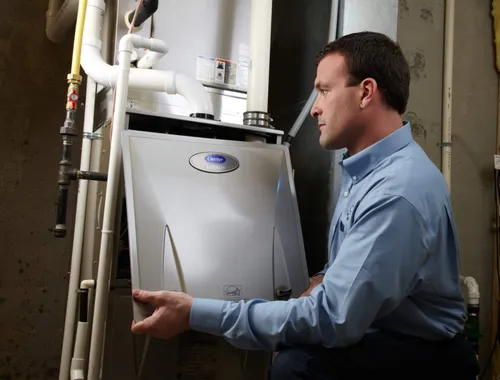
Allied Air Conditioning & Heating Corp.
203 Peterson Rd, Libertyville, IL 60048
Allied Air Conditioning & Heating Corp. is a heating and cooling company serving Chicago, IL, and the surrounding Northwest Chicagoland area. With over 55 years of experience, they provide HVAC installation, repair, and maintenance services, including air conditioning, furnace, indoor air quality, and pool dehumidifier systems. Allied is an authorized Carrier dealer and offers 24/7 emergency service to address heating and cooling issues promptly. Their NATE-certified technicians focus on delivering reliable home comfort solutions and advanced HVAC products.
TRG
7441 Channel Rd, Skokie, IL 60076
TRG is an HVAC company based in Chicago, IL, providing installation, repair, maintenance, and replacement services for heating, air conditioning, and ventilation systems. They serve both residential and commercial properties, offering comprehensive solutions to improve indoor comfort. TRG performs system evaluations to address issues such as weak airflow, unusual noises, and inefficient heating or cooling. They also recommend professional HVAC tune-ups twice a year to enhance system efficiency and longevity.
Legendary Service
960 Rand Rd Suite 200F, Des Plaines, IL 60016
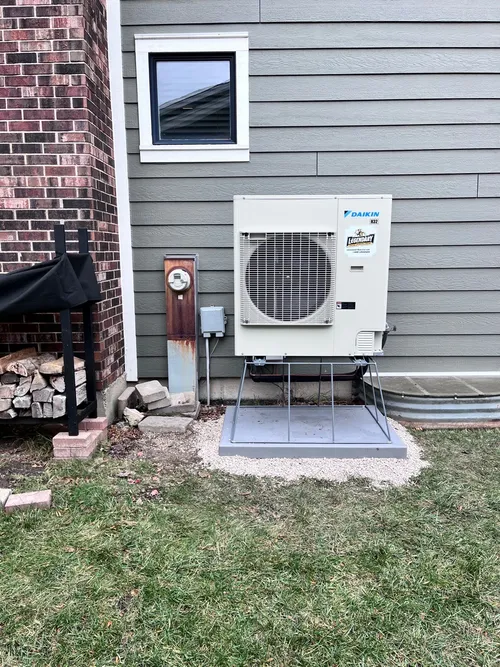
Legendary Service is a home comfort provider based in Chicago, IL, offering heating, cooling, plumbing, and indoor air quality services. They handle AC and furnace installation, repair, and maintenance, along with plumbing and drain cleaning. With over 40 years of combined experience, Legendary Service provides comprehensive HVAC and plumbing solutions including indoor air quality improvements to help maintain a healthy home environment. Their team is skilled in diagnosing and resolving issues efficiently, supported by a maintenance agreement program for ongoing care.
Hero Air
4823 W Patterson Ave, Chicago, IL 60641
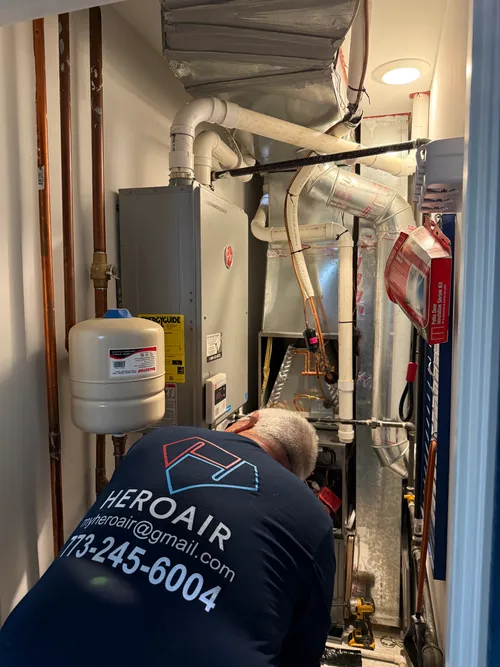
Hero Air is a family-owned HVAC company serving Chicago, IL, with over 10 years of experience. They provide a wide range of heating and air conditioning services including installation, repair, and maintenance for air conditioners, furnaces, boilers, and ductless mini splits. Hero Air also specializes in indoor air quality solutions such as UV germicidal treatments and dehumidifiers to maintain healthy and comfortable indoor environments. Their certified and insured technicians work with both residential and commercial clients to ensure efficient system performance throughout the year.
Understanding Your HVAC System Options in Buffalo Grove
When it's time for a new system installation, Buffalo Grove homeowners typically choose from several primary configurations. The right choice depends on your existing home infrastructure, comfort goals, and budget.
High-Efficiency Furnace & Central Air Conditioning This is the most common whole-home solution, pairing a gas or propane furnace for winter heating with a central air conditioner for summer cooling. These systems use existing ductwork to distribute conditioned air. When replacing an old system, it's often recommended to install the furnace and air conditioner as a matched set to ensure optimal compatibility, efficiency, and performance.
Ductless Mini-Split Systems For homes without existing ducts, room additions, or for creating independent temperature zones, ductless mini-splits are an excellent option. These systems consist of an outdoor compressor unit connected to one or more quiet, wall-mounted indoor air handlers. They provide both heating and cooling and are known for their high efficiency and flexible installation.
Heat Pumps An increasingly popular choice, electric air-source heat pumps provide both heating and cooling in one unit. They work by transferring heat rather than generating it, making them extremely efficient for moderate climates like Buffalo Grove's. Modern cold-climate heat pumps can effectively heat homes even during Illinois winters, potentially reducing reliance on a furnace.
The Step-by-Step Installation Process
A professional HVAC installation follows a meticulous process to ensure safety, compliance, and long-term reliability. Understanding these steps can help you know what to expect when the crew arrives at your home.
1. Site Evaluation & Load Calculation The first and most critical step is not the installation itself, but the planning. A qualified technician will perform a Manual J load calculation. This assessment considers your home's square footage, insulation levels, window types, and orientation to determine the precise heating and cooling capacity (measured in BTUs) your new system needs. Proper sizing prevents future issues with comfort, efficiency, and system lifespan.
2. Securing Permits The Village of Buffalo Grove requires permits for the installation of new air conditioning systems and for furnaces in new locations. Your licensed contractor typically handles this process. For a replacement AC unit in an existing location, the permit fee is approximately $65, provided the contractor is registered with the Village. Installing a system in a new location may require a survey and additional steps.
3. Safe Removal of Old Equipment The installation team will safely disconnect and remove your old furnace, air conditioner, or heat pump. This includes properly recovering refrigerant from old AC units, following EPA regulations. The old equipment will be hauled away for recycling or disposal.
4. Installation of New HVAC Equipment This is the core physical installation. For a central system, it involves setting the new furnace or air handler in place (often in a basement, utility closet, or attic) and placing the new outdoor condenser unit on a stable pad. For ductless systems, wall brackets are mounted, and lines are run to the outdoor unit. All equipment is leveled and secured.
5. Ductwork and Refrigerant Line Modifications Existing ductwork is inspected, sealed, and often modified to improve airflow and efficiency. New refrigerant lines (for AC and heat pumps) are installed between the indoor and outdoor units, properly insulated, and evacuated of moisture and air to ensure peak performance.
6. Electrical and Control Wiring The new system is connected to your home's electrical service, which may involve installing a new dedicated circuit or disconnect box. New, modern thermostats (often programmable or smart Wi-Fi models) are installed and configured to control your system.
7. System Testing, Balancing, and Startup The final and crucial phase involves charging the system with refrigerant, starting it up, and testing all operations. Technicians will check for proper refrigerant levels, measure airflow at all vents, verify safety controls, and ensure the heat pump or AC cycle works correctly. They will also review the system's operation with you 1.
A full system replacement typically takes between one to three days, depending on the complexity and any required duct modifications.
Find the perfect hvac installers for your needs
Get personalized recommendations and expert advice
Cost Factors for a New HVAC System in Buffalo Grove
The cost of a new heating and air conditioning setup varies widely based on the system type, efficiency, and home specifics. Here's a breakdown of what Buffalo Grove homeowners can expect.
Typical Cost Ranges For a complete replacement of both a furnace and a central air conditioner, including standard ductwork modifications, homeowners should budget between $10,000 and $20,000+ for a typical single-family home. Replacing only an air conditioner typically ranges from $3,000 to $9,000 or more for a low to mid-range efficiency unit 2. These are broad estimates; a detailed, in-home quote is essential.
Key Factors Influencing Price
- Efficiency Ratings: Higher efficiency means a higher upfront cost but lower operating bills. For air conditioners and heat pumps, look for the SEER2 rating (Seasonal Energy Efficiency Ratio); the federal minimum is 14.3 SEER2 in the north, but models go up to 20+ SEER2. For furnaces, the AFUE (Annual Fuel Utilization Efficiency) rating measures heating efficiency; high-efficiency models are 90% AFUE and above 3.
- Equipment Brand and Features: Premium brands and models with advanced features (like variable-speed compressors or communicating systems) cost more.
- Ductwork Needs: If your home needs new ductwork designed and installed, or significant repairs to existing ducts, this adds substantially to the project cost 4.
- Home Size and Layout: Larger homes or those with complex layouts require larger capacity systems and more labor.
- Permits and Local Fees: Remember to factor in the Buffalo Grove permit fee (e.g., ~$65 for an AC permit) and any contractor registration costs 5 6.
How to Ensure a Successful Installation Project
Get Multiple Detailed Quotes Always obtain at least three written estimates from established, local HVAC contractors. Look for companies that employ NATE-certified (North American Technician Excellence) technicians, as this is a leading industry certification for competence 7. A proper quote should include a load calculation, model numbers, efficiency ratings, a detailed scope of work, and a complete price.
Check for Rebates and Incentives Before purchasing, investigate available financial incentives. Utility companies like ComEd and NICOR often offer rebates for installing high-efficiency equipment. Federal ENERGY STAR tax credits may also be available for qualifying high-efficiency systems, providing direct savings on your investment.
Prioritize System Compatibility If you are replacing both a furnace and an air conditioner, it is highly advisable to replace them together as a matched system. Mixing old and new components, especially from different brands, can lead to reduced efficiency, compromised performance, and even voided warranties. A matched system is engineered to work together at peak performance.
Verify Licensing, Insurance, and Permits Ensure your chosen contractor is licensed, bonded, and insured in Illinois. They should also be familiar with and responsible for pulling all required Village of Buffalo Grove permits. Never hire a contractor who suggests skipping permits to save money or time, as this can lead to safety issues and problems when selling your home.
Frequently asked questions
Sources
Footnotes
-
Step-by-Step HVAC Installation Guide - Carrier - https://www.carrier.com/residential/en/us/products/air-conditioners/hvac-installation/ ↩
-
Air Conditioner Replacement Costs in Chicago - https://www.fourseasonsheatingcooling.com/air-conditioner-replacement-cost/ ↩
-
How Much Does a New HVAC System Cost in 2025? - https://www.jacklehr.com/blog/air-conditioning-service/new-hvac-system-cost-2025/ ↩
-
Homeowners' Cost to Replace AC & Furnace - Quality Cooling & Heating - https://qualitycool.com/understanding-the-cost-of-replacing-your-air-conditioning-unit-and-furnace-a-guide-for-homeowners/ ↩
-
Heating and Air Conditioning Installation in Buffalo Grove, IL - https://www.homedepot.com/services/l/il/buffalo-grove/heating-air-conditioning-installation/c16fbb4b7 ↩
-
Air Conditioners | Buffalo Grove, IL - https://www.vbg.org/652/Air-Conditioners ↩
-
AC Installation | Buffalo Grove, IL - Assurance Heating & AC - https://assurancehvac.com/services/ac-installation ↩