Find the Best HVAC Installers for Your Business
No obligation • Fast responses • Nationwide coverage

Why you can trust HVAC Firms
HVAC Firms is a leading United States resource for evaluating HVAC service providers. Our team researches companies, checks credentials, and reviews customer feedback to present clear, unbiased information. Listings and rankings are based on merit, and companies cannot pay to change our editorial content.
Search providers near you
Top HVAC Installers in Arlington Heights, Illinois Ranked
Upgrading your home's heating and cooling system is a significant investment in comfort, efficiency, and property value. For Arlington Heights residents, navigating the options for a new HVAC system-from central air conditioners and furnaces to modern heat pumps and ductless mini-splits-requires understanding local climate needs, installation processes, and available incentives. This guide provides a detailed overview of what to expect when planning a new heating and air conditioning setup, helping you make an informed decision and connect with qualified local professionals for your project.
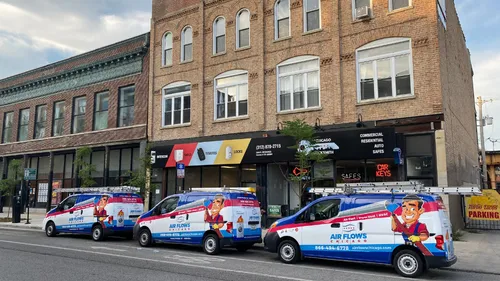
Air Flows Chicago - Belmont
3019 W Belmont Ave, Chicago, IL 60618
Air Flows Chicago - Belmont provides comprehensive HVAC, chimney, and indoor air quality services in Chicago, IL. They offer heating and cooling system installation, repair, and maintenance, including furnaces, boilers, air conditioners, ductless systems, and heat pumps. The company also specializes in chimney sweeping, inspection, and liner services, as well as dryer vent cleaning and repair. Their air duct cleaning and installation services help improve indoor air quality, supported by UV germicidal light installations, humidifiers, and air cleaners. Air Flows Chicago serves both residential and commercial clients and offers 24/7 emergency repair services to minimize downtime.
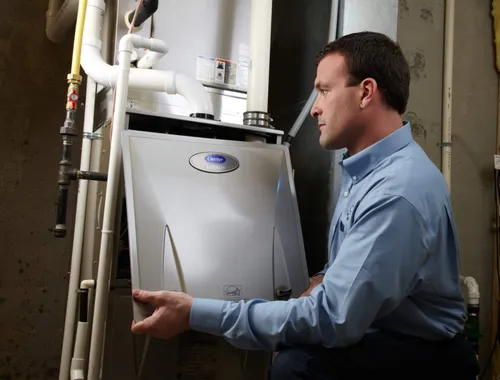
Allied Air Conditioning & Heating Corp.
203 Peterson Rd, Libertyville, IL 60048
Allied Air Conditioning & Heating Corp. is a heating and cooling company serving Chicago, IL, and the surrounding Northwest Chicagoland area. With over 55 years of experience, they provide HVAC installation, repair, and maintenance services, including air conditioning, furnace, indoor air quality, and pool dehumidifier systems. Allied is an authorized Carrier dealer and offers 24/7 emergency service to address heating and cooling issues promptly. Their NATE-certified technicians focus on delivering reliable home comfort solutions and advanced HVAC products.
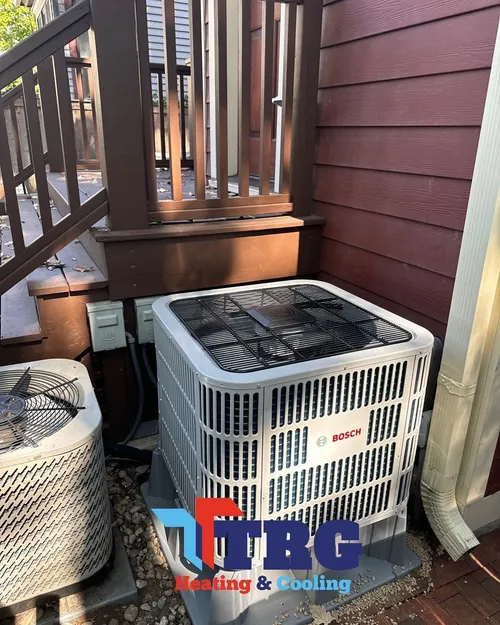
TRG
7441 Channel Rd, Skokie, IL 60076
TRG is an HVAC company based in Chicago, IL, providing installation, repair, maintenance, and replacement services for heating, air conditioning, and ventilation systems. They serve both residential and commercial properties, offering comprehensive solutions to improve indoor comfort. TRG performs system evaluations to address issues such as weak airflow, unusual noises, and inefficient heating or cooling. They also recommend professional HVAC tune-ups twice a year to enhance system efficiency and longevity.
Legendary Service
960 Rand Rd Suite 200F, Des Plaines, IL 60016
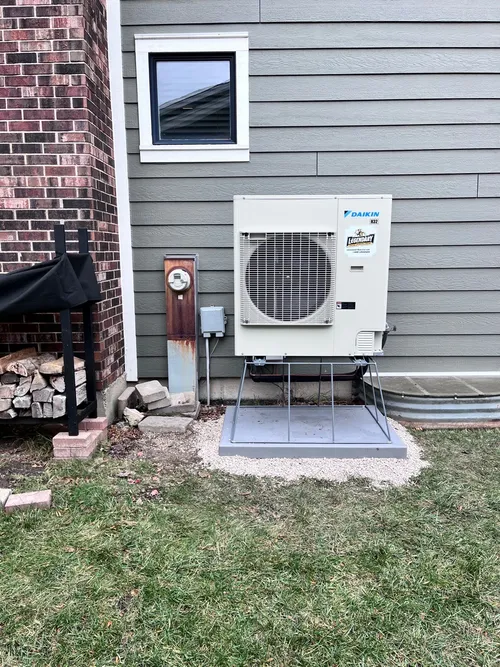
Legendary Service is a home comfort provider based in Chicago, IL, offering heating, cooling, plumbing, and indoor air quality services. They handle AC and furnace installation, repair, and maintenance, along with plumbing and drain cleaning. With over 40 years of combined experience, Legendary Service provides comprehensive HVAC and plumbing solutions including indoor air quality improvements to help maintain a healthy home environment. Their team is skilled in diagnosing and resolving issues efficiently, supported by a maintenance agreement program for ongoing care.
Hero Air
4823 W Patterson Ave, Chicago, IL 60641
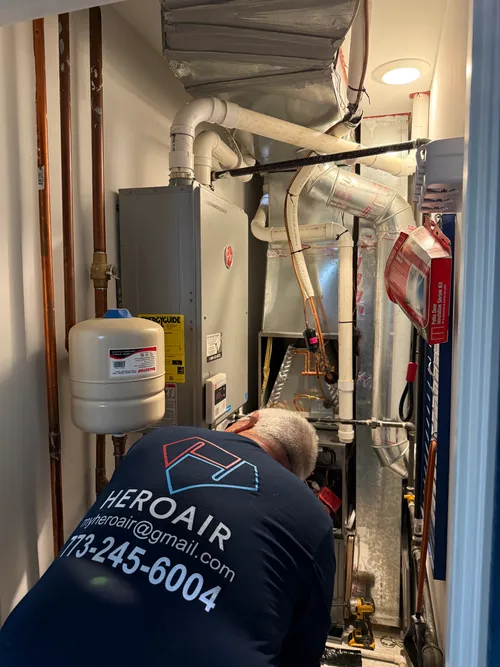
Hero Air is a family-owned HVAC company serving Chicago, IL, with over 10 years of experience. They provide a wide range of heating and air conditioning services including installation, repair, and maintenance for air conditioners, furnaces, boilers, and ductless mini splits. Hero Air also specializes in indoor air quality solutions such as UV germicidal treatments and dehumidifiers to maintain healthy and comfortable indoor environments. Their certified and insured technicians work with both residential and commercial clients to ensure efficient system performance throughout the year.
Understanding Your HVAC System Options
Choosing the right system is the first critical step in your installation journey. The diverse climate of Arlington Heights, with its cold winters and warm, humid summers, demands a versatile and reliable solution. The most common residential HVAC choices include central split systems, heat pumps, ductless mini-splits, furnaces, and geothermal systems.
Central Split Systems are the traditional choice for whole-home comfort. This setup typically pairs a gas or oil furnace with a central air conditioner, utilizing existing ductwork to distribute conditioned air. It's a robust solution well-suited to the Chicago-area climate, providing powerful heating for harsh winters and effective cooling in summer.
Heat Pumps are gaining popularity for their remarkable efficiency. These systems provide both heating and cooling by moving heat rather than generating it, making them exceptionally energy-efficient in moderate climates like Illinois. Air-source heat pumps can be a cost-effective year-round solution 1.
Ductless Mini-Split Systems offer incredible flexibility. Ideal for homes without existing ductwork, room additions, or for creating independent temperature zones, these systems consist of an outdoor compressor unit connected to one or more indoor air handlers. They are highly efficient and allow for customized comfort control in different areas of your home.
Furnaces, particularly high-efficiency gas models, remain a cornerstone for heating in Arlington Heights due to their ability to deliver consistent, powerful heat during freezing temperatures. Electric furnace options are also available.
Geothermal Systems represent the pinnacle of efficiency and long-term savings. By leveraging the earth's stable underground temperature to heat and cool your home, these systems have the highest upfront cost but offer the lowest operating costs and environmental impact over their lifespan.
The HVAC Installation Process: A Step-by-Step Guide
A professional HVAC installation is a meticulous process designed to ensure optimal performance, safety, and longevity of your new system. Understanding the steps involved can help you prepare for the project timeline and know what to expect from your contractor.
- Initial Assessment and Planning: A qualified technician will conduct a thorough evaluation of your home. This includes calculating heating and cooling loads based on square footage, insulation, window placement, and other factors. They will also inspect existing ductwork for leaks or damage and check local Arlington Heights permit requirements.
- Equipment Removal: The old heating or cooling equipment is carefully disconnected, dismantled, and removed from your property. Proper disposal of refrigerants and other components is handled according to environmental regulations.
- New System Installation: This core phase involves setting up the new indoor and outdoor units. Technicians will install new refrigerant lines, electrical wiring, and the thermostat. If new or modified ductwork is needed, that work is completed during this stage. Every connection is secured to manufacturer specifications.
- System Testing and Commissioning: Once physically installed, the system is charged with refrigerant, powered on, and put through a series of rigorous tests. Technicians check for proper airflow, refrigerant levels, electrical safety, and thermostat calibration to ensure everything operates at peak efficiency.
- Cleanup and Homeowner Education: The work area is cleaned of all debris and packaging. Finally, the installer will walk you through the basic operation of your new system, explain maintenance tasks like filter changes, and review the warranty information 2.
The timeline for this process varies. A standard central system or ductless mini-split installation typically takes 1 to 2 days3. More complex projects, such as installing a full geothermal system or completely replacing home ductwork, can extend the project to 3 to 5 days or more3.
Find the perfect hvac installers for your needs
Get personalized recommendations and expert advice
Cost Factors for HVAC Installation in Arlington Heights
The total investment for a new HVAC system in Arlington Heights can vary widely, typically ranging from $3,000 to over $15,000, with complex or high-efficiency systems costing more 4. Several key factors influence the final price, making it essential to get detailed, home-specific estimates.
System Type and Size: The choice of equipment is the primary cost driver. Here's a general breakdown of average installation costs for different systems:
- Complete Central System (Furnace & AC): $6,000 - $15,000+ 5
- Heat Pump System: $4,500 - $25,000 6
- Ductless Mini-Split System: $2,000 - $14,500 7
- New or Replacement Ductwork: $2,000 - $4,000 8
Home Specifications: Your home's square footage directly impacts the size (or tonnage) of the system required. Larger homes need more powerful, and therefore more expensive, equipment. The home's layout, ceiling height, and number of windows also affect the heating and cooling load calculation.
Efficiency Ratings: Higher-efficiency models with superior SEER (Seasonal Energy Efficiency Ratio) ratings for cooling and AFUE (Annual Fuel Utilization Efficiency) ratings for heating command a higher upfront price. However, they offer significant savings on monthly utility bills, especially given Arlington Heights' temperature extremes.
Labor and Complexity: Labor rates, the need for custom fabrication, and the difficulty of the installation site (e.g., attic or crawlspace access) all contribute to the project cost. Installing a system that integrates with smart home technology may also add to the labor time and expense.
Rebates and Incentives in Illinois
Investing in a high-efficiency HVAC system can be more affordable thanks to various rebates and incentive programs. Illinois homeowners should explore:
- Utility Rebates: Local providers like ComEd (electric) and Nicor Gas often offer rebates for installing qualifying high-efficiency air conditioners, heat pumps, or furnaces.
- State Programs: Programs like the Illinois Home Energy Assistance Program (IHEAP) may provide support for energy-efficient upgrades 9.
- Federal Tax Credits: Periodically, federal energy-efficient home improvement tax credits are available, which can directly reduce your tax liability.
A reputable HVAC contractor in Arlington Heights should be knowledgeable about current local and national incentives and can help you identify which rebates you may qualify for, effectively reducing your net installation cost 10 11.
Choosing a Qualified HVAC Installation Professional
The success of your installation hinges on the skill of the contractor. Look for a licensed, insured, and bonded company with strong local references in Arlington Heights. They should perform a detailed load calculation (Manual J) to right-size your system-a critical step for efficiency and comfort-and provide a clear, written estimate that outlines all equipment, labor, warranty details, and projected timelines. Checking online reviews and verifying membership in professional organizations like ACCA (Air Conditioning Contractors of America) can also provide peace of mind.
Frequently asked questions
Sources
Footnotes
-
How Much Does HVAC Replacement Cost? [2026 Data] | Angi - https://www.angi.com/articles/insider-s-price-guide-new-heating-and-cooling-system.htm ↩
-
HVAC Installation Process Explained step by step - https://hartzellsheatair.com/blog/hvac-installation-process-explained-step-by-step ↩
-
AC Installation - Arlington Heights IL | Ibbotson Heating & Air - https://ibbotsonheating.com/ac-installation-arlington-heights-il/ ↩ ↩2
-
Residential HVAC Installation Process: A Comprehensive Guide - https://precisionairhc.com/blog/residential-hvac-installation-process/ ↩
-
What You Need to Know about HVAC System Replacement - https://yourcovenant.com/what-you-need-to-know-about-hvac-system-replacement/ ↩
-
HVAC Replacement Costs: A Homeowner's Guide | AHS - https://www.ahs.com/home-matters/cost-savers/hvac-replacement-costs/ ↩
-
New HVAC System Cost Calculator: Get a Custom Estimate in 2026 - https://modernize.com/hvac/cost-calculator ↩
-
Average Cost for New HVAC System | Comfort Temp - https://comforttemp.com/what-is-the-average-cost-for-a-new-hvac-system/ ↩
-
HVAC Installation Cost Per Sq. Ft: Average Prices & Factors - https://www.superbrothers.com/hvac-installation-cost-per-sq-ft-average-prices-factors-2024/ ↩
-
Air Conditioner Replacement Costs in Chicago - https://www.fourseasonsheatingcooling.com/air-conditioner-replacement-cost/ ↩
-
Illinois HVAC Installation Services | Professional Heating & Cooling ... - https://hvacloadcalculate.com/hvac-installation-states/illinois/ ↩