Find the Best HVAC Installers for Your Business
No obligation • Fast responses • Nationwide coverage

Why you can trust HVAC Firms
HVAC Firms is a leading United States resource for evaluating HVAC service providers. Our team researches companies, checks credentials, and reviews customer feedback to present clear, unbiased information. Listings and rankings are based on merit, and companies cannot pay to change our editorial content.
Search providers near you
Best HVAC Installers in Hawaii Ranked
Installing a new heating, ventilation, and air conditioning (HVAC) system in Hawaii is a significant investment that directly impacts your home's comfort, energy bills, and environmental footprint. Given the state's unique tropical climate and some of the highest electricity costs in the nation, choosing the right system and a qualified installer is critical. This guide provides a clear overview of your options, the specific state and energy code requirements, and practical considerations to help you navigate the process of finding a reliable local professional for your project.
Standard Air, LLC
Honolulu, HI
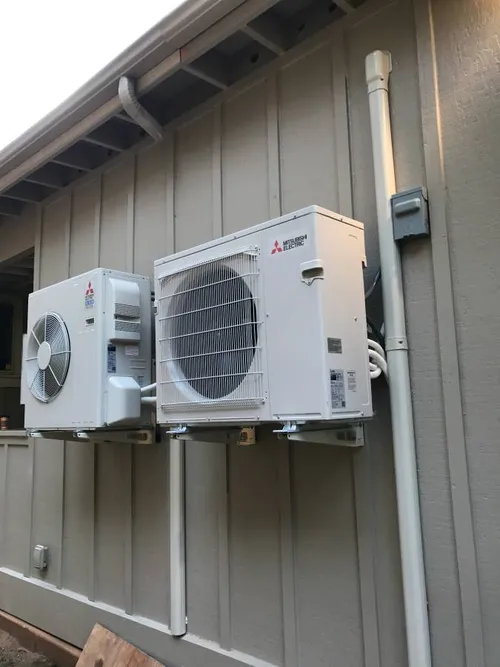
Standard Air, LLC is an HVAC company serving Honolulu, HI, and surrounding areas including Kailua, Kaneohe, Waialae-Kahala, and Hawaii Kai. Since 2018, they have provided services such as air conditioning installation, repair, maintenance, duct cleaning, and indoor air quality improvement. They specialize in Mitsubishi HVAC systems and use a detailed ten-point quality inspection to ensure system efficiency and longevity. The company focuses on addressing Oahu's unique climate challenges, including humidity and air quality issues, to help clients maintain comfortable and healthy indoor environments.
Igloo AC
Honolulu, HI
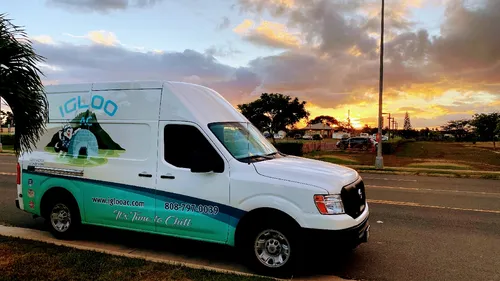
Igloo AC is a family-owned HVAC and electrical contracting business based in Kailua, serving Honolulu, HI, and the Big Island. They specialize in residential and commercial installation of ductless mini-split systems, central ducted air conditioning, VRF and VRV systems, rooftop units, and electrical services. The company handles all electrical work in-house and offers a 12-year parts and labor warranty on Daikin and Fujitsu split AC systems. With over 50 years of combined experience, Igloo AC is licensed and insured, providing comprehensive HVAC and electrical solutions for new construction and existing properties.
Fuse Hawai'i
94-1388 Moaniani St Unit 216, Waipahu, HI 96797
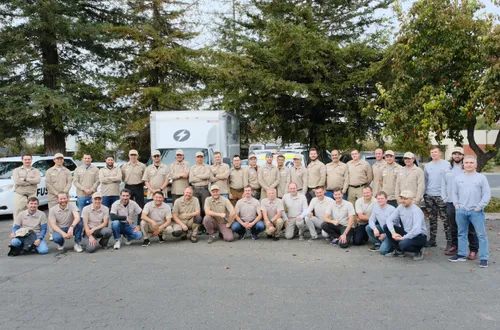
Fuse Hawai'i is an HVAC company based in Honolulu, HI, offering air conditioning repair, installation, and commercial refrigeration services. They serve residential and commercial clients across multiple locations in Hawaii, including Oahu, Maui, Kauai, and Lanai. The company provides fixed-price estimates before work begins and handles systems of varying complexity. Fuse Hawai'i offers up to 12 years warranty on their services and works with professional specialists to ensure quality installations and repairs.
Ultimate Air Conditioning - Hawaii
Honolulu, HI
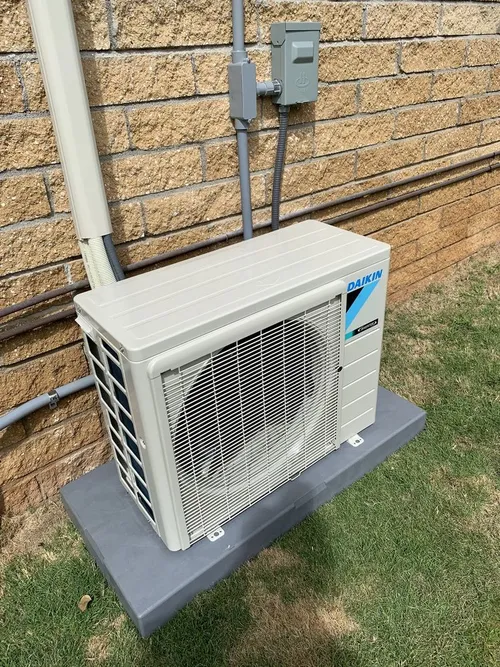
Ultimate Air Conditioning - Hawaii is an HVAC service provider based in Honolulu, HI. They offer a range of services including air conditioning repair and installation, mini-split system installation, thermostat installation, indoor air quality solutions, duct cleaning, and seasonal HVAC maintenance. Their team handles emergency HVAC repairs and system inspections, serving residential and commercial customers across Honolulu. One of their key capabilities is the installation and repair of ductless mini-split systems, which are popular in the area for efficient cooling.
Hi State Services LLC
Honolulu, HI
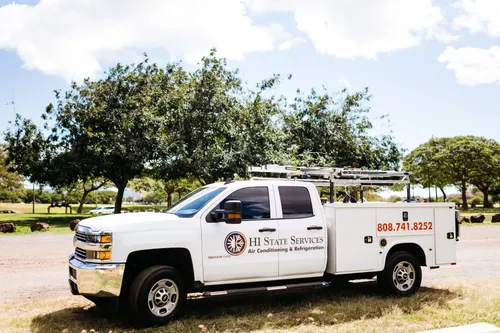
Hi State Services LLC is a locally owned and operated air conditioning and HVAC contractor based in Honolulu, HI. They provide residential and commercial air conditioning solutions including installation, maintenance, and repair of central air and mini split systems. The company also offers duct upgrades and indoor air quality services. As a Hawaii Energy ally, they assist customers with energy rebates and focus on cost-effective recommendations. Their team is trained to diagnose and repair various HVAC issues and offers routine maintenance programs to improve system efficiency.
Understanding Hawaii's HVAC Landscape
Hawaii's climate presents distinct challenges and opportunities for home comfort systems. The warm, humid environment means air conditioning is often a primary concern, but efficient heating for cooler evenings in upland areas can also be important. The state's energy codes are among the most stringent in the U.S., heavily emphasizing efficiency and renewable energy integration to combat high operational costs. This regulatory environment directly influences the types of systems installed, the required performance standards, and the overall approach to building envelope improvements that work in tandem with your HVAC equipment.
Common HVAC System Types for Hawaiian Homes
Ductless Mini-Split Systems
Ductless mini-splits are exceptionally popular in Hawaii, especially for homes built without existing ductwork or for room additions. These systems consist of an outdoor compressor/condenser unit connected to one or more indoor air-handling units. They offer zoned cooling (and heating), allowing you to control the temperature in individual rooms, which can lead to significant energy savings. Their high efficiency ratings make them well-suited to offset Hawaii's electricity prices. Installation for a single-zone system typically ranges from $4,000 to $7,500+ 1.
Central Air Conditioning Systems
For whole-home cooling, central air systems that utilize ductwork to distribute conditioned air remain a common choice. These systems are ideal for homes with existing ducts or during new construction. In Hawaii, central systems must be highly efficient and are often paired with zoning controls to optimize performance. Installation costs for a complete central air system can range from $8,000 to $17,000+ for a whole home, with variations based on home size, ductwork needs, and equipment efficiency 2 3.
Air-Source Heat Pumps
Modern air-source heat pumps are versatile systems that provide both efficient cooling and heating from a single unit. They operate by transferring heat rather than generating it through combustion, making them significantly more efficient than traditional electric resistance heating or fossil-fuel systems. For year-round comfort in Hawaii's climate, a heat pump is often the most practical and energy-efficient choice 4.
Variable Refrigerant Flow (VRF) Systems
VRF systems are an advanced, larger-scale version of ductless technology. They use a single outdoor unit to serve multiple indoor zones with precise, individual temperature control. While more common in commercial settings, they are an option for larger, custom residential properties where superior zoning, quiet operation, and high efficiency are top priorities 5.
Hawaii's Energy Code & Installation Requirements
Hawaii has adopted rigorous energy codes, primarily based on the International Energy Conservation Code (IECC) with state-specific amendments. Compliance is mandatory and affects system design, installation practices, and home construction.
Solar Water Heating Mandate
A cornerstone of Hawaii's energy policy is the requirement for solar water heating in most new single-family homes. The code mandates that solar energy supply at least 90% of the water heating load 6 7. This reduces the burden on the electrical grid and lowers utility bills, but it's a critical factor in overall home energy planning.
Building Envelope Standards
The efficiency of any HVAC system is heavily dependent on the home's envelope. Hawaii's codes require:
- Cool Roofs: Roofs with high solar reflectance to reduce heat gain.
- Enhanced Insulation: High R-value insulation, such as R-19 or greater for ceilings in tropical climate zones 8.
- Ceiling Fans: Rough-in wiring for ceiling fans is required in certain living areas to promote air movement and allow for higher thermostat settings.
Ductwork Specifications
If your system uses ducts, they must meet strict performance standards:
- Duct Leakage: Total leakage to the outdoors must not exceed 4 cubic feet per minute at 25 pascals of pressure per 100 square feet of conditioned floor area.
- Duct Insulation: Ducts running through unconditioned spaces (like attics) must be insulated to a minimum of R-6 or R-8 9.
Compliance Paths
Builders and HVAC contractors typically follow one of three paths to meet code:
- Prescriptive Path: Meeting a checklist of specific requirements for each component (windows, insulation, equipment efficiency).
- Total UA Alternative: Demonstrating that the overall heat transfer of the entire building envelope meets or beats a calculated target.
- Points-Based System: Earning a required number of points by selecting from a menu of energy-saving measures, allowing for trade-offs (e.g., higher-efficiency HVAC equipment can offset less insulation in another area) 10.
Find the perfect hvac installers for your needs
Get personalized recommendations and expert advice
Key Considerations for Your Installation Project
Prioritize Energy Efficiency
With Hawaii's average electricity price being nearly triple the national average, the operating cost of your HVAC system is a major long-term factor 11. Focus on equipment with high Seasonal Energy Efficiency Ratio (SEER) and Energy Efficiency Ratio (EER) ratings. Investing in a more efficient system upfront can lead to substantial savings on monthly utility bills.
Understand Total Cost Factors
Installation costs in Hawaii are generally higher than the mainland U.S. average due to logistics, shipping, and specialized labor 12. When evaluating quotes, consider:
- Equipment Cost: Varies by type, brand, and capacity (measured in tons or BTUs).
- Installation Complexity: Costs for ductwork installation/modification, electrical upgrades, and navigating tight spaces or multi-story homes.
- Permits & Inspections: Required by county building departments; fees vary.
- System Size: An improperly sized system will be inefficient and uncomfortable. A reputable contractor will perform a Manual J load calculation to determine the correct size for your home.
Choose a Qualified, Local Installer
This is the most important step. Look for a licensed, insured contractor with extensive experience installing systems under Hawaii's specific codes. They should be familiar with:
- Local permitting processes in your county.
- The points-based compliance system and how to integrate HVAC choices with other building components.
- The nuances of installing and maintaining systems in a salt-air environment.
- Proper system sizing and design for tropical humidity control.
Ask for references, verify licenses with the Hawaii Department of Commerce and Consumer Affairs, and ensure they pull the proper permits for your job.
Maintenance for Long-Term Performance
Once your new system is installed, regular maintenance is essential to preserve its efficiency, lifespan, and warranty coverage. In Hawaii's environment, this includes:
- Regular Filter Changes: Monthly checks are recommended due to potential vog (volcanic smog) and humidity.
- Coil Cleaning: Keeping indoor and outdoor coils clean ensures efficient heat transfer.
- Condensate Drain Inspection: Preventing algae and mold growth in the drain line, which is crucial in humid climates.
- Annual Professional Tune-Up: A certified technician should inspect refrigerant levels, electrical connections, and overall system operation before peak cooling seasons.
Frequently asked questions
Sources
Footnotes
-
How Much Does Air Conditioning Cost In Hawaii? - https://www.craigsair.com/blog/the-cost-of-air-conditioning-in-hawaii-explained ↩
-
Choosing the Right Air Conditioning System for Your Home in Hawaii - https://www.craigsair.com/blog/choosing-the-right-air-conditioning-system-for-your-home-in-hawaii ↩
-
Top Central Air Conditioning Installation Companies In Honolulu ... - https://modernize.com/near-me?find=central-air-conditioning-installation&location=Honolulu,HI ↩
-
Residential A/C Installations in Hawaii - https://www.alltemphi.com/residential ↩
-
HVAC Installation | Hawaii Kai, HI, Honolulu, HI, Kailua, HI, Kaneohe ... - https://standardairhawaii.com/hvac-install/ ↩
-
Hawaii State Certification of the ASHRAE 90.1-2013 and 2015 ... - https://www.energycodes.gov/sites/default/files/2020-06/Hawaii_Certification_of_Com_and_Res_Codes_Standard90.1-2013and2015IECC.pdf ↩
-
RESIDENTIAL CHECKLIST IECC 2018 with State Amendments - https://energy.hawaii.gov/wp-content/uploads/2025/05/Checklist-2018-IECC_State_Residential_2025-05-12.pdf ↩
-
Chapter 4 [RE] Residential Energy Efficiency - UpCodes - https://up.codes/viewer/hawaii/iecc-2021/chapter/RE_4/re-residential-energy-efficiency ↩
-
ENERGY STAR Qualified Homes, Version 2.5 Program ... - https://www.energystar.gov/ia/partners/bldrs_lenders_raters/downloads/Hawaii_V2.5_Program_Requirements.pdf ↩
-
summary of key residential energy code requirements - https://insulationinstitute.org/wp-content/uploads/2025/05/N135-HI-Energy-Code-0425.pdf ↩
-
Average Price of Electricity | Hawaiian Electric - https://www.hawaiianelectric.com/billing-and-payment/rates-and-regulations/average-price-of-electricity ↩
-
Home Construction Cost Per SF by State - https://www.home-cost.com/cost-per-sf-by-state/ ↩