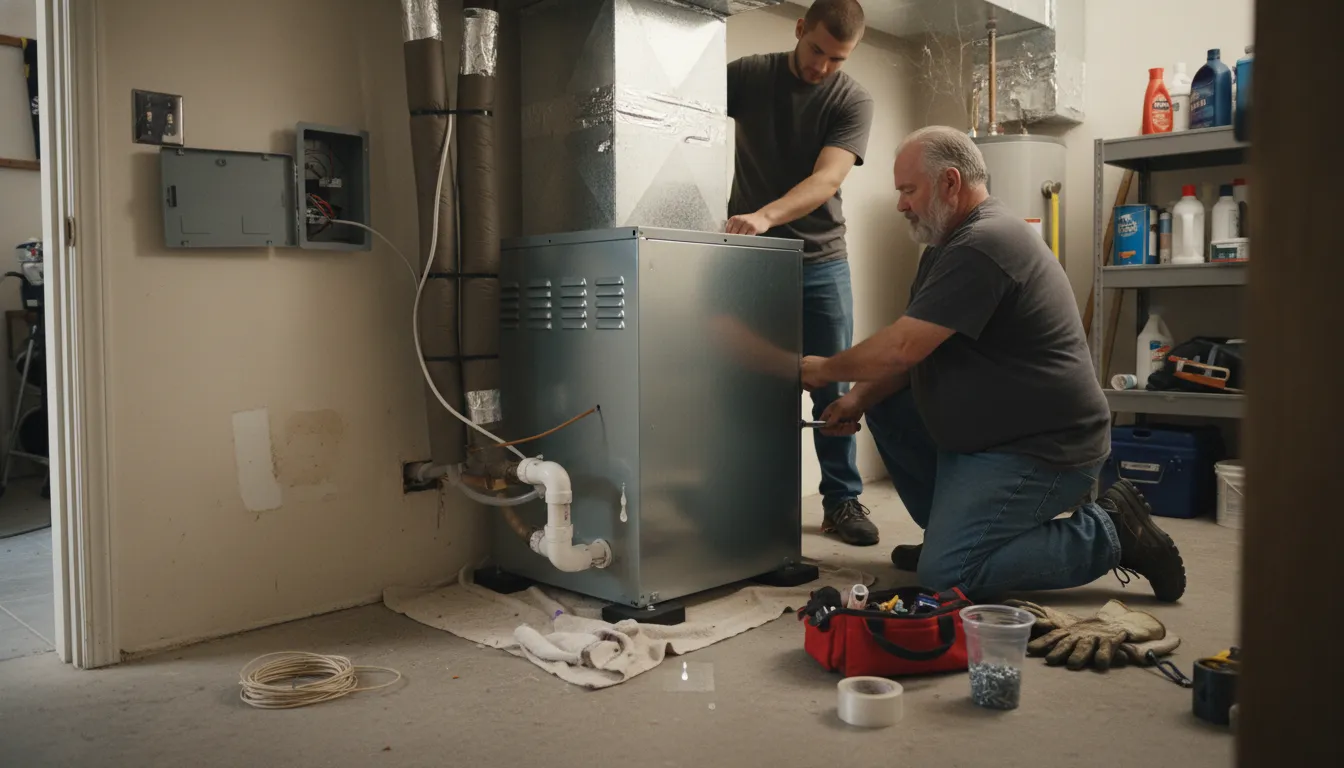
Find the Best HVAC Installers for Your Business
No obligation • Fast responses • Nationwide coverage

Why you can trust HVAC Firms
HVAC Firms is a leading United States resource for evaluating HVAC service providers. Our team researches companies, checks credentials, and reviews customer feedback to present clear, unbiased information. Listings and rankings are based on merit, and companies cannot pay to change our editorial content.
Search providers near you
Top HVAC Installers in Dunwoody, Georgia Ranked
Installing a new HVAC system is a significant investment in your home's comfort, energy efficiency, and long-term value. Whether you're replacing an aging unit or installing a system in a new build, the right heating and cooling setup is crucial for managing Georgia's humid summers and variable winters. This guide will help you understand the types of systems available, the installation process, and what to expect in terms of cost and timeline for your Dunwoody home, empowering you to make an informed decision with a qualified local professional.

Wall Heating & Air Conditioning, Inc.
485 Scenic Hwy S, Lawrenceville, GA 30046
Wall Heating & Air Conditioning, Inc. is an HVAC company serving Atlanta, GA, specializing in air conditioning, heating, and indoor air quality services. They handle installation, repair, and maintenance for central air conditioners, ductless mini splits, heat pumps, furnaces, and rooftop or packaged units for both residential and commercial properties. The company also offers indoor air quality solutions including air cleaners, humidifiers, dehumidifiers, and UV germicidal lights, with a focus on Aprilaire products. Their certified technicians provide expertise in eco-friendly heat pump systems and climate control efficiency.
Techmazing Heating and Cooling
4931 Hwy 81, Loganville, GA 30052
Techmazing Heating and Cooling provides a full range of HVAC services in Atlanta, GA, including air conditioning, furnace, heat pump, and ductless mini-split installation and repair. They also offer indoor air quality solutions and commercial refrigeration services. The company is experienced in servicing all major brands and models, with certified technicians who provide warranties on parts and labor. Techmazing Heating and Cooling serves Northeast Georgia communities such as Braselton, Buford, Dacula, Duluth, Gainesville, Lawrenceville, Loganville, and Snellville. Their capabilities include expert diagnostics and repairs, as well as custom installations of Trane heating and cooling systems.
Coolpro Heating and Cooling
161 Austin Ave NE, Marietta, GA 30060
Coolpro Heating and Cooling provides residential and commercial HVAC services in Atlanta, GA. They offer repair, installation, and tune-up services for air conditioners, furnaces, heat pumps, and full HVAC systems. The company services all makes and models and emphasizes energy-efficient solutions to help manage comfort and reduce energy use. With over 30 years of experience, Coolpro serves Cobb, Cherokee, Paulding counties, and the Atlanta area, focusing on reliable heating and cooling solutions.
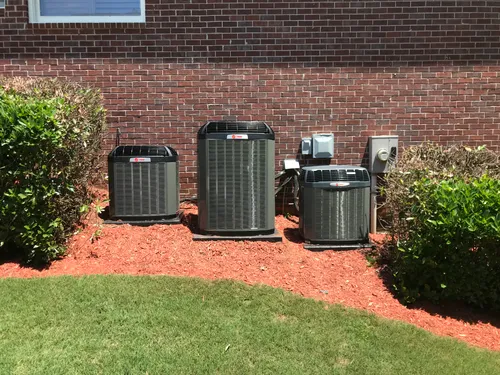
Holt Hudson Heating & Airconditioning
5195 Linnadine Way NW, Peachtree Corners, GA 30092
Holt Hudson Heating & Airconditioning is an HVAC company based in Atlanta, GA, specializing in residential maintenance, repair, and replacement of heating and cooling systems. They offer a full line of Trane products and provide services including installation, repair, indoor air quality solutions, and HVAC tune-ups. The company emphasizes quality installations and thorough maintenance to optimize system performance and energy efficiency. Founded by John Hudson, who has been involved in HVAC since childhood and took over operations in 2006, Holt Hudson Heating & Airconditioning serves multiple communities around Atlanta, including Peachtree Corners and nearby areas.

Summit
51 Austin Ave NE, Marietta, GA 30060
Summit is an HVAC company serving Atlanta, GA, specializing in repair, installation, and maintenance of air conditioning, furnaces, heat pumps, and HVAC systems. They focus on diagnosing and fixing issues to extend system life before recommending replacements. Operating since 2015, Summit serves the local community with timely appointments and personalized service.
Understanding Your HVAC System Options
Choosing the right system is the first step toward year-round comfort. The primary options for Dunwoody residences include traditional split systems, highly efficient heat pumps, and flexible ductless solutions. Each has its own advantages depending on your home's layout, existing infrastructure, and efficiency goals.
Furnace & Central Air Conditioning This is the most common traditional setup in many homes. It consists of a furnace (powered by natural gas, propane, or electricity) for heating and a separate outdoor condenser unit paired with an indoor evaporator coil for cooling. These systems utilize the home's existing ductwork to distribute conditioned air. They are a reliable choice, especially for homes already equipped with ducts and gas lines.
Heat Pump Systems Heat pumps are an increasingly popular and efficient choice for Georgia's climate. These electric systems provide both heating and cooling by transferring heat rather than generating it. In the summer, they remove heat from your home. In the winter, they extract heat from the outside air (even in cool temperatures) and move it indoors. Modern models are highly effective in Dunwoody's weather and can offer significant energy savings compared to traditional electric furnaces.
Ductless Mini-Split Systems If your home lacks ductwork, you're adding a room, or you want targeted "zoning" for different areas, ductless mini-splits are an excellent solution. These systems feature one or more quiet indoor air handlers mounted on walls or ceilings, connected by refrigerant lines to an outdoor compressor. They allow for individual temperature control in different rooms and can be a cost-effective alternative to installing new ducts 1 2.
The Professional Installation Process: What to Expect
A proper HVAC installation is a detailed, multi-step process that should only be performed by licensed and insured technicians. A professional installation ensures safety, efficiency, and system longevity.
- Initial Assessment and Load Calculation: A reputable contractor will begin with a thorough inspection of your home. The most critical step is performing a Manual J load calculation. This is not a simple guess based on square footage; it's a precise calculation that considers your home's insulation, window types, orientation, air leakage, and local climate to determine the exact heating and cooling capacity (measured in tons or BTUs) your home needs. Correct sizing is paramount for efficiency and comfort.
- System and Equipment Selection: Based on the load calculation and your budget, the contractor will recommend specific equipment types, brands, and efficiency ratings (like SEER for cooling and HSPF for heat pumps). They should explain the pros and cons of each option.
- Preparation and Removal: On installation day, the crew will prepare the work area, laying down protective coverings. They will then safely disconnect and remove your old heating and cooling equipment, including the proper recovery of any remaining refrigerant.
- New Equipment Installation: This is the core phase. Technicians will install the new outdoor condenser (for AC or heat pump), indoor air handler or furnace, and evaporator coil. They will connect refrigerant lines, electrical wiring, condensate drainage, and, if part of the system, new ductwork sections or modifications. A new programmable or smart thermostat is typically installed at this time.
- System Testing and Commissioning: Once everything is physically installed, the technicians will start the system. They will check refrigerant charge, test airflow at all vents, verify electrical connections, and ensure the heating and cooling cycles operate correctly. They will also check for any gas leaks if a furnace is installed.
- Customer Walkthrough: A final, crucial step is the walkthrough. The lead installer or project manager should show you how to operate your new thermostat, explain basic maintenance tasks like filter changes, and answer any remaining questions. They should ensure you are completely satisfied before they leave.
The entire process for a full system replacement in a Dunwoody home typically takes 1 to 3 days, depending on the system's complexity and any required ductwork modifications 3.
Find the perfect hvac installers for your needs
Get personalized recommendations and expert advice
Cost Factors for HVAC Installation in Dunwoody
The cost of a new HVAC system varies widely based on several key factors. Understanding these can help you interpret estimates and plan your budget.
Primary Cost Drivers:
- Home Size and Layout: Larger homes require more powerful (and expensive) equipment. The complexity of your layout can also impact labor time and ductwork needs.
- Equipment Type and Efficiency: A basic, standard-efficiency (14-15 SEER) central air conditioner and gas furnace will cost less than a high-efficiency (16+ SEER) variable-speed heat pump system. Higher efficiency models have a higher upfront cost but lower operating expenses 4.
- Ductwork Condition: If your existing ducts are poorly sized, leaky, or in disrepair, modifying or replacing them will add significantly to the project cost. A proper installation includes sealing and insulating ducts.
- Labor and Contractor Rates: Established, highly-rated companies with certified technicians may charge more for labor, but this often reflects expertise, quality assurance, and strong warranties.
Estimated Cost Ranges: For a typical 2,000 to 2,500 square foot home in Dunwoody, homeowners can expect the following approximate total costs for a full system replacement, including professional installation 5:
- Mid-Range System (AC & Furnace or Standard Heat Pump): $11,000 - $17,000
- High-Efficiency System (16+ SEER, Variable Speed): Can add $1,000 to $3,000 or more to the base price.
A full HVAC system replacement is a major project, with costs in the Dunwoody area generally ranging from $7,000 on the very low end for a small, basic system to over $20,000+ for a large home with top-tier, high-efficiency equipment and complex ductwork 6 7 8.
Incentives and Rebates to Offset Costs
Investing in a high-efficiency system can be more affordable than you think thanks to available incentives.
- Utility Rebates: Always check with Georgia Power and Atlanta Gas Light for current rebate programs. They often offer cash rebates for installing ENERGY STAR® certified air conditioners, heat pumps, and furnaces that exceed minimum efficiency standards.
- Federal Tax Credits: The federal government periodically offers tax credits for qualified energy-efficient home improvements, including certain high-efficiency HVAC systems. These credits directly reduce the amount of tax you owe. Consult the IRS website or your tax advisor for the most current details and eligibility requirements 9.
A qualified Dunwoody HVAC contractor should be knowledgeable about current rebates and can often help you with the application paperwork.
Choosing the Right Contractor in Dunwoody
Your choice of installer is as important as your choice of equipment. Here are key things to look for:
- Proper Licensing & Insurance: Verify they hold a valid Georgia State Conditioned Air Contracting license and carry both liability and workers' compensation insurance.
- Positive Reviews & References: Check reviews on trusted third-party sites and ask for references from recent local installations.
- Detailed Written Estimates: Obtain at least three detailed, written estimates that break down equipment model numbers, labor, warranty terms, and project scope. The lowest price isn't always the best value.
- Load Calculation Insistence: Avoid any contractor who tries to size your system solely by your home's square footage without performing a Manual J calculation.
- Clear Communication: Choose a company that answers your questions thoroughly, explains options clearly, and provides a detailed project timeline.
Frequently asked questions
Sources
Footnotes
-
Step-by-Step HVAC Installation Guide - Carrier - https://www.carrier.com/residential/en/us/products/air-conditioners/hvac-installation/ ↩
-
Cost to Install Central Air in 2026: How to Save - NerdWallet - https://www.nerdwallet.com/home-ownership/home-improvement/learn/cost-to-install-central-air ↩
-
What to Expect During HVAC Installation - AW Heating & Cooling - https://www.awheatingandcooling.com/blog/hvac/what-to-expect-during-hvac-installation/ ↩
-
Cost to Install a New AC Unit in Atlanta - Reliable Heating & Air - https://reliableair.com/new-ac-unit-cost ↩
-
What Is The Average Cost For A New HVAC System? 2025 Shocking Facts - https://comforttemp.com/what-is-the-average-cost-for-a-new-hvac-system/ ↩
-
New HVAC System Cost Calculator: Get a Custom Estimate in 2026 - https://modernize.com/hvac/cost-calculator ↩
-
Understanding HVAC Installation Costs: What to Expect in ... - https://www.oreateai.com/blog/understanding-hvac-installation-costs-what-to-expect-in-georgia/716283f44d934b541aae491e023df436 ↩
-
Author: How Much Does It Cost to Replace an AC Unit in 2025? - https://www.alpinevalleyresort.com/author/how-much-does-it-cost-to-replace-an-ac-unit/ ↩
-
How Do I Get the Best Deal on a New HVAC System? - https://4neighborhood.com/how-do-i-get-the-best-deal-on-a-new-hvac-system/ ↩