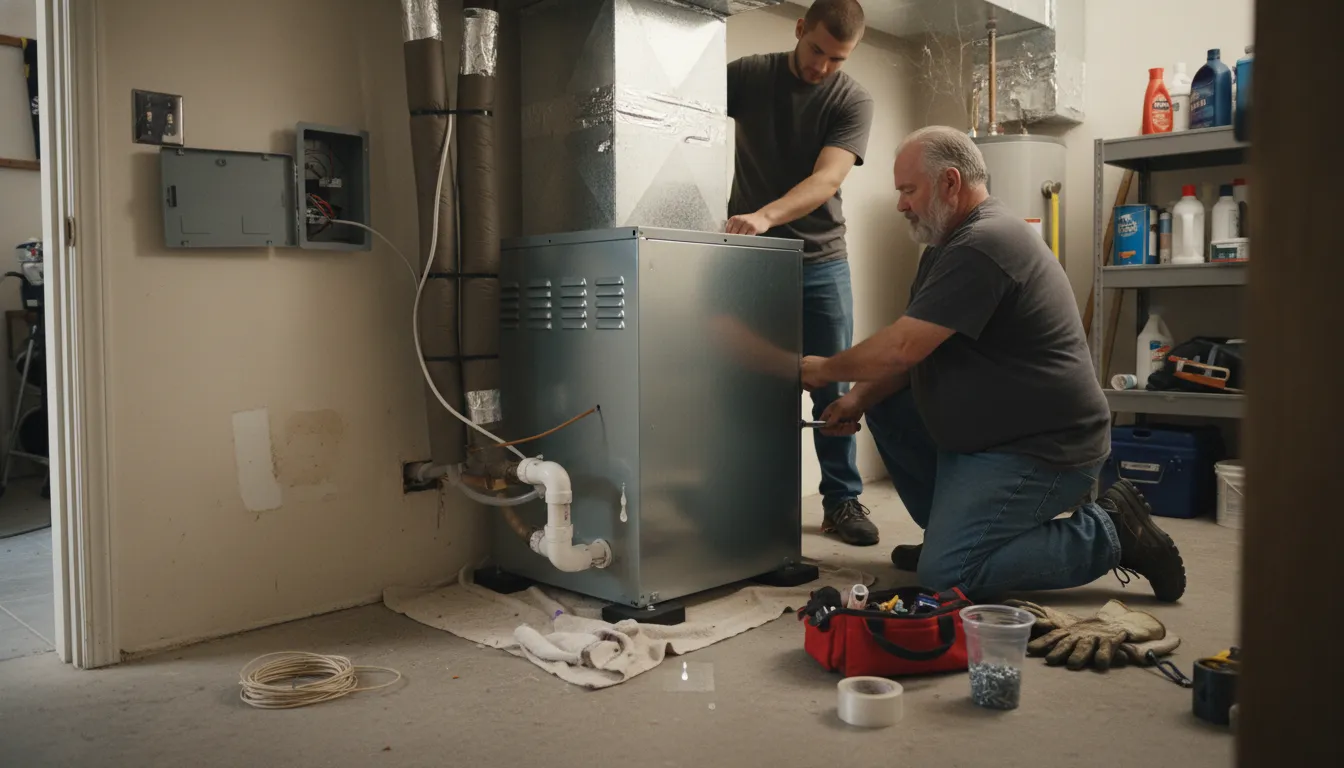
Find the Best HVAC Installers for Your Business
No obligation • Fast responses • Nationwide coverage

Why you can trust HVAC Firms
HVAC Firms is a leading United States resource for evaluating HVAC service providers. Our team researches companies, checks credentials, and reviews customer feedback to present clear, unbiased information. Listings and rankings are based on merit, and companies cannot pay to change our editorial content.
Search providers near you
Top HVAC Installers in Altamonte Springs, Florida Ranked
Finding the right heating and cooling system for your Altamonte Springs home is a significant decision that impacts your comfort, energy bills, and property value for years to come. Whether you're replacing an aging unit, upgrading for efficiency, or installing a system in a new build, understanding your options and the local installation process is key. This guide provides a detailed look at HVAC system installation, the types of systems suitable for our Central Florida climate, and how to navigate the process to find a qualified local professional for your project.
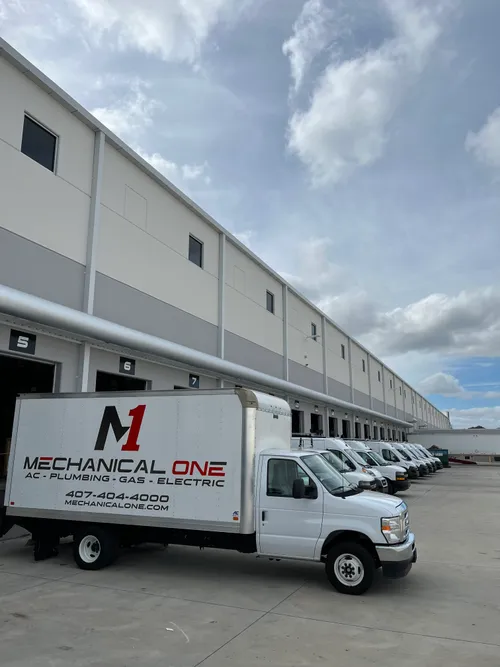
Mechanical One
217 N Westmonte Dr #1007, Altamonte Springs, FL 32714
Mechanical One is an HVAC and home services company based in Altamonte Springs, FL, serving the Orlando area and other Florida metro regions including Tampa and Jacksonville. They provide a wide range of services including air conditioning, furnace, heat pump, mini split, and thermostat installation and repair, along with plumbing, gas, and electrical work. Their technicians are licensed and NATE-certified, working with major HVAC brands such as Carrier, Trane, and Lennox. Mechanical One offers 24/7 emergency repair services and maintains a large inventory of parts and systems to enable installations and repairs within 24 to 48 hours. The company has been part of the Altamonte Springs community since its founding and operates with a nearby warehouse in Orlando to support its service coverage.
Mechanical One of Orlando - Air Conditioning, Plumbing and Electrical
5257 L B McLeod Rd Suite 1200, Orlando, FL 32811
Mechanical One of Orlando - Air Conditioning, Plumbing and Electrical provides a wide range of HVAC, plumbing, gas, and electrical services in Orlando, FL. They specialize in air conditioning installation, repair, and maintenance, along with thermostat installation and HVAC tune-ups. The company maintains a fully stocked warehouse in Orlando to support same-day and next-day HVAC installations. Mechanical One offers 24/7 emergency HVAC repair services to address urgent needs any time of day or night. With multiple years of experience serving the Orlando area, they have built a solid reputation for handling diverse home service needs efficiently.
Clear Comfort
7235 Spring Villas Cir, Orlando, FL 32819
Clear Comfort is an HVAC company based in Orlando, FL, specializing in air conditioning installation, repair, tune-ups, and commercial HVAC services. They work with major brands like Carrier, Bryant, Grande Aire, and Trane, offering durable and efficient systems. With over 25 years of experience, Clear Comfort provides knowledgeable and licensed technicians who focus on quality workmanship and customer education. The company offers 24/7 emergency service with no extra charges for after-hours calls, ensuring support whenever needed.
Roman Air
1415 Belladonna Pl, St Cloud, FL 34771
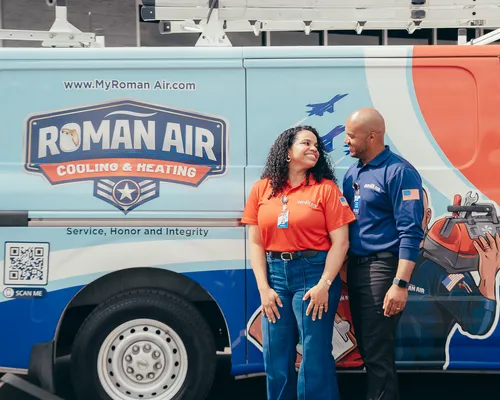
Roman Air is a veteran-owned HVAC company serving Tampa, FL, and the surrounding Central Florida area. They provide a range of services including air conditioning and furnace installation, repair, maintenance, and indoor air quality solutions for both residential and commercial customers. Roman Air offers 24/7 emergency services and supports multiple financing options to assist with HVAC upgrades. The company is known for its expertise in heating and cooling systems and has a strong local presence in Northern Osceola County and nearby regions.
Comfort Pros Air & Heat, LLC
1606 Aber Rd, Orlando, FL 32807
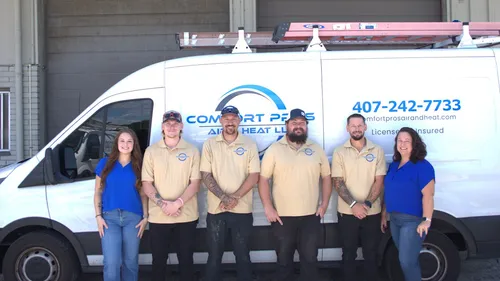
Comfort Pros Air & Heat, LLC is an HVAC company based in Orlando, FL, serving surrounding areas including Conway, Belle Isle, and Maitland. They provide a range of services such as air conditioning repair and installation, furnace repair, HVAC tune-ups, and indoor air quality solutions. With over 27 years of experience, this family-owned business works with well-known HVAC brands like Ruud, York, Trane, and Carrier to deliver reliable heating and cooling services across Central Florida.
Understanding Your HVAC System Options
In Altamonte Springs, the humid subtropical climate means your air conditioning system works hard for much of the year, but you also need reliable heating for cooler winter nights. The most common residential HVAC installations fall into three main categories, each with distinct advantages.
Central Air Conditioning and Furnace Systems This is the traditional split system found in many Florida homes. It consists of an outdoor air conditioning unit paired with an indoor air handler and a separate furnace, typically located in the attic or garage. The furnace provides heat, often using natural gas or electricity, while the AC unit handles cooling. This setup is a reliable choice for year-round comfort and is well-suited for homes with existing ductwork.
Heat Pump Systems For many Altamonte Springs homeowners, a heat pump is an increasingly popular and efficient option. Unlike a standard AC unit, a heat pump can provide both heating and cooling by moving heat rather than generating it. In cooling mode, it works like an air conditioner. In heating mode, it reverses the process to extract warmth from the outside air (even in cool weather) and transfer it indoors. This dual functionality makes it an excellent, all-electric solution for Florida's climate and can lead to significant energy savings 1.
Ductless Mini-Split Systems If you're adding a room, finishing a garage, or looking for zoned comfort control without extending existing ducts, a ductless mini-split is ideal. These systems have an outdoor compressor unit connected to one or more indoor air handlers mounted on walls or ceilings. They are highly efficient, allow for individual room temperature control, and avoid the energy losses associated with ductwork. Installation is typically less invasive than for central systems.
The HVAC Installation Process: A Step-by-Step Guide
A professional HVAC installation is a multi-stage project that ensures your system is safe, efficient, and compliant with local codes. Here's what you can expect from start to finish.
1. Site Preparation and Permitting Before any work begins, a reputable contractor will handle securing the necessary permits. In Orange County, a permit is required for the replacement or installation of any HVAC equipment. The crew will also prepare your property by laying down protective coverings to safeguard floors and landscaping during the work.
2. Removal of Old Equipment The existing outdoor condenser and indoor air handler or furnace are carefully disconnected. A critical step here is the proper recovery of refrigerant from the old AC unit, which is mandated by environmental regulations. The old equipment is then removed from your property.
3. Installation of New System This is the core phase. The new outdoor unit is placed on a stable, level pad. The indoor unit (air handler or furnace) is installed in the attic, garage, or closet. Technicians connect the refrigerant lineset, electrical wiring, and condensate drain line between the indoor and outdoor units. If you have ductwork, connections are sealed and insulated. For a full system change, this may also involve configuring new thermostats and control systems.
4. System Testing and Commissioning Once physically installed, the system is charged with refrigerant, powered on, and put through a series of tests. The contractor will check for proper airflow, calibrate the thermostat, verify all electrical connections, and ensure the system meets manufacturer specifications and local building codes. They will also demonstrate the basic operation to you.
Key Factors Influencing Your Installation
Several critical factors will determine the best system for your home and the scope of the installation project.
Correct System Sizing Perhaps the most important factor is installing a system that is correctly sized for your home's square footage, layout, insulation, and window exposure. An oversized unit will short-cycle (turn on and off too frequently), leading to poor humidity control, uneven temperatures, and increased wear. An undersized unit will struggle to keep your home comfortable on the hottest days. A professional performs a Manual J load calculation to determine the precise capacity needed.
Energy Efficiency Ratings For cooling, look at the SEER2 (Seasonal Energy Efficiency Ratio) rating. As of 2023, the federal minimum standard is 14.3 SEER2 in the Southeast, but higher-efficiency models (16 SEER2 and above) are available. While they have a higher upfront cost, they consume significantly less electricity, leading to lower monthly utility bills 2. For heat pumps, the HSPF2 (Heating Seasonal Performance Factor) measures heating efficiency.
Local Codes and Permits All HVAC installations in Altamonte Springs (Orange County) require a permit. Your contractor should pull this permit, which ensures the installation is inspected for safety and compliance with Florida Building Code standards. This protects you as a homeowner 3 4.
Find the perfect hvac installers for your needs
Get personalized recommendations and expert advice
Cost Considerations for HVAC Installation
The total investment for a new HVAC system in Altamonte Springs varies based on system type, efficiency, brand, and the complexity of the installation in your specific home.
For a full system replacement-including both a new air conditioner and a matching heating unit (furnace or heat pump)-homeowners can expect a typical price range of $7,500 to $14,000 or more 5. This cost generally includes the equipment, professional labor, necessary permits, and removal of the old unit. The final price is heavily influenced by the system's efficiency (SEER2 rating) and the brand you select.
Ductless mini-split systems are typically priced per zone. Installing a single-zone system can range from $4,000 to $8,000+, with costs increasing for multi-zone setups that cool multiple rooms with one outdoor unit 6.
It's important to note that these are installed prices. If your home requires new or extensive modifications to existing ductwork, that will add to the project's overall cost and timeline.
Project Timeline: What to Expect
A straightforward replacement of an existing HVAC system with a similar model, where no ductwork changes are needed, can often be completed in a single day. The on-site work for a standard install typically takes 6 to 10 hours of labor.
For more complex jobs-such as switching from one system type to another (e.g., moving from a gas furnace to a heat pump), installing a new zoning system, or addressing ductwork issues-the project may extend to 1-2 full days. It's always best to discuss the anticipated timeline with your contractor during the estimate phase.
Maintaining Your New System
Once your new system is installed, protecting your investment is crucial. Sign up for a seasonal maintenance plan with your installer. A professional tune-up in the spring (for cooling) and fall (for heating) ensures peak efficiency, catches small issues before they become major repairs, and helps maintain your manufacturer's warranty. Regularly changing your air filter (every 1-3 months) is the simplest and most effective thing you can do to maintain airflow and system health.
Frequently asked questions
Sources
Footnotes
-
Florida Heat Pump Incentives: 2024 Guide - https://www.energysage.com/heat-pumps/florida-heat-pump-incentives/ ↩
-
How Much Does an Air Conditioner Cost for a 2000-Square-Foot Home? - https://www.thisoldhouse.com/heating-cooling/air-conditioner-cost-for-2000-square-foot-home ↩
-
Do I Need a Permit - Orange County Government Florida - https://www.orangecountyfl.net/PermitsLicenses/DoINeedaPermit.aspx ↩
-
HVAC Installation in Altamonte Springs - Google Sites - https://sites.google.com/view/hvac-solutions-resources/post/hvac-installation/hvac-installation-in-altamonte-springs ↩
-
AC Installation in Florida: Timeline, Checklist & Care Tips - https://progressiveairsystems.com/blog/what-to-expect-during-an-ac-installation-in-florida-timeline-checklist-and-post-install-care-tips/ ↩
-
How Much Does a New HVAC System Cost to Install and Replace in ... - https://hvac.filterbuy.com/resources/air-conditioning-heat-pumps/how-much-does-a-new-hvac-system-cost-to-install-and-replace-in-florida-homes/ ↩