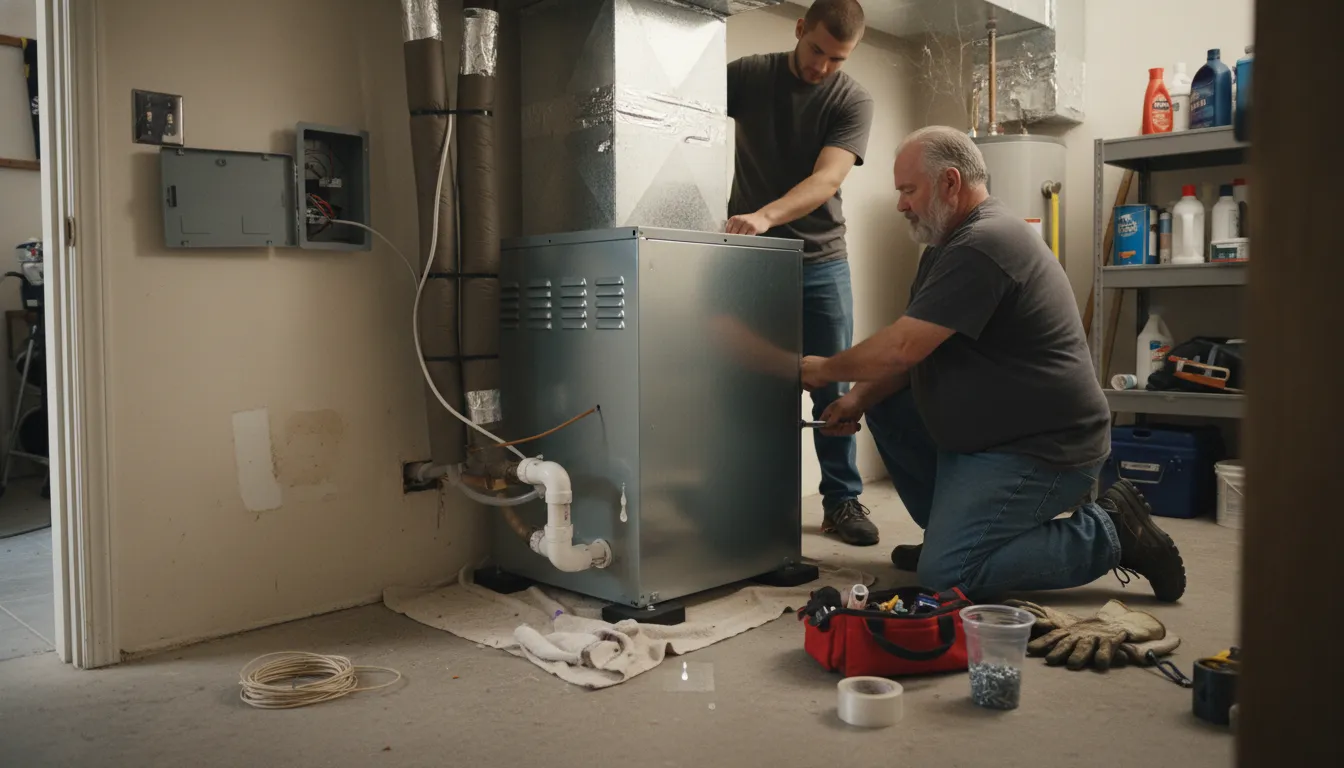
Find the Best HVAC Installers for Your Business
No obligation • Fast responses • Nationwide coverage

Why you can trust HVAC Firms
HVAC Firms is a leading United States resource for evaluating HVAC service providers. Our team researches companies, checks credentials, and reviews customer feedback to present clear, unbiased information. Listings and rankings are based on merit, and companies cannot pay to change our editorial content.
Search providers near you
Top HVAC Installers in Greenwich, Connecticut Ranked
Installing a new heating, ventilation, and air conditioning system is a significant investment in your Greenwich home's comfort, efficiency, and value. Given Connecticut's distinct seasons-cold winters and warm, humid summers-choosing the right system and a qualified installer is crucial. This guide outlines the key considerations, from system selection and costs to the local permitting process, to help you navigate your HVAC installation project with confidence.
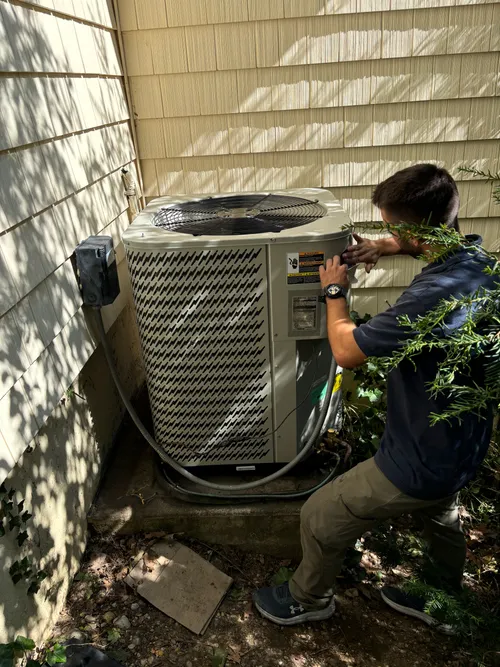
KOKA-TECH HVAC INC
60-21 Menahan St, Ridgewood, NY 11385
KOKA-TECH HVAC INC provides professional heating and cooling services in New York, NY, including installation, repair, and tune-ups for air conditioners, furnaces, heat pumps, boilers, and mini splits. They offer 24/7 emergency support and same-day availability, serving Queens, Brooklyn, Manhattan, Bronx, and Long Island. The company is licensed and insured, with a strong local presence and expertise in NYC buildings. With nearly 300 five-star reviews, KOKA-TECH HVAC INC is recognized for upfront quotes and customer approval before starting work.
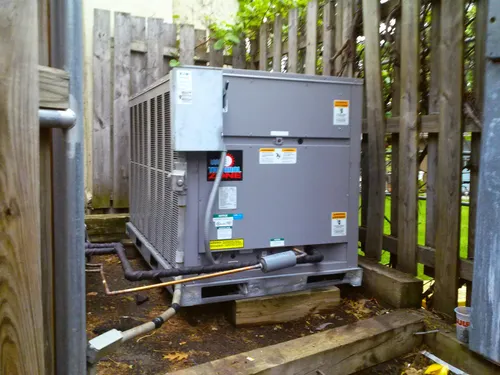
Airtek Mechanical Heating & Cooling LLC
400 Valley Brook Ave, Lyndhurst, NJ 07071
Airtek Mechanical Heating & Cooling LLC is an HVAC contractor based in Newark, NJ, providing residential and commercial heating, cooling, and refrigeration services. They offer repairs, installations, and maintenance for air conditioning, furnaces, boilers, and ductless mini-split systems. Their capabilities include 24-hour emergency HVAC repairs and servicing a variety of unit types such as rooftop package units and wall air conditioners. With over 10 years of experience, Airtek Mechanical serves Newark and surrounding areas with a focus on comprehensive HVAC solutions.
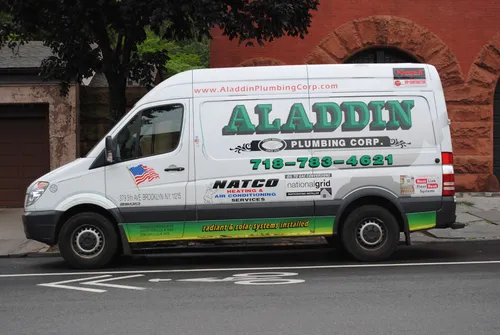
Aladdin Plumbing Corp.
New York, NY
Aladdin Plumbing Corp. is a plumbing and HVAC company based in New York, NY, specializing in Brownstone plumbing, heating, and air conditioning services. They provide installation and repair for residential and commercial HVAC systems, including furnace and AC repair, with a focus on Brownstone buildings in Brooklyn and the NYC area. Established in 1976, the company has extensive experience maintaining and installing plumbing and HVAC systems. Their fleet of GPS-equipped vehicles supports timely service delivery.
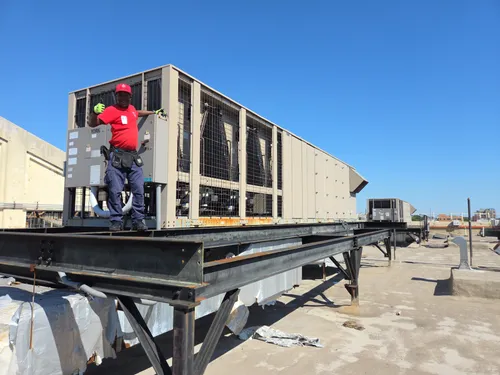
American HVAC Corp - Brooklyn, Heating, Air Conditioning, Refrigeration, Ductless Mini Split, Rooftop, Commercial HVAC NYC
77 Sands St 6th Floor, Brooklyn, NY 11201
American HVAC Corp - Brooklyn, Heating, Air Conditioning, Refrigeration, Ductless Mini Split, Rooftop, Commercial HVAC NYC provides HVAC repair, installation, and maintenance services in New York, NY. Their certified technicians handle a wide range of heating and air conditioning equipment, including furnaces, heat pumps, mini splits, and rooftop systems. The company serves numerous neighborhoods across Brooklyn and extends service to Queens, Manhattan, Staten Island, and The Bronx. They support various industries such as banks, data centers, educational institutions, and commercial office buildings. Their technicians are accredited by EPA and NATE, ensuring professional expertise.
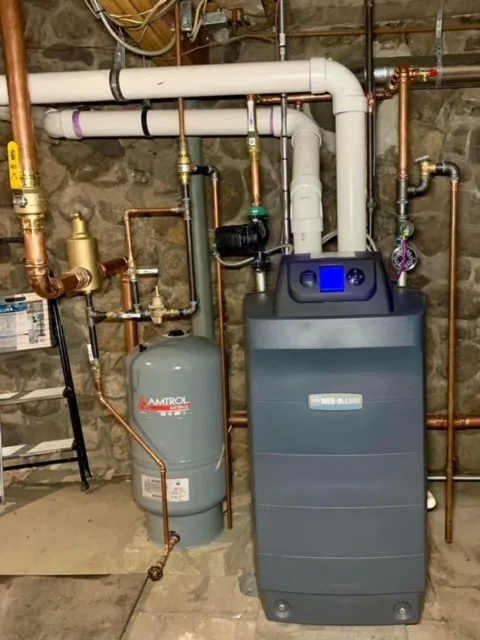
Liberty Heating & Cooling
66 Lincoln Pl, Garfield, NJ 07026
Liberty Heating & Cooling is a family-owned HVAC company based in Newark, NJ. They provide heating and air conditioning services for both residential and commercial properties, including installation, repair, and maintenance of boilers, furnaces, air conditioners, and ductless mini split systems. Their certified technicians have extensive experience in boiler and AC repairs as well as HVAC tune-ups, ensuring reliable system performance.
Understanding Your HVAC System Options in Greenwich
The first step in any installation project is selecting the right equipment for your home. Greenwich residents have several primary options, each with unique benefits suited to different types of homes and budgets.
High-Efficiency Furnaces and Boilers: For homes with existing ductwork, a new gas, oil, or electric furnace is a common choice. The key metric is the Annual Fuel Utilization Efficiency (AFUE) rating; a higher AFUE means more heat from every dollar spent on fuel, which is vital for managing energy costs during Connecticut's cold winters. Boilers, which provide radiant heat via hot water or steam, are another excellent option, especially in older Greenwich homes.
Central Air Conditioning Systems: A central AC unit is essential for summer comfort. Modern systems are rated by the Seasonal Energy Efficiency Ratio 2 (SEER2), with higher numbers indicating better efficiency and lower operating costs. Pairing a new AC with a matching furnace can create a highly efficient, integrated climate control system.
Heat Pumps: This technology is increasingly popular in Connecticut. Air-source heat pumps provide both heating and cooling by transferring heat, making them exceptionally efficient for much of the year. For the ultimate in efficiency, geothermal (ground-source) heat pumps use the stable temperature of the earth, though they involve a more complex and costly installation process.
Ductless Mini-Split Systems: Ideal for homes without existing ducts, for room additions, or for creating "zones" with independent temperature control, ductless mini-splits offer high efficiency and flexible installation. They consist of an outdoor compressor unit and one or more indoor air handlers mounted on walls or ceilings.
Hybrid or Dual-Fuel Systems: These systems combine a heat pump with a gas furnace. The heat pump handles moderate temperatures efficiently, while the furnace takes over during extreme cold, offering an optimal balance of comfort and energy savings year-round.
The HVAC Installation Process: From Assessment to Inspection
A professional installation follows a structured process to ensure safety, efficiency, and compliance with local codes. Here's what you can expect when you hire a contractor in Greenwich.
-
Initial Home Assessment: A reputable technician will perform a comprehensive evaluation. This includes calculating your home's heating and cooling load (Manual J calculation), inspecting existing ductwork for leaks or insufficient sizing, checking insulation levels, and discussing your comfort goals and budget. This assessment is the foundation for all subsequent decisions.
-
System Selection and Proposal: Based on the assessment, your contractor will recommend specific systems, brands, and configurations. They should explain the differences in efficiency (SEER2, AFUE, HSPF), capacity, features, and warranties. This is the time to ask questions about operating costs, expected lifespan, and compatibility with your home.
-
Securing Permits: In Greenwich, most HVAC installations require a permit from the Town's Building Inspection Division. Your contractor typically handles this process, submitting the HVAC Permit Application with details of the planned work. Permit review can take several days to a couple of weeks, so this step is built into the project timeline.
-
Installation Day(s): The physical installation timeframe varies by system complexity. A straightforward furnace or AC replacement might take 1-2 days, while a full system change-out or a ductless multi-zone install could take 3-5 days 1. For complex projects like geothermal, the timeline extends further. Professional installers will protect your home, properly dispose of old equipment, and ensure the new system is precisely set up and tested.
-
Final Inspection and Startup: Once installation is complete, the Town of Greenwich requires a final inspection to verify the work meets all building and mechanical codes 2. After passing inspection, the contractor will perform a detailed startup and commissioning process, checking refrigerant levels, airflow, electrical connections, and thermostat operation, and will walk you through the basic operation of your new system.
Find the perfect hvac installers for your needs
Get personalized recommendations and expert advice
Key Factors Influencing Your Installation
Beyond choosing a furnace or AC unit, several critical factors will determine the long-term performance and satisfaction with your new HVAC system.
Energy Efficiency and Operating Costs: Connecticut has some of the highest energy costs in the nation. Investing in a high-efficiency system (e.g., a high SEER2 AC or a high AFUE furnace) can lead to substantial savings on your utility bills over the system's 15-20 year lifespan. Look for ENERGY STAR® certified models.
Ductwork Evaluation: Your ducts are the circulatory system for your forced-air HVAC. Old, leaky, or poorly sized ducts can undermine even the most efficient equipment. A professional should assess your ductwork and recommend sealing, insulating, or modifications as part of the installation project to ensure optimal airflow and efficiency.
Climate Suitability: Your system must be sized and selected for Greenwich's specific climate. An undersized furnace will struggle in January cold snaps, while an oversized AC will short-cycle, failing to dehumidify properly in summer. Proper load calculation ensures your system is correctly sized for both peak heating and cooling demands.
Fuel Source and Availability: Your choice may be influenced by your home's existing fuel infrastructure. Homes with natural gas lines often opt for gas furnaces due to their lower operating cost. For homes without gas, options include oil furnaces, electric furnaces, or the highly efficient heat pumps which run on electricity 3.
Understanding HVAC Installation Costs in Greenwich
Costs for a new HVAC system in Greenwich can vary widely based on the factors discussed. It's important to view this as a long-term investment in your property.
Overall Cost Range: For a complete system replacement (e.g., new furnace and AC, or a heat pump system) in a typical Greenwich home, homeowners can expect a range of $10,000 to $20,000 or more 4. The national average for a system in a 2,000-2,500 sq. ft. home is around $13,430 4.
Cost Breakdown by System Type:
- Central Air Conditioning: Installing a new high-efficiency central AC unit can range from $5,500 to $16,000, heavily dependent on SEER2 rating and home complexity 5.
- Gas Furnace: A new high-efficiency gas furnace installation typically costs between $4,500 and $7,500 6.
- Ductless Mini-Split: Costs vary widely based on the number of zones. A single-zone system may start around $3,000-$5,000, while multi-zone systems for a whole home can reach $15,000 or more 7.
- Heat Pump Systems: Air-source heat pump systems generally fall within the $10,000 to $20,000 range, while geothermal systems are a premium investment often starting above $20,000 8 9.
These figures include equipment, labor, standard materials, and often the permit fees. They do not typically include major ductwork modifications, electrical service upgrades, or complex architectural challenges, which would add to the project cost 10.
Frequently asked questions
Sources
Footnotes
-
How Long Does It Take to Install an Hvac System? | Value Air Heat - https://valueairandheat.com/how-long-does-installation-take-to-install-an-hvac-system-do-you-know-it/ ↩
-
HVAC (Associated with Building Permit) - Greenwich, CT - https://www.greenwichct.gov/2834/HVAC-Associated-with-Building-Permit ↩
-
Connecticut Boiler Guide: Residential Installs and ... - https://egreenhvac.com/blog/connecticut-boiler-guide-residential-installs-and-replacements/ ↩
-
Average Cost for New HVAC System | Comfort Temp - https://comforttemp.com/what-is-the-average-cost-for-a-new-hvac-system/ ↩ ↩2
-
Central Air Conditioning Replacement: Your 2025 Upgrade Guide - https://www.tcmemt.com/post/central-air-conditioning-system-replacement-essential-guide-for-spring-2025-upgrades ↩
-
Furnace Installation Cost: What Does It Include? - https://www.degreeheatingandcooling.com/news/furnace-installation-cost-what-does-it-include/ ↩
-
Heating Installation - https://www.homecomfortpractice.com/hvac/heating/heating-installation/ ↩
-
Cost to Install a New HVAC System in 2025? - https://osborneheatingncooling.com/cost-to-install-a-new-hvac-system/ ↩
-
Cost of New HVAC System Replacement & Installation (2026) - https://www.ecowatch.com/hvac/new-hvac-system-cost ↩
-
Residential HVAC Installation Process: A Comprehensive Guide - https://precisionairhc.com/blog/residential-hvac-installation-process/ ↩