Find the Best Heat Pump Repair Contractors for Your Business
No obligation • Fast responses • Nationwide coverage

Why you can trust HVAC Firms
HVAC Firms is a leading United States resource for evaluating HVAC service providers. Our team researches companies, checks credentials, and reviews customer feedback to present clear, unbiased information. Listings and rankings are based on merit, and companies cannot pay to change our editorial content.
Search providers near you
Top Heat Pump Repair Contractors in West Allis, Wisconsin Ranked
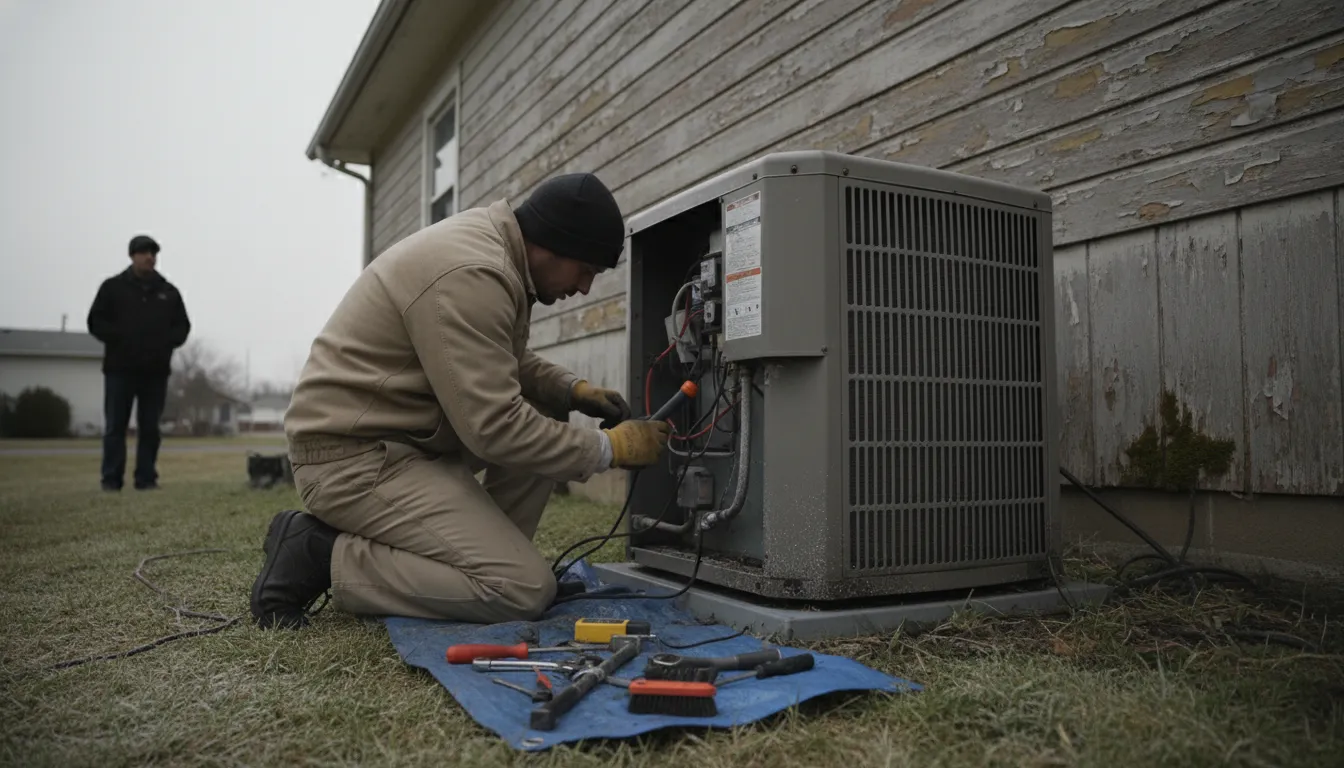
When your heat pump stops working in West Allis, it's more than an inconvenience-it's a threat to your comfort and safety, especially during our distinct Wisconsin seasons. Heat pump service is essential for maintaining efficient heating and cooling year-round, saving you money on energy bills and preventing minor issues from becoming major, costly failures. This guide will help you understand common problems, what to expect from a repair visit, and how to find qualified local technicians to restore your system's performance.
Professional Services Heating, AC & Electric Repair
113 Riverview Dr, Thiensville, WI 53092
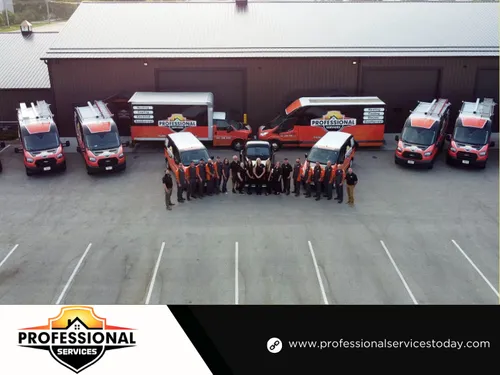
Professional Services Heating, AC & Electric Repair is an HVAC company serving Milwaukee, WI, and the surrounding Ozaukee and Washington counties. They provide a range of heating and cooling services including furnace, heat pump, boiler, and geothermal system repair and installation. The company is equipped to handle both standard and high-efficiency furnaces, as well as ductless split systems. They emphasize practical advice and offer warranties on parts and labor. Professional Services also offers 24/7 emergency service to address urgent heating and cooling needs.
HoneyCreek Heating, Cooling & Electric, LLC
N63W22633 Main St Ste. 107, Sussex, WI 53089
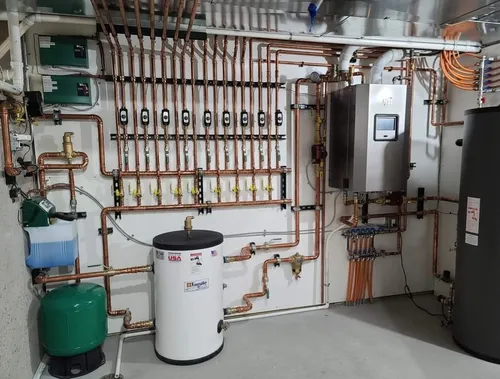
HoneyCreek Heating, Cooling & Electric, LLC is a full-service HVAC and electrical company serving Milwaukee, WI, and the surrounding areas. They provide repair, installation, and maintenance for heating and cooling systems including furnaces, air conditioners, boilers, heat pumps, and thermostats. Their licensed electricians also handle electrical panel upgrades, wiring repairs, and ceiling fan installations. HoneyCreek offers 24/7 emergency service and covers a broad range of locations in Southeastern Wisconsin. Their technicians are experienced with many HVAC brands and emphasize safety and clear communication throughout their work.
Pro Serv Plumbing, Heating, and Cooling
110 N 121st St, Wauwatosa, WI 53226
Pro Serv Plumbing, Heating, and Cooling provides residential and commercial plumbing, heating, and cooling services in Milwaukee, WI. The company offers repair, installation, and maintenance for HVAC systems including air conditioners, furnaces, and heat pumps. Pro Serv is family owned and operated by Jon Weis, a Master Plumber and HVAC Contractor trained by the U.S. Air Force. The company is accredited by the Better Business Bureau and the Milwaukee Builders Association and serves the Milwaukee metro area with 24/7 availability.
Roman Home Services - Electric, Plumbing, Heating & Cooling
2220 S 114th St, West Allis, WI 53227
Roman Home Services - Electric, Plumbing, Heating & Cooling is a family-owned home service contractor based in Milwaukee, WI. Serving Southeastern Wisconsin since 1929, they provide a wide range of residential electrical, plumbing, and HVAC services including installation, repair, and maintenance of air conditioning, furnaces, heat pumps, and boilers. Their team is equipped to handle projects of all sizes, from new construction to remodeling and service upgrades. Roman Home Services offers 24/7 availability with over 50 service trucks on the road, ensuring timely support whenever needed.
Thielmann Heating, Cooling & Plumbing
17020 W National Ave, New Berlin, WI 53151
Thielmann Heating, Cooling & Plumbing is an HVAC company serving Milwaukee, WI, specializing in furnace repair, AC installation, heat pump service, and routine maintenance. They provide comprehensive heating and cooling care for residential customers, focusing on system efficiency and indoor air quality. With decades of local experience, Thielmann offers expert service for all makes and models, aiming to improve home comfort and energy use.
Common Heat Pump Problems in West Allis
Understanding the signs of a failing system can help you describe issues accurately to a technician and potentially prevent further damage. Here are the most frequent heat pump malfunctions reported in our area.
Frozen Coils or Outdoor Unit Icing
A layer of ice on your outdoor unit is a classic sign of trouble. In West Allis's colder winters, this is often caused by low refrigerant levels, dirty evaporator or condenser coils, or a malfunctioning blower fan 1. When the system can't exchange heat properly, moisture freezes. Running a unit with frozen coils can damage the compressor, leading to a much more expensive repair.
Lack of Heating or Cooling
When your heat pump isn't producing warm or cool air, the culprit could range from simple to complex. Common causes include thermostat failures, tripped circuit breakers, faulty reversing valves, or problems with electrical components like capacitors and contactors. A system that runs constantly but doesn't reach the set temperature is also a red flag, often pointing to refrigerant issues or ductwork leaks.
Unusual Noises
Your heat pump should operate relatively quietly. New or loud noises are a clear signal for attention:
- Banging or Rattling: Often indicates loose or broken parts inside the compressor or a failing fan motor.
- Screeching or Squealing: Can be a sign of a bad motor bearing or issues with the compressor.
- Buzzing or Humming: Frequently points to electrical problems, such as a failing contactor, capacitor, or loose wiring.
Foul or Burning Odors
Smells demand immediate attention. A burning odor typically suggests an electrical component overheating or failing, which can be a fire hazard 2. A musty smell often indicates mold or mildew growth in the ductwork or on the evaporator coil, which can impact indoor air quality.
The Heat Pump Repair Process: What to Expect
Knowing what happens during a service call can make the process less stressful. Reputable technicians follow a systematic approach to diagnose and resolve your issue.
1. Initial Assessment and Safety Check The technician will start by discussing the symptoms you've observed and reviewing your system's service history. Before any testing begins, they will perform essential safety checks on electrical connections and, if applicable, gas lines to ensure a safe working environment.
2. Comprehensive System Diagnostics This is the core of the visit. Using specialized tools, the tech will:
- Test electrical components (capacitors, contactors, relays).
- Measure refrigerant pressure and levels to check for leaks.
- Assess airflow across the coils and through the ductwork.
- Inspect the compressor, fan motors, and the thermostat for proper operation.
3. Explanation and Repair Options A good technician will clearly explain their findings, showing you any failed parts if possible. They will outline your options, which may include a straightforward repair, a recommendation for a major component replacement, or, in some cases, discussing the cost-benefit of repairing an old system versus replacing it. You should receive a detailed quote that breaks down parts and labor costs before any work begins.
4. Repair Execution and Follow-up For minor issues, the repair may be completed on the spot. If major parts need to be ordered, the technician will schedule a follow-up visit. Once the repair is complete, they should test the entire system to ensure it's operating correctly and efficiently before considering the job done.
Find the perfect heat pump repair contractors for your needs
Get personalized recommendations and expert advice
Repair Timelines and Cost Considerations
How long a repair takes and what it costs are two of the most common questions homeowners have. The answers depend entirely on the nature of the problem.
Estimated Repair Timelines
- Simple Fixes: Tasks like replacing a dirty air filter, recalibrating a thermostat, or performing basic cleaning can often be completed within 1-2 hours during the initial service visit.
- Moderate Repairs: Replacing a capacitor, contactor, or fan motor, or sealing a small refrigerant leak and recharging the system, typically takes a few hours to a full day. Some parts may need to be procured, which can add time.
- Major Component Replacements: Swapping out a failed compressor or replacing an entire coil are significant jobs. These can take several days to weeks, largely due to the time required to order specialized parts and schedule the labor-intensive installation.
Understanding Repair Costs in West Allis
Costs can vary based on the contractor, the brand of your equipment, and the time of year. Always request a detailed, written estimate. Here's a general breakdown:
- Service Call/Diagnostic Fee: Most companies charge an initial fee of $100 to $200 to cover the visit and basic diagnosis.
- Basic Maintenance/Tune-up: A seasonal check-up, including cleaning and inspection, typically ranges from $150 to $300.
- Electrical Component Replacement: Replacing a capacitor or contactor usually costs between $300 and $600, including parts and labor.
- Refrigerant Services: Repairing a leak and recharging the refrigerant is more complex, with costs ranging from $400 to over $1,000, depending on the leak's location and severity 3 4.
- Major Mechanical Repairs: Replacing a fan motor or compressor is a major investment, often costing $1,000 to $3,000 or more 5 6.
Key Takeaway: The best way to manage repair costs is through regular preventative maintenance. An annual tune-up can identify and fix small problems-like a weakening capacitor or a minor refrigerant leak-before they lead to a system failure and an emergency service call.
Choosing a Service Provider for Your Heat Pump
Selecting the right technician is crucial for a quality, lasting repair. Look for a provider that is licensed, insured, and has specific experience with heat pump systems. Check online reviews and ask for references. A trustworthy company will be transparent about pricing, offer clear explanations, and provide warranties on both parts and labor.
Frequently asked questions
Sources
Footnotes
-
West Allis Heater Repair: Emergency Service Available Now - https://www.1stchoiceheating.com/west-allis-heating-furnace-contractor/ ↩
-
24/7 Emergency HVAC Services in Milwaukee, WI - West Allis Heating - https://westallisheating.com/emergency-hvac-services/ ↩
-
Operating and Maintaining Your Heat Pump | Department of Energy - https://www.energy.gov/energysaver/operating-and-maintaining-your-heat-pump ↩
-
HVAC Services in Milwaukee, WI & Nearby Areas - https://westallisheating.com/milwaukee/ ↩
-
HVAC Services in West Allis, WI - Installation - https://www.alianceheatandcool.com/service-areas/west-allis-wi ↩
-
Heater Repair Services in Milwaukee, WI - West Allis Heating - https://westallisheating.com/heater-repair/ ↩