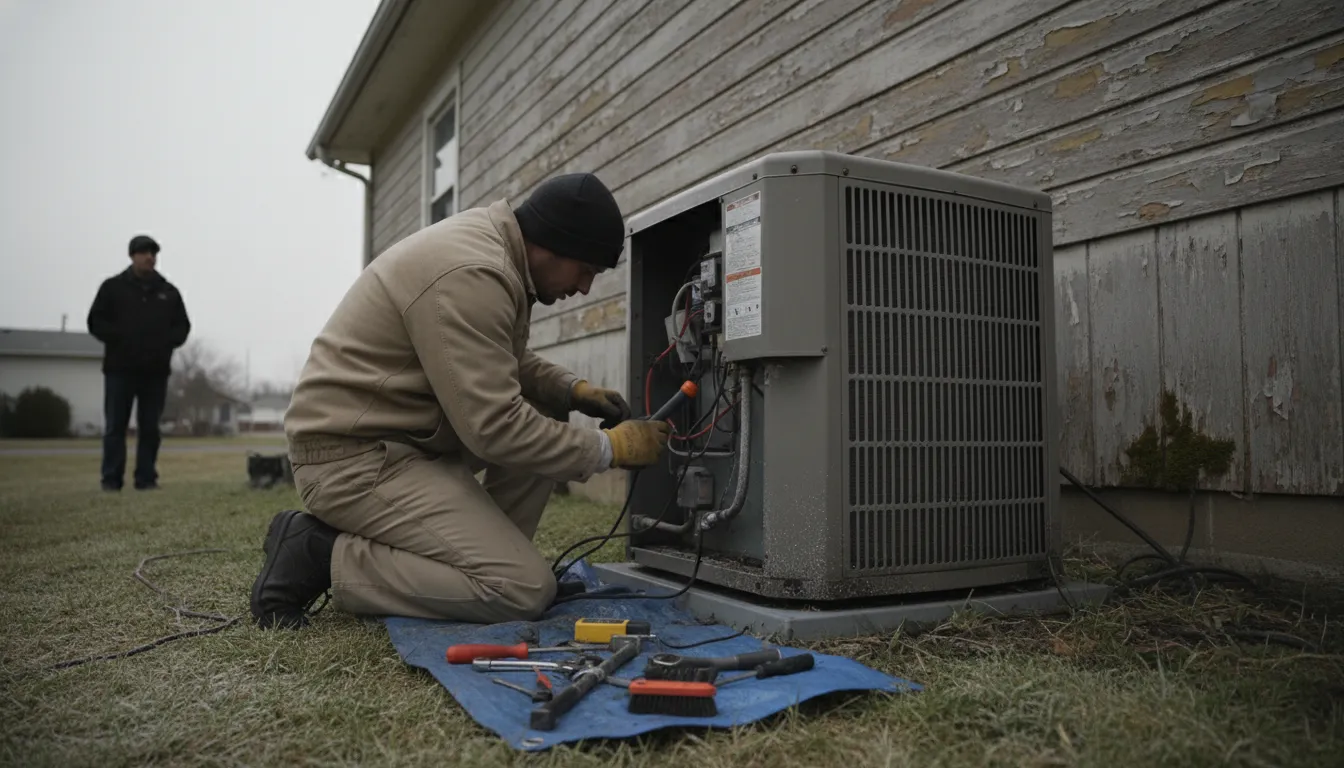
Find the Best Heat Pump Repair Contractors for Your Business
No obligation • Fast responses • Nationwide coverage

Why you can trust HVAC Firms
HVAC Firms is a leading United States resource for evaluating HVAC service providers. Our team researches companies, checks credentials, and reviews customer feedback to present clear, unbiased information. Listings and rankings are based on merit, and companies cannot pay to change our editorial content.
Search providers near you
Top Heat Pump Repair Contractors in Charlotte, North Carolina Ranked
When your heat pump starts acting up in Charlotte, it's more than an inconvenience-it's a threat to your home's comfort and energy efficiency. Heat pump repair is a specialized service focused on diagnosing and fixing the complex heating and cooling systems that many Charlotte homes rely on. This guide will help you understand common local issues, what to expect from a service visit, and how to connect with qualified technicians who can restore your system's performance.
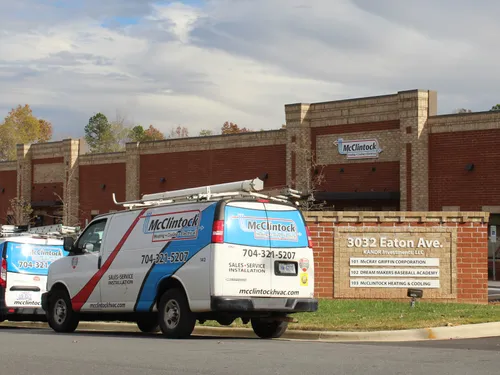
McClintock Heating and Cooling
3032 Eaton Avenue Suite 103, Indian Trail, NC 28079
McClintock Heating and Cooling is a locally owned and fully licensed HVAC company serving Charlotte, NC, and surrounding areas. They offer a range of heating and cooling services including repair and installation of air conditioners, furnaces, heat pumps, and indoor air quality solutions. The company also provides plumbing and electrical services, expanding their support for home and commercial comfort needs. With over 24 years of experience, McClintock Heating and Cooling focuses on tailored solutions that improve energy efficiency and system performance.
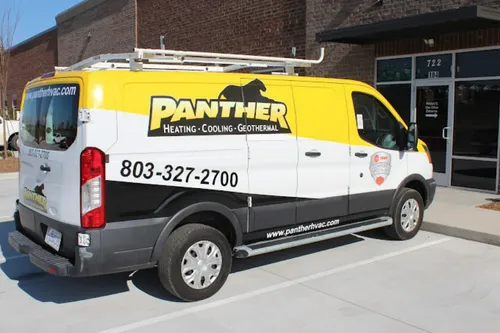
Panther Heating and Cooling
722 Corporate Blvd Suite 105, Rock Hill, SC 29730
Panther Heating and Cooling is an HVAC company based in Charlotte, NC, offering a full range of heating and cooling services including installation, repair, and maintenance of furnaces, air conditioners, heat pumps, and mini-split systems. They also provide indoor air quality solutions and smart thermostat installations. The company serves Charlotte and surrounding areas such as Rock Hill, Tega Cay, Fort Mill, Indian Land, York, Clover, Matthews, and Waxhaw. Panther Heating and Cooling emphasizes skilled, certified technicians and offers 24/7 emergency HVAC services to address urgent needs promptly.
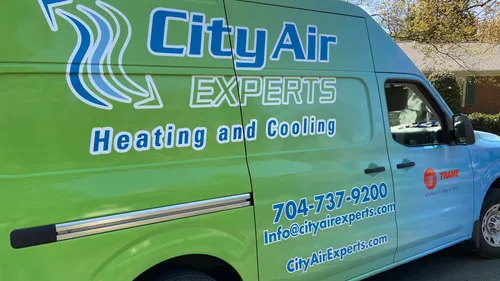
City Air Experts Heating and Cooling
411 Foster Ave, Charlotte, NC 28203
City Air Experts Heating and Cooling is a Charlotte, NC-based company providing residential and commercial HVAC services. They offer installation, repair, and maintenance for air conditioning, furnaces, heat pumps, mini splits, and general HVAC systems. The company is a certified Trane Comfort Specialist and employs NATE-certified technicians, ensuring skilled service. Established in 2009, City Air Experts provides 24/7 emergency HVAC services to respond to urgent needs any time of day or night.
NASCAIR Heating & Cooling
377 Rubin Center Dr Suite 210, Fort Mill, SC 29708
NASCAIR Heating & Cooling is a veteran-owned HVAC company serving Charlotte, NC, and nearby areas since 2004. They specialize in the repair, maintenance, and installation of heating and air conditioning systems, including furnaces, heat pumps, mini splits, and ductless systems. NASCAIR is known for its skilled technicians who handle all makes and models, offering services such as HVAC tune-ups and ductwork replacement. With over 20 years of experience, the company focuses on ensuring safe, efficient, and comfortable home environments.
Super Cool HVAC
954 N Davidson St, Charlotte, NC 28206
Super Cool HVAC is a locally owned company based in Charlotte, NC, offering residential and commercial heating and cooling services. They provide installation, repair, and maintenance for air conditioners, furnaces, heat pumps, and HVAC systems. The company emphasizes clear communication and customer partnership throughout scheduling, diagnosis, and system replacement. They also handle warranty registration and offer labor warranties for new installations. Regular maintenance plans are available to help ensure efficient and reliable system operation and to prevent unexpected breakdowns.
Understanding Your Heat Pump System
A heat pump is a versatile, all-in-one HVAC system that provides both heating and cooling by transferring heat rather than generating it. This makes it highly efficient for our Charlotte climate, but its year-round operation also means it's susceptible to wear and specific malfunctions. Recognizing the signs of trouble early can prevent minor issues from escalating into costly breakdowns and ensure your home stays comfortable through every season.
Why Timely Repairs Are Critical
Neglecting small problems with your heat pump can lead to a cascade of failures. A simple issue like a dirty filter can strain the blower motor, while low refrigerant can cause the compressor to overheat and fail. Prompt professional attention not only restores immediate comfort but also protects your investment, maintains your system's energy efficiency, and extends its overall lifespan.
Common Heat Pump Problems in Charlotte
Charlotte's humid summers and mild but occasionally chilly winters put consistent demand on heat pumps. Local technicians frequently encounter a specific set of issues. Here are the most common heat pump malfunctions you might face:
- Freezing Coils: You may notice ice building up on the outdoor unit. This is often caused by low refrigerant levels, dirty evaporator or condenser coils, or a malfunctioning defrost cycle.
- Short Cycling: The system turns on and off more frequently than normal. This can signal problems with the fan motor, a clogged air filter, or issues with the thermostat or electrical components, reducing efficiency and increasing wear.
- Insufficient Heating or Cooling: The system runs but doesn't adequately heat or cool your home. This could stem from refrigerant leaks, ductwork issues, or a failing compressor.
- Strange Noises: Unusual sounds like grinding, squealing, or banging are clear indicators of mechanical problems, such as a failing blower fan motor, loose components, or issues within the compressor.
- Low Airflow: Weak airflow from your vents often points to a problem with the indoor blower fan, a blocked duct, or an excessively dirty filter. 1 2
What to Expect During a Service Visit
Knowing what happens when a technician arrives can make the process smoother and help you understand the value of the service. A professional heat pump repair visit typically follows a structured process.
1. Arrival and Initial Diagnosis The technician will start by discussing the symptoms you've observed and checking your thermostat settings and mode (Heat/Cool). They will then perform a visual inspection of both the indoor and outdoor units, looking for obvious signs like ice buildup, debris blockage, or physical damage.
2. Comprehensive System Inspection This involves a hands-on check of key components. The tech will examine air filters, inspect coils for dirt, check electrical connections, assess ductwork for leaks or restrictions, and measure refrigerant levels and airflow to pinpoint the root cause. 3
3. Repair or Detailed Quote For minor, fixable issues-like replacing a dirty filter, cleaning coils, or tightening electrical connections-the technician may complete the repair on the spot. For more complex problems, they will provide a clear, detailed quote outlining the necessary parts, labor, and associated costs before proceeding. 4 5
4. System Testing and Explanation After the repair, the technician will test the entire system to ensure it's operating correctly and efficiently. A reputable professional will also explain what was done, why it was necessary, and may offer tips for maintaining your system to prevent future issues.
The timeline for these services can vary. Simple repairs like replacing a capacitor or contactor might be completed in 1 to 3 hours, while complex jobs like a compressor replacement will take longer.
Find the perfect heat pump repair contractors for your needs
Get personalized recommendations and expert advice
Typical Heat Pump Repair Costs
While every job is unique, understanding general cost ranges can help you budget and evaluate quotes. It's common for companies to charge a diagnostic or service fee, which is often waived if you proceed with the recommended repair.
- Diagnostic Fee: Typically around $89 for the initial visit and assessment.
- Capacitor Replacement: One of the most common electrical repairs, usually costing between $200 and $300.
- Reversing Valve Repair/Replacement: This critical component switches the system between heating and cooling modes. Repair or replacement can range from $600 to $1,200.
- Compressor Replacement: As the heart of the heat pump, replacing a failed compressor is a major repair, with costs generally ranging from $1,200 to $3,500, depending on the unit's specifications and accessibility. 6 7
How to Prepare for a Technician's Visit
A little preparation on your part can make the technician's job easier and potentially shorten the service time.
- Clear Access: Ensure the area around your outdoor unit (condenser) is free of leaves, grass clippings, furniture, or stored items. Clear a path to the indoor air handler or furnace as well.
- Note Symptoms and Settings: Write down any unusual noises, error codes on the thermostat, or changes in performance. Have your thermostat settings handy.
- Check Simple Fixes: Before the visit, replace any visibly dirty air filters. This simple step can sometimes resolve airflow issues and allows the tech to focus on more complex diagnostics. 8 9
Choosing the Right Service Provider in Charlotte
With many options available, selecting a qualified technician is crucial. Look for a company that is licensed, insured, and has specific experience with heat pump systems. Check for positive local reviews and ask about guarantees on both parts and labor. A trustworthy provider will be transparent about their diagnostic process, explain repair options clearly, and focus on fixing the root cause, not just the symptom.
Frequently asked questions
Sources
Footnotes
-
Troubleshooting Common Heat Pump Issues in Charlotte, NC - https://morrisjenkins.com/blog/troubleshooting-heat-pump-issues-in-charlotte/ ↩
-
Reliable Heat Pump Repair in Charlotte, NC - https://www.parkshvac.com/heating/heat-pump-repair/ ↩
-
Operating and Maintaining Your Heat Pump | Department of Energy - https://www.energy.gov/energysaver/operating-and-maintaining-your-heat-pump ↩
-
Heat Pump & HVAC Maintenance Auckland | AC Repair Services - EPS - https://epservices.co.nz/electrical-services/heat-pump-repairs/ ↩
-
What to Expect From a Heat Pump Service - Ideal Heating - https://idealheating.com/tips-and-advice/heat-pump-service-guide-what-to-expect ↩
-
Heat Pump Repair Charlotte NC | Same-Day Service - https://www.callkodiakhvac.com/services/heat-pump-repair ↩
-
Heat Pump Repair Services in Charlotte, NC - https://www.acostainc.com/heat-pumps/ ↩
-
HVAC Troubleshooting Guide: Step-by-Step Solutions Made Easy - https://projecthvac.com/2026/01/07/hvac-troubleshooting-guide-step-by-step/ ↩
-
My Heat Pump Isn't Heating: A Homeowner's Troubleshooting Guide - https://www.southern-air.com/blog/heat-pump-not-heating ↩