Find the Best Heat Pump Repair Contractors for Your Business
No obligation • Fast responses • Nationwide coverage

Why you can trust HVAC Firms
HVAC Firms is a leading United States resource for evaluating HVAC service providers. Our team researches companies, checks credentials, and reviews customer feedback to present clear, unbiased information. Listings and rankings are based on merit, and companies cannot pay to change our editorial content.
Search providers near you
Top Heat Pump Repair Contractors in Fort Wayne, Indiana Ranked
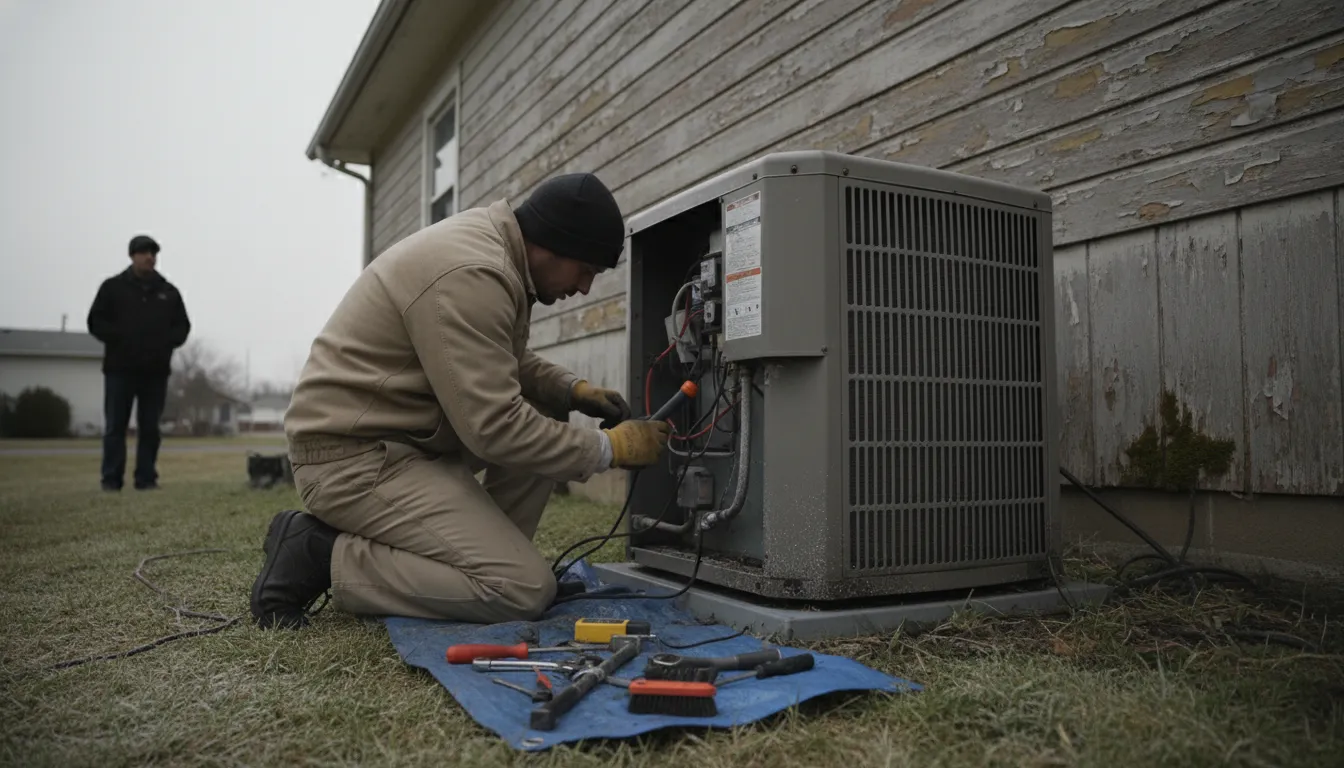
A heat pump is a versatile and efficient system for both heating and cooling your Fort Wayne home. When it malfunctions, it can lead to discomfort, high energy bills, and potential system failure. Understanding common repair issues and the local service process helps you make informed decisions to restore your home's comfort efficiently. This guide provides detailed information on heat pump service in the Fort Wayne area, from troubleshooting symptoms to what you can expect during a professional repair visit.
Northeast Mechanical Services, Inc.
3620 Metro Park Dr N, Fort Wayne, IN 46818
Northeast Mechanical Services, Inc. is an HVAC and plumbing contractor based in Fort Wayne, IN. They provide a wide range of services including installation and repair of air conditioning, furnaces, heat pumps, boilers, mini splits, geothermal heat pumps, and indoor air quality systems. The company also offers generator installation and maintenance, ensuring reliable power solutions for homes and businesses. Northeast Mechanical Services emphasizes honest recommendations and fair pricing, serving Fort Wayne and nearby communities such as New Haven, Auburn, and Huntington. Their expertise includes energy consultations and eco-friendly geothermal HVAC systems.
Blazing Heat HVAC LLC
Fort Wayne, IN
Blazing Heat HVAC LLC is a heating and cooling company serving Fort Wayne, IN, and nearby communities. They provide a wide range of HVAC services including installation, repair, diagnostics, maintenance, tune-ups, indoor air quality solutions, commercial refrigeration, boiler services, and geothermal system support. With over 36 years of combined experience, their certified technicians focus on energy efficiency, system longevity, and indoor comfort for both residential and commercial customers. They also offer emergency repair services to minimize downtime and maintain reliable system operation.
JD Kuhn Heating And Air Conditioning LLC
4625 Speedway Dr, Fort Wayne, IN 46825
JD Kuhn Heating And Air Conditioning LLC provides a range of HVAC services in Fort Wayne, IN. They offer installation, repair, and maintenance for furnaces, boilers, heat pumps, air conditioning units, and mini split systems. Their services cover both residential and commercial heating and cooling needs, including specialized work on unit heaters. Routine maintenance and service agreements are also available to help maintain system performance and efficiency.
Doc Dancer, Inc.
2309 S Anthony Blvd, Fort Wayne, IN 46803
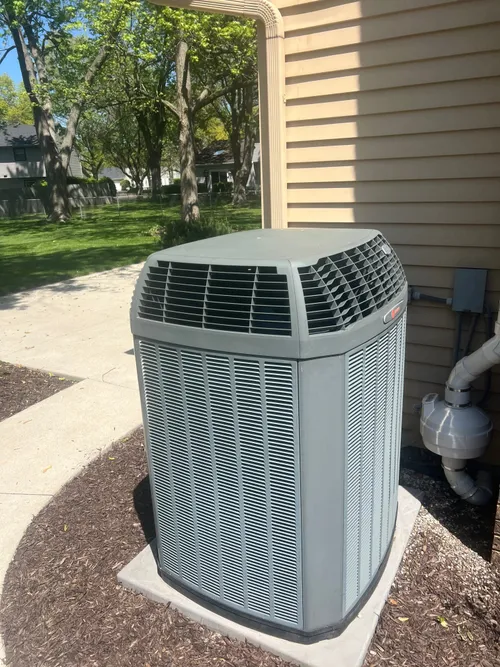
Doc Dancer, Inc. is a heating, cooling, and indoor air quality service provider based in Fort Wayne, IN. Serving the greater Fort Wayne area, they offer installation, repair, and maintenance for air conditioners, furnaces, heat pumps, mini splits, and HVAC systems. They also provide indoor air quality services and generator solutions. Established in 1946, Doc Dancer has a long history of serving local homes and businesses. The company offers 24-hour emergency service to address urgent heating and cooling needs outside regular hours.
Masters Heating & Cooling
3512 Cavalier Dr, Fort Wayne, IN 46808
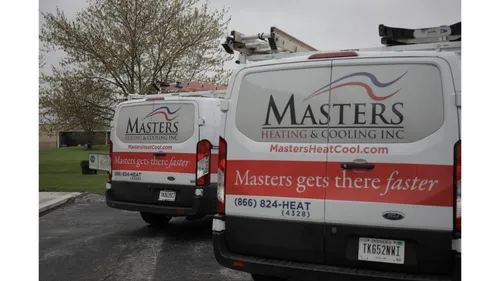
Masters Heating & Cooling is a heating, cooling, and plumbing service provider located in Fort Wayne, IN. They serve customers across Indiana, Michigan, and Ohio, offering installation, repair, replacement, and maintenance for air conditioners, furnaces, boilers, heat pumps, packaged units, ductless mini-splits, and geothermal systems. With over 40 years of experience since 1980, their certified technicians handle a wide range of HVAC and plumbing needs, including plumbing system repairs and water heater services.
Common Heat Pump Problems in Fort Wayne's Climate
Fort Wayne's distinct seasons, with cold winters and humid summers, put consistent demand on heat pump systems. This cyclical operation can lead to specific, recurring issues that local technicians frequently address. Recognizing these symptoms early can prevent minor problems from escalating into costly repairs.
Frozen Coils or Ice Buildup: This is a prevalent issue, especially during winter operation. It's often a symptom of low refrigerant levels, dirty evaporator coils, or a clogged air filter restricting airflow. When the system can't absorb heat properly, moisture on the coils freezes.
Weak Airflow or Uneven Heating/Cooling: If some rooms feel stuffy while others are comfortable, the culprit could be a clogged filter, blocked or leaky ductwork, or a failing blower fan motor. This reduces the system's efficiency and your home's comfort.
Unusual Noises: Heat pumps should operate relatively quietly. Buzzing, rattling, or grinding sounds often point to mechanical problems. These can include loose components, a failing fan motor, or serious issues within the compressor.
Short Cycling: This occurs when your heat pump turns on and off more frequently than normal. It can be caused by an oversized unit, a faulty thermostat, a clogged filter, or problems with the defrost cycle or refrigerant charge. Short cycling increases wear and tear and energy consumption.
Unexpectedly High Energy Bills: A sudden spike in your heating or cooling costs is a strong indicator that your heat pump is losing efficiency. This can result from any of the issues listed above, forcing the system to work longer and harder to maintain the set temperature 1.
The Professional Service and Repair Process
When you contact a local technician for heat pump service, a structured process ensures a thorough diagnosis and effective repair. Knowing what to expect can make the service visit smoother.
1. Initial Inspection and Consultation: The technician will start by discussing the symptoms you've observed. They will then perform a visual inspection of the entire system, checking the thermostat settings, the condition of air filters, the outdoor unit for debris or ice, and accessible ductwork for obvious issues.
2. System Diagnostics and Testing: This is the core of the repair visit. Using specialized tools, the technician will measure refrigerant pressures and levels, check electrical components like capacitors and contactors, test the compressor and fan motors, and assess overall airflow. This step pinpoints the exact cause of the malfunction.
3. Repair Execution and Recommendations: Based on the diagnosis, the technician will explain the necessary repairs, provide a detailed estimate, and, upon approval, proceed with the work. This could involve tasks like cleaning coils, sealing refrigerant leaks, replacing a worn capacitor, or repairing a fan motor 2 3. For complex or costly issues like a failed compressor, they may discuss the pros and cons of repair versus full system replacement.
Find the perfect heat pump repair contractors for your needs
Get personalized recommendations and expert advice
Understanding Repair Timelines and Participation Costs
The time and cost for heat pump service in Fort Wayne depend entirely on the nature of the problem. Here's a general breakdown based on common repair scenarios.
Typical Service Timelines:
- Diagnostic Visit: A thorough inspection and testing typically takes 1 to 2 hours.
- Minor Repairs: Simple fixes like replacing a dirty air filter or cleaning accessible coils can often be completed in less than an hour.
- Moderate Repairs: Addressing a refrigerant leak, replacing a fan motor, or installing a new capacitor usually requires 1 to 3 hours of labor.
- Major Repairs: Complex jobs like compressor or coil replacement may extend beyond a single visit, especially if special-order parts are required.
Overview of Service Costs: Costs can vary widely based on the contractor, parts required, and the system's make and model. The following are common price ranges for heat pump service components in the Fort Wayne area 4 5 6.
- Diagnostic/Service Fee: Many companies charge a standard fee of $100 to $200 for the initial visit, which is often applied toward the cost of any repairs you authorize.
- Filter Replacement: While a DIY task (filters cost under $20), professional replacement typically ranges from $20 to $50.
- Refrigerant Recharge: Fixing a leak and recharging the system with refrigerant is more involved, with costs generally between $200 and $600 or more, depending on the type and amount of refrigerant needed.
- Component Repairs: Replacing common parts like a capacitor or a blower fan motor can range from $300 to $800.
- Major Component Replacement: A compressor replacement is one of the most expensive repairs, often costing between $1,000 and $3,000+. At this price point, investing in a new system may be a more cost-effective long-term solution 7.
The Critical Role of Preventative Maintenance
The most effective strategy for avoiding unexpected repairs and high energy bills is a program of regular preventative maintenance. For a heat pump in Fort Wayne's climate, having a professional tune-up at least once a year-ideally in the fall before heating season-is highly recommended.
A maintenance visit includes cleaning coils, checking refrigerant levels, tightening electrical connections, lubricating moving parts, and testing system controls. This proactive care helps ensure efficient operation, extends the lifespan of your equipment, and can often identify small issues before they lead to a complete system failure 8 9. It is a key investment in your home's comfort and your system's reliability.
Frequently asked questions
Sources
Footnotes
-
Heat Pump Service in Fort Wayne, IN - https://www.serviceexperts.com/fort-wayne-in/services/heat-pumps/ ↩
-
Heat Pump & HVAC Maintenance Auckland | AC Repair Services - EPS - https://epservices.co.nz/electrical-services/heat-pump-repairs/ ↩
-
What to Expect From a Heat Pump Service - Ideal Heating - https://idealheating.com/tips-and-advice/heat-pump-service-guide-what-to-expect ↩
-
Heating and Air Conditioning Repair in Fort Wayne, IN - https://www.homedepot.com/services/l/IN/fort-wayne/heating-air-conditioning-repair/673dcc2c8 ↩
-
HVAC Troubleshooting Guide: Step-by-Step Solutions Made Easy - https://projecthvac.com/2026/01/07/hvac-troubleshooting-guide-step-by-step/ ↩
-
Heat Pump Services in Fort Wayne | Installation & Repair - https://www.kortedoesitall.com/heating/heat-pumps/ ↩
-
HVAC Costs Explained: Tony Marino's Full Guide to Repair, Replacement, and Installation Prices - https://thefurnaceoutlet.com/blogs/news/hvac-costs-explained-tony-marino-s-full-guide-to-repair-replacement-and-installation-prices ↩
-
Heat Pump Troubleshooting: 11 Heat Pump Issues & Their Fixes - https://cielowigle.com/blog/heat-pump-troubleshooting/ ↩
-
Operating and Maintaining Your Heat Pump | Department of Energy - https://www.energy.gov/energysaver/operating-and-maintaining-your-heat-pump ↩