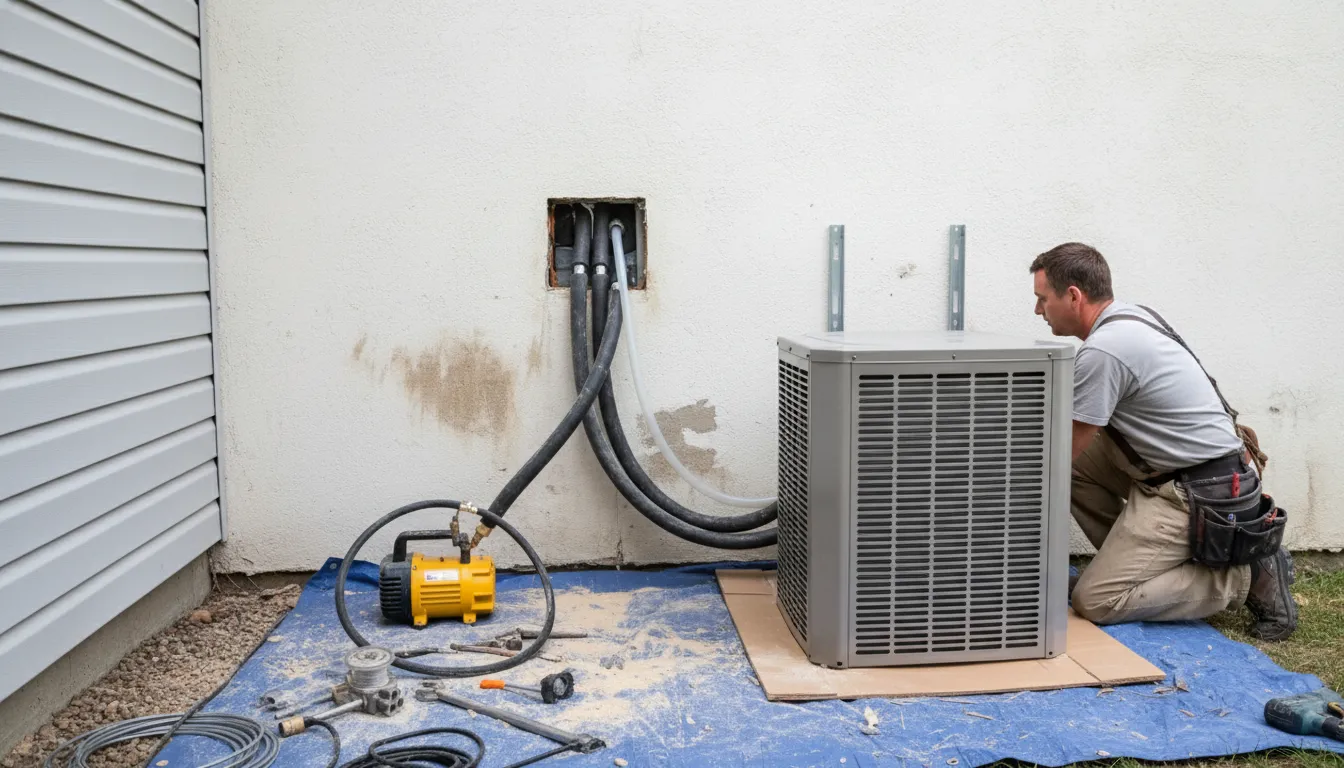
Find the Best Heat Pump Installation & Replacement Contractors for Your Business
No obligation • Fast responses • Nationwide coverage

Why you can trust HVAC Firms
HVAC Firms is a leading United States resource for evaluating HVAC service providers. Our team researches companies, checks credentials, and reviews customer feedback to present clear, unbiased information. Listings and rankings are based on merit, and companies cannot pay to change our editorial content.
Search providers near you
Top Heat Pump Installation & Replacement Contractors in Waukesha, Wisconsin Ranked
Upgrading your home's heating and cooling system with a heat pump is a smart investment in year-round comfort and energy efficiency for Waukesha residents. This technology provides both heating and cooling from a single, electric unit, offering significant savings compared to traditional gas or propane systems, especially when paired with available state and federal incentives. Understanding the specific options, costs, and climate considerations for southeastern Wisconsin is key to making the right choice for your home. This guide will help you navigate the process of selecting and installing a heat pump system tailored to Waukesha's four-season climate.
Professional Services Heating, AC & Electric Repair
113 Riverview Dr, Thiensville, WI 53092
Professional Services Heating, AC & Electric Repair is an HVAC company serving Milwaukee, WI, and the surrounding Ozaukee and Washington counties. They provide a range of heating and cooling services including furnace, heat pump, boiler, and geothermal system repair and installation. The company is equipped to handle both standard and high-efficiency furnaces, as well as ductless split systems. They emphasize practical advice and offer warranties on parts and labor. Professional Services also offers 24/7 emergency service to address urgent heating and cooling needs.
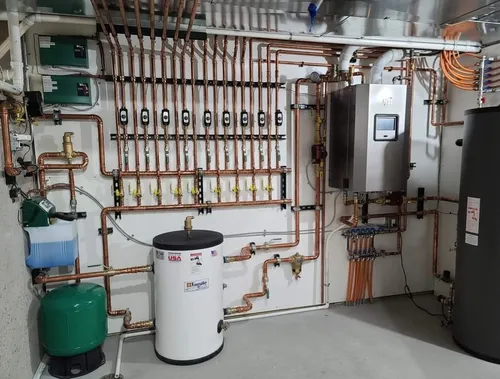
HoneyCreek Heating, Cooling & Electric, LLC
N63W22633 Main St Ste. 107, Sussex, WI 53089
HoneyCreek Heating, Cooling & Electric, LLC is a full-service HVAC and electrical company serving Milwaukee, WI, and the surrounding areas. They provide repair, installation, and maintenance for heating and cooling systems including furnaces, air conditioners, boilers, heat pumps, and thermostats. Their licensed electricians also handle electrical panel upgrades, wiring repairs, and ceiling fan installations. HoneyCreek offers 24/7 emergency service and covers a broad range of locations in Southeastern Wisconsin. Their technicians are experienced with many HVAC brands and emphasize safety and clear communication throughout their work.

Pro Serv Plumbing, Heating, and Cooling
110 N 121st St, Wauwatosa, WI 53226
Pro Serv Plumbing, Heating, and Cooling provides residential and commercial plumbing, heating, and cooling services in Milwaukee, WI. The company offers repair, installation, and maintenance for HVAC systems including air conditioners, furnaces, and heat pumps. Pro Serv is family owned and operated by Jon Weis, a Master Plumber and HVAC Contractor trained by the U.S. Air Force. The company is accredited by the Better Business Bureau and the Milwaukee Builders Association and serves the Milwaukee metro area with 24/7 availability.
Roman Home Services - Electric, Plumbing, Heating & Cooling
2220 S 114th St, West Allis, WI 53227
Roman Home Services - Electric, Plumbing, Heating & Cooling is a family-owned home service contractor based in Milwaukee, WI. Serving Southeastern Wisconsin since 1929, they provide a wide range of residential electrical, plumbing, and HVAC services including installation, repair, and maintenance of air conditioning, furnaces, heat pumps, and boilers. Their team is equipped to handle projects of all sizes, from new construction to remodeling and service upgrades. Roman Home Services offers 24/7 availability with over 50 service trucks on the road, ensuring timely support whenever needed.
Burkhardt Heating, Cooling, Plumbing & Electric
405 N Calhoun Rd, Brookfield, WI 53005
Burkhardt Heating, Cooling, Plumbing & Electric serves Milwaukee, WI, offering comprehensive HVAC services including installation, repair, and maintenance of air conditioners, furnaces, boilers, heat pumps, and mini-split systems. They provide tailored heating and cooling solutions with capabilities such as advanced zoning systems and smart thermostat integration to enhance home comfort and energy efficiency. With over 60 years of experience, Burkhardt focuses on customized service to meet unique home needs throughout the year.
Understanding Heat Pump Technology for Waukesha Homes
At its core, a heat pump doesn't generate heat by burning fuel. Instead, it moves existing heat from one place to another. In the summer, it acts like an air conditioner, extracting heat from inside your home and releasing it outdoors. In the winter, the process reverses-it extracts heat from the outside air (even when it's cold) and transfers it indoors1 2. This process is remarkably efficient, often delivering over 300-400% efficiency, meaning for every unit of electricity consumed, three to four units of heat are produced 2.
This efficiency is a game-changer for managing utility bills. While natural gas has historically been cheaper in Wisconsin, the efficiency of modern cold-climate heat pumps can make their operating costs competitive, especially when compared to electric resistance heat, propane, or fuel oil. For homes without access to natural gas lines, a heat pump installation is frequently the most economical heating solution available today.
System Types: Choosing the Right Configuration
The best heat pump system for your Waukesha home depends largely on your existing infrastructure and heating needs. There are three primary configurations to consider.
Ducted Split Systems: This is the most common type for homes that already have a functional ductwork system for forced-air heating or central air conditioning. The system consists of an outdoor unit (the condenser) and an indoor unit (an air handler) that connects to your ducts. It's a comprehensive solution that can heat and cool your entire home uniformly.
Ductless Mini-Split Systems: If your home lacks ductwork, such as in older homes with hydronic (boiler) heat, or if you're looking to heat and cool a specific addition or zone, ductless mini-splits are ideal. These systems involve one outdoor unit connected to one or more indoor, wall-mounted air handlers. They offer exceptional zoned control, allowing you to set different temperatures in different rooms, which can lead to additional energy savings.
Hybrid or Dual-Fuel Systems: This is often considered the optimal setup for Waukesha's climate. A hybrid system pairs an air-source heat pump with a traditional gas furnace. The intelligent control system automatically switches between the two based on outdoor temperature. The highly efficient heat pump handles heating demands during milder fall, winter, and spring days. When temperatures plunge into the deep cold where a heat pump's efficiency declines, the system seamlessly switches to the gas furnace for reliable and powerful backup heat 3. This combination maximizes comfort and minimizes annual fuel costs.
Climate Considerations and Cold-Weather Performance
Waukesha experiences a full range of seasons, with winters that can bring sustained sub-freezing temperatures. This makes selecting the right equipment critical.
The Importance of Cold-Climate Models: Not all heat pumps are created equal for Wisconsin winters. It's essential to choose a model specifically engineered for cold climates. These units are designed with enhanced vapor injection or other technologies to maintain heating capacity and efficiency at temperatures well below freezing. When reviewing options, look for models that are certified for performance in low ambient temperatures.
The Role of Backup Heat: Even the best cold-climate heat pump will see a drop in maximum output as temperatures approach or fall below zero. Therefore, a backup heat source is not just a luxury-it's a necessity for maintaining comfort during the coldest stretches of the year. This backup can be the gas furnace in a hybrid system or electric resistance heating strips integrated into a ducted air handler. The key is ensuring your system is sized and configured to have this supplemental heat available when needed.
Find the perfect heat pump installation & replacement contractors for your needs
Get personalized recommendations and expert advice
Evaluating Efficiency: SEER2, HSPF, and More
Understanding efficiency ratings will help you compare different heat pump models and forecast long-term savings. The metrics have been updated to new, more accurate standards (SEER2, EER2, HSPF2), but the principle remains: higher numbers mean better efficiency and lower operating costs.
- SEER2 (Seasonal Energy Efficiency Ratio): Measures cooling efficiency over an entire season. For our climate, look for a SEER2 rating of 18 or higher.
- HSPF2 (Heating Seasonal Performance Factor): Measures heating efficiency over a season. A high HSPF2 rating (10+) indicates excellent cold-weather performance and is a hallmark of cold-climate models.
- Variable-Speed Technology: This is a critical feature to seek out. Heat pumps with inverter-driven, variable-speed compressors can adjust their output in fine increments. Rather than simply turning on at full blast and then shutting off (short-cycling), they ramp up and down to match the exact heating or cooling demand. This leads to superior efficiency, more consistent temperatures, quieter operation, and better humidity control.
Cost Analysis, Incentives, and Long-Term Savings
The investment in a heat pump system involves both upfront installation costs and long-term operational savings. For a typical Waukesha home, total installed costs can range from $4,000 to over $25,000, with an average ducted split system often falling between $11,000 and $15,000+4 5. A hybrid system with a new gas furnace will have a higher upfront cost but can offer the lowest annual operating expenses.
The financial picture is dramatically improved by available incentives:
- Focus on Energy Rebates: Wisconsin's statewide energy program offers significant cash-back rebates for installing qualifying high-efficiency heat pumps. These rebates can reduce your upfront cost by thousands of dollars 6.
- Federal Tax Credits: The federal government offers a tax credit for qualified heat pump installations, which can cover 30% of the project cost up to a specified limit 7.
When you factor in these incentives, the payback period shortens considerably. Homeowners switching from propane or electric resistance heat can often see annual savings of $500 or more on their energy bills, making a high-efficiency heat pump a financially sound upgrade8 9.
Your Next Steps for a Waukesha Heat Pump Installation
- Schedule a Professional Assessment: The first step is to contact a reputable, local HVAC contractor specializing in heat pumps. Companies familiar with Waukesha's climate can perform a detailed load calculation to determine the correct size and best type of system for your home's layout, insulation, and existing infrastructure.
- Get Detailed Quotes: Obtain written estimates from multiple contractors. A good quote should include the specific make and model of equipment (with efficiency ratings), a detailed scope of work, a breakdown of all costs, and information on applicable rebates and warranties.
- Explore Financing and Incentives: Ask your contractor about financing options. Then, visit the Focus on Energy website to confirm current rebate amounts and eligibility requirements for your planned installation10.
- Plan for the Installation: A professional installation typically takes one to three days, depending on the system's complexity. Ensure your contractor handles all necessary permits and post-installation inspections.
Frequently asked questions
Sources
Footnotes
-
Heat Pumps - https://www.kettlemoraineheating.com/products/heat-pumps/ ↩
-
Heat Pump Installation In Milwaukee, WI | Book Appointment - https://thielmannheating.com/heat-pumps/installation ↩ ↩2
-
Heat Pump Install & Repair | Heat & Cooling System Waukesha, New Berlin WI & Surrounding Areas - Tom's Heating Service - https://www.tomsheating.net/heat-pumps/ ↩
-
How Much Does a Heat Pump Cost in 2025? - EnergySage - https://www.energysage.com/heat-pumps/costs-and-benefits-air-source-heat-pumps/ ↩
-
Heat Pump Cost Explained: What to Expect for Your Home Upgrade - https://www.leokobco.com/post/heat-pump-cost-explained ↩
-
Heat Pump Installation & Replacement | Sussex, WI - https://interstateheating.com/residential/heat-pump-installation/ ↩
-
2026 Heat Pump Cost Guide: Purchase, Installation & Repair - Carrier - https://www.carrier.com/residential/en/us/products/heat-pumps/how-much-does-a-heat-pump-cost/ ↩
-
Heat Pumps in Cold Places: Three Questions Wisconsinites ... - https://rmi.org/three-questions-wisconsinites-are-asking-about-heat-pumps/ ↩
-
Heat Pump Price Guides - Heat Pump Prices and Replacement Costs - https://heatpumppriceguides.com/ ↩
-
Heat Pump Systems | Focus on Energy - https://focusonenergy.com/equipment/heat-pump ↩