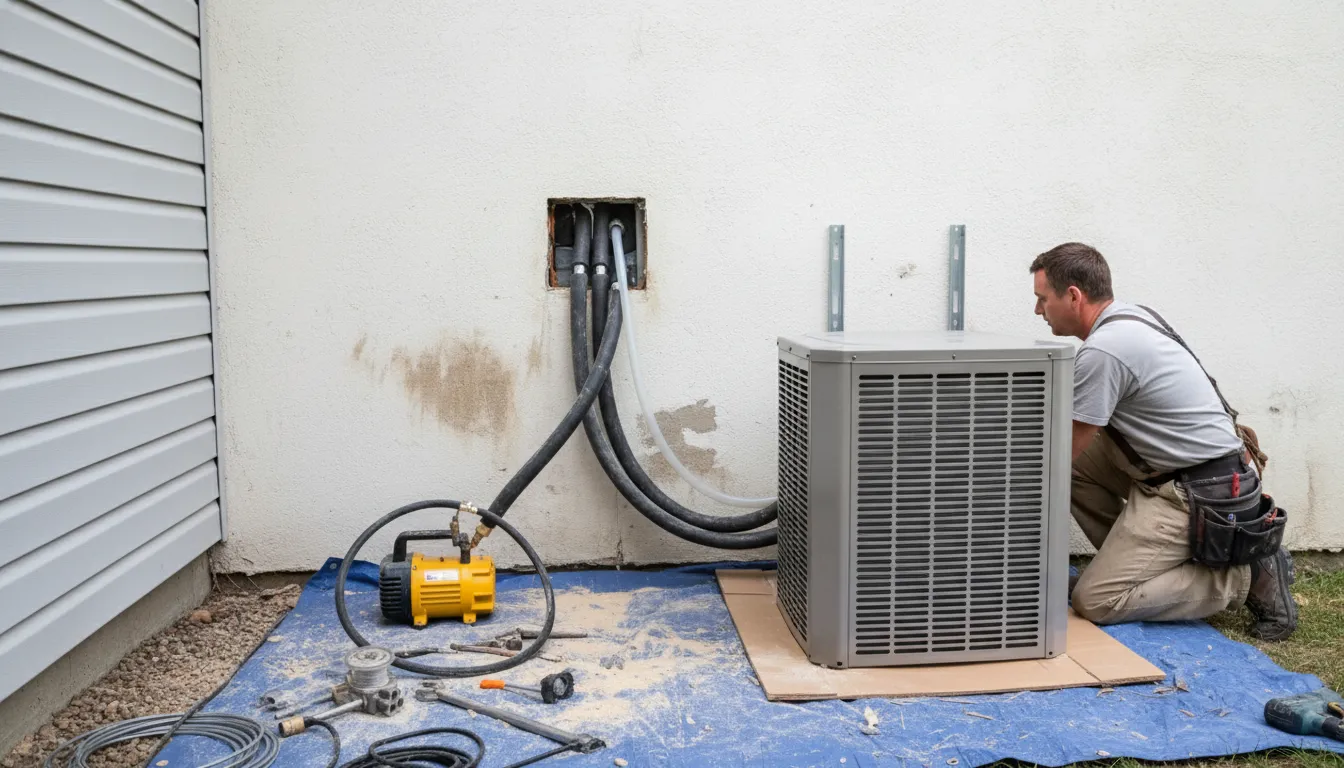
Find the Best Heat Pump Installation & Replacement Contractors for Your Business
No obligation • Fast responses • Nationwide coverage

Why you can trust HVAC Firms
HVAC Firms is a leading United States resource for evaluating HVAC service providers. Our team researches companies, checks credentials, and reviews customer feedback to present clear, unbiased information. Listings and rankings are based on merit, and companies cannot pay to change our editorial content.
Search providers near you
Top Heat Pump Installation & Replacement Contractors in Racine, Wisconsin Ranked
Upgrading your home's heating and cooling with a heat pump is a smart investment in year-round comfort and energy efficiency. For Racine residents, these systems offer a modern alternative to traditional furnaces and air conditioners by providing both heating and cooling from a single unit. This guide will help you understand the types of systems available, what to expect from the process, and how to find qualified local professionals to handle your project.

Pro Serv Plumbing, Heating, and Cooling
110 N 121st St, Wauwatosa, WI 53226
Pro Serv Plumbing, Heating, and Cooling provides residential and commercial plumbing, heating, and cooling services in Milwaukee, WI. The company offers repair, installation, and maintenance for HVAC systems including air conditioners, furnaces, and heat pumps. Pro Serv is family owned and operated by Jon Weis, a Master Plumber and HVAC Contractor trained by the U.S. Air Force. The company is accredited by the Better Business Bureau and the Milwaukee Builders Association and serves the Milwaukee metro area with 24/7 availability.
Roman Home Services - Electric, Plumbing, Heating & Cooling
2220 S 114th St, West Allis, WI 53227
Roman Home Services - Electric, Plumbing, Heating & Cooling is a family-owned home service contractor based in Milwaukee, WI. Serving Southeastern Wisconsin since 1929, they provide a wide range of residential electrical, plumbing, and HVAC services including installation, repair, and maintenance of air conditioning, furnaces, heat pumps, and boilers. Their team is equipped to handle projects of all sizes, from new construction to remodeling and service upgrades. Roman Home Services offers 24/7 availability with over 50 service trucks on the road, ensuring timely support whenever needed.
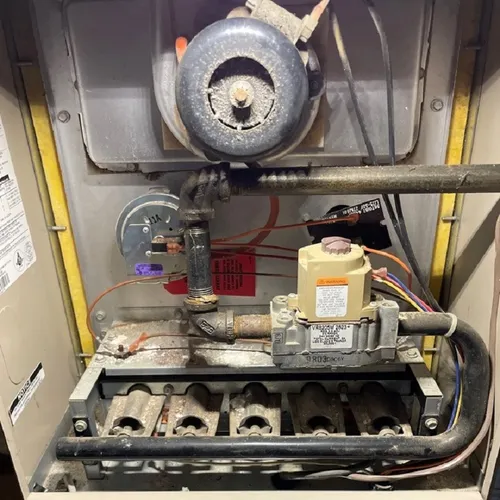
Burkhardt Heating, Cooling, Plumbing & Electric
405 N Calhoun Rd, Brookfield, WI 53005
Burkhardt Heating, Cooling, Plumbing & Electric serves Milwaukee, WI, offering comprehensive HVAC services including installation, repair, and maintenance of air conditioners, furnaces, boilers, heat pumps, and mini-split systems. They provide tailored heating and cooling solutions with capabilities such as advanced zoning systems and smart thermostat integration to enhance home comfort and energy efficiency. With over 60 years of experience, Burkhardt focuses on customized service to meet unique home needs throughout the year.
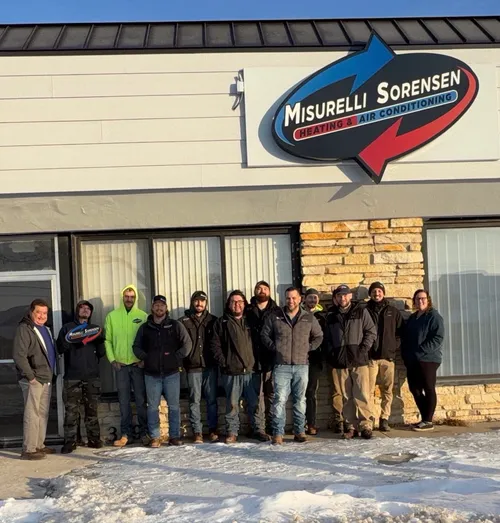
Misurelli Sorensen Heating & Air Conditioning
13198 W National Ave, New Berlin, WI 53151
Misurelli Sorensen Heating & Air Conditioning provides HVAC services in Milwaukee, WI, specializing in heating and cooling system repair, installation, and maintenance. With over 30 years of experience, they serve both residential and commercial clients across Southeastern Wisconsin and Northeastern Illinois. Their services include air conditioning, furnace, and heat pump repair and installation, as well as duct cleaning and indoor air quality improvements such as dehumidifiers and UV sanitation lights. They also offer HVAC tune-ups that cover refrigerant checks and burner adjustments. The company has a history of working on multi-family commercial projects and offers financing options for their services.
A-1 Milwaukee Heating and Cooling
3206 9th Ave, South Milwaukee, WI 53172
A-1 Milwaukee Heating and Cooling provides heating and cooling services in Milwaukee, WI, serving both residential and commercial clients. They offer installation, repair, and maintenance for HVAC systems including air conditioners, furnaces, and heat pumps. The company emphasizes energy-efficient HVAC solutions and provides full consultations to help customers select systems tailored to their needs. Their skilled technicians use high-quality parts and equipment, and all services come with a warranty for added assurance.
Why Consider a Heat Pump in Racine?
Racine's climate, with its cold winters and warm, humid summers, is well-suited for modern heat pump technology. Unlike a standard air conditioner, a heat pump can reverse its operation to extract heat from the outside air-even in cold weather-and move it indoors to warm your home. This dual functionality means you can replace both your furnace and AC with one efficient system. The primary benefits include significant energy savings, reduced reliance on fossil fuels, and improved home comfort with more consistent temperatures. For many homeowners, the long-term utility bill reductions and available financial incentives make a heat pump upgrade a compelling choice.
Types of Heat Pump Systems
Understanding the different types of heat pumps is the first step in choosing the right one for your Racine home.
Air-Source Heat Pumps: This is the most common type installed in residential properties. They transfer heat between your house and the outside air. There are two main configurations:
- Ducted Systems: These connect to your home's existing ductwork, similar to a central forced-air system. They are an excellent choice if you already have and want to utilize functional ducts.
- Ductless Mini-Split Systems: These consist of an outdoor unit connected to one or more indoor wall-mounted units. They are ideal for homes without ducts, for room additions, or for creating independent temperature zones in your home.
Geothermal Heat Pumps (Ground-Source): These systems use the stable temperature of the earth a few feet below the surface to heat and cool your home. They are exceptionally efficient and can lead to the lowest operating costs, but they come with a significantly higher upfront cost due to the need to install ground loops, either horizontally in trenches or vertically in boreholes 1.
Packaged Units: Less common for residential use, these are all-in-one systems typically installed on the roof or a concrete slab beside the house. They can be a good solution where indoor space is limited.
Performance & Efficiency in a Cold Climate
A major concern for Wisconsin homeowners is whether a heat pump can handle our winters. Thanks to advancements in technology, the answer is yes. Modern cold-climate air-source heat pumps are specifically engineered to operate efficiently at temperatures well below freezing 2.
- Cold Climate Performance: These units use advanced compressors and refrigerants to extract available heat from frigid outdoor air. While their efficiency decreases as it gets colder, they can often provide sufficient heat down to around -15°F or lower, making them highly effective for the majority of Racine's winter.
- Efficiency Ratings: When comparing units, pay close attention to two key metrics:
- SEER2 (Seasonal Energy Efficiency Ratio): Measures cooling efficiency. A higher number means better efficiency. Look for a SEER2 of 17 or higher.
- HSPF (Heating Seasonal Performance Factor): Measures heating efficiency. For cold climates, an HSPF of 9.5 or higher is recommended for optimal performance and savings 3.
- Supplemental Heat: For periods of extreme cold, most systems are designed with or can be paired with a backup heat source. This is often an electric resistance heating strip built into the air handler. Some homeowners opt for a dual-fuel system, which pairs the heat pump with a gas furnace. The heat pump handles moderate temperatures efficiently, and the furnace takes over during the coldest snaps, ensuring comfort and potentially optimizing fuel costs.
Understanding Heat Pump Costs
The total cost for a new heat pump system in Racine varies widely based on the type of system, your home's specifications, and the equipment's efficiency. Here's a general breakdown of what you can expect:
- Air-Source Heat Pump (Ducted): $4,500 - $8,000+
- Ductless Mini-Split (Single Zone): $2,000 - $7,500+
- Geothermal System: $10,000 - $25,000+ (highest initial investment)
- Overall Range: Most complete installations fall between $5,000 and $15,000, with premium, high-capacity, or complex systems (like multi-zone ductless or geothermal) exceeding $20,000 4 5 6.
Several factors influence the final price:
- Home Size & Layout: Larger homes require larger, more expensive systems.
- System Efficiency: Units with higher SEER2 and HSPF ratings typically cost more upfront but save more on energy bills.
- Existing Infrastructure: The condition of your ductwork (if using a ducted system) or the need for new electrical circuits can add to the project cost.
- Brand & Labor: Equipment brand and the contractor's expertise and rates will affect the quote.
Despite the initial investment, the operational savings are substantial. High-efficiency heat pumps can reduce your energy costs for heating by 30-50% compared to a standard gas furnace, according to some analyses 7 8.
Find the perfect heat pump installation & replacement contractors for your needs
Get personalized recommendations and expert advice
Financial Incentives and Rebates
A significant factor in improving affordability is the array of financial incentives available for heat pump installations.
- Federal Tax Credit: The Inflation Reduction Act provides a tax credit of up to $2,000 for the installation of a qualifying heat pump system that meets specific efficiency standards. This credit is applied directly to your federal income tax liability 9.
- Wisconsin & Local Rebates: Focus on Energy, Wisconsin's statewide energy efficiency and renewable resource program, often offers cash-back rebates for installing high-efficiency heat pumps. Additionally, it's crucial to check with your local utility provider (such as We Energies or your local electric cooperative) for any additional rebates or special financing programs they may offer 10.
A qualified local installer will be familiar with the latest incentive programs and can often help you with the application paperwork.
Choosing a Local Racine Installer
The success of your heat pump project hinges on proper sizing and expert installation. An undersized unit will struggle to keep your home comfortable, while an oversized unit will cycle on and off too frequently, reducing efficiency, comfort, and lifespan.
When evaluating local Racine contractors for your heat pump installation or replacement, consider the following:
- Licensing & Insurance: Ensure the company is properly licensed to work in Wisconsin and carries both liability and workers' compensation insurance.
- Experience & Specialization: Look for a contractor with specific, proven experience installing the type of heat pump system you are considering, especially cold-climate models.
- Comprehensive Home Evaluation: A reputable pro will perform a detailed load calculation (like a Manual J) that considers your home's square footage, insulation, windows, and layout-not just your old system's size.
- Detailed Written Estimates: Obtain written quotes that break down equipment model numbers, labor, materials, warranty details, and a projected timeline.
- References & Reviews: Ask for local references and check online reviews to gauge the company's reputation for quality work and customer service.
Maintenance for Long-Term Performance
To protect your investment and ensure your heat pump operates at peak efficiency for its full lifespan (typically 15+ years), regular maintenance is essential. This includes simple tasks like keeping the outdoor unit clear of leaves, snow, and debris, as well as scheduling professional preventative maintenance at least once a year. A professional tune-up typically involves cleaning coils, checking refrigerant levels, inspecting electrical components, and verifying system performance, which can prevent costly repairs and sustain energy savings 11.
Frequently asked questions
Sources
Footnotes
-
Heat Pump Price Guides - https://heatpumppriceguides.com/ ↩
-
Find the Best Heat Pumps for Cold Climates in 2025 - https://www.ecohome.net/en/guides/3784/which-heat-pumps-perform-best-in-cold-climates/ ↩
-
2026 Heat Pump Cost Guide: Purchase, Installation & Repair - Carrier - https://www.carrier.com/residential/en/us/products/heat-pumps/how-much-does-a-heat-pump-cost/ ↩
-
Heat Pump Cost Analysis: What To Expect & How It's Determined - https://clinesairconditioning.com/heat-pump-cost/ ↩
-
2026 Heat Pumps Installation Cost Guide: Types, Sizes and Brands - https://modernize.com/hvac/heating-repair-installation/heat-pump ↩
-
How Much Does Installing a Heat Pump Cost in 2025? Actual ... - https://thefurnaceoutlet.com/blogs/hvac-tips/how-much-does-installing-a-heat-pump-cost-in-2025-actual-estimates-advice ↩
-
Heat Pumps in Cold Places: Three Questions Wisconsinites ... - https://rmi.org/three-questions-wisconsinites-are-asking-about-heat-pumps/ ↩
-
Cost of a Heat Pump Installation in 2025 - https://www.cabshvac.com/heat-pump-installation-cost/ ↩
-
Installing a heat pump in Wisconsin? What you need to know - https://sealed.com/services/heat-pump-in-wisconsin/ ↩
-
Heat Pump Systems | Focus on Energy - https://focusonenergy.com/equipment/heat-pump ↩
-
Heat Pumps | Installation, Repairs, Maintenance | Racine, WI - https://www.firstcallheating.com/residential/heat-pumps/ ↩