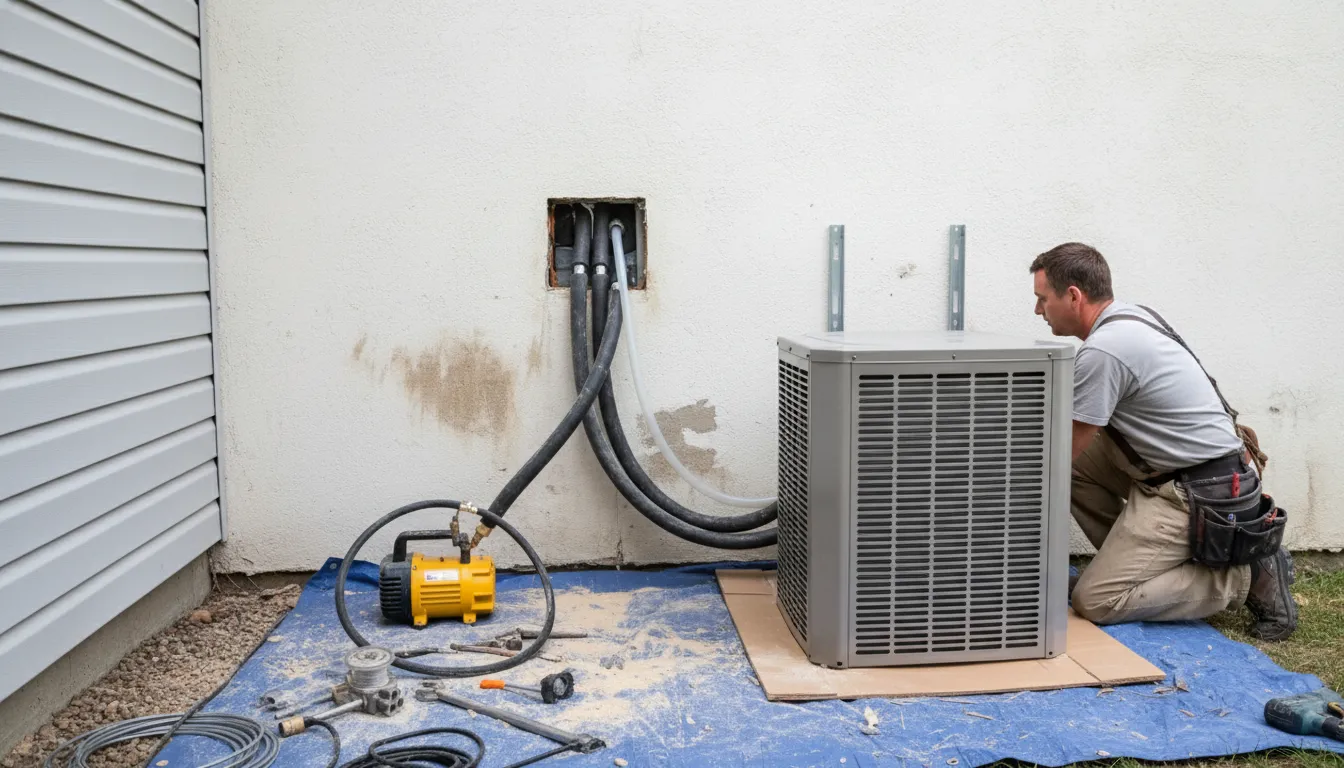
Find the Best Heat Pump Installation & Replacement Contractors for Your Business
No obligation • Fast responses • Nationwide coverage

Why you can trust HVAC Firms
HVAC Firms is a leading United States resource for evaluating HVAC service providers. Our team researches companies, checks credentials, and reviews customer feedback to present clear, unbiased information. Listings and rankings are based on merit, and companies cannot pay to change our editorial content.
Search providers near you
Top Heat Pump Installation & Replacement Contractors in Spokane Valley, Washington Ranked
Upgrading your home's heating and cooling system with a heat pump is a smart investment for Spokane Valley residents seeking year-round comfort and energy savings. These versatile systems provide efficient heating in the winter and cooling in the summer by moving heat rather than generating it, making them a compelling alternative to traditional furnaces and air conditioners. This guide will help you understand the types of systems available, key performance metrics, and what to expect from the installation process, empowering you to make an informed decision for your home.
Comfort Heating, Cooling, Electrical & Plumbing
11711 E Trent Ave, Spokane Valley, WA 99206
Comfort Heating, Cooling, Electrical & Plumbing is a home services company based in Spokane, WA, offering a wide range of HVAC, plumbing, electrical, and water treatment services. They provide repair, maintenance, and installation for heating and cooling systems, including air conditioners, heat pumps, and ductless units. Comfort Heating, Cooling, Electrical & Plumbing has been serving the Post Falls and surrounding areas since 1993, bringing over 30 years of experience to their work. The company also offers 24/7 emergency service without extra charges for evenings or weekends.
TemperaturePro Inland Northwest
655 W Capstone Ct Unit A, Hayden, ID 83835
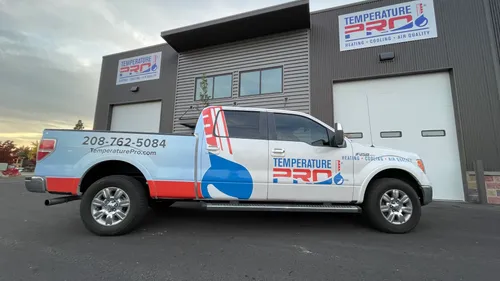
TemperaturePro Inland Northwest provides comprehensive HVAC services in Spokane, WA, including repair, maintenance, and installation for air conditioning, furnaces, boilers, heat pumps, and mini splits. They also offer indoor air quality solutions and service a wide range of HVAC equipment brands. Their technicians have expertise in both residential and commercial systems, addressing heating, cooling, and air quality needs throughout the Inland Northwest region. TemperaturePro emphasizes system efficiency and longevity through regular maintenance and offers installation of air filtration systems to improve indoor air quality.

Bill's Heating & A/C
1007 N Boulder Ct, Post Falls, ID 83854
Bill's Heating & A/C is a full-service HVAC contractor serving Spokane, WA, and surrounding areas including Idaho and Eastern Washington. They provide installation, maintenance, and repair services for air conditioners, furnaces, and heat pumps for both residential and commercial clients. With over 35 years of experience, the company offers 24/7 emergency services and has expanded its coverage to include Lewiston, Clarkston, Moscow, Pullman, Boise, Meridian, Eagle, and the Treasure Valley. Their technicians are equipped to handle complex technical issues across a wide range of HVAC systems.
🏅 Hurliman Heating & Air Conditioning
515 S Dishman Mica Rd, Spokane Valley, WA 99206
Hurliman Heating & Air Conditioning is an HVAC company serving Spokane, WA, and nearby areas including Spokane Valley, Mead, Airway Heights, and Cheney. They provide installation and repair services for air conditioners, furnaces, heat pumps, and other HVAC systems. The company emphasizes quick response times by having experts stationed near their service locations to handle emergency needs efficiently.
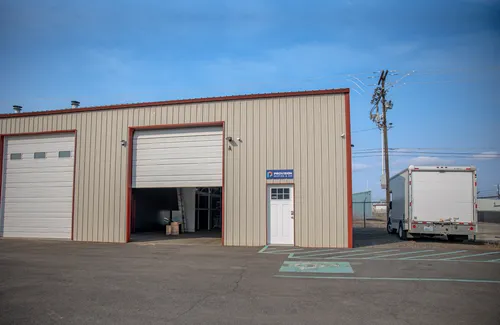
Provision Heating & Air
3810 E Joseph Ave, Spokane, WA 99217
Provision Heating & Air is an HVAC company based in Spokane, WA, offering heating and air conditioning repair and installation services. They serve Spokane and the surrounding areas, providing repairs and installations for air conditioners, furnaces, heat pumps, and other HVAC systems. The company partners with leading brands and offers a one-year labor guarantee along with a ten-year parts warranty. Their services include thorough diagnostics and system installations with a focus on honest and quality work.
Why Choose a Heat Pump for Spokane Valley?
Spokane Valley's climate, with its warm summers and cold, snowy winters, is well-suited for modern heat pump technology. Today's cold-climate air-source heat pumps are engineered to perform efficiently even when temperatures drop well below freezing, making them a viable primary heating source for many homes. By consolidating your heating and cooling into one efficient unit, you can simplify your home's HVAC system, reduce your carbon footprint, and achieve significant utility savings, especially when replacing an older, less efficient system 1.
For homeowners with natural gas, a popular and highly efficient option is a hybrid or dual-fuel system. This setup pairs a heat pump with a gas furnace. The heat pump handles the heating load during milder weather, and the furnace automatically takes over during periods of extreme cold. This approach maximizes efficiency and comfort while ensuring reliable heat during the deepest Spokane Valley winter nights.
Types of Heat Pump Systems
Understanding the different technologies available is the first step in selecting the right system for your home's layout and your comfort goals.
Air-Source Heat Pumps (ASHPs)
This is the most common type of heat pump installed. It transfers heat between your house and the outside air. Modern cold-climate models are specifically designed to extract heat from frigid outdoor air, remaining effective at temperatures as low as -15°F or below, which is crucial for our region 2 3. These systems can be connected to your existing ductwork or installed as ductless units.
Ductless Mini-Split Heat Pumps
Mini-splits are a fantastic solution for homes without existing ductwork, for room additions, or for creating zoned comfort. They consist of an outdoor compressor unit connected to one or more quiet, wall-mounted indoor air handlers. This allows you to control the temperature in individual rooms, eliminating hot or cold spots and improving overall efficiency.
Geothermal Heat Pumps (Ground-Source)
Geothermal systems offer the highest efficiency by exchanging heat with the relatively constant temperature of the earth. While they have very low operating costs and are incredibly reliable, they come with a significantly higher upfront cost due to the extensive excavation or drilling required to install the underground loop system 4.
Hybrid (Dual-Fuel) Systems
As mentioned, this configuration combines an air-source heat pump with a gas furnace. It's an intelligent choice for maximizing the strengths of both technologies: the superior efficiency of the heat pump during moderate cold and the powerful, reliable heat of the furnace during severe cold snaps.
Understanding Efficiency: SEER2 and HSPF
When comparing heat pump options, you'll encounter two critical efficiency ratings. Higher ratings mean better performance and lower energy bills.
- SEER2 (Seasonal Energy Efficiency Ratio 2): This measures cooling efficiency. The current federal minimum standard is 14.5 SEER2. Units with ratings of 16 SEER2 and above are considered high-efficiency and will provide noticeably lower cooling costs. The most advanced variable-speed or inverter models can reach 20+ SEER2, offering exceptional efficiency and quieter operation 5 6.
- HSPF (Heating Seasonal Performance Factor): This measures heating efficiency. A higher HSPF indicates a more efficient heater. When evaluating a heat pump for Spokane Valley's climate, a strong HSPF rating is just as important as the SEER2.
Investing in a unit with superior SEER2 and HSPF ratings will yield greater long-term savings, though it typically involves a higher initial purchase price.
What to Expect: Heat Pump Installation & Replacement Costs
The cost of a new heat pump system in Spokane Valley varies widely based on the system type, size, efficiency, and complexity of the installation.
- Basic Air-Source or Ductless Mini-Split System: Installation for a standard system typically ranges from $5,000 to $12,000 7. This is a common range for replacing an existing system with a new, efficient model.
- High-Efficiency or Complex Installations: For high-efficiency variable-speed models, systems requiring significant ductwork modifications, or multi-zone ductless setups, costs can range from $10,000 to $20,000 or more 8.
- Geothermal Systems: Given the ground-loop installation, these systems represent a major investment, often starting around $20,000 and can exceed $30,000 9.
Several key factors influence the final price:
- System Size & Capacity: Proper sizing (measured in tons) is critical for efficiency and comfort.
- Equipment Brand & Features: Premium brands and models with advanced features cost more.
- Labor & Installation Complexity: The condition of existing ducts, electrical upgrades, and site accessibility affect labor time.
- Permits & Inspections: Local Spokane Valley permits are typically required.
Find the perfect heat pump installation & replacement contractors for your needs
Get personalized recommendations and expert advice
Maximizing Your Investment: Rebates and Savings
The initial cost of a heat pump can be offset by significant financial incentives and ongoing energy savings.
- Utility & State Rebates: Washington state and local utilities like Avista often offer rebates for installing high-efficiency heat pumps. These can directly reduce your upfront cost.
- Federal Tax Credits: You may qualify for federal energy efficiency tax credits, which can cover a percentage of the cost of qualifying equipment and installation.
- Annual Energy Savings: By replacing an old air conditioner and furnace or an inefficient electric heating system, homeowners can save an average of $350 to $500 or more per year on their energy bills 10 11. The savings are even more pronounced when upgrading from older systems or fuel oil.
The Installation Process: What Happens?
A professional installation is key to ensuring your system performs at its rated efficiency and has a long service life. A reputable provider will typically follow these steps:
- In-Home Consultation & Load Calculation: A technician will assess your home's size, insulation, windows, and existing ductwork to perform a Manual J load calculation, ensuring the new system is perfectly sized.
- System Recommendation & Proposal: Based on the assessment, they will recommend suitable systems, explain efficiency ratings, and provide a detailed written estimate.
- Professional Installation: The crew will carefully remove the old equipment, prepare the site, install the new outdoor and indoor units, connect refrigerant and electrical lines, and integrate with your thermostat and ductwork.
- Testing & Commissioning: The system will be started, tested for proper refrigerant charge and airflow, and all functions will be verified. The technician will then explain the basic operation and maintenance to you.
Frequently asked questions
Sources
Footnotes
-
Top 3 Benefits of Heat Pump Installation Spokane Homes - https://pnwheatingair.com/top-3-advantages-of-heat-pump-installation-spokane-homeowners-cant-ignore/ ↩
-
How Heat Pumps Keep Spokane Homes Warm All Winter Long - https://mainstreamhomeservices.com/blog/how-heat-pumps-keep-spokane-homes-warm-all-winter-long/ ↩
-
Heat Pump Installation & Replacement Service In Spokane, WA - https://thermal-king.com/residential/heat-pump-installation/ ↩
-
Is a Heat Pump Right for Your Spokane Home? - https://hollidayheating.com/is-a-heat-pump-right-for-your-spokane-home/ ↩
-
How Much Does Installing a Heat Pump Cost in 2025? Actual ... - https://thefurnaceoutlet.com/blogs/hvac-tips/how-much-does-installing-a-heat-pump-cost-in-2025-actual-estimates-advice ↩
-
Best Heat Pumps Brands in Canada: Top Cold-Climate Models + Buyer's Guide - https://dynamicheatandcool.ca/best-heat-pumps-your-ultimate-buying-guide/ ↩
-
2025 Heat Pump Buying Guide For Spokane Valley, Homes - https://www.randrheating.com/2025-heat-pump-buying-guide-for-spokane-valley-homes/ ↩
-
HVAC Installation & Replacement Cost in Washington State [2025] - https://residential.sunsetair.com/blog/hvac-installation-replacement-cost-washington-state-2025/ ↩
-
2026 Heat Pump Cost Guide: Purchase, Installation & Repair - https://www.carrier.com/residential/en/us/products/heat-pumps/how-much-does-a-heat-pump-cost/ ↩
-
Heat Pump Cost Analysis: What To Expect & How It's Determined - https://clinesairconditioning.com/heat-pump-cost/ ↩
-
Heat Pumps: What They Are, How They Work, Advantages ... - https://capitalheatingandcooling.com/heat-pump-installation/ ↩