Find the Best Heat Pump Installation & Replacement Contractors for Your Business
No obligation • Fast responses • Nationwide coverage

Why you can trust HVAC Firms
HVAC Firms is a leading United States resource for evaluating HVAC service providers. Our team researches companies, checks credentials, and reviews customer feedback to present clear, unbiased information. Listings and rankings are based on merit, and companies cannot pay to change our editorial content.
Search providers near you
Top Heat Pump Installation & Replacement Contractors in Gallatin, Tennessee Ranked
Upgrading your home's heating and cooling system with a heat pump is a smart investment in year-round comfort and energy efficiency for Gallatin residents. These versatile systems provide both heating and cooling from a single unit, making them an excellent choice for Tennessee's varied climate. This guide will help you understand your options for heat pump services, from selecting the right system type to navigating local installation considerations, so you can make an informed decision for your home.
Right Time HVAC
5300 Old Hickory Blvd, Nashville, TN 37218
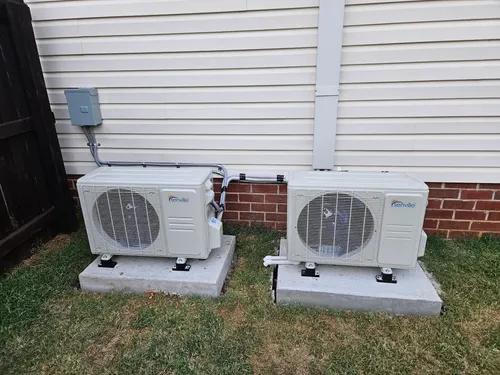
Right Time HVAC is a full-service heating, cooling, and geothermal contractor serving Nashville, TN. They offer installation, repair, and maintenance for air conditioners, furnaces, heat pumps, and geothermal systems, along with indoor air quality solutions for homes and businesses. The company specializes in advanced HVAC technologies including hydronics and inverter systems, and provides ductwork services to improve airflow and comfort. With over 30 years of combined experience among their technicians, Right Time HVAC focuses on honest, customer-focused solutions to meet diverse home comfort needs.
Bradley Maintenance & Air LLC
Nashville, TN
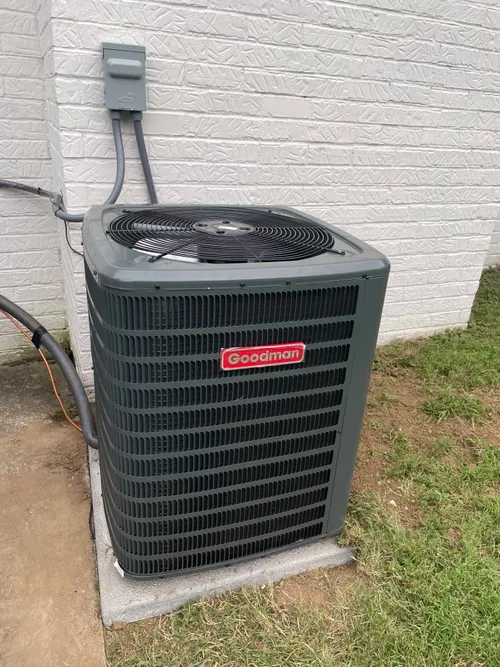
Bradley Maintenance & Air LLC is an HVAC and plumbing contractor serving Nashville, TN, and nearby areas including Brentwood, Antioch, and Murfreesboro. They provide HVAC maintenance, repair, and system changeouts, along with plumbing services such as water heater installation and repair. Their services cover air conditioning, furnace, heat pump installation, and tune-ups to maintain home and business comfort throughout the year.

Petitt Heating and Cooling
127 Raymond Hirsch Pkwy, White House, TN 37188
Petitt Heating and Cooling is an HVAC company serving White House, TN, and nearby areas including Goodlettsville and Hendersonville. They provide a range of heating and cooling services such as air conditioning installation, furnace repair, heat pump installation, and HVAC tune-ups. The company also offers indoor air quality solutions like UV light air purification, advanced air filtration systems, dehumidifiers, humidifiers, and crawl space encapsulation. Petitt Heating and Cooling installs attic solar fans and gas logs to improve home comfort and energy efficiency. They provide emergency AC repairs after hours and have a maintenance plan with priority emergency service and no overtime charges.
KandS HVAC
2055 Holloway Rd, Lebanon, TN 37090
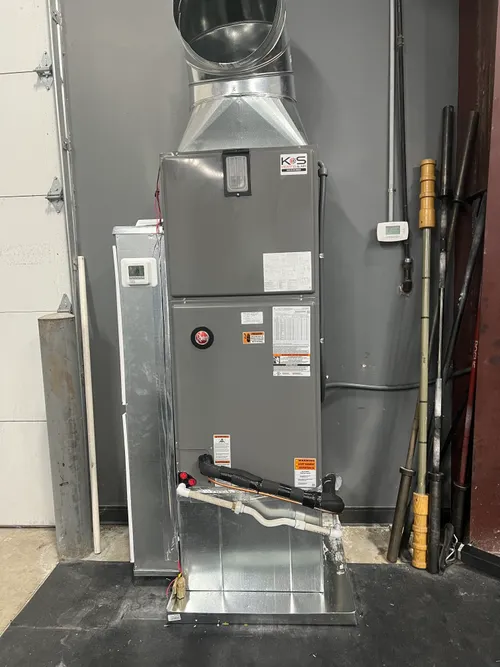
KandS HVAC is an HVAC company based in Nashville, TN, providing repair, installation, and maintenance services for air conditioning, furnaces, heat pumps, and boilers. They offer convenient options for obtaining quotes, including in-home visits and remote assessments using photos. KandS HVAC handles a range of services from urgent repairs to routine tune-ups and new system installations, aiming to meet various heating and cooling needs efficiently.

Petitt Heating and Cooling
1007 Lavern Cir, Hendersonville, TN 37075
Petitt Heating and Cooling is an HVAC company serving Nashville, TN, and surrounding areas including Hendersonville. They provide a range of heating and cooling services such as air conditioning installation and repair, furnace and heat pump installation, HVAC tune-ups, and indoor air quality solutions. Their capabilities include installing attic solar fans, gas log fireplaces, UV light air purification systems, dehumidifiers, humidifiers, air filtration systems, and crawl space encapsulation. Petitt Heating and Cooling offers maintenance plans and flexible financing options to support ongoing home comfort and system upkeep.
Understanding Heat Pump Systems
A heat pump doesn't generate heat; it moves it. In the winter, it extracts warmth from the outside air (or ground) and transfers it indoors. In the summer, the process reverses, pulling heat from your home and expelling it outside, functioning as an air conditioner. This efficient transfer of energy is what makes a heat pump system a cost-effective solution for both heating and cooling.
For Gallatin homes, the primary types of heat pumps available are air-source and geothermal. Air-source systems are the most common and include both traditional ducted units and ductless mini-split models. Geothermal (or ground-source) systems use the stable temperature of the earth and offer exceptional efficiency, though with a higher initial investment.
Why Choose a Heat Pump for Your Gallatin Home?
The moderate climate in Sumner County is well-suited for heat pump technology. Modern systems are designed to operate efficiently across a wide range of temperatures. Homeowners often choose heat pumps for their dual functionality, potential for lower operating costs compared to separate furnace and AC units, and reduced carbon footprint. They are particularly advantageous for creating customized comfort zones in different areas of your house.
Types of Heat Pumps Available
Selecting the right model is crucial for performance and satisfaction. Your choice will largely depend on your home's existing infrastructure, your budget, and your specific comfort goals.
Air-Source Heat Pumps (Ducted)
This is the standard central system, similar to a traditional air conditioner paired with a furnace. It uses the home's existing ductwork to distribute conditioned air. This option is ideal for homes that already have a functional and efficient duct system in place. A ducted air-source heat pump replacement can often integrate seamlessly with your current setup.
Ductless Mini-Split Heat Pumps
Ductless systems are increasingly popular in Gallatin, especially for older homes without existing ducts or for room additions. A mini-split consists of an outdoor compressor unit connected to one or more indoor air-handling units mounted on walls or ceilings. They offer "zoning," allowing you to control the temperature in individual rooms, which can lead to significant energy savings. This makes them a fantastic solution for heating and cooling sunrooms, finished basements, or for addressing hot or cold spots in your home.
Geothermal Heat Pumps
Geothermal systems offer the highest efficiency by exchanging heat with the ground, where temperatures remain constant year-round. While the upfront installation cost is the highest due to the required ground loop excavation, these systems have the lowest operating costs and longest lifespan. They are a premium, long-term investment in home comfort and energy independence.
Efficiency Ratings: SEER2 and HSPF2 Explained
When comparing heat pumps, you'll encounter two key efficiency metrics: SEER2 and HSPF2. Understanding these will help you gauge long-term energy savings.
- SEER2 (Seasonal Energy Efficiency Ratio): Measures cooling efficiency. The higher the number, the more efficient the unit is at cooling.
- HSPF2 (Heating Seasonal Performance Factor): Measures heating efficiency. A higher HSPF2 indicates better heating performance.
For the climate in Gallatin and the surrounding Middle Tennessee area, aiming for a SEER2 and HSPF2 rating above 16 is recommended for optimal energy savings 1 2. Units that earn the ENERGY STAR® label meet strict guidelines and typically offer 15-20% better efficiency than standard models 2.
Climate Considerations for Gallatin Installations
Tennessee experiences hot, humid summers and generally mild winters, but cold snaps where temperatures dip below freezing are common. This climate impacts heat pump performance and selection.
While heat pumps work efficiently in moderate cold, their capacity decreases as the outdoor temperature drops. Around 40°F and below, most standard air-source systems activate a built-in auxiliary heat source, typically electric resistance strips, to supplement heating. This auxiliary heat is less efficient and can lead to higher electric bills during prolonged cold spells.
The good news is that modern cold-climate heat pump models are engineered to maintain high efficiency at much lower outdoor temperatures, sometimes as low as -5°F, significantly reducing the need for auxiliary heat 3. Discussing these advanced models with a local installer is wise for ensuring consistent comfort and efficiency throughout a Tennessee winter.
Find the perfect heat pump installation & replacement contractors for your needs
Get personalized recommendations and expert advice
Factors Influencing Installation and Replacement Cost
The total cost for a new heat pump system in Gallatin can vary widely based on several key factors. Understanding these variables can help you interpret estimates and plan your budget.
- System Type and Size: The capacity of the unit (measured in tons) must be correctly matched to your home's square footage and insulation levels. An oversized or undersized unit will perform poorly. As noted, geothermal systems have the highest cost, followed by multi-zone ductless systems, then standard ducted air-source pumps.
- Home Infrastructure: The condition of existing ductwork is a major factor for ducted systems. Repairing or modifying ducts adds cost. For ductless or geothermal systems, the complexity of installing new lines or ground loops drives the price.
- Unit Features and Brand: Basic single-stage models cost less than advanced variable-speed compressors, which offer quieter operation and superior efficiency. Brand reputation and warranty also affect price.
- Labor and Permits: Local labor rates, the complexity of the installation (e.g., multi-story home, attic vs. basement placement), and required city permits in Gallatin will be included in the total estimate.
Overview of Installed Cost Ranges
Based on current market data, homeowners in Gallatin can expect the following general price ranges for a fully installed system. These are broad estimates, and a detailed, in-home assessment is necessary for an accurate quote.
- Standard Air-Source Heat Pump (Ducted): $8,000 - $14,000
- Ductless Mini-Split System: $3,000 - $21,000 (highly dependent on the number of indoor zones or "heads") 4 5
- Geothermal Heat Pump System: $16,000 - $55,000+ 6 7
Incentives and Rebates
Investing in a high-efficiency heat pump may qualify you for financial incentives. These can substantially lower your net cost. It's important to check for current federal tax credits, as well as rebates that may be offered by state programs like Tennessee's EnergyRight or from your local utility provider, such as Middle Tennessee Electric (MTE) 8 9. A qualified local installer should be up-to-date on the latest available incentives.
The Importance of Professional Installation
Proper installation is as critical as the quality of the equipment itself. A poorly installed high-efficiency heat pump will not deliver its promised performance or savings. A professional installer will perform a detailed load calculation to size the system correctly, ensure all electrical and refrigerant line work meets code, and calibrate the system for optimal operation. They will also handle the critical process of registering your equipment for its full manufacturer's warranty.
Frequently asked questions
Sources
Footnotes
-
Heat Pump Replacement Guide | Signs, Cost, & Efficiency - https://www.bryant.com/en/us/products/heat-pumps/replacement/ ↩
-
The Impact of Tennessee's Climate on HVAC System Design - https://wondercooling.com/tennessee-climate-hvac-solutions/ ↩ ↩2
-
Heat Pumps & Outside Weather | Middle Tennessee Electric - https://mte.com/cooperative/news-media/blog/heat-pumps-outside-weather ↩
-
Heat Pump Price Guides - Heat Pump Prices and Replacement Costs - https://heatpumppriceguides.com/ ↩
-
How Much Does a Mini Split System Cost - https://www.youtube.com/watch?v=nm7Id7jRLuw ↩
-
Choosing the Right Heat Pump for Older Tennessee Homes - https://www.griffin-mechanical.com/blog/2025/october/choosing-the-right-heat-pump-for-older-tennessee/ ↩
-
Heating and Air Conditioning Installation in Gallatin, TN - https://www.homedepot.com/services/l/tn/gallatin/heating-air-conditioning-installation/c16fbb4b7 ↩
-
2026 Heat Pump Cost Guide: Purchase, Installation & Repair - https://www.carrier.com/residential/en/us/products/heat-pumps/how-much-does-a-heat-pump-cost/ ↩
-
Heat Pump Costs and Installation Costs [2026 Data] | Angi - https://www.angi.com/articles/how-much-does-heat-pump-cost.htm ↩