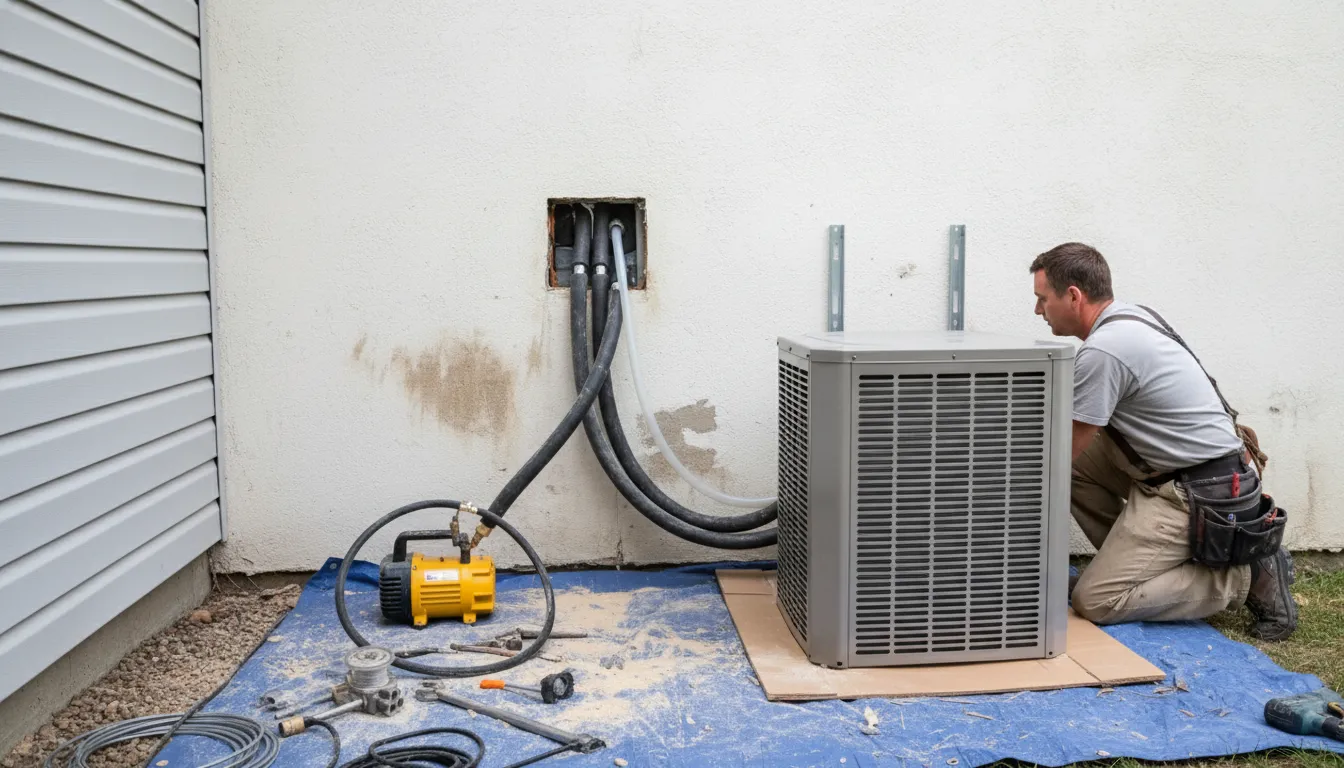
Find the Best Heat Pump Installation & Replacement Contractors for Your Business
No obligation • Fast responses • Nationwide coverage

Why you can trust HVAC Firms
HVAC Firms is a leading United States resource for evaluating HVAC service providers. Our team researches companies, checks credentials, and reviews customer feedback to present clear, unbiased information. Listings and rankings are based on merit, and companies cannot pay to change our editorial content.
Search providers near you
Best Heat Pump Installation & Replacement Contractors in Pennsylvania Ranked
Upgrading to a modern heat pump is one of the most effective ways for Pennsylvania homeowners to improve home comfort, reduce energy bills, and lower their carbon footprint. These advanced systems provide both heating and cooling from a single unit, offering remarkable efficiency, especially with Pennsylvania's varied climate. Finding the right local professional for your heat pump project is crucial, as proper sizing, selection, and installation directly impact performance, longevity, and your eligibility for significant financial incentives.
McGinley Services Heating & Cooling
746 Chester Pike STE A, Prospect Park, PA 19076
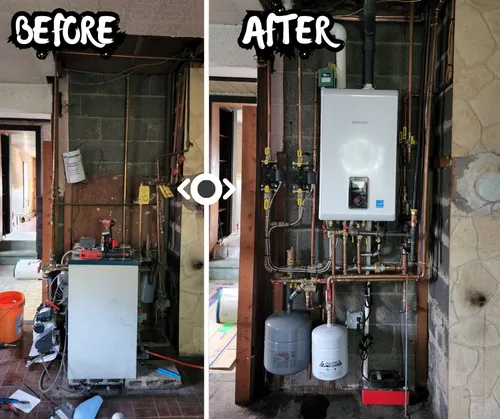
McGinley Services Heating & Cooling is a family-owned HVAC company serving Philadelphia, PA, and nearby Delaware and Montgomery counties. Since 2020, they have provided heating, air conditioning, indoor air quality, and water heating services, including installations, repairs, duct cleaning, and maintenance. The company offers 24/7 emergency service and same-day appointments, ensuring support during inconvenient times. Their licensed and insured team is experienced in heat pump and furnace installations as well as boiler repairs, focusing on safety and quality.
Supreme Heating and Cooling
1475 Frey Rd, Penn Hills Township, PA 15235
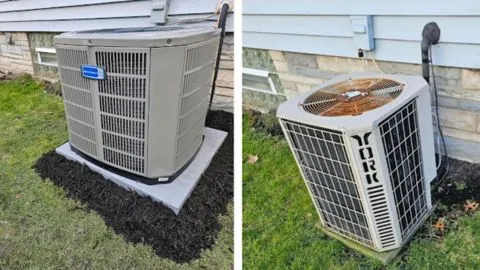
Supreme Heating and Cooling is an HVAC company based in Pittsburgh, PA, offering a wide range of heating and cooling services. They provide installation, repair, and maintenance for air conditioners, furnaces, heat pumps, boilers, mini split systems, and indoor air quality equipment. Their certified technicians also handle electrical services related to HVAC systems. The company emphasizes energy efficiency and improved indoor air quality in their work. Supreme Heating and Cooling is known for working with trusted brands and offers comprehensive HVAC solutions to keep homes comfortable year-round.
Perfect Degree HVAC
4610 State Rd, Drexel Hill, PA 19026
Perfect Degree HVAC is a full-service HVAC contractor based in Philadelphia, PA, providing installation, repair, and maintenance for residential and commercial heating and cooling systems. They service furnaces, heat pumps, air conditioners, mini-splits, and thermostats, handling all makes and models with certified expertise. The company is certified by HVAC, EPA, Air Flow, and NATE, and offers 24-hour emergency services to address urgent needs. Perfect Degree HVAC also recommends AirEase™ products, known for their long-lasting performance.
Done Rite Heating & Cooling
736 Eayrestown Rd, Lumberton Township, NJ 08048
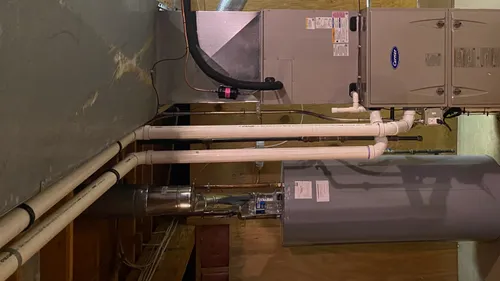
Done Rite Heating & Cooling provides a full range of HVAC services including air conditioning, furnace, and heat pump repair, installation, and maintenance in Philadelphia, PA. They also offer commercial HVAC solutions, air duct cleaning, and indoor air quality testing and improvement services. Their team is experienced in handling refrigerant leaks, compressor issues, furnace ignition problems, and heat pump electrical or mechanical failures. Serving the Philadelphia area, they focus on ensuring efficient and reliable heating and cooling systems for both residential and commercial clients.
Air Temp Solutions - AC Repair, Heating Repair, Water Heater Repair & Plumbing Devon PA
Philadelphia, PA
Air Temp Solutions - AC Repair, Heating Repair, Water Heater Repair & Plumbing Devon PA is an HVAC and plumbing contractor serving Philadelphia, PA, and surrounding areas including Newark, DE. They offer a wide range of services such as heating repair and installation, furnace and boiler services, heat pump and geothermal system installation and maintenance, as well as ductless mini-split systems. Their plumbing services cover repairs, water heater installation and maintenance, gas line work, sump pump services, leak detection and repair, pipe and water line services, and comprehensive drain and sewer solutions including trenchless repairs. They also provide indoor air quality services like duct cleaning and UV light filtration installation. The company emphasizes specialized capabilities such as geothermal system installation and trenchless sewer line repairs to minimize disruption. While no specific business history is stated, their team includes technicians with an average of 16 years of experience in heating services.
Understanding Heat Pump Technology for Pennsylvania Homes
A heat pump doesn't generate heat by burning fuel; instead, it moves existing heat from one place to another. In winter, it extracts heat from the outdoor air (or ground) and transfers it inside. In summer, the process reverses, pulling heat from your home and releasing it outdoors, functioning as an air conditioner. This efficient transfer process is why heat pumps can deliver over 300% efficiency, meaning they move more than three units of heat for every unit of electricity consumed 1.
The two primary types suitable for Pennsylvania are:
- Air-Source Heat Pumps (ASHPs): These are the most common and include central ducted systems (which can often integrate with existing ductwork) and ductless mini-split systems (ideal for homes without ducts or for room additions). Modern cold-climate ASHPs are highly effective in Pennsylvania's winters.
- Geothermal Heat Pumps (GHPs): Also called ground-source heat pumps, these systems exchange heat with the stable temperature of the earth. They offer the highest efficiency and operating cost savings but have a higher upfront installation cost due to the required ground loop.
Key Benefits of a Heat Pump Upgrade
Installing a new heat pump in your Pennsylvania home offers a compelling set of advantages:
- Year-Round Comfort: A single system provides both precise heating and cooling, eliminating the need for separate units.
- Significant Energy Savings: By moving heat instead of creating it, heat pumps use far less energy than traditional furnaces and baseboard heaters, leading to lower utility bills. This is particularly impactful given Pennsylvania's heating-dominated climate.
- Reduced Carbon Footprint: As Pennsylvania's electricity grid incorporates more renewable sources, using an efficient electric heat pump reduces your home's greenhouse gas emissions compared to fossil fuel systems.
- Improved Air Quality and Humidity Control: Many systems include advanced filtration and better dehumidification in cooling mode, contributing to a healthier indoor environment.
- Eligibility for Financial Incentives: As detailed below, upgrading to a qualifying heat pump opens the door to federal tax credits, state-administered rebates, and utility company offers that can dramatically reduce your net cost.
Financial Incentives and Rebates in Pennsylvania
A major advantage of installing a heat pump in Pennsylvania right now is the unprecedented availability of financial incentives from federal, state, and utility sources. Combining these can offset a substantial portion of your project cost.
Federal Tax Credits: The Energy Efficient Home Improvement Credit
Available from 2023 through 2032, this credit allows you to deduct a percentage of the cost of qualifying energy-efficient improvements from your federal income tax.
- For Qualifying Heat Pumps: You can claim 30% of the project cost, up to a maximum of $2,000 per year. This includes both air-source and geothermal heat pumps that meet specific efficiency criteria (typically ENERGY STAR certification) 2.
- Other Eligible Upgrades: The same credit can apply to other improvements like heat pump water heaters ($2,000 max), central air conditioners ($600 max), and insulation or air sealing materials, with an overall annual limit of $3,200 3.
Upcoming State Rebates: The High-Efficiency Electric Home Rebate Program (HEEHRP)
Funded by the federal Inflation Reduction Act and administered by the Pennsylvania Department of Environmental Protection (DEP), this program will provide point-of-sale rebates for lower- and moderate-income households.
- Income-Based: Rebate amounts are tiered based on your household income as a percentage of the Area Median Income (AMI).
- Potential Rebates: For qualifying heat pumps, rebates may cover up to $8,000. The program also includes rebates for enabling upgrades like electrical panel improvements (up to $4,000) which are often necessary for a heat pump installation 4 5.
- Status: The PA DEP is currently developing this program. Homeowners are encouraged to check the PA DEP website for official launch dates and application details.
Utility Company Rebates and Offers
Many electric and gas utilities in Pennsylvania offer their own rebates to promote energy efficiency.
- FirstEnergy Companies (West Penn Power, Met-Ed, etc.): Offers may include up to $600 for geothermal heat pump installations and $200 for ductless mini-split systems. Central heat pump and A/C rebates have historically been around $500, but current offers should be verified on their website 6 7.
- Columbia Gas of Pennsylvania: Provides rebates for qualifying natural gas heat pumps and complementary upgrades like insulation 8.
- Other Providers (PECO, PPL): Rebate programs change frequently. The most reliable way to find offers is to visit your specific utility provider's "energy efficiency" or "rebates" webpage.
Additional Pennsylvania Programs
- Pennsylvania Housing Finance Agency (PHFA) HEELP: This program offers low-interest loans for energy efficiency upgrades, which can be used to finance a heat pump installation.
- Rebate Finders: Tools on the ENERGY STAR and PA DEP websites can help you locate all available incentives for your zip code 9.
Find the perfect heat pump installation & replacement contractors for your needs
Get personalized recommendations and expert advice
Understanding Heat Pump Costs in Pennsylvania
The total investment for a heat pump installation varies widely based on system type, size, efficiency, and home-specific installation factors. Here's a general breakdown for Pennsylvania:
- Heat Pump Unit Only: For a standard 2-3 ton air-source unit, equipment costs can range from $4,000 to $6,000.
- Complete Installation Cost: This is the more relevant figure, encompassing equipment, labor, materials, and any necessary modifications. A full installation typically ranges from $6,000 to $25,000+ 10.
- Ductless Mini-Split: A single-zone system often starts between $6,000 and $9,000 installed.
- Central Ducted System: Replacing an existing system with a comparable heat pump often falls in the $8,000 to $15,000 range.
- Geothermal System: Given the ground loop excavation or drilling, these systems have the highest upfront cost, often starting above $20,000.
- Critical Enabling Upgrades: Many older Pennsylvania homes may require an electrical service panel upgrade or new wiring to support a heat pump. This can add $2,500 to $4,000 to the project cost but may be partially covered by the HEEHRP rebate 11 12.
The key takeaway: Always get detailed, written estimates from qualified local contractors that include a "Manual J" load calculation for proper sizing and a clear scope of work. The net cost after applying available incentives can be significantly lower than the initial quote.
Choosing the Right System and Contractor
Selecting the correct equipment and a skilled installer is paramount to achieving the promised efficiency and comfort.
- Focus on Efficiency Ratings: For air-source heat pumps, look for high SEER2 (Seasonal Energy Efficiency Ratio) for cooling and HSPF2 (Heating Seasonal Performance Factor) for heating. To qualify for federal tax credits, models must be ENERGY STAR certified and meet specific SEER2 and EER2 ratings 13.
- Get a Proper Load Calculation: A reputable contractor will perform a "Manual J" calculation. This assesses your home's specific heat gain and loss based on insulation, windows, square footage, and more-never simply match the tonnage of your old system.
- Verify Contractor Credentials: In Pennsylvania, ensure the contractor holds appropriate state licensing and insurance. Look for certifications from organizations like North American Technician Excellence (NATE) or specific manufacturer training. Ask for references from recent local heat pump installations.
- Discuss All Costs Upfront: A trustworthy estimate should detail equipment model numbers, labor, materials (like line sets, thermostats, pad), permit fees, and a clear plan for any ductwork modifications or electrical upgrades.
Preparing for Your Installation
To ensure a smooth process:
- Secure Multiple Estimates: Obtain at least three detailed quotes from established local providers to compare recommendations and pricing.
- Ask About Timing: Schedule your installation during the contractor's off-peak seasons (spring or fall) if possible, for better scheduling flexibility.
- Check Incentive Paperwork: Confirm with your contractor what documentation (model numbers, efficiency certificates, itemized invoices) you will need to apply for rebates and tax credits. They should be familiar with the required forms.
- Plan for Disruption: A standard replacement may take 1-2 days, while a more complex installation or a geothermal system will take longer. Discuss the daily schedule and what areas of your home will be affected.
Frequently asked questions
Sources
Footnotes
-
PA Energy Efficiency Rebates | Unique Heating & Cooling - https://www.uniqueheatingandcooling.com/blog/pa-energy-efficiency-rebates ↩
-
Tax Credits for Replacing a New HVAC System in PA - https://signaturehvac.com/blog/tax-credit-for-replacing-hvac-system-in-pa/ ↩
-
Energy Efficient Home Improvement Credit | Internal Revenue Service - https://www.irs.gov/credits-deductions/energy-efficient-home-improvement-credit ↩
-
PA heat pump incentives for consumers in existing homes - https://energyefficiencyalliance.org/wp-content/uploads/2023/09/PA-utility-incentives.pdf ↩
-
Inflation Reduction Act | Department of Environmental Protection - https://www.pa.gov/agencies/dep/residents/saving-energy/inflation-reduction-act ↩
-
15 Pennsylvania Energy Efficiency Programs That Save ... - https://airprofessionalsinc.com/current-rebates/ ↩
-
Your 2023 guide to Pennsylvania energy efficiency and heat pump rebates - https://nuwattenergy.com/your-guide-to-pennsylvania-energy-efficiency-and-heat-pump-rebates/ ↩
-
Energy Efficiency Rebates Program - Columbia Gas of Pennsylvania - https://www.columbiagaspa.com/energy-efficiency/for-your-home/available-rebates ↩
-
Energy Efficiency Incentives - Commonwealth of Pennsylvania - https://www.pa.gov/agencies/dep/residents/saving-energy/home-energy-efficiency-and-conservation/energy-efficiency-incentives ↩
-
2026 Heat Pump Costs | Purchase, Installation & Repair - Carrier - https://www.carrier.com/residential/en/us/products/heat-pumps/how-much-does-a-heat-pump-cost/ ↩
-
Heat Pump And The Inflation Reduction Act of 2022 - https://www.hillsidehvac.com/heat-pump-and-the-inflation-reduction-act-of-2022/ ↩
-
Understanding the Cost to Replace a 2-Ton Heat Pump - https://thefurnaceoutlet.com/blogs/news/understanding-the-cost-to-replace-a-2-ton-heat-pump-a-homeowners-guide ↩
-
Federal Tax Credits for Energy Efficiency - https://www.energystar.gov/about/federal-tax-credits ↩