Find the Best Heat Pump Installation & Replacement Contractors for Your Business
No obligation • Fast responses • Nationwide coverage

Why you can trust HVAC Firms
HVAC Firms is a leading United States resource for evaluating HVAC service providers. Our team researches companies, checks credentials, and reviews customer feedback to present clear, unbiased information. Listings and rankings are based on merit, and companies cannot pay to change our editorial content.
Search providers near you
Top Heat Pump Installation & Replacement Contractors in Freeport, New York Ranked
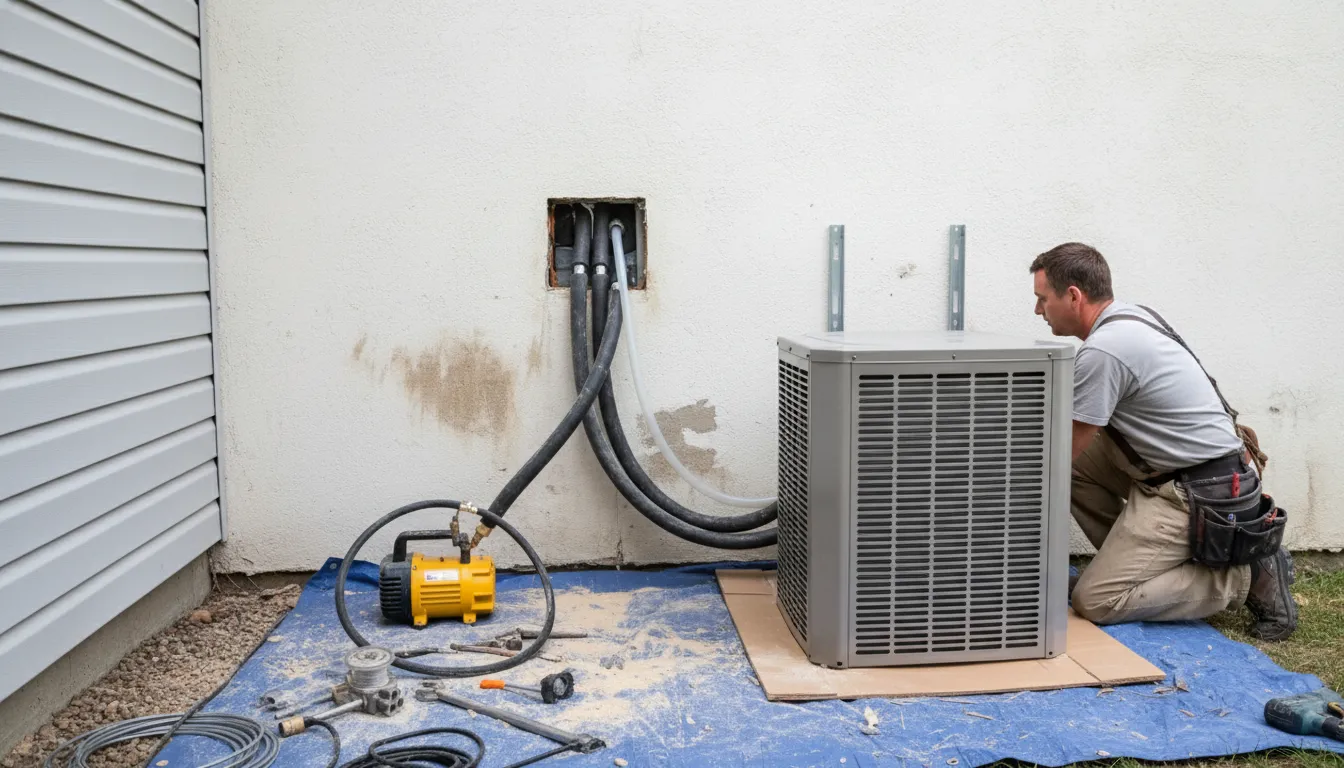
Upgrading your home's heating and cooling system to a heat pump is a smart investment in year-round comfort, energy efficiency, and lower utility bills. For homeowners in Freeport, modern heat pump systems provide a versatile, all-in-one solution for both heating and air conditioning, making them an excellent choice for our coastal climate. This guide will help you understand the types of systems available, what to expect from the installation process, and how to connect with qualified local professionals who can assess your home and provide a reliable quote.
KOKA-TECH HVAC INC
60-21 Menahan St, Ridgewood, NY 11385
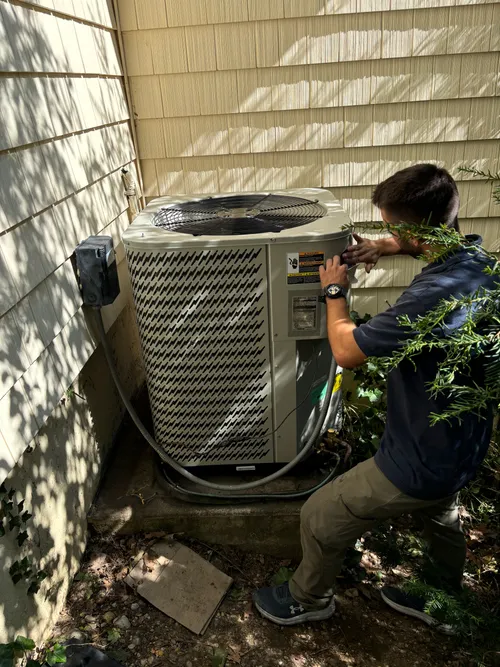
KOKA-TECH HVAC INC provides professional heating and cooling services in New York, NY, including installation, repair, and tune-ups for air conditioners, furnaces, heat pumps, boilers, and mini splits. They offer 24/7 emergency support and same-day availability, serving Queens, Brooklyn, Manhattan, Bronx, and Long Island. The company is licensed and insured, with a strong local presence and expertise in NYC buildings. With nearly 300 five-star reviews, KOKA-TECH HVAC INC is recognized for upfront quotes and customer approval before starting work.
Aeromark Mechanical Inc
153 Morgan St, Jersey City, NJ 07302
Aeromark Mechanical Inc provides residential and commercial HVAC services in New York, NY, and the surrounding Northern New Jersey area. They specialize in heating and air conditioning repair, installation, and maintenance, including heat pumps, ductless HVAC systems, and indoor air quality solutions. With over 15 years of experience, Aeromark Mechanical offers seasonal maintenance plans and has expertise in installing advanced systems like VRF and high-velocity HVAC. Their certified technicians also handle smart thermostat installations and duct repair services.
Energywise Inc
2231 5th Ave Suite 26, Ronkonkoma, NY 11779
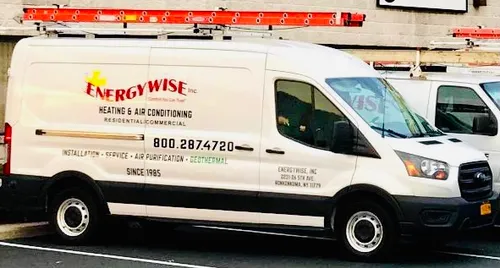
Energywise Inc is an HVAC company based in New York, NY, specializing in heating and cooling solutions. They offer installation, repair, and maintenance services for a variety of systems including heat pumps, central air conditioning, ductless mini splits, geothermal systems, and traditional furnaces. Their factory-trained technicians provide expert guidance and personalized recommendations to optimize home comfort and energy efficiency. Energywise Inc emphasizes energy-efficient products and sustainable solutions to reduce environmental impact while maintaining reliable system performance. The company has decades of experience and provides 24/7 emergency repair services to address urgent heating or cooling issues promptly.
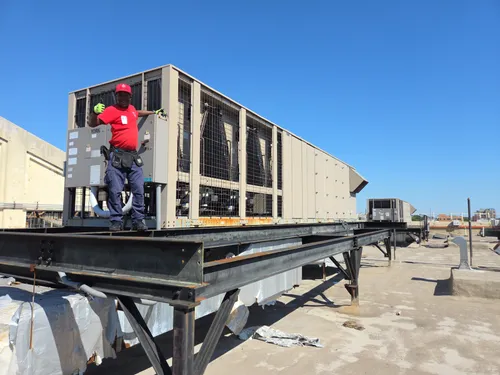
American HVAC Corp - Brooklyn, Heating, Air Conditioning, Refrigeration, Ductless Mini Split, Rooftop, Commercial HVAC NYC
77 Sands St 6th Floor, Brooklyn, NY 11201
American HVAC Corp - Brooklyn, Heating, Air Conditioning, Refrigeration, Ductless Mini Split, Rooftop, Commercial HVAC NYC provides HVAC repair, installation, and maintenance services in New York, NY. Their certified technicians handle a wide range of heating and air conditioning equipment, including furnaces, heat pumps, mini splits, and rooftop systems. The company serves numerous neighborhoods across Brooklyn and extends service to Queens, Manhattan, Staten Island, and The Bronx. They support various industries such as banks, data centers, educational institutions, and commercial office buildings. Their technicians are accredited by EPA and NATE, ensuring professional expertise.
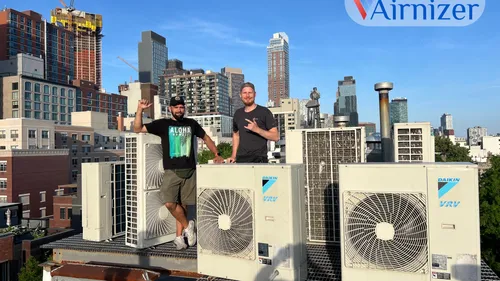
Airnizer HVAC
175 Pearl St Floor 1, suit 342, Brooklyn, NY 11201
Airnizer HVAC is an HVAC contractor based in New York, NY, specializing in the installation, repair, and maintenance of ductless mini split AC and heat pump systems. They serve multiple boroughs including Brooklyn, Queens, Manhattan, Bronx, and Staten Island. Their services cover all types of AC repairs, furnace, boiler, heat pump, and PTAC system maintenance and replacements. The team is certified and insured, focusing on practical solutions for heating and air conditioning needs.
Why Consider a Heat Pump in Freeport?
Freeport's climate, with its humid summers and chilly, damp winters, is well-suited for advanced heat pump technology. Unlike traditional furnaces and air conditioners that generate heat or cool air, a heat pump simply moves existing heat energy, making it incredibly efficient. This process works by extracting heat from the outside air (or ground) to warm your home in winter and reversing the cycle to remove heat from your home in summer. Modern cold-climate air-source heat pumps are specifically engineered to perform efficiently even when temperatures drop well below freezing, addressing a common concern for New York homeowners 1. By switching to a heat pump, you're not only gaining consistent comfort but also participating in New York State's push toward cleaner, electrified home heating.
Types of Heat Pump Systems
Choosing the right type of system is the first critical step. The main options available for Freeport homes are:
- Air-Source Heat Pumps (ASHPs): This is the most common type. It transfers heat between your house and the outside air. Modern cold-climate ASHPs are a game-changer, maintaining high efficiency in freezing temperatures that would challenge older models. They are a fantastic all-around choice for most homes in our area.
- Ductless Mini-Split Heat Pumps: A subset of air-source systems, these are ideal for homes without existing ductwork, for room additions, or for creating customized temperature zones. They consist of an outdoor compressor unit connected to one or more sleek, wall-mounted indoor air handlers.
- Geothermal (Ground-Source) Heat Pumps: This is the most efficient type of residential heat pump system available. It uses the stable temperature of the earth a few feet below the surface to heat and cool your home. While it offers the lowest operating costs and highest efficiency, it involves significant excavation for ground loops, leading to a much higher upfront installation cost.
Understanding Efficiency Ratings: SEER2, HSPF2, and EER2
When comparing heat pump options, you'll encounter key efficiency metrics. Understanding these will help you evaluate long-term performance and savings.
- SEER2 (Seasonal Energy Efficiency Ratio): Measures cooling efficiency over a typical season. A higher SEER2 rating means greater cooling efficiency. Look for ratings of 16 SEER2 or higher for good performance in our summers 2.
- HSPF2 (Heating Seasonal Performance Factor): Measures heating efficiency. This is especially important for New York winters. A higher HSPF2 indicates better heating efficiency. A rating of 9 HSPF2 or above is considered excellent for cold-climate performance 3.
- EER2 (Energy Efficiency Ratio): Similar to SEER2 but measures cooling efficiency at a specific outdoor temperature (95°F). It's another useful data point for evaluating peak cooling performance.
For Freeport, prioritizing a system with a high HSPF2 rating ensures your heat pump will provide reliable, cost-effective heat throughout the winter.
The Installation Process: What to Expect
A proper installation is just as important as choosing the right equipment. A high-quality installation by a certified technician ensures optimal efficiency, performance, and system longevity.
- Home Assessment and Load Calculation: A reputable professional will never recommend a system size based solely on your home's square footage. They will perform a Manual J load calculation, which considers your home's insulation, window quality, air leakage, and layout to determine the precise heating and cooling capacity (measured in BTUs) your home needs. An oversized or undersized system will lead to comfort issues, frequent cycling, and higher energy bills.
- System Selection and Design: Based on the load calculation, your contractor will help you select the appropriate system type, size, and model. They will also design the installation layout, including the placement of the outdoor unit, indoor air handlers or ductwork connections, and the electrical requirements.
- Installation Day: The process varies by system type. For a ducted air-source heat pump, it may involve connecting to existing ductwork, setting the outdoor condenser, and installing the indoor air handler. For a ductless system, it involves mounting indoor units, running refrigerant and electrical lines through walls, and setting the outdoor unit. Geothermal installation is more invasive, involving drilling or trenching for the ground loops.
- Testing and Commissioning: After installation, the technician will test the refrigerant charge, check airflow, verify electrical connections, and ensure the system operates correctly in both heating and cooling modes. They should also walk you through the basic operation of your thermostat and system.
Find the perfect heat pump installation & replacement contractors for your needs
Get personalized recommendations and expert advice
Cost Factors for Heat Pump Installation in Freeport
The total cost of a new heat pump system in Freeport can vary widely, typically ranging from $6,000 to over $25,000 for a complete installation 4 5. Several key factors influence the final price:
- System Type and Capacity: A basic, single-zone ductless mini-split system starts around $4,500-$7,000 installed. A whole-home, ducted cold-climate air-source heat pump system often falls between $10,000 and $18,000. Geothermal systems, due to the ground loop installation, generally start at $25,000 and can exceed $45,000 6 7 8.
- Home Size and Layout: Larger homes require systems with higher capacity (more BTUs), which increases cost. The complexity of your home's layout also affects labor time, especially if installing multiple ductless zones or modifying ductwork.
- Existing Infrastructure: If you have functional ductwork that can be adapted, it can reduce costs compared to a home requiring all-new ducts or a completely ductless solution. The electrical service to your home may also need an upgrade to handle the new system.
- Equipment Efficiency: Units with higher SEER2 and HSPF2 ratings typically come with a higher equipment price tag but offer greater long-term energy savings.
- Labor and Contractor Expertise: Rates vary between companies. It's crucial to choose a contractor with specific experience in heat pump installations, particularly with cold-climate models, rather than the lowest bidder.
Financial Incentives and Rebates in New York
Significant financial assistance is available to help offset the cost of installing a heat pump in Freeport. New York State is a national leader in promoting clean heating through various programs.
- NYS Clean Heat Program (NYSERDA): This is the primary state program offering rebates for air-source and geothermal heat pump installations. Rebate amounts depend on the system type, efficiency, and your household income level. The program also provides a vetted list of participating contractors who have completed specialized training 9.
- Federal Tax Credits: The federal Residential Clean Energy Tax Credit (Internal Revenue Code Section 25D) allows you to claim 30% of the total installation cost for a qualified heat pump system, with no upper limit. This credit applies to both air-source and geothermal systems installed through 2032.
- Local Utility Rebates: Check with PSEG Long Island for any additional rebates or special financing offers they may provide for energy-efficient heat pump installations.
Always confirm incentive eligibility with your contractor and apply for rebates according to program guidelines, often requiring installation by a participating professional.
Finding the Right Professional in Freeport
Your choice of installer is critical. A proper installation by a knowledgeable technician is the key to unlocking all the efficiency and comfort benefits your new system promises.
- Look for NYSERDA Participation: Contractors enrolled in the NYS Clean Heat Program have received specific training on heat pump technology and installation best practices. Using a participating contractor is often a requirement for state rebates and ensures a baseline of expertise 10.
- Verify Licenses and Insurance: Ensure the company holds the necessary New York State and local licenses for HVAC and electrical work. They should also carry general liability and worker's compensation insurance.
- Ask About Experience: Specifically ask how many heat pump installations they complete each year and if they have experience with the brand and model you are considering. Inquire about their process for performing a load calculation.
- Get Detailed, Written Quotes: Obtain at least three detailed, written estimates. These should include the specific model numbers, system capacity, a breakdown of all costs (equipment, labor, materials, permits), the projected timeline, and information on warranties for both parts and labor.
- Check References and Reviews: Ask for references from recent heat pump installation projects and read online reviews on multiple platforms to gauge customer satisfaction and service quality.
Taking the time to research and select a qualified, experienced professional is the best way to ensure a smooth installation process and a heat pump system that delivers efficient, reliable comfort for years to come.
Frequently asked questions
Sources
Footnotes
-
Heat Pump Planner - Clean Heating and Cooling Options ... - nyserda - https://www.nyserda.ny.gov/-/media/Project/Nyserda/Files/Programs/clean-heating-and-cooling/heat-pump-planner.pdf ↩
-
Heat Pump: Embedded Heating and Cooling - https://renoquotes.com/en/blog/heat-pump-heating-cooling ↩
-
HSPF Rating Explained: What is a Good HSPF Rating? - https://jacobsheating.com/blog/hspf-rating/ ↩
-
Heat Pump Program (NYS Clean Heat) - nyserda - https://www.nyserda.ny.gov/All-Programs/Heat-Pump-Program ↩
-
Cost of Heat Pump and Installation: A Complete Guide - JNOD - https://www.jnodenergy.com/cost-of-heat-pump-and-installation-a-complete-guide/ ↩
-
2026 Heat Pump Cost Guide: Purchase, Installation & Repair - Carrier - https://www.carrier.com/residential/en/us/products/heat-pumps/how-much-does-a-heat-pump-cost/ ↩
-
How Much Does a Heat Pump Cost in New York City? [2026 Data] - https://www.angi.com/articles/how-much-does-heat-pump-cost/ny/new-york ↩
-
Heat Pump Installation Cost Guide: Types, Factors & Savings - https://statclimate.ca/heat-pump-installation-cost-guide/ ↩
-
Heat Pumps for Cold Climates - Is It Expensive? - NY.Gov - https://cleanheat.ny.gov/heat-pumps-cold-climates-expensive/ ↩
-
Heat Pump Planner: Clean Heating, Cooling, and Water Heating Options for Homes - https://be-exchange.org/beexreport/heat-pump-planner/ ↩