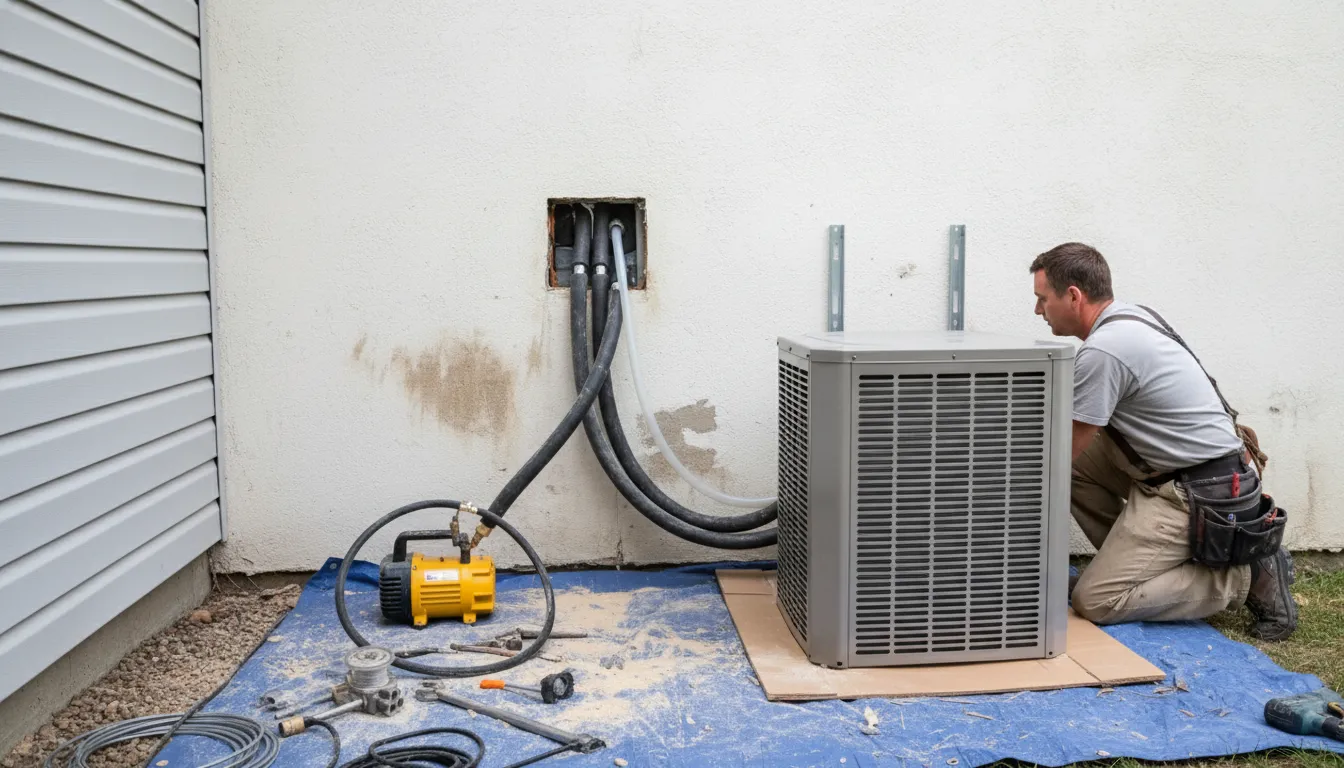
Find the Best Heat Pump Installation & Replacement Contractors for Your Business
No obligation • Fast responses • Nationwide coverage

Why you can trust HVAC Firms
HVAC Firms is a leading United States resource for evaluating HVAC service providers. Our team researches companies, checks credentials, and reviews customer feedback to present clear, unbiased information. Listings and rankings are based on merit, and companies cannot pay to change our editorial content.
Search providers near you
Top Heat Pump Installation & Replacement Contractors in Ypsilanti, Michigan Ranked
Considering a new heating and cooling system for your Ypsilanti home? A heat pump is a versatile, energy-efficient solution that provides both heating and air conditioning from a single unit. This technology is gaining popularity as homeowners look to reduce their carbon footprint and manage energy costs. This guide will help you understand the types of heat pump systems available, their performance in our local climate, and how to navigate the process of selecting and installing the right unit for your needs.
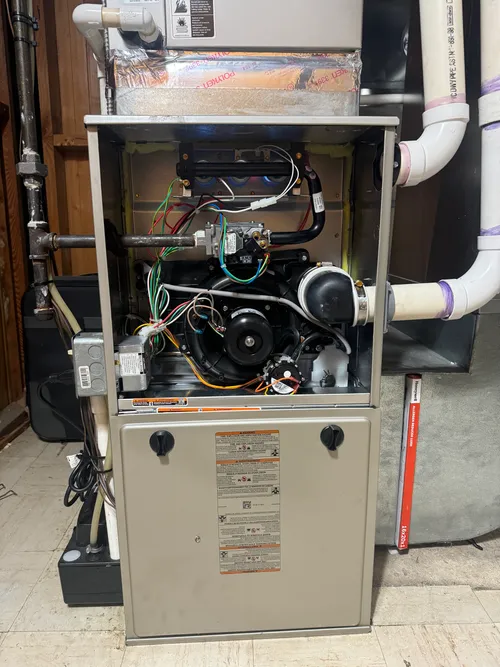
Downriver Climate Control, LLC
3336 Charles St, Trenton, MI 48183
Downriver Climate Control, LLC provides heating, ventilation, and air conditioning services in Detroit, MI. They offer installation, repair, and maintenance for air conditioners, furnaces, heat pumps, and boilers. The company also focuses on improving indoor air quality. Their experienced team serves residential and commercial customers with personalized HVAC solutions.
Cregger Plumbing, Heating & Cooling
2335 Goodrich St, Ferndale, MI 48220
Cregger Plumbing, Heating & Cooling is a third-generation, locally operated company serving Detroit, MI. They provide a range of HVAC and plumbing services including repair and installation of air conditioners, furnaces, heat pumps, and boilers. Their licensed and insured team is experienced in handling plumbing and HVAC needs throughout Michigan, with a capability in hydro jetting and emergency plumbing services. Established in 1987, Cregger offers 24/7 emergency plumbing support to address urgent issues at any time.

All Weather Comfort Solutions
26531 King Rd, Brownstown Township, MI 48174
All Weather Comfort Solutions is an HVAC company serving Detroit, MI, and nearby areas including Wayne and Washtenaw County. Since 2014, they have provided heating and cooling services such as furnace repair, AC installation, heat pump and boiler installation, and indoor air quality solutions. The company specializes in energy-efficient systems, including Mitsubishi ductless mini-splits and Trane HVAC products, and offers maintenance plans to ensure year-round system performance. They also provide eco-friendly insulation services to improve home comfort and energy savings.
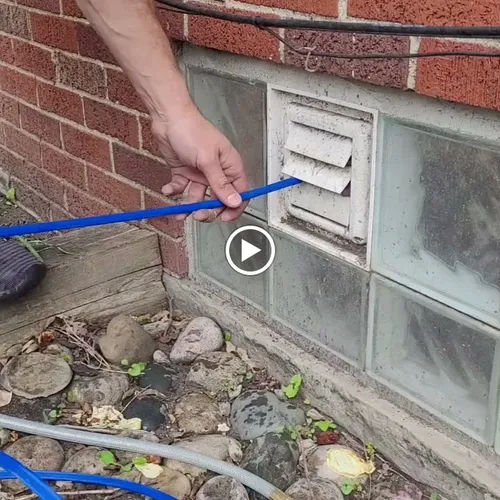
Michigan Air Care
280 N Old Woodward Ave Suite 100, Birmingham, MI 48009
Michigan Air Care is an HVAC company based in Detroit, MI, serving homes and businesses in the area including Birmingham, West Bloomfield, Troy, Rochester Hills, and Southfield. They provide a range of services such as air conditioning, furnace, heat pump, and boiler installation and repair, along with duct cleaning and indoor air quality solutions. Their capabilities include professional air duct cleaning and sanitization to improve indoor air quality. Michigan Air Care focuses on enhancing comfort and health through their HVAC services.
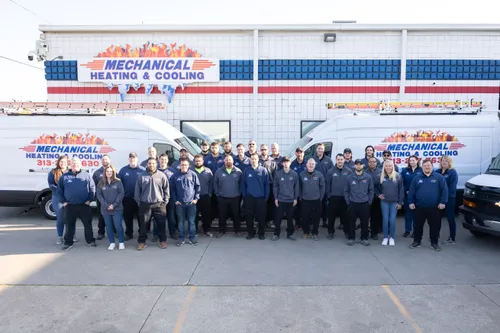
Mechanical Heating & Cooling
6192 N Telegraph Rd, Dearborn Heights, MI 48127
Mechanical Heating & Cooling is an HVAC company serving Detroit, MI, and the surrounding Southeast Michigan area. They provide a wide range of services including installation, repair, and maintenance of furnaces, air conditioners, heat pumps, and thermostats. The company also offers duct cleaning and indoor air quality solutions such as air purifiers, humidifiers, and ventilators. A notable capability is their installation of standby generators to maintain home comfort during power outages. Established in 1983, Mechanical Heating & Cooling has decades of experience and has received the Carrier President's Award multiple times since 2016.
Understanding Heat Pump Technology
At its core, a heat pump doesn't generate heat by burning fuel. Instead, it moves existing heat from one place to another. In the winter, it extracts heat from the outside air-even when it's cold-and transfers it indoors. In the summer, the process reverses, pulling heat from your home and releasing it outside, functioning as an air conditioner. This efficient transfer of energy is what allows heat pumps to provide significant energy savings compared to traditional systems.
The primary appeal of a heat pump installation is its dual functionality. By replacing both a furnace and an air conditioner with one system, you can simplify your home's HVAC equipment. Modern models are engineered to perform reliably in cold climates, making them a viable option for year-round comfort in Southeast Michigan.
Types of Heat Pump Systems for Ypsilanti Homes
Not all heat pumps are the same. The right choice depends on your home's existing infrastructure, budget, and efficiency goals.
Air-Source Heat Pumps (ASHP): This is the most common type of system for residential replacement. It uses an outdoor unit to exchange heat with the outside air. Advances in technology have greatly improved their cold-weather performance, making them suitable for our region.
Ductless Mini-Split Systems: A subtype of air-source heat pumps, mini-splits are highly efficient and ideal for homes without existing ductwork, for room additions, or for targeting specific zones. They consist of an outdoor compressor unit connected to one or more indoor air handlers, minimizing the energy losses associated with ductwork.
Geothermal (Ground-Source) Heat Pumps: This system exchanges heat with the ground, which maintains a more stable temperature year-round than the air. It offers the highest efficiency and longest equipment life but requires a significant upfront investment for the ground loop installation.
Packaged Heat Pumps: These are all-in-one units typically installed on the ground or roof outside the home. They are a good solution for homes without basements or crawlspaces where indoor space is limited.
Performance in Michigan's Climate
A common concern for Ypsilanti residents is whether a heat pump can handle our cold winters. The good news is that modern cold-climate air-source heat pumps are designed to operate efficiently at temperatures well below freezing.
However, it's important to understand that a heat pump's efficiency does decrease as the outdoor temperature drops. During the most extreme cold snaps, the system may need help. This is why many installations in our area include a form of supplemental or backup heat. The most common setup is a hybrid system, which pairs the heat pump with a gas furnace. The heat pump handles heating needs during milder weather, and the furnace takes over during periods of intense cold, ensuring comfort and optimizing operating costs 1 2.
Your home's insulation and air sealing are also critical factors. A well-insulated home retains the conditioned air better, allowing any HVAC system-especially an efficient heat pump-to work less hard and maintain comfort more easily. Before investing in a new system, it's wise to evaluate and improve your home's envelope.
Evaluating Costs and Energy Savings
The decision to invest in a heat pump involves balancing upfront costs with long-term operational savings.
Installation Costs: For a standard air-source heat pump replacement in Ypsilanti, homeowners can expect a range of roughly $4,500 to $8,000. High-efficiency models or ductless mini-split systems often range from $8,000 to $12,000 or more. Geothermal systems represent a larger investment, typically starting around $10,000 and reaching $25,000+, due to the ground loop excavation 3. Be aware that your project may require additional work, such as upgrading your home's electrical panel to handle the new system's requirements, which can add thousands to the total cost 4.
Potential Savings: The energy savings from switching to a heat pump can be substantial, often cited in the range of 25-40% on combined heating and cooling costs compared to older electric resistance or fuel-oil systems 5 6. The exact savings depend heavily on what system you are replacing and local utility rates. For example, savings compared to a new, high-efficiency natural gas furnace may be less dramatic on heating costs alone, but the heat pump provides "free" cooling in the summer 7.
Financial Incentives: To offset the initial investment, significant incentives are available. The federal tax credit can cover 30% of the project cost, up to $2,000 annually, for qualified high-efficiency heat pump installations 8. Locally, DTE Energy offers rebates for the installation of approved air-source heat pumps, providing direct savings on your project 9. Always check the latest requirements with your installer or the DTE website.
Find the perfect heat pump installation & replacement contractors for your needs
Get personalized recommendations and expert advice
Key Steps for a Successful Installation
A proper installation is just as important as choosing the right equipment. Following these steps will help ensure your system delivers optimal comfort and efficiency for years to come.
-
Get a Professional Load Calculation: Never guess the size you need. A qualified HVAC professional should perform a Manual J load calculation. This analysis considers your home's square footage, insulation levels, window types, and local climate to determine the precise heating and cooling capacity (measured in BTUs) your home requires. An oversized or undersized unit will lead to comfort issues, frequent cycling, and higher energy bills.
-
Consult with Local Experts: Seek quotes from several licensed and insured HVAC contractors in the Ypsilanti area who have specific experience with heat pump installations. Companies familiar with Michigan winters will understand the importance of proper sizing, backup heat integration, and leveraging available rebates 10. Ask for references and examples of similar projects.
-
Review and Understand Your Quote: A detailed quote should include the specific make and model of the equipment, the SEER2 (cooling) and HSPF (heating) efficiency ratings, a breakdown of all labor and material costs, a timeline for the project, and information on warranties. It should also clarify who will handle permit acquisition and incentive paperwork.
-
Prepare Your Home: Discuss with your contractor any preparatory work needed. This might include upgrading insulation, sealing ductwork (for ducted systems), or ensuring the electrical service is adequate. Taking these steps before installation maximizes the performance of your new investment.
Maximizing Your Investment
Once your new heat pump system is installed, proper maintenance is key to longevity and sustained efficiency. Schedule annual professional tune-ups, typically in the spring or fall. Regularly clean or replace your system's air filters (usually every 1-3 months). Keep the outdoor unit clear of debris, snow, and vegetation to ensure proper airflow. A well-maintained system will provide reliable comfort, keep energy bills in check, and help avoid premature breakdowns.
Choosing a heat pump is a significant decision for your Ypsilanti home. By understanding the technology, carefully evaluating your options with local climate and costs in mind, and partnering with a reputable professional for installation, you can enjoy a comfortable home and greater energy efficiency for many winters and summers to come.
Frequently asked questions
Sources
Footnotes
-
Is a Heat Pump Right for Michigan Winters? A Local Cost-Benefit Analysis - https://www.acrheatingandcooling.com/blog/is-a-heat-pump-right-for-michigan-winters-a-local-cost-benefit-analysis/ ↩
-
Heat Pump Types & Systems - https://www.miheatpumps.com/resources/heat-pump-types-systems/ ↩
-
Heat Pump Cost & Replacement Cost Guide - Rahn Industries - https://rahnindustries.com/2023/08/08/heat-pump-replacement-cost-guide/ ↩
-
Heat Pump Cost Analysis: What To Expect & How It's Determined - https://clinesairconditioning.com/heat-pump-cost/ ↩
-
Heat Pumps in Michigan: Can They Handle the Cold? - https://mooremech.net/what-is-a-heat-pump/ ↩
-
GUIDE: What Michiganders need to know about heat pumps - https://planetdetroit.org/2023/12/guide-what-michiganders-need-to-know-about-heat-pumps/ ↩
-
2026 Heat Pump Cost Guide: Purchase, Installation & Repair - Carrier - https://www.carrier.com/residential/en/us/products/heat-pumps/how-much-does-a-heat-pump-cost/ ↩
-
Heat Pump Tax Credit 2025 Michigan: Complete Guide To ... - https://zilkaheatingcooling.com/heat-pump-tax-credit-2025-michigan-complete-guide-to-federal-incentives/ ↩
-
Air Source Heat Pumps | DTE Energy - https://www.dteenergy.com/us/en/residential/service-request/electric/air-source-heat-pump.html ↩
-
Heat Pump Installation Southeast Michigan | Randazzo - https://callrandazzo.com/heat-pumps/replacement/ ↩