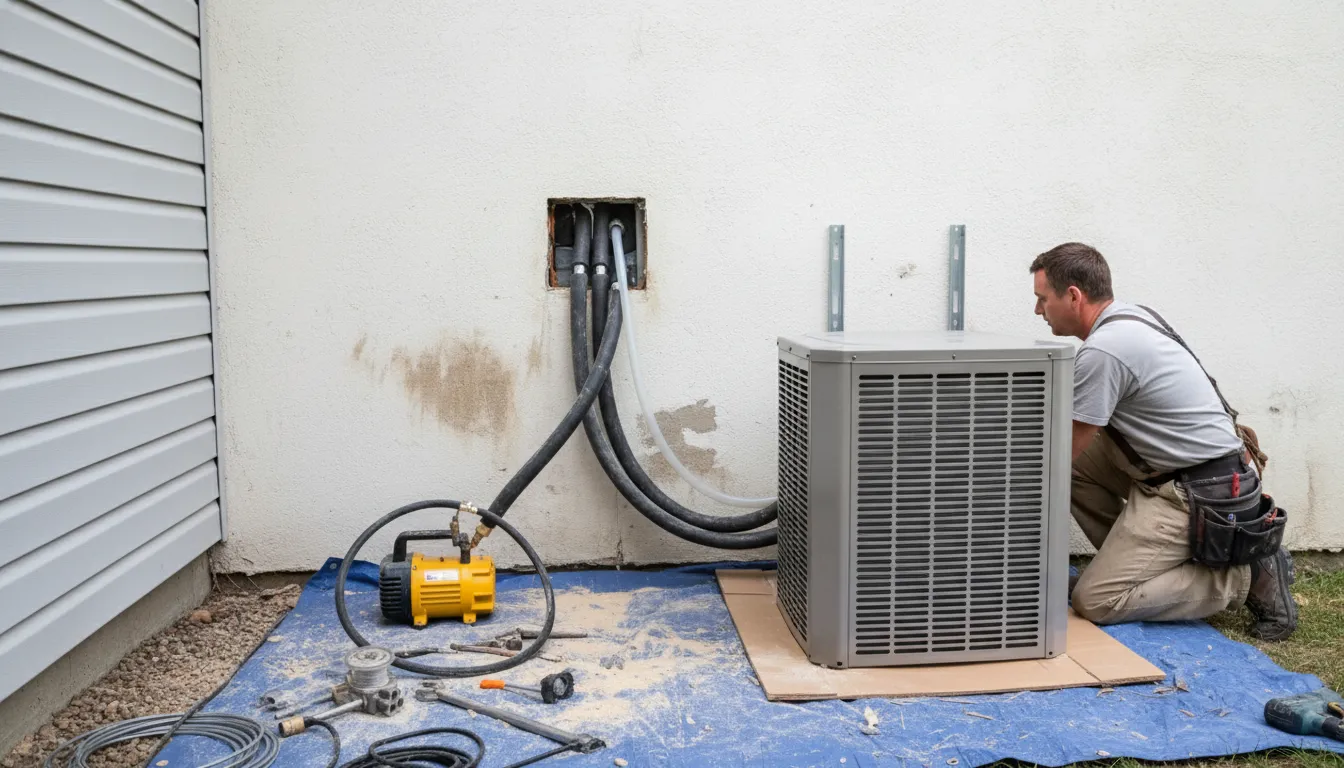
Find the Best Heat Pump Installation & Replacement Contractors for Your Business
No obligation • Fast responses • Nationwide coverage

Why you can trust HVAC Firms
HVAC Firms is a leading United States resource for evaluating HVAC service providers. Our team researches companies, checks credentials, and reviews customer feedback to present clear, unbiased information. Listings and rankings are based on merit, and companies cannot pay to change our editorial content.
Search providers near you
Best Heat Pump Installation & Replacement Contractors in Michigan Ranked
Upgrading your home's heating and cooling system with a heat pump is a smart move for Michigan homeowners seeking year-round comfort, lower energy bills, and a reduced carbon footprint. A heat pump is an efficient, all-in-one system that provides both heating and cooling by transferring heat rather than generating it. This guide explains the types of heat pumps suitable for Michigan's climate, the significant financial incentives available, and key considerations for choosing and installing a system. You can use this information to evaluate your options and connect with qualified local professionals for your project.
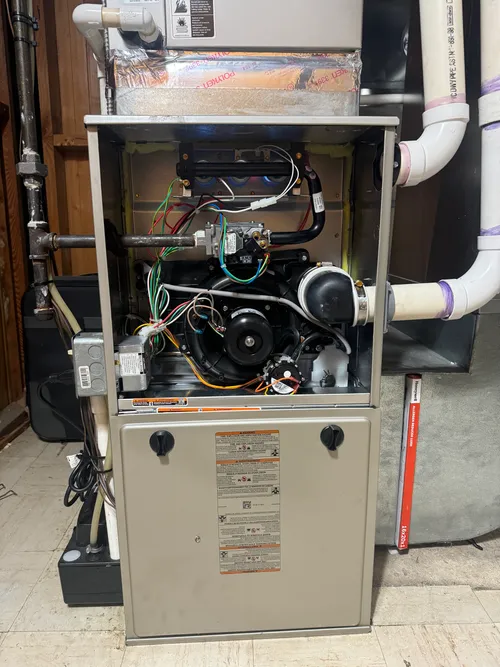
Downriver Climate Control, LLC
3336 Charles St, Trenton, MI 48183
Downriver Climate Control, LLC provides heating, ventilation, and air conditioning services in Detroit, MI. They offer installation, repair, and maintenance for air conditioners, furnaces, heat pumps, and boilers. The company also focuses on improving indoor air quality. Their experienced team serves residential and commercial customers with personalized HVAC solutions.
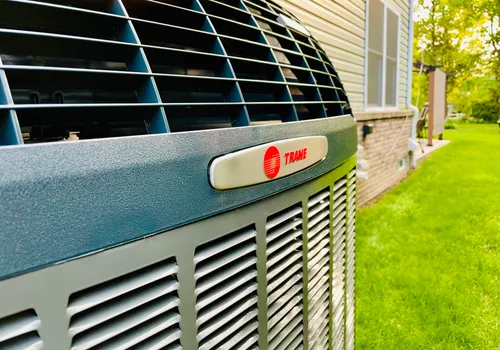
Airman Heat & Air LLC
5129 8 Mile Rd, Warren, MI 48091
Airman Heat & Air LLC is a family-owned HVAC company serving Detroit, MI. They provide residential and commercial heating and cooling services, including installation and repair of air conditioners, furnaces, and heat pumps. The company uses factory-authorized brand name equipment and offers a labor warranty alongside the manufacturer's warranty. Established in 2001, Airman Heat & Air LLC emphasizes professionalism and a personalized approach to customer service.
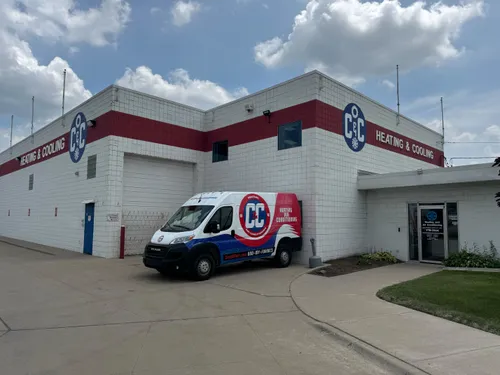
C & C Heating & Air Conditioning
29420 Groesbeck Hwy, Roseville, MI 48066
C & C Heating & Air Conditioning is an HVAC company based in Detroit, MI, offering a full range of heating and cooling services. They install and repair air conditioners, furnaces, heat pumps, and indoor air quality products from major manufacturers like Carrier, Lennox, and Trane. The company also provides humidifiers, generators, hot water heaters, and advanced air purification systems including UV lamps and germicidal lights. Their technicians are trained to handle installation and repair for all makes and models, ensuring comprehensive indoor air control solutions.
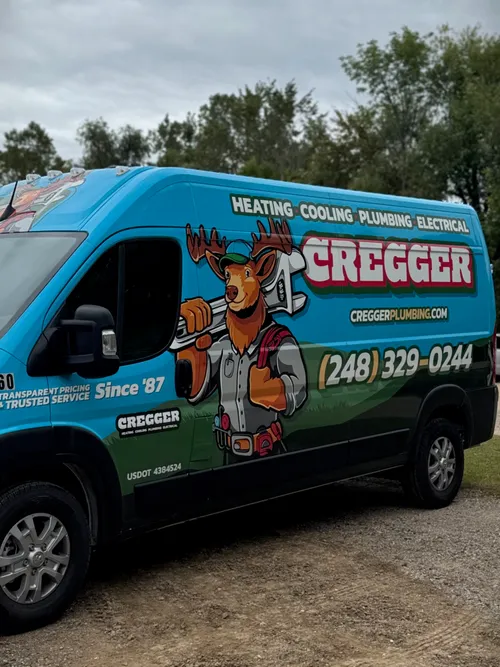
Cregger Plumbing, Heating & Cooling
2335 Goodrich St, Ferndale, MI 48220
Cregger Plumbing, Heating & Cooling is a third-generation, locally operated company serving Detroit, MI. They provide a range of HVAC and plumbing services including repair and installation of air conditioners, furnaces, heat pumps, and boilers. Their licensed and insured team is experienced in handling plumbing and HVAC needs throughout Michigan, with a capability in hydro jetting and emergency plumbing services. Established in 1987, Cregger offers 24/7 emergency plumbing support to address urgent issues at any time.
Detroit Furnace LLC
31313 Kendall, Fraser, MI 48026
Detroit Furnace LLC provides heating, cooling, and plumbing services in Detroit, MI. They offer repair, installation, and maintenance for furnaces, air conditioners, heat pumps, boilers, and mini-split systems. Their team services all brands and models and is equipped to handle plumbing needs such as water heater installation, leak repairs, and drain cleaning. Detroit Furnace LLC offers 24/7 emergency service to address urgent issues promptly. They serve the Detroit Metro area and surrounding communities, ensuring comprehensive home comfort solutions.
Why Choose a Heat Pump for Michigan Homes?
Michigan's climate, with its cold winters and warm, humid summers, makes an efficient heating and cooling system essential. Modern heat pumps, especially models designed for cold climates, are engineered to perform efficiently even when temperatures drop well below freezing 1. By moving heat from the outdoors into your home in winter and reversing the process in summer, they use significantly less energy than traditional furnaces and air conditioners. This translates to lower utility bills and a more comfortable indoor environment throughout the year. For many Michigan residents, combining this efficiency with available state and federal incentives makes a heat pump a financially attractive home upgrade 2.
Types of Heat Pump Systems
Understanding the different types of heat pumps is the first step in selecting the right system for your Michigan home. The main categories are air-source and geothermal, each with distinct applications.
Air-Source Heat Pumps (ASHPs)
Air-source heat pumps are the most common type installed in residential properties. They extract heat from the outdoor air and are available in two primary configurations:
- Ducted Central Systems: These integrate with your home's existing ductwork, similar to a traditional forced-air furnace and central air conditioner. They are an excellent choice for homes that already have functional ducts.
- Ductless Mini-Split Systems: These consist of an outdoor compressor unit connected to one or more indoor air handlers mounted on walls or ceilings. They are ideal for homes without ducts, for room additions, or for providing zoned comfort control in specific areas.
A critical advancement for northern states is the Cold Climate Heat Pump (CCHP). These are specifically designed to maintain high heating efficiency and capacity in sub-freezing temperatures, making them a reliable primary heat source for Michigan winters.
Geothermal Heat Pumps (Ground-Source)
Geothermal systems use the stable temperature of the earth or a groundwater source to heat and cool your home. They are the most efficient type of heat pump available, leading to the lowest operating costs 3. However, they involve a significant upfront investment due to the need for ground drilling or trenching to install the underground loop system. They are a superb long-term investment for homeowners planning to stay in their homes for many years.
Key Factors in Selecting a Heat Pump
Choosing the right heat pump involves more than just picking a type. Several technical factors determine performance, efficiency, and eligibility for rebates.
- Efficiency Ratings: Always check the efficiency ratings. The Seasonal Energy Efficiency Ratio (SEER) measures cooling efficiency (higher is better), while the Heating Seasonal Performance Factor (HSPF) measures heating efficiency (higher is better). In Michigan, a high HSPF is particularly important for winter performance 4. Models that earn the ENERGY STAR® certification meet strict efficiency guidelines set by the EPA and often qualify for the best incentives 5.
- Proper Sizing: A correctly sized system is crucial. An undersized heat pump will struggle to heat your home on the coldest days, while an oversized system will short-cycle, reducing efficiency, comfort, and system lifespan. In Michigan, the heating load (the amount of heat needed) typically dictates the system size, which may be larger than what is required for cooling alone 6. A professional installer will perform a detailed load calculation to determine the perfect size for your home.
- Cold Climate Performance: For air-source heat pumps, verify the unit's heating capacity at low temperatures (e.g., 5°F or -15°F). Cold Climate Heat Pumps are specifically tested and rated to deliver sufficient heat in extreme cold.
Understanding Costs and Incentives
The cost of a heat pump system in Michigan varies widely based on the type, size, efficiency, and complexity of the installation.
Installation Cost Overview
- Air-Source Heat Pump (Central/Ducted): $6,000 - $15,000+
- Ductless Mini-Split System: $4,000 - $12,000+ (per indoor-outdoor pair)
- Geothermal Heat Pump System: $15,000 - $25,000+ 7 8
While the initial investment can be substantial, significant federal and state incentives are available to dramatically reduce the net cost.
Federal Tax Credit
The Energy Efficient Home Improvement Credit (IRS Form 5695, 25C) provides a tax credit worth 30% of the total project cost (including both equipment and installation labor), up to a maximum of $2,000 per year9 10. This credit applies to qualifying heat pumps installed through 2032. For example, an $8,000 installation would yield a $2,000 credit against your federal income tax.
Michigan-Specific Rebates (MiHER Program)
Michigan administers federal Inflation Reduction Act (IRA) funds through the Michigan Home Energy Rebate (MiHER) program. This includes two powerful rebates for heat pumps 11 12:
- High-Efficiency Electric Home Rebate Act (HEEHRA): Provides point-of-sale rebates for low- and moderate-income households (up to 150% of the Area Median Income). Rebates can cover up to $8,000 for a heat pump installation, potentially covering 50% to 100% of the project cost for eligible homeowners 13.
- Homeowner Management Energy Savings (HOMES) Program: Offers performance-based rebates calculated on the actual energy savings your retrofit project achieves.
Find the perfect heat pump installation & replacement contractors for your needs
Get personalized recommendations and expert advice
Calculating Payback and Long-Term Savings
The "payback period" is the time it takes for your energy savings to equal the net cost of the system. With current incentives, this period can be surprisingly short. A Cold Climate Heat Pump can often compete with or beat the lifetime cost of a new high-efficiency gas furnace, especially when considering potential future increases in fuel prices. The highest long-term savings come from pairing incentives with the most efficient model you can afford, as it will have the lowest operating costs for the next 15-20 years.
The Professional Installation Process
A successful heat pump installation is highly dependent on proper, professional work. The process typically involves:
- Consultation and Load Calculation: A certified technician will assess your home, discuss your needs, and perform a Manual J load calculation to determine the precise system size required.
- System Design and Proposal: The contractor will recommend a specific system type and model, provide a detailed quote including all equipment and labor, and explain available incentives.
- Installation Day: For a ducted system, this may involve removing old equipment, placing the new outdoor unit and indoor air handler, making electrical and refrigerant line connections, and testing the ductwork. For ductless systems, it involves mounting the indoor and outdoor units, running conduit, and making connections.
- Commissioning and Testing: The most critical step. The technician will charge the system with refrigerant, test airflow, verify electrical performance, and ensure the system is operating at its specified efficiency.
- Rebate and Credit Documentation: A reputable installer will help you gather the necessary manufacturer's certification statements and documentation to apply for rebates and tax credits.
Maintaining Your Heat Pump System
To protect your investment and ensure peak efficiency, regular maintenance is key. Homeowners should:
- Change or clean air filters every 1-3 months.
- Keep the outdoor unit clear of snow, leaves, and debris.
- Ensure indoor vents are not blocked by furniture or curtains. Schedule a professional tune-up annually. A technician will check refrigerant levels, inspect electrical components, clean coils, and verify system performance, which can prevent costly repairs and sustain energy savings.
Frequently asked questions
Sources
Footnotes
-
GUIDE: What Michiganders need to know about heat pumps - https://planetdetroit.org/2023/12/guide-what-michiganders-need-to-know-about-heat-pumps/ ↩
-
Heating Rebates & Tax Credits in Michigan | Home Savings - https://www.schaafsma.com/blog/michigan-heating-rebates/ ↩
-
Michigan Residential Energy Efficiency Potential - ResStock - NREL - https://resstock.nrel.gov/factsheets/MI ↩
-
How Much Does It Cost To Install A Heat Pump? (Cost Guide) - https://aquariushomeservices.com/blog/heat-pump-installation-cost/ ↩
-
Understanding Michigan's HVAC Tax Incentives for 2025 - https://www.serviceprofessor.com/the-basics-of-michigans-2025-hvac-tax-incentives/ ↩
-
Federal Tax Credits for Heat Pumps and Heat Pump Water Heaters - https://www.metroheating.net/federal-tax-credits-for-heat-pumps-and-heat-pump-water-heaters/ ↩
-
2026 Heat Pump Costs | Purchase, Installation & Repair - Carrier - https://www.carrier.com/residential/en/us/products/heat-pumps/how-much-does-a-heat-pump-cost/ ↩
-
DTE Heat Pump Breakeven Analysis - State of Michigan - https://www.michigan.gov/mpsc/-/media/Project/Websites/mpsc/workgroups/EWR_Collaborative/2022/DTE-HP-Breakeven-Analysis.pdf ↩
-
Heat Pump Tax Credit 2025 Michigan: Complete Guide To ... - https://zilkaheatingcooling.com/heat-pump-tax-credit-2025-michigan-complete-guide-to-federal-incentives/ ↩
-
Energy Efficient Home Improvement Credit | Internal Revenue Service - https://www.irs.gov/credits-deductions/energy-efficient-home-improvement-credit ↩
-
Ultimate Guide to HVAC Rebates, Tax Credits, & Incentives in ... - https://thorntonandgrooms.com/blog/hvac-guide-rebates-tax-credits-incentives-michigan ↩
-
Can You Save Money With the Inflation Reduction Act in Michigan? - https://thorntonandgrooms.com/blog/save-money-with-the-inflation-reduction-act-in-michigan ↩
-
HEEHRA Rebate Program 2024 - Get full Details Here - AC Direct - https://www.acdirect.com/heehra-rebate-program-heat-pump ↩