Find the Best Heat Pump Installation & Replacement Contractors for Your Business
No obligation • Fast responses • Nationwide coverage

Why you can trust HVAC Firms
HVAC Firms is a leading United States resource for evaluating HVAC service providers. Our team researches companies, checks credentials, and reviews customer feedback to present clear, unbiased information. Listings and rankings are based on merit, and companies cannot pay to change our editorial content.
Search providers near you
Top Heat Pump Installation & Replacement Contractors in Southfield, Michigan Ranked
Considering a heat pump for your Southfield home is a smart move toward year-round comfort and lower energy bills. This technology provides both efficient heating and cooling from a single system, making it an increasingly popular choice for Michigan homeowners. Whether you're replacing an old furnace and air conditioner or looking for a more efficient solution for a new addition, understanding your local options is key. This guide will help you navigate the types of systems available, their performance in our climate, and what to consider when selecting a provider for your installation or replacement project.
Downriver Climate Control, LLC
3336 Charles St, Trenton, MI 48183
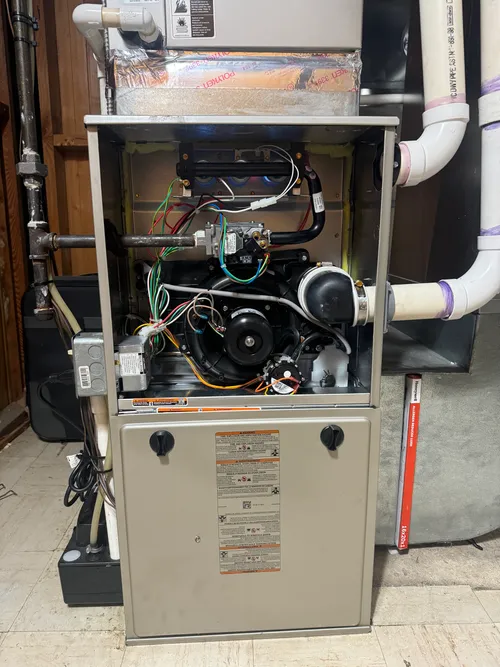
Downriver Climate Control, LLC provides heating, ventilation, and air conditioning services in Detroit, MI. They offer installation, repair, and maintenance for air conditioners, furnaces, heat pumps, and boilers. The company also focuses on improving indoor air quality. Their experienced team serves residential and commercial customers with personalized HVAC solutions.
Airman Heat & Air LLC
5129 8 Mile Rd, Warren, MI 48091
Airman Heat & Air LLC is a family-owned HVAC company serving Detroit, MI. They provide residential and commercial heating and cooling services, including installation and repair of air conditioners, furnaces, and heat pumps. The company uses factory-authorized brand name equipment and offers a labor warranty alongside the manufacturer's warranty. Established in 2001, Airman Heat & Air LLC emphasizes professionalism and a personalized approach to customer service.
C & C Heating & Air Conditioning
29420 Groesbeck Hwy, Roseville, MI 48066
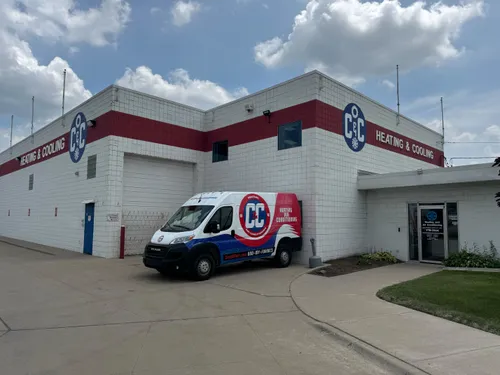
C & C Heating & Air Conditioning is an HVAC company based in Detroit, MI, offering a full range of heating and cooling services. They install and repair air conditioners, furnaces, heat pumps, and indoor air quality products from major manufacturers like Carrier, Lennox, and Trane. The company also provides humidifiers, generators, hot water heaters, and advanced air purification systems including UV lamps and germicidal lights. Their technicians are trained to handle installation and repair for all makes and models, ensuring comprehensive indoor air control solutions.

Cregger Plumbing, Heating & Cooling
2335 Goodrich St, Ferndale, MI 48220
Cregger Plumbing, Heating & Cooling is a third-generation, locally operated company serving Detroit, MI. They provide a range of HVAC and plumbing services including repair and installation of air conditioners, furnaces, heat pumps, and boilers. Their licensed and insured team is experienced in handling plumbing and HVAC needs throughout Michigan, with a capability in hydro jetting and emergency plumbing services. Established in 1987, Cregger offers 24/7 emergency plumbing support to address urgent issues at any time.
Detroit Furnace LLC
31313 Kendall, Fraser, MI 48026
Detroit Furnace LLC provides heating, cooling, and plumbing services in Detroit, MI. They offer repair, installation, and maintenance for furnaces, air conditioners, heat pumps, boilers, and mini-split systems. Their team services all brands and models and is equipped to handle plumbing needs such as water heater installation, leak repairs, and drain cleaning. Detroit Furnace LLC offers 24/7 emergency service to address urgent issues promptly. They serve the Detroit Metro area and surrounding communities, ensuring comprehensive home comfort solutions.
Why Choose a Heat Pump for Your Southfield Home?
Heat pumps are unique because they don't generate heat by burning fuel; instead, they move existing heat from one place to another. In the winter, they extract heat from the outside air (or ground) and transfer it indoors. In the summer, the process reverses, pulling heat from your home and releasing it outside, functioning as an air conditioner. This method of heat transfer is remarkably efficient, often generating 3 to 4 times more heating energy than the electrical energy they consume-a 300-400% efficiency rate 1 2 3. For Southfield residents, this can translate to significant savings, with the potential to reduce your annual heating and cooling bills by 25-40% compared to older, conventional systems like standard air conditioners and furnaces 1 4.
Beyond savings, modern heat pump systems offer superior comfort with more consistent temperatures and, in the case of ductless models, the ability to create customized climate zones in different parts of your home. As Michigan's energy grid incorporates more renewable sources, choosing an electric heat pump also reduces your household's carbon footprint, making it an environmentally friendly upgrade.
Types of Heat Pump Systems
Not all heat pumps are the same. The right type for your home depends on your existing infrastructure, budget, and performance needs. The three primary categories are:
Air-Source Heat Pumps (ASHPs)
This is the most common type of heat pump system. It transfers heat between your home and the outside air. There are two main configurations:
- Ducted Central Systems: These connect to your home's existing ductwork, similar to a traditional central air system. They are an excellent choice if you already have ducts in good condition.
- Ductless Mini-Splits: These systems consist of an outdoor compressor unit connected to one or more indoor air handlers mounted on walls or ceilings. They are ideal for homes without ducts, for room additions, or for creating zoned comfort control where you can heat or cool individual rooms independently.
Cold-Climate Heat Pumps (CCHPs)
A specialized subset of air-source technology, Cold-Climate Heat Pumps are engineered to perform efficiently in freezing temperatures. Older heat pump models could lose efficiency in very cold weather, but modern CCHPs are designed to provide reliable heat even when outdoor temperatures drop well below freezing, making them particularly well-suited for Michigan winters. They often boast high Heating Seasonal Performance Factor (HSPF) ratings, a measure of heating efficiency, frequently above 10.5.
Geothermal Heat Pumps (GHPs)
Also known as ground-source heat pumps, these systems use the stable temperature of the earth (typically 45-55°F year-round in Michigan) as the heat exchange medium. A network of pipes (ground loops) is buried in your yard, either horizontally or vertically. While geothermal systems offer the highest efficiency and lowest operating costs, they involve significant excavation and have a much higher upfront installation cost 5.
Performance and Efficiency in Michigan's Climate
A common concern for homeowners is whether a heat pump can handle a Southfield winter. The good news is that technology has advanced dramatically. Modern cold-climate air-source heat pumps are specifically tested and certified to deliver ample heat at temperatures as low as 5°F and below. While extremely efficient, some systems may integrate a supplemental backup heat source, such as electric resistance strips, for the coldest days of the year. This hybrid approach ensures comfort while maximizing efficiency. When evaluating a system, look for two key metrics:
- SEER (Seasonal Energy Efficiency Ratio): Measures cooling efficiency. The higher the number, the more efficient the cooling.
- HSPF (Heating Seasonal Performance Factor): Measures heating efficiency. For cold climates, a higher HSPF is crucial for winter performance and savings.
Find the perfect heat pump installation & replacement contractors for your needs
Get personalized recommendations and expert advice
Understanding Installation and Replacement Costs in Southfield
The cost to install or replace a heat pump in Southfield varies widely based on the system type, your home's size and layout, and the complexity of the installation. Here's a general breakdown of what you might expect:
- Central Air-Source or Cold-Climate Heat Pump: Installing a new ducted central system typically ranges from $6,000 to $12,000 or more. This cost can increase significantly if you need to add new ductwork or an air handler, which can add $5,000 to $8,000 to the project 6 7.
- Ductless Mini-Split System: For a single-zone system (one outdoor unit, one indoor head), costs generally start around $3,500 to $7,000. Each additional indoor head (for multi-zone systems) adds to the total cost 8.
- Geothermal Heat Pump System: Due to the extensive ground loop installation, these are the most expensive option, with total costs typically ranging from $10,000 to $40,000 or more, heavily dependent on property size and soil conditions 9 10.
The final price is influenced by the unit's capacity (measured in BTUs), its efficiency ratings (SEER/HSPF), the brand, necessary electrical upgrades, local permit fees, and Southfield-area labor rates 11. It's crucial to get detailed, itemized estimates from qualified installers.
Financial Incentives and Rebates
The upfront investment in a high-efficiency heat pump can be offset by various financial incentives. These can dramatically improve the payback period of your new system.
- Federal Tax Credits: The federal government offers tax credits for qualifying high-efficiency heat pump installations. This can directly reduce the amount of income tax you owe.
- Utility Rebates: Local utility companies, such as DTE Energy, often provide rebates for installing ENERGY STAR® certified heat pumps. DTE has conducted analyses showing that heat pumps can be cost-effective for many Michigan customers, especially when paired with such incentives 12. Always ask your installation professional about current rebates and tax credits for which you may qualify.
Choosing the Right System and Installer
Selecting the correct heat pump is a decision best made with a professional. A reputable installer will perform a detailed load calculation (Manual J) to determine the precise size your home needs-a system that is too large or too small will be inefficient and uncomfortable. For most Southfield homes, investigating Cold-Climate Air-Source Heat Pumps offers an excellent balance of upfront cost and year-round performance.
When evaluating installers, look for licensed, insured, and NATE-certified technicians with specific experience installing heat pumps in Michigan's climate. They should be willing to explain your options, provide a written, detailed estimate, and discuss the long-term maintenance needs of your new system. A proper installation is just as important as the quality of the equipment itself for achieving optimal efficiency, savings, and durability.
Frequently asked questions
Sources
Footnotes
-
DTE Heat Pump Breakeven Analysis - State of Michigan - https://www.michigan.gov/mpsc/-/media/Project/Websites/mpsc/workgroups/EWR_Collaborative/2022/DTE-HP-Breakeven-Analysis.pdf ↩ ↩2
-
Heat Pumps in Michigan: Can They Handle the Cold? - https://mooremech.net/what-is-a-heat-pump/ ↩
-
Energy Efficient HVAC Systems: A Comprehensive List - https://indoorairsystemsmass.com/energy-efficient-hvac-systems/ ↩
-
GUIDE: What Michiganders need to know about heat pumps - https://planetdetroit.org/2023/12/guide-what-michiganders-need-to-know-about-heat-pumps/ ↩
-
Heat Pump Types & Systems - https://www.miheatpumps.com/resources/heat-pump-types-systems/ ↩
-
Heat Pump Cost Analysis: What To Expect & How It's Determined - https://clinesairconditioning.com/heat-pump-cost/ ↩
-
How Much Does It Cost to Replace Your Old Air Conditioner in Michigan? - https://mooremech.net/how-much-does-it-cost-to-replace-your-old-air-conditioner-in-michigan/ ↩
-
Heat Pump Cost Explained: What to Expect for Your Home Upgrade - https://www.leokobco.com/post/heat-pump-cost-explained ↩
-
Geothermal Heat Pump Guide: Installation Costs, Types And Benefits - https://modernize.com/hvac/heating-repair-installation/heat-pump/geothermal ↩
-
2026 Heat Pump Cost Guide: Purchase, Installation & Repair - Carrier - https://www.carrier.com/residential/en/us/products/heat-pumps/how-much-does-a-heat-pump-cost/ ↩
-
Heat Pump Price Guides - https://heatpumppriceguides.com/ ↩
-
The Heat Pump Buyer's Guide - Mattioni Plumbing - https://www.callmattioni.com/blog/t-homeowners-guide-heat-pump/ ↩