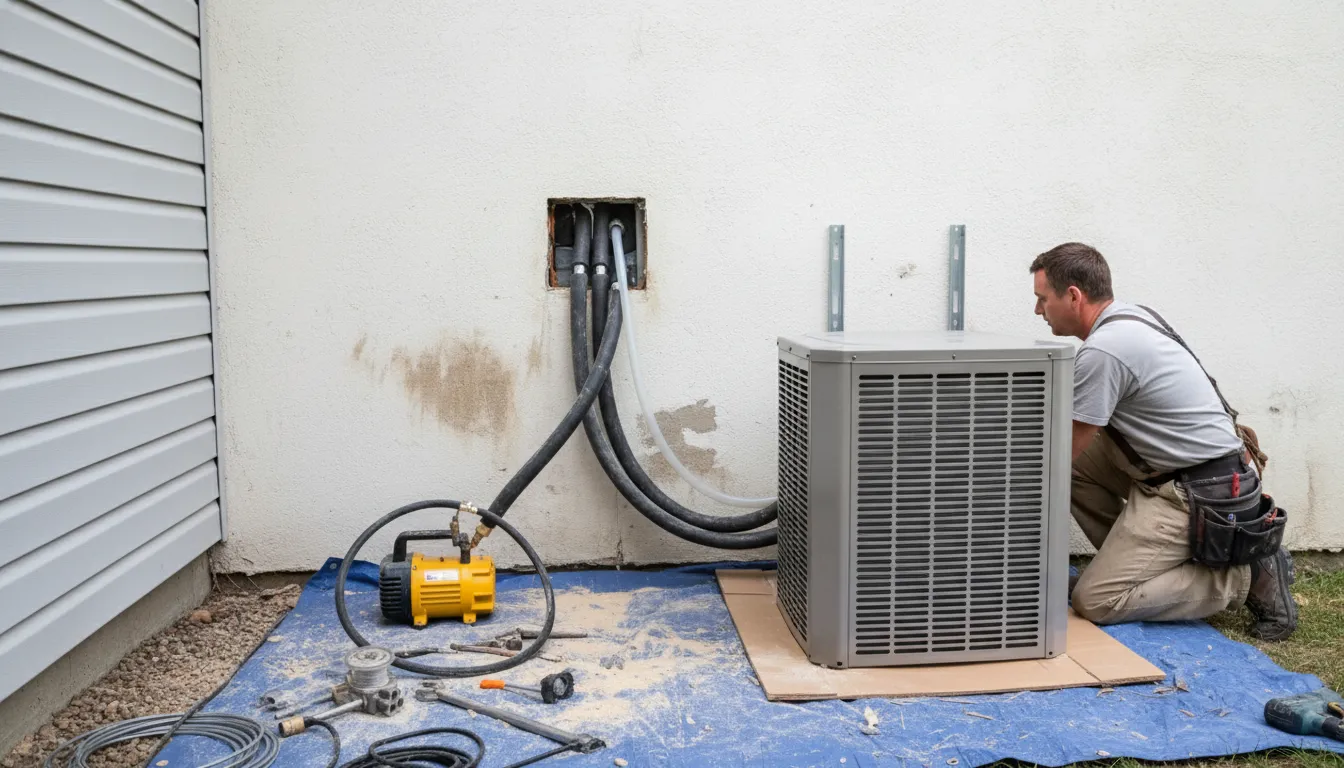
Find the Best Heat Pump Installation & Replacement Contractors for Your Business
No obligation • Fast responses • Nationwide coverage

Why you can trust HVAC Firms
HVAC Firms is a leading United States resource for evaluating HVAC service providers. Our team researches companies, checks credentials, and reviews customer feedback to present clear, unbiased information. Listings and rankings are based on merit, and companies cannot pay to change our editorial content.
Search providers near you
Top Heat Pump Installation & Replacement Contractors in New Orleans, Louisiana Ranked
Upgrading your home's climate control with a heat pump is a smart move for New Orleans residents. This versatile system provides both efficient heating and cooling from a single unit, making it ideal for our region's mild winters and hot, humid summers. Finding the right local professional for your heat pump project is key to ensuring optimal performance, energy savings, and long-term comfort in your home.
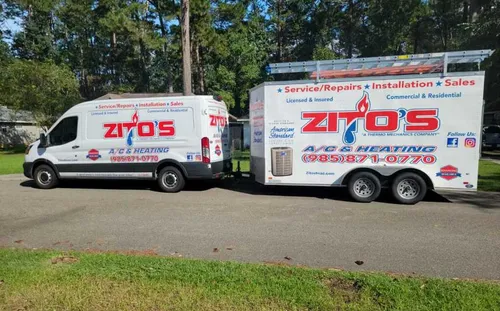
Zito's A/C & Heating
42697 Merchant Ct, Ponchatoula, LA 70454
Zito's A/C & Heating is a family-owned HVAC company serving New Orleans, LA, and surrounding parishes. With over 20 years of experience, they provide heating, cooling, and commercial refrigeration services including repair and installation of air conditioners, furnaces, and heat pumps. Their skilled technicians handle everything from quick repairs to full system installations, focusing on reliable solutions for homes and businesses.

Integrity Heating & Air, LLC.
10934 Jefferson Hwy, River Ridge, LA 70123
Integrity Heating & Air, LLC. is a locally owned HVAC company based in River Ridge, serving New Orleans, LA. They provide a range of services including air conditioning, furnace, and heat pump repair and installation, as well as HVAC tune-ups. The company understands the specific needs of the local climate and architecture, offering 24/7 availability for emergency and scheduled services. Integrity Heating & Air emphasizes straightforward and honest service with clear communication.
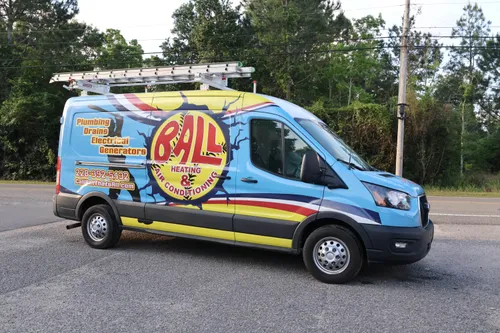
Ball Heating, Cooling, Plumbing & Electrical
8332 W Oaklawn Rd, Biloxi, MS 39532
Ball Heating, Cooling, Plumbing & Electrical is a home services company based near Biloxi, MS, serving the needs of the subtropical Gulf Coast region. They provide a range of HVAC services including air conditioning, furnace, and heat pump repair and installation, along with plumbing and electrical services. With over 25 years of experience, the company is familiar with the challenges posed by the area's intense humidity and temperature fluctuations. Their team uses specialized tools and expertise to address heating and cooling needs while ensuring safety and reliability in plumbing and electrical systems.
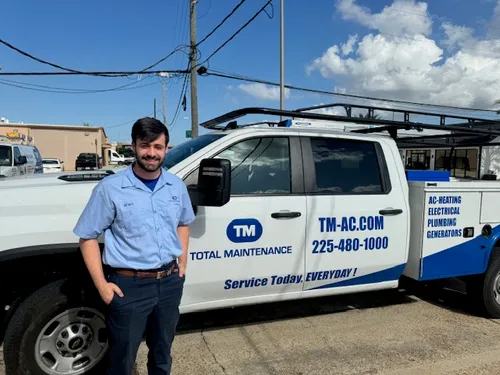
Total Maintenance of Southern Louisiana
5801 Plauche St, Harahan, LA 70123
Total Maintenance of Southern Louisiana is an HVAC, plumbing, and electrical service provider based in New Orleans, LA. Serving Southern Louisiana since 1980, they offer installation, repair, and maintenance for air conditioners, furnaces, heat pumps, ductless systems, and indoor air quality products. As a Carrier Factory Authorized Dealer with NATE-certified technicians, they handle all makes and models and specialize in solutions for older homes and renovations. Their capabilities include duct cleaning and sealing, and they provide same-day emergency service throughout the greater New Orleans area, including Kenner, Metairie, and Baton Rouge.
Palombo Air Conditioning
1904 Engineers Rd, Belle Chasse, LA 70037
Palombo Air Conditioning is a family-owned HVAC contractor serving New Orleans, LA, and surrounding areas including Baton Rouge. They provide residential and light commercial HVAC services such as air conditioning, furnace, heat pump, and ductless mini-split installation, repair, and maintenance. The company carries and installs top HVAC products and offers indoor air quality solutions. Their technicians are NATE-certified and trained to service all major HVAC brands.
Why a Heat Pump is Ideal for New Orleans
New Orleans' climate is uniquely suited for heat pump technology. Unlike in northern states, our winters are relatively mild, which is where air-source heat pumps operate at peak efficiency. These systems work by transferring heat-moving it indoors during winter and outdoors during summer. This process is far more energy-efficient than generating heat through combustion, as with a traditional furnace. For the long, humid summers, a properly sized heat pump acts as a powerful, efficient air conditioner with built-in dehumidification capabilities, which is essential for maintaining comfort and preventing mold growth in our subtropical environment 1.
The primary advantage is year-round comfort from one system, eliminating the need for separate heating and cooling units. This can simplify maintenance and reduce the physical footprint of your HVAC equipment. For many homes in historic districts or with limited space, this consolidation is a significant benefit.
Types of Heat Pump Systems
Not all heat pumps are the same. The right choice depends on your home's existing infrastructure, your budget, and your specific comfort goals.
Air-Source Heat Pumps (ASHPs): This is the most common and cost-effective type for our area. An ASHP extracts heat from the outside air (even in cool weather) to warm your home and reverses the process to cool it. Modern models are highly efficient and perform exceptionally well in the New Orleans climate. They are typically installed as a "split system" with an outdoor condenser unit and an indoor air handler.
Ductless Mini-Split Heat Pumps: Perfect for homes without existing ductwork, such as many older New Orleans shotguns or additions. These systems consist of an outdoor unit connected to one or more quiet, wall-mounted indoor units. They offer "zoning," allowing you to control the temperature in individual rooms, which can lead to substantial energy savings.
Geothermal Heat Pumps (Ground-Source): These offer the highest efficiency and lowest operating costs by exchanging heat with the stable temperature of the earth. While incredibly effective, they involve a significant upfront investment due to the need to install ground loops, which require ample yard space for excavation2 3. They are less common in densely packed urban lots but can be a great option where feasible.
Understanding Efficiency Ratings: SEER2 and HSPF2
When comparing heat pump options, you'll encounter two key efficiency metrics. Understanding these will help you evaluate long-term operating costs and potential rebates.
- SEER2 (Seasonal Energy Efficiency Ratio): Measures cooling efficiency. The higher the number, the more efficient the unit is at cooling. For New Orleans, where air conditioning runs for much of the year, a high SEER2 rating is crucial for keeping electricity bills in check. Look for models with a SEER2 of 14 or higher.
- HSPF2 (Heating Seasonal Performance Factor): Measures heating efficiency. Since our heating season is shorter, this rating is still important but slightly less critical than SEER2. A high HSPF2 indicates the unit uses less electricity to produce heat. For high efficiency and to qualify for many incentives, look for an HSPF2 greater than 8, with models reaching 10+ being top-tier 4 5 6.
Investing in a unit with superior ratings may have a higher initial cost but will pay dividends through lower monthly utility bills for years to come.
Key Cost Factors for Installation
The total cost of a heat pump installation in New Orleans is rarely just the price of the unit itself. Several local and home-specific factors significantly influence the final investment.
System Type and Capacity: As outlined, a standard air-source system has a different price point than a multi-zone ductless or geothermal system. Furthermore, the size (measured in tons) must be correctly calculated for your home's square footage, insulation, and window exposure. An oversized or undersized unit will perform poorly7.
Home Infrastructure Readiness:
- Ductwork: If you're installing a ducted system, existing ductwork must be inspected. Leaky, poorly insulated, or undersized ducts in our attics can drastically reduce system efficiency. Repairing or replacing ductwork can add $2,000 to $7,500 or more to the project8.
- Electrical Service: Modern heat pumps may require a 240-volt circuit. Older homes may need an electrical panel upgrade to handle the new load, which can cost between $1,500 and $5,000+9 10 11.
Installation Complexity: Labor costs vary. Installations in tight, difficult-to-access attics or crawlspaces common in local architecture require more time and expertise. The experience and licensing of the installer also factor into labor rates.
Find the perfect heat pump installation & replacement contractors for your needs
Get personalized recommendations and expert advice
Navigating Incentives and Rebates
To offset the upfront cost, it's essential to research available financial incentives. Federal tax credits for high-efficiency residential energy property are often available. Louisiana or local utility companies may also offer rebates for installing ENERGY STAR® certified heat pumps with high SEER2 and HSPF2 ratings. A qualified local installer should be up-to-date on these programs and can help you understand which ones you may qualify for, effectively reducing your net investment.
The Importance of Professional Sizing and Installation
Perhaps the most critical step in your heat pump project is the initial load calculation and the quality of the installation. A "Manual J" calculation is the industry standard for determining the precise heating and cooling needs of your home. Guessing or using rough "rules of thumb" often leads to an improperly sized system-a costly mistake that affects comfort, humidity control, efficiency, and system lifespan12 13.
Professional installation ensures the refrigerant circuit is properly sealed and charged, the electrical connections are safe and to code, and the system is calibrated for optimal airflow and dehumidification. This is not a DIY project; proper installation is what allows you to realize the full efficiency and durability promised by the equipment's ratings.
Long-Term Benefits for Your Home
Beyond immediate comfort, a new heat pump installation offers several long-term advantages:
- Increased Energy Savings: Replacing an old, inefficient AC and furnace with a modern heat pump can significantly reduce your annual energy consumption.
- Improved Indoor Air Quality: Many systems come with advanced filtration options, and proper dehumidification inhibits mold and mildew growth.
- Reduced Carbon Footprint: By using electricity more efficiently and potentially leveraging a cleaner grid, you're choosing a more environmentally friendly heating and cooling solution.
- Enhanced Home Value: An efficient, modern HVAC system is an attractive feature for potential future buyers.
Frequently asked questions
Sources
Footnotes
-
Heat Pumps | Installation & Repairs | New Orleans, LA - https://precisecomfort.net/residential/heat-pumps/ ↩
-
Heat Pump Price Guides - Heat Pump Prices and Replacement Costs - https://heatpumppriceguides.com/ ↩
-
Heat Pump Installation in New Orleans, LA - Keefe's - https://www.keefes.com/heating/heat-pump-installation/ ↩
-
Heat Pump Repair & Install - Baton Rouge & New Orleans - https://www.accutempbr.com/heating/heat-pumps/ ↩
-
New Orleans Heat Pump Services | NOLA Heat Pump Installation - https://www.natalsairconditioning.com/hvac/air-conditioning/heat-pumps ↩
-
Heat Pump Installation & Repairs | New Orleans, LA - https://www.bryansunited.com/services/heat-pumps/ ↩
-
Heat Pump Cost Analysis: What To Expect & How It's Determined - https://clinesairconditioning.com/heat-pump-cost/ ↩
-
Choosing the Right Heating System for Louisiana's Climate - https://nicksac.com/types-of-heating-systems-for-louisiana/ ↩
-
2026 Heat Pump Cost Guide: Purchase, Installation & Repair - Carrier - https://www.carrier.com/residential/en/us/products/heat-pumps/how-much-does-a-heat-pump-cost/ ↩
-
How much does it cost for a heat pump - Comfort Temp - https://comforttemp.com/how-much-does-it-cost-for-a-heat-pump/ ↩
-
How Much Do Heat Pumps Cost? (2024 Price Estimate Guide) - https://jarboes.com/knowledge-center/how-much-do-heat-pumps-cost/ ↩
-
New Orleans Heat Pump Installation: Air It Up - Get Service! - https://airitupnola.com/hvac/new-orleans-la/heat-pump-installation/ ↩
-
HVAC Installation in New Orleans, LA - Climate Tamers - https://climatetamers.com/hvac/hvac-installation-new-orleans-la ↩