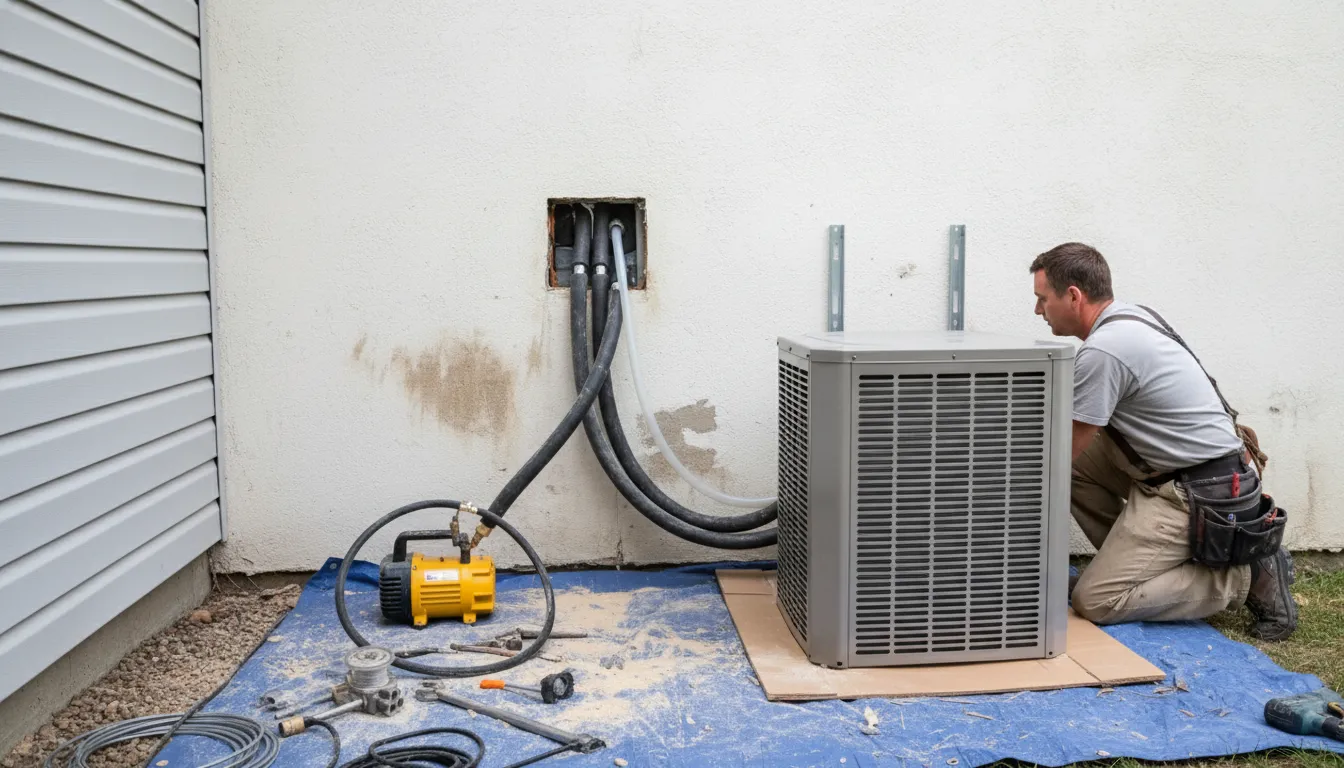
Find the Best Heat Pump Installation & Replacement Contractors for Your Business
No obligation • Fast responses • Nationwide coverage

Why you can trust HVAC Firms
HVAC Firms is a leading United States resource for evaluating HVAC service providers. Our team researches companies, checks credentials, and reviews customer feedback to present clear, unbiased information. Listings and rankings are based on merit, and companies cannot pay to change our editorial content.
Search providers near you
Top Heat Pump Installation & Replacement Contractors in South Fulton, Georgia Ranked
Upgrading your home's heating and cooling system with a heat pump is a smart investment in year-round comfort and energy savings. For South Fulton residents, these systems are particularly well-suited, offering efficient climate control during our hot, humid summers and mild winters. This guide will help you understand your options, from system types and efficiency ratings to local climate considerations and financial incentives, so you can make an informed decision for your home.
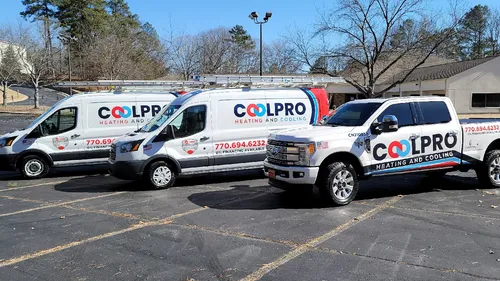
Coolpro Heating and Cooling
161 Austin Ave NE, Marietta, GA 30060
Coolpro Heating and Cooling provides residential and commercial HVAC services in Atlanta, GA. They offer repair, installation, and tune-up services for air conditioners, furnaces, heat pumps, and full HVAC systems. The company services all makes and models and emphasizes energy-efficient solutions to help manage comfort and reduce energy use. With over 30 years of experience, Coolpro serves Cobb, Cherokee, Paulding counties, and the Atlanta area, focusing on reliable heating and cooling solutions.

Summit
51 Austin Ave NE, Marietta, GA 30060
Summit is an HVAC company serving Atlanta, GA, specializing in repair, installation, and maintenance of air conditioning, furnaces, heat pumps, and HVAC systems. They focus on diagnosing and fixing issues to extend system life before recommending replacements. Operating since 2015, Summit serves the local community with timely appointments and personalized service.

Self Brothers Heating & Cooling
1700 Cumberland Point Dr UNIT 14, Marietta, GA 30067
Self Brothers Heating & Cooling is an HVAC company serving Atlanta, GA, and the surrounding Metro Atlanta area. Since 2000, this family-owned business has provided heating and cooling services including AC repair and installation, furnace repair and installation, heat pump services, indoor air quality solutions, and HVAC maintenance. Their factory-trained team offers clear pricing and a protection plan for ongoing energy savings and priority service, emphasizing local community roots and personalized care.
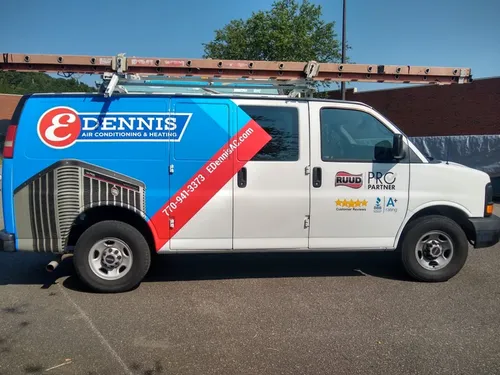
E. Dennis Heating, Cooling, Plumbing & Electrical
425 Franklin Gateway SE # 530, Marietta, GA 30067
E. Dennis Heating, Cooling, Plumbing & Electrical is a home service provider based in Atlanta, GA, offering a wide range of plumbing, electrical, and HVAC services. With over 30 years of experience, they serve customers throughout Georgia, providing heating and cooling system repairs, installations, indoor air quality solutions, and electrical work. Their certified technicians are available 24/7 to assist with emergencies and routine maintenance. One notable capability is their comprehensive HVAC service, including air conditioning and furnace repair and installation, ensuring year-round comfort for clients.
Estes Services
3981 Tradeport Blvd, Atlanta, GA 30354
Estes Services is a family-owned HVAC, plumbing, and electrical company serving Atlanta, GA. With over 75 years of experience, they provide heating and cooling system installation, repair, and maintenance for homes and businesses. Their certified technicians work on furnaces, heat pumps, air conditioners, ductless mini-splits, and indoor air quality systems. Estes Services is a Carrier Factory Authorized Dealer, offering high-quality HVAC products and expert commercial and residential services. They also provide plumbing and electrical solutions, including water heater installation and electrical panel replacement.
Understanding Heat Pump Systems
A heat pump is a versatile piece of HVAC equipment that provides both heating and cooling by moving heat from one place to another. In the summer, it extracts heat from inside your home and releases it outdoors. In the winter, the process reverses, pulling heat energy from the outside air-even when it's cold-and transferring it indoors. This technology is far more efficient than generating heat through combustion or electric resistance.
For homeowners in South Fulton, this means a single system can handle most of your temperature control needs. The primary benefit is significant energy savings, as moving heat uses less electricity than creating it. Modern units are designed to operate effectively in Georgia's climate, providing reliable comfort throughout the year.
Common Types of Heat Pumps
Not all heat pump installations are the same. The right system for your home depends on its existing infrastructure and your specific comfort goals. Here are the most common configurations available:
- Air-Source Heat Pump (Ducted): This is the most common type for homes with existing ductwork. It uses a single outdoor unit connected to an indoor air handler, distributing conditioned air through your home's vents. It's a straightforward replacement for a traditional central air conditioner and furnace combo.
- Ductless Mini-Split System: Ideal for homes without ducts, for room additions, or for creating "zones" with independent temperature control. A single outdoor condenser can connect to multiple indoor wall-mounted units. Mini-splits offer excellent efficiency and superior dehumidification, a key advantage during a South Fulton summer.
- Dual-Fuel or Hybrid System: This setup pairs an air-source heat pump with a gas furnace. The heat pump handles heating during milder weather, while the furnace takes over during rare, deeper cold snaps. This can optimize operating costs, though the need for auxiliary heat is less frequent in our region.
- Geothermal Heat Pump: Also called a ground-source heat pump, this is the most efficient type, exchanging heat with the ground. While it offers the lowest operating costs, the higher upfront installation cost and need for significant yard space make it less common for standard residential retrofits in South Fulton 1.
Efficiency Ratings: SEER2, HSPF2, and ENERGY STAR
When comparing heat pump units, you'll encounter specific efficiency metrics. Understanding these ratings is crucial for estimating long-term energy savings and qualifying for rebates.
- SEER2 (Seasonal Energy Efficiency Ratio 2): Measures cooling efficiency. The higher the SEER2 number, the more efficient the unit is at cooling your home. For our hot summers, opting for a higher SEER2 rating can lead to substantial savings on your electric bill.
- HSPF2 (Heating Seasonal Performance Factor 2): Measures heating efficiency. A higher HSPF2 indicates better performance in heating mode. Given our mild winters, a good HSPF2 ensures the unit heats your home effectively without relying heavily on less efficient backup electric heat strips.
- Minimum Standards: As of 2025, new central heat pumps must meet minimum ratings of SEER2 ≥ 15.0 and HSPF2 ≥ 7.5 in the South.
- ENERGY STAR Certification: Models that earn the ENERGY STAR label meet strict efficiency guidelines set by the EPA. Choosing an ENERGY STAR certified heat pump is often a prerequisite for federal tax credits and other incentives, making it a financially savvy choice.
Why Heat Pumps Are Ideal for South Fulton's Climate
The local climate in Metro Atlanta is a perfect match for heat pump technology. Our weather patterns allow these systems to operate at peak efficiency for the majority of the year.
- Mild Winters: Heat pumps are extremely efficient at providing heat when outdoor temperatures are above freezing, which covers most of our winter season. This can lead to much lower heating costs compared to standard electric resistance heat or even propane systems 2.
- Hot, Humid Summers: A heat pump functions identically to a high-efficiency air conditioner in cooling mode. Units with high SEER2 ratings excel at removing heat and humidity from your home, keeping you comfortable during long summers. Ductless mini-splits are especially effective at controlling humidity levels 3.
- Year-Round Utility: Installing a single heat pump system simplifies your home maintenance by replacing both your air conditioner and your primary heating system. This one-piece of equipment handles your core comfort needs efficiently across all seasons.
Find the perfect heat pump installation & replacement contractors for your needs
Get personalized recommendations and expert advice
Cost Considerations and Financial Incentives
Investing in a new heat pump is a significant home upgrade, but understanding the cost breakdown and available savings can make the decision clearer.
Upfront Installation Costs
The total cost for a new heat pump installation in the South Fulton area can vary widely based on several factors:
- System Type and Size: A properly sized unit (measured in tons) for your home's square footage and layout is critical.
- Efficiency Rating: Higher-efficiency models (with higher SEER2 and HSPF2) have a higher purchase price but lower operating costs.
- Existing Infrastructure: Installing a ducted system where ductwork already exists is less expensive than installing a new multi-zone ductless system or modifying old ducts.
- Labor and Complexity: The contractor's expertise, the difficulty of the installation, and any necessary electrical upgrades affect the final price.
For a full system replacement in our area, homeowners can expect a general range of $8,000 to $15,000 or more. It's essential to get detailed, written estimates from multiple contractors to compare not just price, but the proposed equipment, scope of work, and warranties.
Long-Term Savings and Rebates
The initial investment is offset by ongoing savings and potential incentives:
- Energy Bill Savings: By upgrading to a high-efficiency heat pump, homeowners may save up to $300 or more annually on their energy bills compared to older, less efficient systems 4 5.
- Federal Tax Credits: The federal government offers a tax credit for qualified energy-efficient home improvements. You may be eligible for a credit of up to $2,000 for installing an ENERGY STAR certified heat pump that meets specific efficiency requirements 6 7. Always consult with a tax professional to understand your eligibility.
- Increased Home Value: A modern, efficient HVAC system is an attractive feature for potential buyers, often adding value to your property.
Choosing a Qualified Installation Professional
The quality of the installation is just as important as the quality of the equipment itself. A poor installation can drastically reduce efficiency, lifespan, and comfort. For a project of this importance, selecting the right contractor is key.
Look for local, licensed, and insured professionals with specific experience in heat pump installations. Certifications from organizations like NATE (North American Technician Excellence) indicate a higher level of technician training and expertise. A reputable contractor will perform a detailed load calculation (Manual J) to correctly size your system, provide a clear and comprehensive quote, explain your options without high-pressure sales tactics, and offer strong warranties on both parts and labor.
Be wary of quotes that seem unusually low, as they may indicate subpar equipment, improper sizing, or the use of uncertified labor. Remember the "$5,000 Rule" as a helpful guideline: if the cost of repair multiplied by the age of your system (in years) exceeds $5,000, replacement is often the more economical long-term choice 8.
Frequently asked questions
Sources
Footnotes
-
Understanding Heat Pump Efficiency and Ratings - Carrier - https://www.carrier.com/residential/en/us/products/heat-pumps/heat-pump-efficiency/ ↩
-
South Georgia Heating and Cooling, Heat Pumps - https://www.southgeorgiaheatingandcooling.com/products/heat-pumps/ ↩
-
Why Atlanta Homeowners Are Upgrading to High-Efficiency HVAC Before Summer Hits - https://www.acdirect.com/blog/atlanta-homeowners-high-efficiency-hvac-upgrades/ ↩
-
How Much Does it Cost to Install a Heat Pump in Atlanta, GA - https://www.coolray.com/help-guides/how-much-does-it-cost-to-install-a-heat-pump-in-atlanta-ga ↩
-
Heat Pump Cost - How Much to Budget for Your Project in 2025? - https://renoquotes.com/en/blog/cost-installation-heat-pump ↩
-
How much does it cost for a heat pump - https://comforttemp.com/how-much-does-it-cost-for-a-heat-pump/ ↩
-
Heat Pump Installation & Replacement | Reliable Heating & Air - https://reliableair.com/heating/heat-pump-install ↩
-
The $5,000 HVAC Rule | Repair or Replace Your HVAC? - https://www.myqualitycomfort.com/tips-tricks/5000-rule-hvac/ ↩