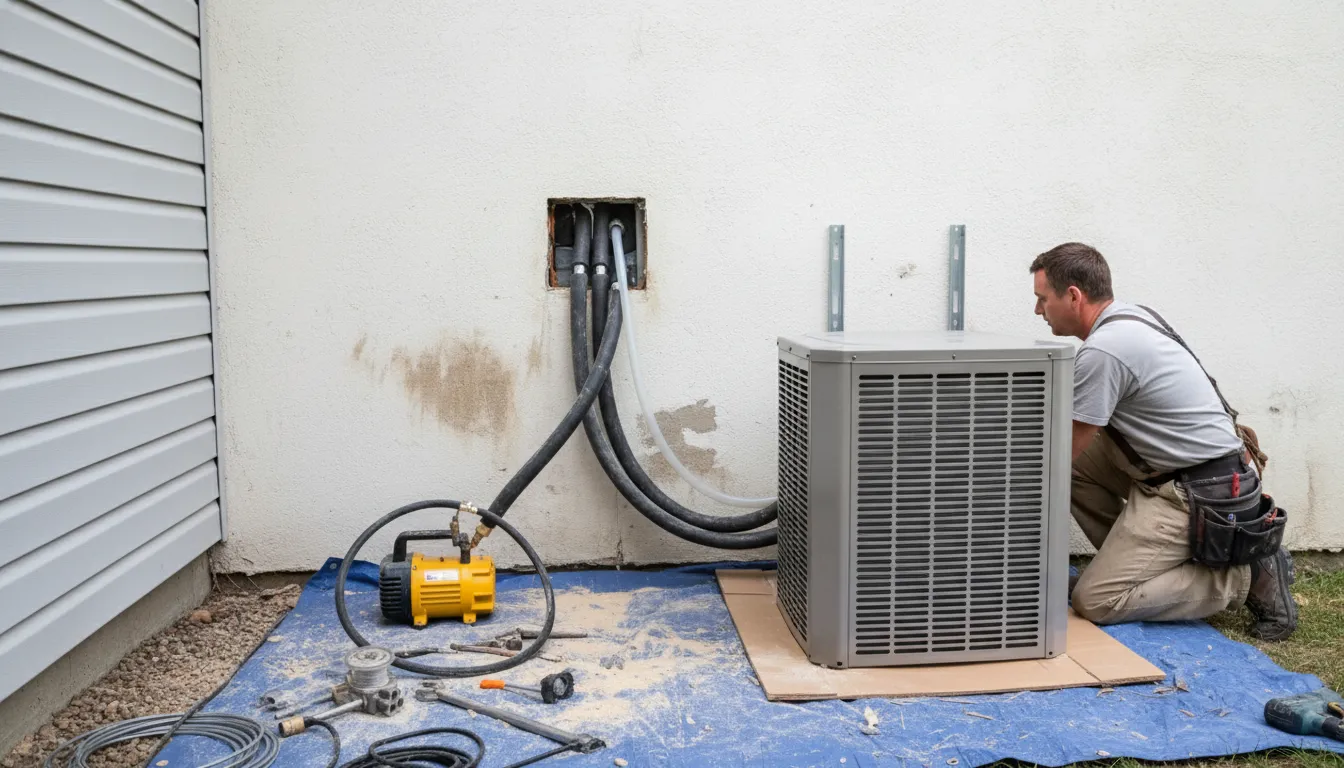
Find the Best Heat Pump Installation & Replacement Contractors for Your Business
No obligation • Fast responses • Nationwide coverage

Why you can trust HVAC Firms
HVAC Firms is a leading United States resource for evaluating HVAC service providers. Our team researches companies, checks credentials, and reviews customer feedback to present clear, unbiased information. Listings and rankings are based on merit, and companies cannot pay to change our editorial content.
Search providers near you
Top Heat Pump Installation & Replacement Contractors in Tampa, Florida Ranked
A heat pump is an efficient, all-in-one system for both cooling and heating your Tampa home. In our climate, where mild winters follow long, humid summers, a properly sized and installed heat pump can provide year-round comfort and significant energy savings compared to traditional systems. This guide will help you understand the types of heat pumps available, key considerations for our unique environment, and how to find qualified local professionals for your installation or replacement project.
L&R Air Conditioning and Refrigeration Inc
1030 Chelsea Ln, Holiday, FL 34691
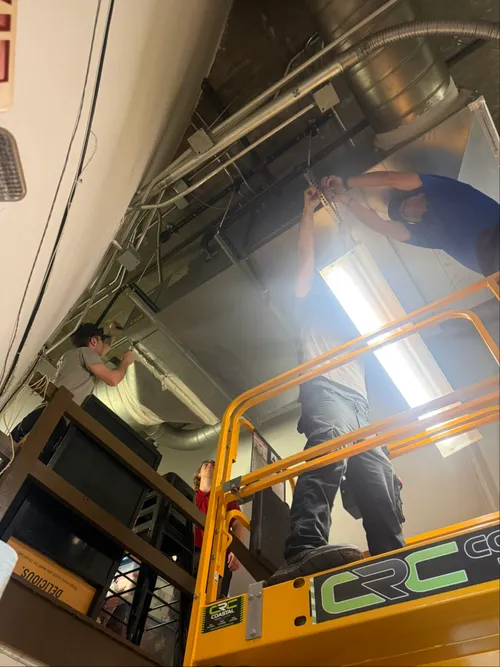
L&R Air Conditioning and Refrigeration Inc is a family-owned HVAC company serving Tampa, FL, and surrounding counties including Pasco, Hillsborough, and Pinellas. They provide a wide range of services such as air conditioning, heating, ventilation, refrigeration repair and installation, duct cleaning, and indoor air quality evaluation. The company is equipped to handle commercial refrigeration needs and offers specialized services like ductless split system installation and programmable thermostat setup. They are available 24/7 for emergency service and emphasize repair over replacement when possible to provide clear options to customers.
SUPREME AIR & HEAT , LLC
407 3rd Ave NE, Largo, FL 33770
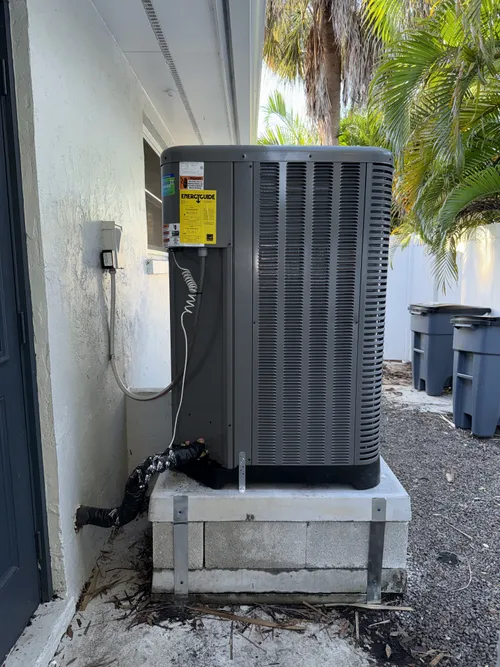
SUPREME AIR & HEAT, LLC is an HVAC company serving St Petersburg, FL, specializing in the installation, maintenance, and repair of air conditioning systems, heat pumps, mini-splits, and packaged units. Their certified and insured technicians handle a wide range of AC brands and models, ensuring systems operate efficiently in the Florida climate. Founded over 10 years ago, this family-owned business has built a strong presence in Pinellas County, offering personalized solutions and reliable service to both residential and commercial customers.
Anytime Air, Inc.
1565 S Missouri Ave, Clearwater, FL 33756
Anytime Air, Inc. is an HVAC company based in St Petersburg, FL, offering a full range of heating and cooling services. They provide installation, repair, and maintenance for air conditioners, furnaces, heat pumps, boilers, and general HVAC systems. With over 10 years of experience, the team is skilled in working with all major equipment brands and focuses on applying advanced technology and best practices to meet customer needs.

The Service Pros AC Repair St Petersburg
1700 4th St S Unit C, St. Petersburg, FL 33701
The Service Pros AC Repair St Petersburg is a licensed HVAC company serving St. Petersburg, FL, and the surrounding Tampa Bay area. They offer a range of services including air conditioning repair, installation of AC units, heat pumps, and mini splits, as well as HVAC tune-ups, duct cleaning, and indoor air quality solutions. The company is known for its expertise in diagnosing and repairing AC systems efficiently, including specialized services like condensation pump installation and drainage line adjustments. Founded by Lamar Werts, The Service Pros emphasize clear communication, transparent pricing, and customer education. They provide 24/7 emergency service to address urgent HVAC needs promptly.
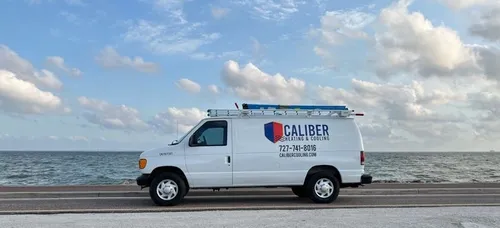
Caliber Heating & Cooling LLC
4745 126th Ave N STE 56, Clearwater, FL 33762
Caliber Heating & Cooling LLC is a family-owned HVAC company serving St Petersburg, FL, and the surrounding Pinellas County area. With over 10 years of experience, they provide a full range of heating and cooling services including installation, repair, and maintenance for air conditioners, furnaces, heat pumps, mini split systems, and smart thermostats. Their licensed technicians also specialize in indoor air quality solutions such as UV air purification and whole house air filtration systems. The company emphasizes compliance with local codes and uses premium materials to ensure reliable and efficient HVAC performance.
Why a Heat Pump is Ideal for Tampa Homes
For Tampa residents, the primary function of any HVAC system is managing heat and humidity. A modern air-source heat pump excels at both. It operates like a highly efficient air conditioner in the summer, removing heat and moisture from your home. In the winter, it reverses the process, extracting ambient heat from the outside air to warm your interior-a process that remains effective even during Florida's cooler nights. This dual capability eliminates the need for a separate furnace, making it a streamlined solution. Given our extended cooling season, the efficiency gains from a high-performance heat pump can translate to substantial reductions in monthly utility bills.
Types of Heat Pump Systems
Not all heat pumps are the same. The right choice depends on your home's layout, existing infrastructure, and comfort goals.
Air-Source Split Systems
This is the most common type of heat pump installation in Tampa. It consists of an outdoor unit (condenser) and an indoor unit (air handler), connected by refrigerant lines. If your home already has functional ductwork, a split system is often the most straightforward replacement for an old central AC and furnace. These systems are versatile, widely available, and come in a broad range of efficiencies.
Ductless Mini-Split Systems
Ductless mini-splits are an excellent option for homes without existing ducts, for room additions, or for enhancing zoning control. They feature a compact outdoor unit connected to one or more indoor air handlers mounted on walls or ceilings 1. This allows you to control the temperature in individual rooms or zones, preventing energy waste in unoccupied spaces. They are particularly popular for cooling and heating sunrooms, garages converted into living spaces, or older historic homes where installing ducts is impractical.
Geothermal Heat Pumps
While offering the highest possible efficiency by leveraging the stable temperatures underground, geothermal systems are less common in Tampa due to their very high upfront installation costs and the suitability of our soil conditions 2 3. The excavation required for the ground loops makes this a major investment, though it can offer unparalleled long-term savings in the right application.
Key Performance Factors for Tampa's Climate
Selecting a heat pump isn't just about brand; it's about matching specifications to our local environmental challenges.
Efficiency Ratings (SEER2 & HSPF): Efficiency is paramount. For split-system heat pumps in Florida, the federal minimum standard is 14.3 SEER2 (Seasonal Energy Efficiency Ratio) 4. However, for a home in Tampa, a rating of 16 SEER2 or higher is strongly recommended to combat the relentless cooling demand 5. The higher the SEER2, the less electricity the system uses to cool your home. The Heating Seasonal Performance Factor (HSPF) measures heating efficiency, which is a secondary but still valuable consideration for our brief winter periods.
Dehumidification Capability: Tampa's high humidity is a major comfort factor. A properly sized, variable-speed heat pump provides superior dehumidification compared to a single-stage unit. By running at lower speeds for longer periods, it removes more moisture from the air, enhancing comfort without overcooling your home.
Corrosion Resistance: For homes in coastal areas or near the bay, salt air can accelerate corrosion on the outdoor condenser unit. Specifying a model with a corrosion-resistant coating or coil is a wise investment to protect the system's lifespan and performance 6.
Proper Sizing (Manual J Calculation): This is the most critical step. An oversized system will short-cycle (turn on and off frequently), failing to dehumidify properly and wearing out components prematurely. An undersized system will struggle to keep up on the hottest days. A reputable contractor will always perform an ACCA Manual J load calculation to determine the precise heating and cooling needs of your home, ensuring optimal performance and efficiency 7.
Find the perfect heat pump installation & replacement contractors for your needs
Get personalized recommendations and expert advice
Understanding Investment and Value
The cost of a heat pump installation or replacement in Tampa varies based on system type, capacity, efficiency, and the complexity of the installation.
Cost Ranges: For a full air-source split system replacement, homeowners can expect a general range of $8,000 to $15,000 or more 8 9 10. An entry-level, standard-efficiency system may fall between $8,000 and $11,000. Mid-range systems with better efficiency (16-18 SEER2) and features often cost between $11,500 and $15,000. Premium, high-efficiency variable-speed systems with the best dehumidification and comfort controls typically start above $15,500 8 10. Ductless mini-split installations are usually priced per zone, with multi-zone systems representing a significant investment.
Factors Influencing Price:
- System Size (Tonnage): Determined by the load calculation.
- Efficiency Rating: Higher SEER2/HSPF systems command a premium.
- Brand and Model: Different manufacturers offer varying features and warranties.
- Ductwork Modifications: Repairing, replacing, or sealing existing ducts adds cost but is crucial for efficiency.
- Installation Complexity: Multi-story homes, difficult access, or electrical panel upgrades can affect the final price.
Long-Term Value: While the initial investment for a high-efficiency heat pump can be significant, it should be viewed through the lens of total cost of ownership. The energy savings over a 5-10 year period can offset the higher upfront cost, especially when combined with available rebates and tax credits 11. Furthermore, a precision installation by a qualified technician is just as important as the equipment itself, ensuring reliability, efficiency, and a longer system life.
The Installation Process: What to Expect
A professional heat pump installation is a multi-step process that should never be rushed.
- Consultation & Load Calculation: A thorough home evaluation, including a Manual J calculation, to recommend the right system size and type.
- Equipment Removal: Safe removal and environmentally responsible disposal of the old HVAC equipment.
- Preparation & Setup: This may involve preparing the pad for the outdoor unit, checking and modifying electrical connections, and inspecting/sealing ductwork.
- Precision Installation: Placement of the new indoor and outdoor units, connection of refrigerant lines, electrical wiring, and condensate drainage.
- System Startup & Testing: The technician will charge the system with refrigerant, start it up, and test all operations-including cooling, heating, airflow, and thermostat communication-to ensure everything is working within specified parameters.
- Customer Education: A final walkthrough to explain your new system's operation, maintenance needs, and warranty details.
Finding the Right Local Professional
Your choice of installer is critical. Look for a licensed, insured contractor with specific experience installing heat pumps in the Tampa Bay area. They should understand the local climate's demands on equipment and be able to provide references. Always get detailed, written estimates that include the model numbers, efficiency ratings, scope of work, and warranty terms from multiple companies before making a decision 12.
Frequently asked questions
Sources
Footnotes
-
Heat Pumps: A New Heating Installation That's Perfect for Tampa - https://www.acguyoftampa.com/blog/heating-service/heat-pumps-a-new-heating-installation-thats-perfect-for-tampa/ ↩
-
Energy-Efficient Heat Pumps: Choosing the Best System - https://www.acwarehouse.com/energy-efficient-heat-pumps/ ↩
-
Heat Pumps in Alaska - https://environmentamerica.org/alaska/center/resources/heat-pumps-in-alaska/ ↩
-
SEER Ratings: Choose the Most Efficient AC for Your Florida Home - https://bluewater-cooling.com/understanding-seer-ratings-choosing-the-most-efficient-ac-for-your-florida-home/ ↩
-
Do I Need a SEER 2 AC in Tampa? Florida HVAC Guide - https://www.rolandoshvac.com/blog/seer-2-ac-system-florida/ ↩
-
How to Choose the Right HVAC System for Florida Homes - https://inletfl.com/how-to-choose-the-right-hvac-system-for-florida-homes/ ↩
-
Heat Pump Installation in Lutz, Tampa & Land O' Lakes FL - https://www.dymondac.com/heating/heat-pump-installation/ ↩
-
Heat Pump Replacement Cost: 2025 Smart Savings - https://comforttemp.com/heat-pump-replacement-cost/ ↩ ↩2
-
Heat Pump Installation in Tampa, FL: Expert Services - 2025 - https://www.hvacrepairtampa.com/heat-pumps/heat-pump-installation-tampa-fl ↩
-
How Much Does a Heat Pump Cost? (2025 Pricing) - https://flacservices.com/how-much-does-a-heat-pump-cost-2025-pricing/ ↩ ↩2
-
HVAC Energy Efficiency Tampa: Cut Cooling Costs by 40% - https://prontoservicepros.com/blog/hvac-energy-efficiency-tampa-climate/ ↩
-
How much does it cost for a heat pump - Comfort Temp - https://comforttemp.com/how-much-does-it-cost-for-a-heat-pump/ ↩