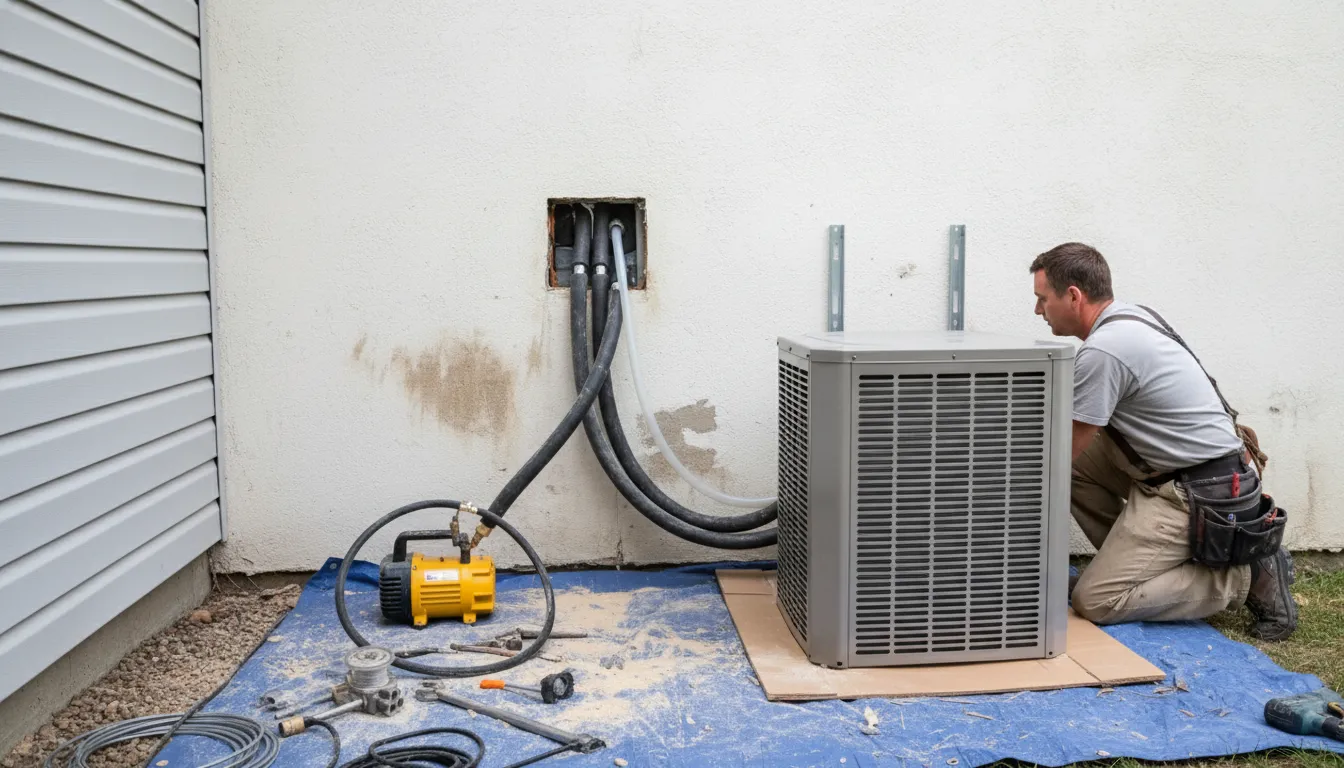
Find the Best Heat Pump Installation & Replacement Contractors for Your Business
No obligation • Fast responses • Nationwide coverage

Why you can trust HVAC Firms
HVAC Firms is a leading United States resource for evaluating HVAC service providers. Our team researches companies, checks credentials, and reviews customer feedback to present clear, unbiased information. Listings and rankings are based on merit, and companies cannot pay to change our editorial content.
Search providers near you
Top Heat Pump Installation & Replacement Contractors in Sunrise, Florida Ranked
Upgrading your home's climate control with a heat pump is a smart move for Sunrise residents. This versatile system provides both efficient cooling and heating, which is essential for managing Florida's long, hot summers and occasional cooler nights. Finding the right system and a qualified installer is key to maximizing your comfort and energy savings. This guide will help you understand your options and connect with local professionals who can assess your home and provide a tailored solution.
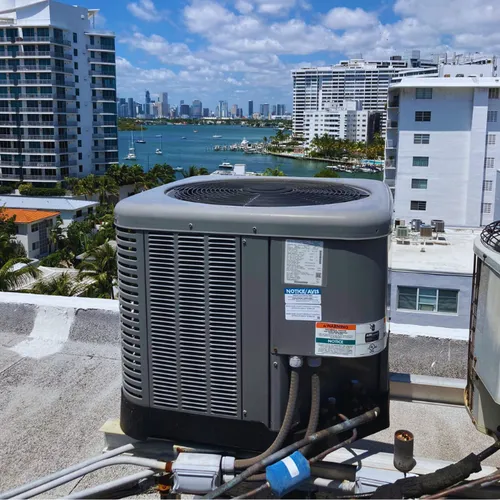
Florida Clean Air Plus
15251 NE 18th Ave Suite #3, North Miami Beach, FL 33162
Florida Clean Air Plus is an HVAC company based in Miami, FL, offering a wide range of heating and cooling services for both residential and commercial clients. Their services include AC repair, installation of new AC and heat pump systems, air duct cleaning, duct sealing, dryer vent cleaning, and thermostat installation. They emphasize improving indoor air quality and energy efficiency through thorough maintenance and cleaning. The company provides 24/7 emergency HVAC service, ensuring support whenever needed. Their certified technicians are experienced in handling all major HVAC brands and models, delivering precise installations and repairs with transparent, upfront quotes.
Keep Your Cool Air Quality and Maintenance
7209 NW 46th St, Miami, FL 33166
Keep Your Cool Air Quality and Maintenance is an HVAC contractor based in Miami, FL, specializing in air conditioning, furnace, and heat pump installation and maintenance for both commercial and residential clients. The company focuses on maintaining healthy indoor air quality by assessing and addressing microbes, bacteria, and allergens that can affect human and pet health. With over 20 years of experience, Keep Your Cool uses top brands and offers industry-leading warranties to ensure reliable HVAC system performance and comfort.
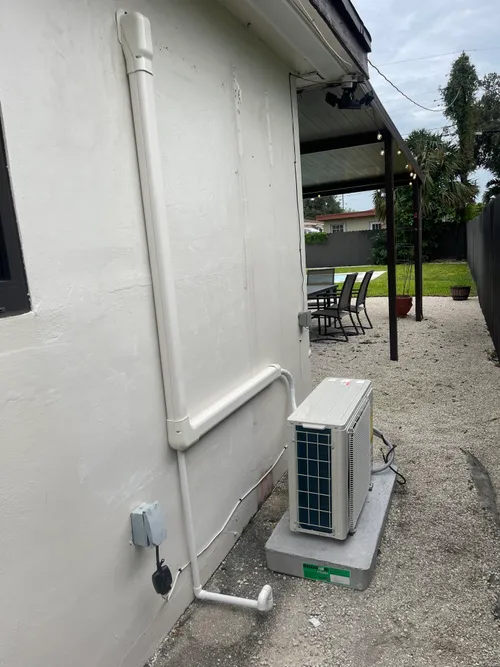
Colder of Miami Inc | AC Repair, Installation & Maintenance HVAC
3421 SW 32nd Ct, West Park, FL 33023
Colder of Miami Inc | AC Repair, Installation & Maintenance HVAC is an HVAC company serving Miami, FL, and the surrounding South Florida area. They provide a range of services including air conditioning repair and installation, furnace and heat pump repair and installation, HVAC maintenance, duct cleaning, and thermostat installation. The company is equipped to handle commercial HVAC needs as well, including rooftop units and restaurant refrigeration. With over 14 years of experience, Colder of Miami Inc offers 24/7 emergency AC repair service with a fast response time, ensuring customer comfort throughout the year.

Sunny Bliss Plumbing & Air
20257 NE 15th Ct, Miami, FL 33179
Sunny Bliss Plumbing & Air is a locally owned company serving Miami, FL, and nearby communities such as Pinecrest, Coral Gables, and Miami Beach. They provide a range of plumbing and HVAC services including air conditioning and heat pump installation, repair, and maintenance for residential and commercial customers. Their technicians handle emergency plumbing issues like clogs, leaks, and sewer line problems, as well as HVAC tune-ups and cleaning to ensure system efficiency. Sunny Bliss also offers preventative maintenance plans to help extend equipment life and reduce unexpected repairs. The company collaborates with sister companies specializing in construction and property management to provide comprehensive property solutions.
Air New Solutions
6410 NW 82nd Ave, Miami, FL 33166
Air New Solutions is a family-owned HVAC company serving Miami, FL, and the greater Miami area. They provide a range of services including air conditioning, furnace, heat pump installation and repair, as well as indoor air quality solutions. The company specializes in working with Daikin systems, offering expertise in advanced HVAC technologies and energy-efficient solutions. Founded six years ago by an experienced technician, Air New Solutions emphasizes transparency and informed decision-making for home comfort.
Understanding Heat Pumps for Florida Living
A heat pump is an all-in-one heating and cooling system that transfers heat rather than generating it. In the summer, it acts like an air conditioner, moving heat from inside your home to the outdoors. In the winter, the process reverses, extracting available heat from the outside air and bringing it inside. This technology is exceptionally efficient for our climate, as even on cooler Florida days, there's enough ambient heat in the air for the system to work effectively.
For Sunrise homeowners, this means one system handles year-round comfort. The primary benefit is energy efficiency; because it moves heat instead of creating it through combustion or electric resistance, a modern heat pump can use significantly less electricity than a traditional air conditioner paired with an electric furnace or strip heaters. This can translate to lower utility bills, especially during our dominant cooling season.
Types of Heat Pump Systems
Choosing the right type of system depends heavily on your home's existing infrastructure and your specific comfort goals.
Air-Source Heat Pumps (ASHPs): This is the most common and practical choice for Florida. ASHPs use the outdoor air as their heat exchange medium and are perfectly suited for our mild winters. They come in two main configurations:
- Ducted Central Systems: If your Sunrise home already has a functional and efficient ductwork system, a ducted heat pump is a straightforward replacement for a traditional AC and furnace. It uses the same vents to distribute conditioned air throughout the house. Installation typically involves replacing the outdoor condenser and the indoor air handler.
- Ductless Mini-Split Systems: These are ideal for homes without existing ducts, for room additions, or for creating "zones" with independent temperature control. A mini-split has a compact outdoor unit connected to one or more sleek, wall-mounted indoor units. They offer excellent efficiency and avoid the energy losses associated with ductwork 1.
Geothermal Heat Pumps: Also known as ground-source heat pumps, these are the most efficient type because they use the stable temperature of the earth for heat exchange. However, they involve significant upfront costs for trenching or drilling and are less common in Florida due to the high installation complexity and cost compared to the already strong performance of air-source models 2.
Key Efficiency Ratings: SEER, HSPF, and ENERGY STAR
When comparing systems, efficiency ratings are your guide to long-term performance and savings.
- SEER (Seasonal Energy Efficiency Ratio): This measures cooling efficiency. The higher the SEER, the less electricity it uses to cool your home. For Sunrise, where air conditioning runs for most of the year, a high SEER rating is crucial. Aim for a minimum of SEER 15, with models rated SEER 16 or higher offering substantial energy savings-sometimes up to 30% less energy than older, standard-efficiency models 3 4.
- HSPF (Heating Seasonal Performance Factor): This measures heating efficiency. While heating needs are lower in Florida, a good HSPF rating (8.2 or higher) still indicates better performance during our brief winter periods.
- Variable-Speed/Inverter Technology: This is a key feature to look for. Unlike single-speed compressors that simply turn on and off, an inverter-driven compressor can adjust its speed to match the exact cooling or heating demand. This results in more consistent temperatures, better humidity control, and quieter operation, all while using less energy 5.
- ENERGY STAR Certification: Models that earn the ENERGY STAR label meet strict efficiency guidelines set by the U.S. Environmental Protection Agency. Choosing an ENERGY STAR certified heat pump ensures you're getting a high-efficiency unit that will perform reliably.
Cost Considerations for Sunrise Homeowners
The investment in a heat pump system varies based on system type, capacity, and installation complexity.
- Ductless Mini-Split Systems: A single-zone system (one outdoor unit, one indoor head) typically ranges from $5,400 to $8,500 installed. Multi-zone systems, which can power several indoor units from one outdoor unit, can range from $10,000 to $25,000 or more, depending on the number of zones 6.
- Ducted Central Systems: For a full system replacement using existing ductwork, homeowners can expect costs between $8,000 and $20,000+. The final price depends on the home's size, the condition of the existing ducts, and the efficiency and features of the chosen unit 7.
- Full HVAC Replacement: If you are replacing an old air conditioner and furnace with a new heat pump system, including necessary updates to electrical or refrigerant lines, costs generally start around $7,000 - $12,000+ for a standard-efficiency system and increase for premium, high-efficiency models with advanced features 8 9.
Find the perfect heat pump installation & replacement contractors for your needs
Get personalized recommendations and expert advice
The Installation Process: What to Expect
A professional installation is just as important as the equipment you choose. A proper install ensures efficiency, reliability, and longevity. The process typically involves:
- Initial Consultation and Load Calculation: A reputable technician will perform a Manual J calculation to determine the precise heating and cooling capacity (in tons) your Sunrise home needs. An oversized or undersized system will lead to comfort issues and higher costs.
- System Selection and Quote: Based on the load calculation and your home's layout (existing ducts, electrical panel), the professional will recommend suitable systems and provide a detailed written quote.
- Preparation and Installation: This includes setting the outdoor unit on a stable pad, installing the indoor air handler or mini-split heads, connecting refrigerant and electrical lines, and integrating controls.
- Testing and Commissioning: The technician will test the system for proper refrigerant charge, airflow, and electrical operation. They will also ensure the thermostat is correctly programmed and explain the basic operation to you.
Why Getting Multiple Quotes is Essential
Given the significant investment and long-term impact on your home's comfort, it is highly recommended to obtain 3 to 5 detailed quotes from established local providers. This allows you to:
- Compare not just the bottom-line price, but the specific equipment models and efficiency ratings being proposed.
- Gauge the professionalism and expertise of different companies.
- Ensure the proposed system size is consistent across quotes, confirming an accurate load calculation was done.
- Understand the scope of work and warranty offerings.
Maintaining Your Heat Pump for Peak Performance
To protect your investment and maintain high efficiency, regular maintenance is key. This includes simple homeowner tasks like keeping the outdoor unit clear of debris, leaves, and vegetation, and changing the indoor air filter regularly. An annual professional tune-up is also recommended. During a service visit, a technician will clean coils, check refrigerant levels, inspect electrical components, and ensure the system is operating at its designed efficiency.
Frequently asked questions
Sources
Footnotes
-
Heat Pump Cost Analysis: What To Expect & How It's Determined - https://clinesairconditioning.com/heat-pump-cost/ ↩
-
Energy-Efficient Heat Pumps: Choosing the Best System - https://www.acwarehouse.com/energy-efficient-heat-pumps/ ↩
-
Heat Pumps in Florida: Benefits, Costs & Best Models - https://airrescueflorida.com/heat-pumps-florida/ ↩
-
Cost of Heat Pump and Installation: A Complete Guide - JNOD - https://www.jnodenergy.com/cost-of-heat-pump-and-installation-a-complete-guide/ ↩
-
How to Choose the Right HVAC System for Florida Homes - https://inletfl.com/how-to-choose-the-right-hvac-system-for-florida-homes/ ↩
-
Heat Pump Guide: Cost, Rebates, and Efficiency Explained - https://www.sumzeroenergysystems.com/blog/heat-pump-guide-cost-rebates-efficiency-explained ↩
-
How much does it cost for a heat pump - Comfort Temp - https://comforttemp.com/how-much-does-it-cost-for-a-heat-pump/ ↩
-
How Much Does It Cost to Replace an HVAC System in Florida? - https://premiercomfortac.com/how-much-does-it-cost-to-replace-an-hvac-system-in-florida/ ↩
-
Heat Pump vs AC: Which System Suits Florida Homes? - https://www.westfloridaair.com/blog/heat-pump-vs-ac-which-system-suits-florida-homes ↩