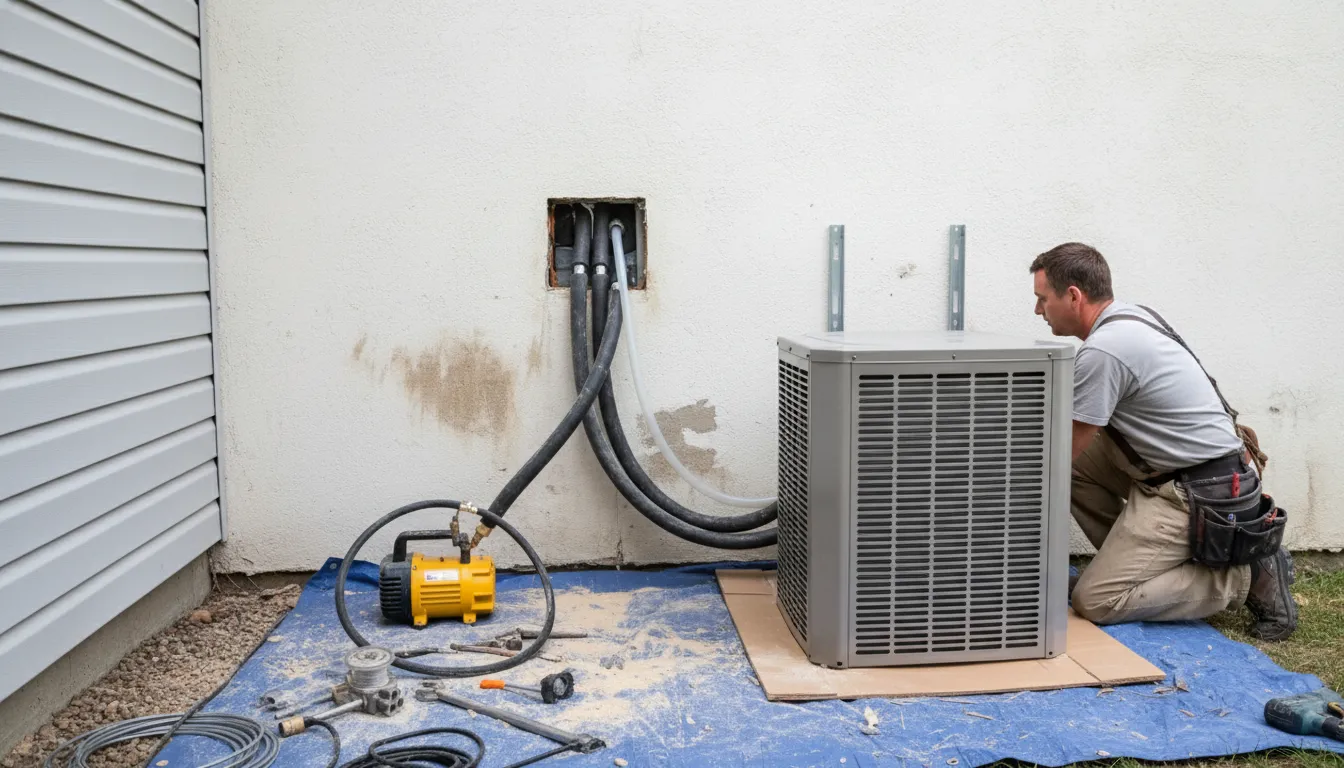
Find the Best Heat Pump Installation & Replacement Contractors for Your Business
No obligation • Fast responses • Nationwide coverage

Why you can trust HVAC Firms
HVAC Firms is a leading United States resource for evaluating HVAC service providers. Our team researches companies, checks credentials, and reviews customer feedback to present clear, unbiased information. Listings and rankings are based on merit, and companies cannot pay to change our editorial content.
Search providers near you
Top Heat Pump Installation & Replacement Contractors in Miami Beach, Florida Ranked
Living in Miami Beach means embracing a unique climate: endless sunshine, balmy breezes, and persistent humidity. For year-round comfort, your home's cooling and heating system is essential. Heat pumps have become a standout solution for South Florida homes, offering efficient cooling and supplemental heating in a single, versatile unit. This guide will help you understand the types of heat pump systems available, their benefits for our coastal environment, and key considerations for selecting and maintaining a unit to ensure lasting comfort and efficiency.
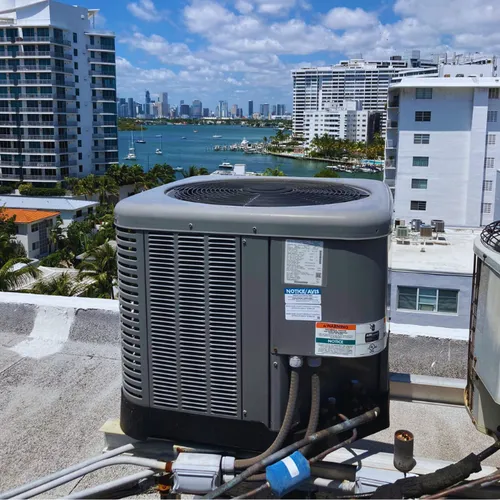
Florida Clean Air Plus
15251 NE 18th Ave Suite #3, North Miami Beach, FL 33162
Florida Clean Air Plus is an HVAC company based in Miami, FL, offering a wide range of heating and cooling services for both residential and commercial clients. Their services include AC repair, installation of new AC and heat pump systems, air duct cleaning, duct sealing, dryer vent cleaning, and thermostat installation. They emphasize improving indoor air quality and energy efficiency through thorough maintenance and cleaning. The company provides 24/7 emergency HVAC service, ensuring support whenever needed. Their certified technicians are experienced in handling all major HVAC brands and models, delivering precise installations and repairs with transparent, upfront quotes.
Island Breeze Air Conditioning, LLC
6831 SW 44th St APT 109, Miami, FL 33155
Island Breeze Air Conditioning, LLC is an HVAC company serving Miami, FL, specializing in heating and air conditioning system installation, repair, and maintenance. Their services include air conditioner, furnace, heat pump, and mini split system installation and repair, as well as thermostat installation and indoor air quality improvements. They offer 24/7 emergency repair services and provide service agreements for regular maintenance to extend system life and ensure reliable performance. The company also supplies a range of products such as air cleaners, humidifiers, UV lights, and zoning systems to enhance indoor environments.
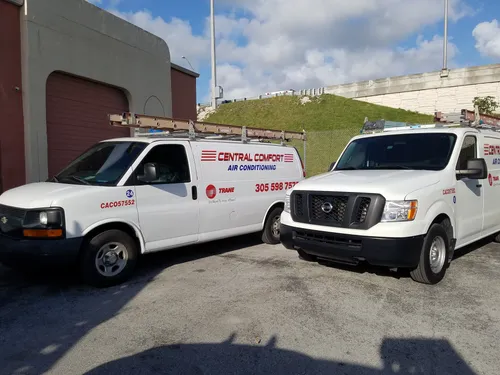
Central Comfort Air Conditioning
12320 SW 129th Ct, Miami, FL 33186
Central Comfort Air Conditioning is an HVAC company serving Miami, FL, and the surrounding Miami-Dade and Southern Broward areas. With over 29 years of experience, they provide residential and commercial heating and cooling services including installation, repair, and maintenance of air conditioners, furnaces, heat pumps, and mini-split systems. They also offer indoor air quality solutions such as duct cleaning and air purification. Their licensed technicians handle all makes and models, focusing on system efficiency and comfort. The company offers 24/7 phone support for scheduling and is accredited by the Better Business Bureau.
Keep Your Cool Air Quality and Maintenance
7209 NW 46th St, Miami, FL 33166
Keep Your Cool Air Quality and Maintenance is an HVAC contractor based in Miami, FL, specializing in air conditioning, furnace, and heat pump installation and maintenance for both commercial and residential clients. The company focuses on maintaining healthy indoor air quality by assessing and addressing microbes, bacteria, and allergens that can affect human and pet health. With over 20 years of experience, Keep Your Cool uses top brands and offers industry-leading warranties to ensure reliable HVAC system performance and comfort.

RCI Air Conditioning Company
16641 SW 117th Ave #10b, Miami, FL 33177
RCI Air Conditioning Company is a full-service HVAC provider based in Miami, FL. Established in 2010, the company offers air conditioning repair, heat pump service, installation of ductless HVAC systems, and indoor air quality solutions. Their team includes factory-trained technicians experienced with many HVAC brands and models. RCI Air Conditioning Company serves Miami and nearby communities such as Pinecrest, Coral Gables, Palmetto Bay, and Cutler Bay. They are a Trane Comfort Specialist dealer, emphasizing ongoing training and customer satisfaction. The company provides commercial and residential HVAC services, including preventive maintenance and equipment installation with a two-year labor warranty.
Why a Heat Pump is Ideal for Miami Beach
Unlike a standard air conditioner that only cools, a heat pump provides both cooling and heating by transferring heat rather than generating it. This makes it exceptionally energy-efficient, especially in our mild winters. For Miami Beach residents, the primary advantage is superior dehumidification during the long, humid cooling season. A properly sized and installed heat pump can significantly reduce indoor moisture levels, enhancing comfort and air quality 1. Furthermore, with high-efficiency models, you can achieve substantial energy savings on your utility bills, a crucial factor given our year-round cooling needs.
The coastal environment does present specific challenges. Salt air can accelerate corrosion on outdoor units, potentially shortening their lifespan compared to inland installations. This makes choosing a corrosion-resistant model and committing to regular maintenance critical to reaching a system's expected 10- to 13-year service life.
Types of Heat Pump Systems
There are several main types of heat pump systems, each suited to different home layouts and needs.
Central Ducted Heat Pumps
This is the most common type for homes with existing ductwork. A central ducted system replaces a traditional air conditioner and furnace, using the home's ducts to provide whole-house comfort. Brands like Bosch and Carrier offer high-efficiency models that integrate seamlessly with existing infrastructure 2. This is often the go-to choice for a complete system replacement.
Ductless Mini-Split Heat Pumps
For homes without ducts, room additions, or for creating independent temperature zones, ductless mini-splits are an excellent option. These systems consist of an outdoor compressor unit connected to one or more indoor air handlers mounted on walls or ceilings. They offer exceptional efficiency and precise zoning control, allowing you to cool or heat only the rooms you're using. Brands like Mitsubishi are known for their advanced "Hyper-Heating" models, which maintain efficiency even in cooler temperatures3.
Geothermal (Ground Source) Heat Pumps
While less common in dense, coastal urban areas like Miami Beach due to higher upfront costs and land requirements, geothermal systems are the pinnacle of efficiency. They use the stable temperature of the earth for heat exchange, offering unparalleled energy savings for both cooling and heating4. Their installation involves significant excavation for ground loops, making them a more substantial project.
Understanding Efficiency Ratings: SEER2 and HSPF
When comparing heat pumps, efficiency ratings are your most important metrics. They directly translate to energy consumption and cost savings.
- SEER2 (Seasonal Energy Efficiency Ratio 2): This measures cooling efficiency. The higher the SEER2 rating, the more efficient the unit is at cooling. In Miami Beach's hot climate, a high SEER2 rating is paramount for keeping energy bills in check. Modern high-efficiency models often exceed 18 SEER2 5.
- HSPF (Heating Seasonal Performance Factor): This measures heating efficiency. While heating needs are minimal here, a higher HSPF indicates better performance on the occasional cooler night. Look for units with a high HSPF rating for overall system versatility6.
- ENERGY STAR® Certification: Choosing an ENERGY STAR certified heat pump ensures it meets strict efficiency guidelines set by the U.S. Environmental Protection Agency. This not only guarantees lower operating costs but also often qualifies the installation for valuable federal tax credits.
Cost Considerations for Installation and Replacement
The cost of a new heat pump system in Miami Beach varies widely based on several factors. For a standard central ducted system replacement, homeowners can expect a range of approximately $8,000 to $15,000 or more7 8. Ductless mini-split systems can range from $4,000 to $10,000+ depending on the number of indoor zones9.
Key factors influencing the final price include:
- System Size and Capacity: Measured in tons, correctly sizing the unit for your home is critical for efficiency and comfort.
- Efficiency Rating: Higher SEER2/HSPF models typically have a higher upfront cost but offer greater long-term savings.
- Equipment Brand: Premium brands often command a higher price.
- Installation Complexity: The condition of existing ductwork, electrical upgrades needed, and the specific challenges of your property (e.g., multi-story home, coastal exposure) affect labor costs.
- Coastal Resilience: Units with special coatings or materials to resist salt spray may have a premium.
Find the perfect heat pump installation & replacement contractors for your needs
Get personalized recommendations and expert advice
Navigating the Coastal Climate
Miami Beach's salt air is a defining factor in HVAC system longevity. The moist, salty breeze can lead to faster corrosion of the outdoor condenser coil and other metal components. To combat this:
- Select Coastal-Rated Equipment: Many manufacturers offer units with special anti-corrosion treatments, such as coated coils and galvanized steel cabinets. Explicitly ask your contractor about models designed for coastal applications.
- Prioritize Maintenance: Regular professional maintenance is non-negotiable. A semi-annual check-up should include cleaning the coils, checking for early signs of corrosion, and ensuring all electrical connections are tight and protected. This proactive care is the best way to protect your investment and extend its life toward the upper end of its 10- to 13-year expectancy 10.
Rebates and Incentives
Investing in a high-efficiency heat pump can be offset by financial incentives. The federal government offers tax credits for qualified energy-efficient home improvements, which can include heat pump installations11 12. It's essential to consult with your tax advisor and ensure your chosen system and installer meet all program requirements. Occasionally, local utility companies may also offer rebates for upgrading to high-efficiency equipment.
Choosing a Local Professional
The quality of the installation is as important as the quality of the equipment itself. A poorly installed high-efficiency heat pump will not perform to its ratings. When seeking quotes:
- Get Multiple Estimates: Obtain at least three detailed written quotes from licensed, insured, and well-reviewed local HVAC contractors.
- Ask About Coastal Experience: Inquire specifically about their experience installing systems in Miami Beach and the barrier islands. They should understand the challenges of salt air and permitting processes.
- Request Detailed Proposals: Quotes should include the specific make and model of the equipment, the SEER2/HSPF ratings, a breakdown of all costs (equipment, labor, materials, permits), and a clear scope of work.
- Discuss Rebates: A knowledgeable contractor should be able to guide you on current federal tax credits and any local incentives for which you may qualify13.
Frequently asked questions
Sources
Footnotes
-
Is A Heat Pump Better Than An Air Conditioner For Florida Weather? - https://www.cooltoday.com/blog/is-a-heat-pump-better-than-an-air-conditioner-for-florida-weather ↩
-
Ducted Heat Pump HVAC Systems - https://www.cleanenergyconnection.org/service/ducted-heat-pump-systems ↩
-
HVAC Heat Pump Systems - SCE - https://www.sce.com/factsheet/HVACHeatPumpSystems ↩
-
Ground Source Heat Pump Application in Tropical Countries - https://pangea.stanford.edu/ERE/pdf/IGAstandard/SGW/2019/Widiatmojo.pdf ↩
-
How Much Does a Heat Pump Cost? (2025 Pricing) - https://flacservices.com/how-much-does-a-heat-pump-cost-2025-pricing/ ↩
-
Understanding Heat Pump Efficiency and Ratings - Carrier - https://www.carrier.com/residential/en/us/products/heat-pumps/heat-pump-efficiency/ ↩
-
Heat Pump Replacement Cost: 2025 Smart Savings - Comfort Temp - https://comforttemp.com/heat-pump-replacement-cost/ ↩
-
HVAC Replacment Cost - HVAC Miami Beach FL - https://www.hvacmiamibeachfl.com/hvac-replacement-cost.html ↩
-
Cost to install a heat pump in Miami, FL - Handoff AI Estimating - https://www.handoff.ai/construction-costs/install-a-heat-pump/miami-fl ↩
-
Heat Pump Replacement in FL | HVAC Experts - Air Flow Designs - https://www.airflowdesigns.com/heat-pumps/replacement/ ↩
-
How much does it cost for a heat pump - https://comforttemp.com/how-much-does-it-cost-for-a-heat-pump/ ↩
-
Estimating Costs and Efficiency of Storage, Demand, and Heat Pump ... - https://www.energy.gov/energysaver/estimating-costs-and-efficiency-storage-demand-and-heat-pump-water-heaters ↩
-
Heat Pump Installation in Miami FL - Air On Demand - https://www.airondemand.com/heat-pumps/heat-pump-installation-in-miami-fl ↩