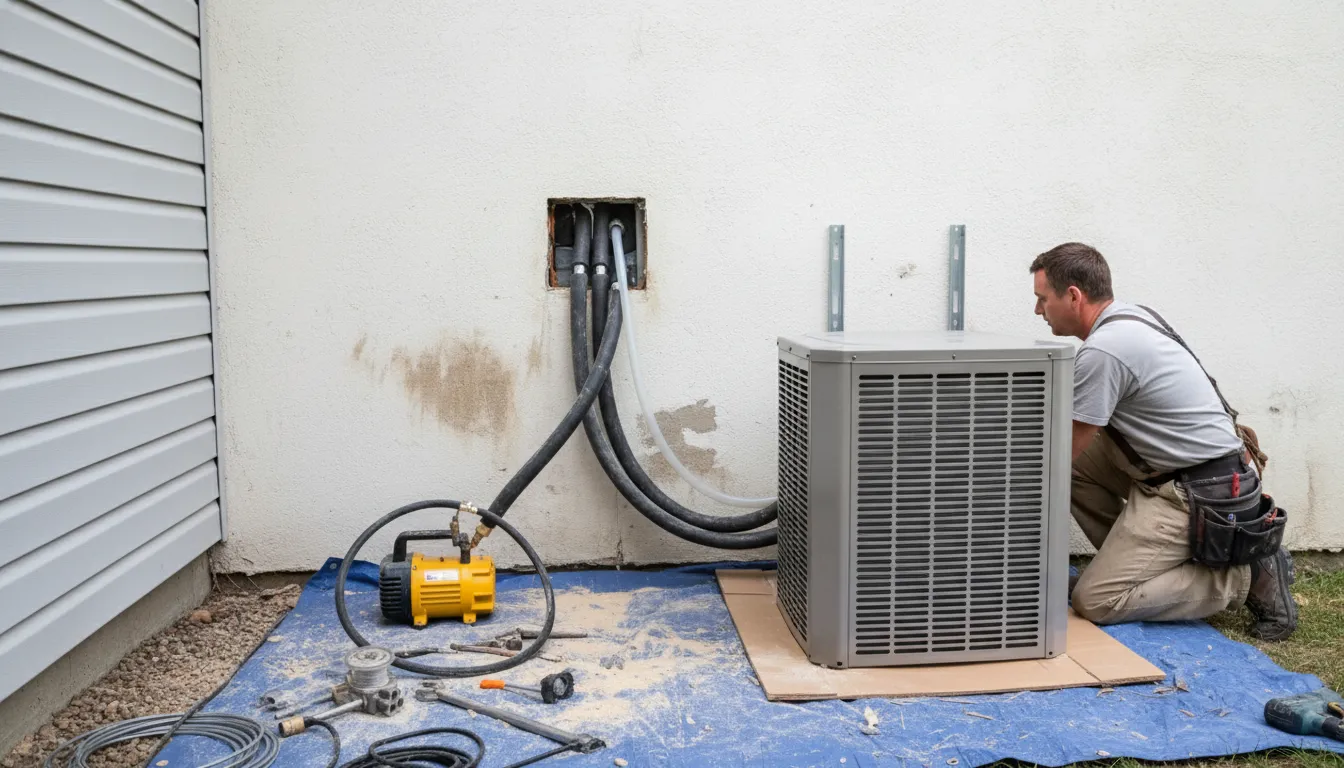
Find the Best Heat Pump Installation & Replacement Contractors for Your Business
No obligation • Fast responses • Nationwide coverage

Why you can trust HVAC Firms
HVAC Firms is a leading United States resource for evaluating HVAC service providers. Our team researches companies, checks credentials, and reviews customer feedback to present clear, unbiased information. Listings and rankings are based on merit, and companies cannot pay to change our editorial content.
Search providers near you
Top Heat Pump Installation & Replacement Contractors in Fort Lauderdale, Florida Ranked
A heat pump is an efficient, all-in-one system that provides both heating and cooling for your home, making it an ideal climate control solution for Fort Lauderdale's warm, humid weather. For residents, choosing the right heat pump system and a qualified installer is crucial for achieving year-round comfort, managing energy bills, and controlling indoor humidity. This guide will help you understand your options, from system types and key features to local considerations, so you can make an informed decision for your home.
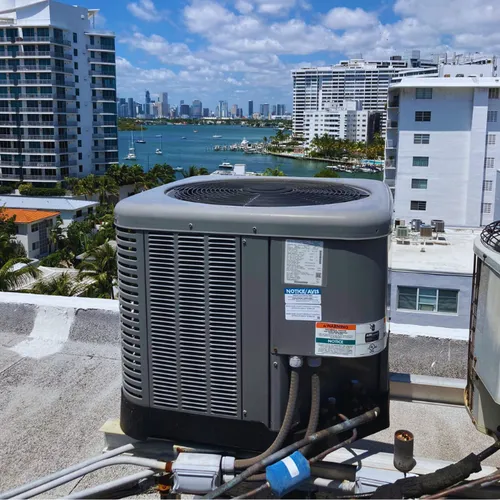
Florida Clean Air Plus
15251 NE 18th Ave Suite #3, North Miami Beach, FL 33162
Florida Clean Air Plus is an HVAC company based in Miami, FL, offering a wide range of heating and cooling services for both residential and commercial clients. Their services include AC repair, installation of new AC and heat pump systems, air duct cleaning, duct sealing, dryer vent cleaning, and thermostat installation. They emphasize improving indoor air quality and energy efficiency through thorough maintenance and cleaning. The company provides 24/7 emergency HVAC service, ensuring support whenever needed. Their certified technicians are experienced in handling all major HVAC brands and models, delivering precise installations and repairs with transparent, upfront quotes.
Island Breeze Air Conditioning, LLC
6831 SW 44th St APT 109, Miami, FL 33155
Island Breeze Air Conditioning, LLC is an HVAC company serving Miami, FL, specializing in heating and air conditioning system installation, repair, and maintenance. Their services include air conditioner, furnace, heat pump, and mini split system installation and repair, as well as thermostat installation and indoor air quality improvements. They offer 24/7 emergency repair services and provide service agreements for regular maintenance to extend system life and ensure reliable performance. The company also supplies a range of products such as air cleaners, humidifiers, UV lights, and zoning systems to enhance indoor environments.
Keep Your Cool Air Quality and Maintenance
7209 NW 46th St, Miami, FL 33166
Keep Your Cool Air Quality and Maintenance is an HVAC contractor based in Miami, FL, specializing in air conditioning, furnace, and heat pump installation and maintenance for both commercial and residential clients. The company focuses on maintaining healthy indoor air quality by assessing and addressing microbes, bacteria, and allergens that can affect human and pet health. With over 20 years of experience, Keep Your Cool uses top brands and offers industry-leading warranties to ensure reliable HVAC system performance and comfort.
Colder of Miami Inc | AC Repair, Installation & Maintenance HVAC
3421 SW 32nd Ct, West Park, FL 33023
Colder of Miami Inc | AC Repair, Installation & Maintenance HVAC is an HVAC company serving Miami, FL, and the surrounding South Florida area. They provide a range of services including air conditioning repair and installation, furnace and heat pump repair and installation, HVAC maintenance, duct cleaning, and thermostat installation. The company is equipped to handle commercial HVAC needs as well, including rooftop units and restaurant refrigeration. With over 14 years of experience, Colder of Miami Inc offers 24/7 emergency AC repair service with a fast response time, ensuring customer comfort throughout the year.

Sunny Bliss Plumbing & Air
20257 NE 15th Ct, Miami, FL 33179
Sunny Bliss Plumbing & Air is a locally owned company serving Miami, FL, and nearby communities such as Pinecrest, Coral Gables, and Miami Beach. They provide a range of plumbing and HVAC services including air conditioning and heat pump installation, repair, and maintenance for residential and commercial customers. Their technicians handle emergency plumbing issues like clogs, leaks, and sewer line problems, as well as HVAC tune-ups and cleaning to ensure system efficiency. Sunny Bliss also offers preventative maintenance plans to help extend equipment life and reduce unexpected repairs. The company collaborates with sister companies specializing in construction and property management to provide comprehensive property solutions.
Why a Heat Pump is Ideal for Fort Lauderdale
Fort Lauderdale's climate is characterized by long, hot, and humid summers with mild winters. This makes a heat pump, which excels at efficient cooling and provides supplemental heating for those occasional cooler nights, a perfect fit. Unlike traditional air conditioners paired with separate furnaces, a single heat pump system handles both functions. Their primary advantage in our region is exceptional cooling efficiency, which can lead to significant savings on electricity bills during the long cooling season. Furthermore, modern systems are specifically designed to manage the high humidity levels that define South Florida living, improving indoor air quality and comfort.
Types of Heat Pump Systems
Understanding the different types of heat pump systems available is the first step in selecting the right one for your Fort Lauderdale home. The main categories are defined by their heat source and distribution method.
Air-Source Heat Pumps
This is the most common type of residential heat pump. It transfers heat between your home and the outside air. If your home already has functional ductwork for a central air system, an air-source heat pump can often utilize those existing ducts, making installation more straightforward and cost-effective. They are a versatile and reliable choice for most homes in the area.
Ductless Mini-Split Heat Pumps
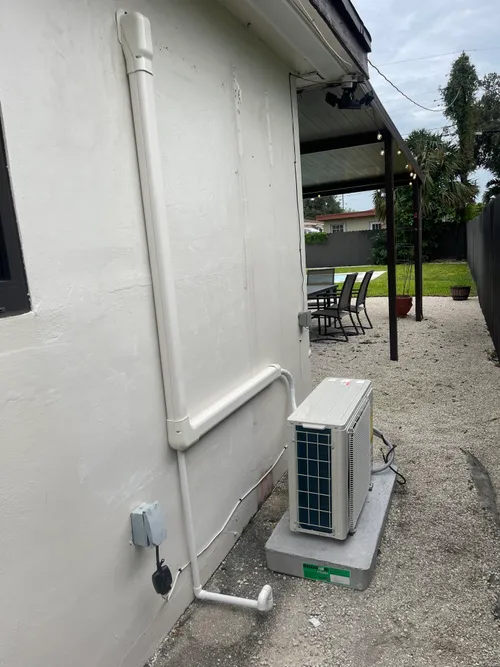
For homes without existing ductwork, such as older properties or room additions, or for those seeking zoned temperature control, ductless mini-splits are an excellent solution. These systems consist of an outdoor compressor unit connected to one or more indoor air-handling units mounted on walls or ceilings. They allow you to control the temperature in individual rooms or "zones," providing enhanced comfort and potential energy savings by not conditioning unoccupied spaces.
Geothermal (Ground-Source) Heat Pumps
Geothermal systems are the most energy-efficient type of heat pump, exchanging heat with the relatively constant temperature of the earth. While they offer the lowest operating costs and environmental impact, they come with a significantly higher upfront cost due to the complex installation requiring underground loop systems 1 2. The suitability depends heavily on your property and budget.
Dual-Fuel Systems
These systems combine a heat pump with a gas furnace. The heat pump handles moderate cooling and heating, while the furnace takes over during extremely cold temperatures for efficient operation. Given Fort Lauderdale's mild winters, a dual-fuel system is less of a necessity here than in colder climates, but it remains an option for some homeowners.
Key Features & Specifications for Florida Homes
When comparing heat pump models, several specifications are particularly important for performance and efficiency in our local climate.
- SEER/SEER2 Rating: The Seasonal Energy Efficiency Ratio measures cooling efficiency. In a cooling-dominated climate like South Florida, a high SEER rating is paramount for energy savings. Look for models with a SEER of 16 or higher, with premium models reaching 20+.
- Variable-Speed Compressors: This is a critical feature for humidity control. Unlike single-stage compressors that simply turn on and off, variable-speed models can adjust their output to match the cooling demand precisely. This leads to more consistent temperatures, superior dehumidification, and quieter operation. Models like the Trane XV20i or Carrier Infinity series feature this technology.
- ENERGY STAR® Certification: Choosing an ENERGY STAR certified heat pump ensures it meets strict energy efficiency guidelines set by the U.S. Environmental Protection Agency, guaranteeing high performance.
- Smart Thermostat Compatibility: Integrating your new heat pump with a smart thermostat (e.g., Nest, Ecobee) allows for advanced scheduling, remote control via smartphone, and features that can optimize run times for efficiency and comfort.
Find the perfect heat pump installation & replacement contractors for your needs
Get personalized recommendations and expert advice
Local Installation Considerations in Fort Lauderdale
Beyond the equipment itself, local environmental factors and proper installation practices are key to a system's longevity and performance.
- Humidity Control: Managing indoor humidity is a top priority. A properly sized and installed heat pump with multi-stage or variable-speed operation is essential for effective dehumidification. An oversized unit will cool the air too quickly without removing adequate moisture, leaving your home feeling cool but clammy.
- Coastal Environment: Fort Lauderdale's salt air can be corrosive to standard HVAC equipment. It's important to discuss this with your installer. Many manufacturers offer "coastal" or "salt-air" rated models that feature special coatings and materials to resist corrosion and extend the system's lifespan.
- Professional Sizing & Installation: A Manual J load calculation is non-negotiable. This assessment determines the exact heating and cooling capacity your home needs based on its size, insulation, windows, and orientation. Improper sizing is a leading cause of inefficiency, discomfort, and premature system failure. Always choose a licensed, insured, and experienced contractor familiar with South Florida's specific requirements 3 4.
Understanding Investment & Costs
The cost of a new heat pump system in Fort Lauderdale varies widely based on the type of system, its efficiency, and the complexity of the installation in your home.
- Entry-Level Air-Source System: For a standard-efficiency, single-stage air-source heat pump replacing an existing system with compatible ductwork, homeowners can expect costs in the range of $8,000 to $11,000.
- Mid-Range Air-Source System: A system with higher SEER ratings (16-18) and additional features like two-stage compression typically falls between $11,500 and $15,000 5.
- Premium/High-Efficiency System: Top-tier variable-speed air-source heat pumps with the highest SEER ratings (20+) represent a larger initial investment, often ranging from $15,500 to over $21,000, but offer the greatest energy savings and comfort.
- Ductless Mini-Split Systems: Costs are highly dependent on the number of indoor zones (heads) needed. A single-zone system may start around $3,890, while multi-zone installations for an entire home can exceed $21,000 6 7.
Key Takeaway: For most Fort Lauderdale homes, investing in a high-efficiency air-source or ductless system with a variable-speed compressor, while having a higher upfront cost, provides optimal humidity control and delivers the greatest long-term savings on energy bills 8 9.
The Professional Installation Process
A successful heat pump installation follows a meticulous process conducted by certified technicians.
- Initial Consultation & Load Calculation: A reputable contractor will perform a thorough home assessment and Manual J calculation.
- System Selection & Proposal: Based on the assessment, they will recommend suitable systems, provide a detailed written proposal, and discuss financing options if needed.
- Preparation & Removal: The installation team will prepare the work area, safely disconnect and remove the old equipment.
- New Installation: This includes setting the new outdoor unit, installing or modifying refrigerant lines and electrical connections, and integrating with the indoor air handler or ductwork. For ductless systems, this involves mounting the indoor units and running conduit.
- Testing & Commissioning: The most critical step. Technicians will test the refrigerant charge, electrical systems, airflow, thermostat operation, and ensure the entire system is performing to manufacturer specifications.
- Customer Orientation: A final walk-through to explain system operation, thermostat programming, and basic maintenance tips.
Frequently asked questions
Sources
Footnotes
-
2026 Heat Pump Cost Guide: Purchase, Installation & Repair - https://www.carrier.com/residential/en/us/products/heat-pumps/how-much-does-a-heat-pump-cost/ ↩
-
Energy-Efficient Heat Pumps: Choosing the Best System - https://www.acwarehouse.com/energy-efficient-heat-pumps/ ↩
-
Heat Pumps | Service & Installation | Ft. Lauderdale - https://paradiseplumbingandac.com/residential/heat-pumps/ ↩
-
Heat Pump Replacement in FL | HVAC Experts - Air Flow Designs - https://www.airflowdesigns.com/heat-pumps/replacement/ ↩
-
Heat Pump Price Guides - Heat Pump Prices and Replacement Costs - https://heatpumppriceguides.com/ ↩
-
How much does it cost for a heat pump - Comfort Temp - https://comforttemp.com/how-much-does-it-cost-for-a-heat-pump/ ↩
-
Heat Pump Replacement Cost: 2025 Smart Savings - https://comforttemp.com/heat-pump-replacement-cost/ ↩
-
How to Choose the Right HVAC System for Florida Homes - https://inletfl.com/how-to-choose-the-right-hvac-system-for-florida-homes/ ↩
-
Heat Pumps in Florida: Benefits, Costs & Best Models - https://airrescueflorida.com/heat-pumps-florida/ ↩