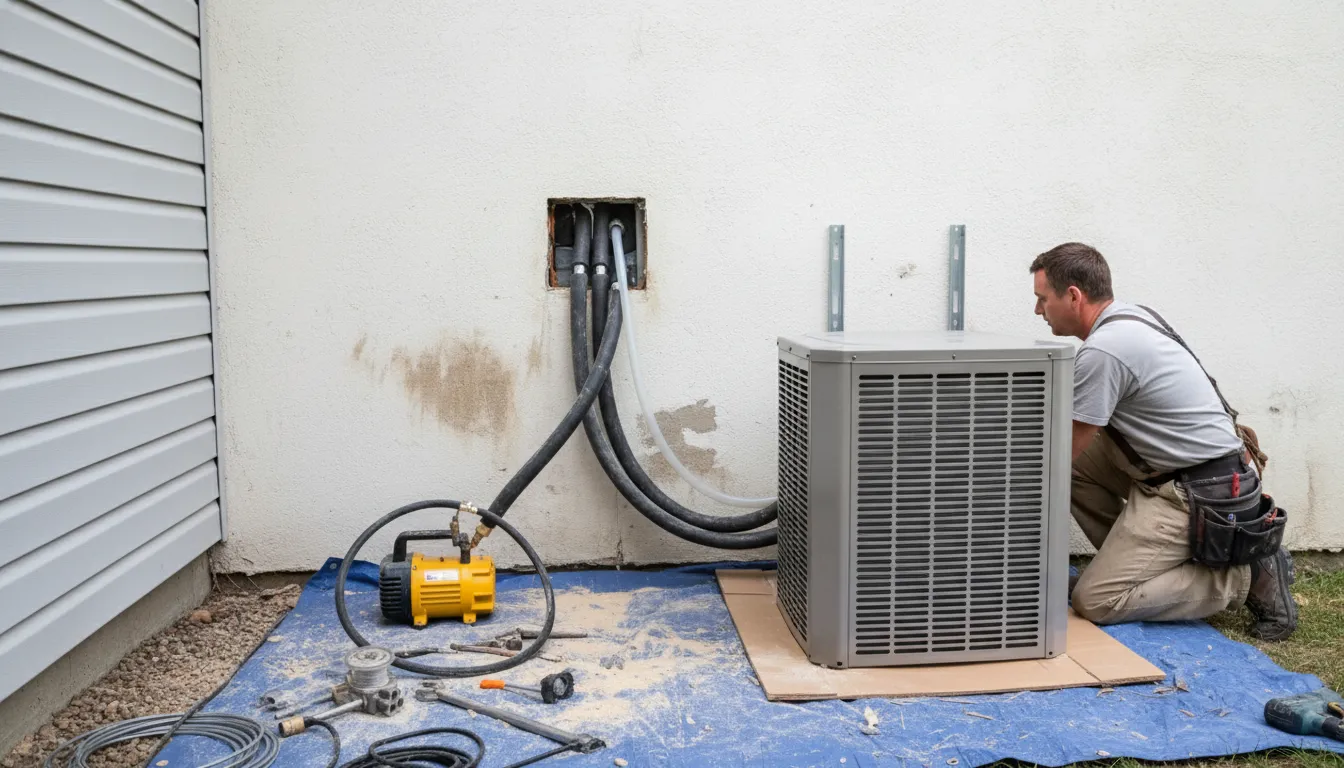
Find the Best Heat Pump Installation & Replacement Contractors for Your Business
No obligation • Fast responses • Nationwide coverage

Why you can trust HVAC Firms
HVAC Firms is a leading United States resource for evaluating HVAC service providers. Our team researches companies, checks credentials, and reviews customer feedback to present clear, unbiased information. Listings and rankings are based on merit, and companies cannot pay to change our editorial content.
Search providers near you
Top Heat Pump Installation & Replacement Contractors in Greeley, Colorado Ranked
Upgrading your home's heating and cooling system to a modern heat pump is a smart investment in year-round comfort and energy efficiency for Greeley residents. This technology provides both heating and cooling from a single unit, offering a versatile and often more efficient alternative to traditional furnaces and air conditioners. Finding the right system and a qualified installer is crucial, especially given our region's climate. This guide will help you understand your options, the costs involved, and how to navigate the process to find a reliable local provider for your heat pump project.
M and M Heating, Cooling, Plumbing and Electrical
110 S Bowen Cir, Longmont, CO 80501
M and M Heating, Cooling, Plumbing and Electrical is a full-service provider based in Denver, CO, offering residential and commercial solutions in heating, cooling, indoor air quality, plumbing, electrical, and insulation. They serve multiple communities including Longmont and surrounding Front Range areas. Their team includes licensed and insured NATE-certified technicians who handle HVAC installation, repair, and tune-ups, along with plumbing and electrical services. The company provides 24/7 emergency service year-round to address urgent home issues promptly.
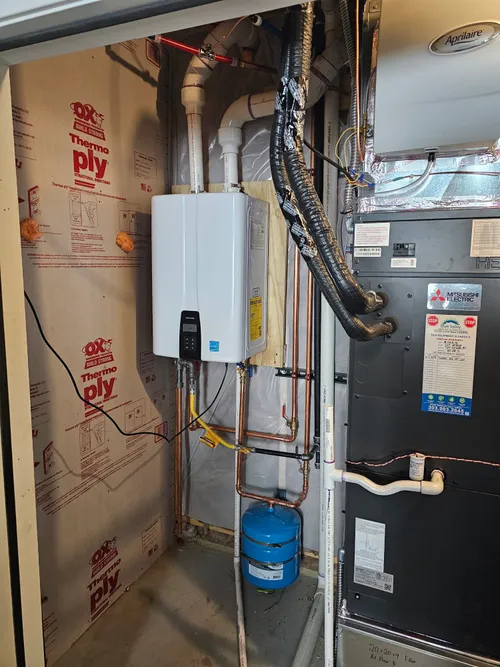
Blue Valley Heating & Cooling
1740 Skyway Dr UNIT H, Longmont, CO 80504
Blue Valley Heating & Cooling is an HVAC company based in Denver, CO, providing a wide range of heating, cooling, and plumbing services for both residential and commercial clients. Their offerings include air conditioning, furnace, heat pump, geothermal system installation and repair, as well as HVAC tune-ups. With over 30 years of experience, they focus on energy-saving solutions and sustainable options to improve indoor comfort and efficiency. Blue Valley Heating & Cooling also offers 24/7 emergency service and a maintenance membership program for ongoing support.

Loos & Sons HVAC LLC
Denver, CO
Loos & Sons HVAC LLC is a local HVAC contractor serving Denver, CO, and nearby areas including Longmont and Boulder County. They provide a range of heating and cooling services such as installation, maintenance, and repair of boilers, heat pumps, geothermal systems, mini split systems, and general HVAC equipment. Their expertise includes energy-efficient system setups and comprehensive tune-ups designed to improve system longevity and performance. The company emphasizes sustainable solutions like geothermal heat pumps and offers precise diagnostics and repairs to keep systems running smoothly.
Understanding Heat Pump Technology for Northern Colorado
At its core, a heat pump doesn't generate heat by burning fuel; instead, it moves existing heat from one place to another. In the summer, it acts like an air conditioner, extracting heat from inside your home and releasing it outdoors. In the winter, the process reverses-it extracts heat from the outside air (even when it's cold) and transfers it indoors to warm your living spaces. This efficient method of heat transfer is what allows these systems to achieve high levels of energy efficiency.
For climates like Greeley's, with its hot summers and cold winters, cold-climate heat pumps (CCHPs) are specifically engineered to perform reliably. Unlike older models that lost efficiency in freezing temperatures, modern CCHPs use advanced compressors and refrigerants to effectively extract heat from the outdoor air even when temperatures drop well below freezing. This makes them a viable and efficient primary heating source for most of the year in Northern Colorado.
Types of Heat Pump Systems
Choosing the right type of system depends on your home's existing infrastructure and your comfort goals. The main configurations available are:
Air-Source Split Systems: This is the most common type, similar to a traditional central AC setup. It consists of an outdoor unit (the condenser/compressor) and an indoor unit (an air handler or compatible furnace). This system uses your home's existing ductwork to distribute conditioned air. It's an excellent choice for homes that already have functional ducts.
Ductless Mini-Split Systems: These systems are ideal for homes without ductwork, for room additions, or for creating independent temperature zones. A small outdoor unit connects to one or more indoor air handlers mounted on walls or ceilings. Each indoor unit can be controlled separately, providing targeted comfort and potentially reducing energy use in unused rooms 1.
Packaged Units: Less common in residential settings, these systems house all components-the compressor, condenser, and air handler-in a single cabinet typically installed on the ground outside the home. They connect directly to the home's ductwork. This can be a space-saving solution where indoor space is limited 2 3.
Dual-Fuel or Hybrid Systems: This is a particularly strategic setup for Colorado's variable climate. It pairs an electric air-source heat pump with a gas furnace. The system intelligently switches between the two fuel sources, using the highly efficient heat pump for moderate temperatures and automatically switching to the gas furnace during periods of extreme cold. This provides an optimal balance of efficiency, comfort, and reliability while keeping operating costs in check.
Key Performance Metrics: SEER and HSPF
When comparing heat pump models, you'll encounter two critical efficiency ratings:
- SEER (Seasonal Energy Efficiency Ratio): Measures the cooling efficiency over an entire season. The higher the SEER number, the more efficient the unit is at cooling. Modern units often have SEER ratings of 16 or higher.
- HSPF (Heating Seasonal Performance Factor): Measures the heating efficiency over a heating season. A higher HSPF indicates a more efficient heater. For effective performance in colder climates, look for a unit with a high HSPF, typically 9.0 or above for cold-climate models 4.
Investing in a unit with superior SEER and HSPF ratings will result in lower monthly utility bills, though it may have a higher initial purchase price. A qualified installer can help you calculate the payback period based on Greeley's energy rates.
Cost Considerations for Heat Pump Installation
The total cost of a new heat pump system in Greeley can vary widely based on several factors. Understanding this range and the available financial incentives is key to planning your project.
Factors Influencing Cost:
- System Type and Size: A larger capacity unit (measured in tons) for a bigger home costs more than a smaller unit. Ductless mini-splits vary by the number of indoor "heads."
- Equipment Efficiency: Higher SEER/HSPF models command a premium.
- Existing Infrastructure: Installing a new split system in a home with existing, usable ductwork is generally less expensive than a home requiring all-new ducts or a multi-zone ductless system.
- Installation Complexity: The labor required for a straightforward replacement is less than for a first-time installation or a job with accessibility challenges.
- Brand and Features: Premium brands and models with advanced features (like ultra-quiet operation or smart connectivity) will be more expensive.
For a full system installation in the Greeley area, homeowners can expect a broad range, typically from $11,000 to over $25,000 before any rebates or incentives are applied 5 6 7.
Find the perfect heat pump installation & replacement contractors for your needs
Get personalized recommendations and expert advice
Financial Incentives and Rebates
The upfront cost of a heat pump is significantly offset by substantial federal, state, and utility incentives. Taking full advantage of these can dramatically reduce your out-of-pocket expense.
- Federal Tax Credits: The Inflation Reduction Act (IRA) provides a tax credit of up to 30% of the project cost (with annual limits) for qualified high-efficiency heat pump installations 8. This is a direct reduction of your tax liability.
- Utility Rebates: Local utility providers, such as Xcel Energy, often offer direct rebates for installing high-efficiency heat pumps. These are typically point-of-sale discounts or check rebates sent after installation and verification.
- State and Local Programs: Colorado may offer additional incentives or financing programs for energy-efficient upgrades.
When you work with an experienced local installer, they should be well-versed in all available incentives and can often help you navigate the paperwork. After applying these significant rebates and credits, the final out-of-pocket cost for many Greeley homeowners often falls into a more accessible range, such as $9,000 to $15,000 or even less for certain systems 9 10 11.
Choosing a Local Greeley Installer
The quality of the installation is just as important as the quality of the equipment. A proper installation ensures efficiency, reliability, and longevity. When looking for a heat pump installer in Greeley or the wider Northern Colorado area, consider the following:
- Local Experience: Choose a company familiar with installing systems specifically designed for Colorado's climate. They should understand the importance of proper sizing and the benefits of dual-fuel configurations.
- Certifications and Licensing: Ensure the company is properly licensed, bonded, and insured in Colorado. Look for technicians certified by organizations like NATE (North American Technician Excellence).
- Comprehensive Assessment: A reputable provider will perform a detailed load calculation (like a Manual J) to determine the correct system size for your home, rather than simply matching the size of your old unit.
- Transparent Quoting: The quote should be itemized, including equipment model numbers, labor, permits, and any anticipated costs for duct modifications or electrical upgrades.
- Incentive Guidance: They should proactively inform you about all applicable rebates and tax credits and assist with the documentation.
Partnering with a knowledgeable local expert is the best way to ensure you select the right heat pump system for your Greeley home and maximize your investment through professional installation and captured savings 12.
Frequently asked questions
Sources
Footnotes
-
How to Pick the Right Type of Home Heating System - https://jarboes.com/knowledge-center/choose-the-right-heating-and-cooling-system/ ↩
-
Heat Pump Price Guides - https://heatpumppriceguides.com/ ↩
-
How Much Does a New HVAC Replacement Cost in Colorado? | AC ... - https://unicolorado.com/pricing/ ↩
-
Residential Heat Pump Installation Fort Collins CO - https://nocoenergysolutions.com/heating/residential-heat-pump-installation/ ↩
-
Heat Pumps VS. Traditional AC in Denver - https://bestdenverhvac.com/heat-pumps-vs-traditional-ac-in-denver/ ↩
-
Heat Pump Installation Cost Denver - UniColorado - https://unicolorado.com/pricing/heatpump-installation-cost/ ↩
-
2026 Heat Pump Cost Guide: Purchase, Installation & Repair - Carrier - https://www.carrier.com/residential/en/us/products/heat-pumps/how-much-does-a-heat-pump-cost/ ↩
-
Heat Pumps in Colorado: A Promising Future with the Inflation ... - https://www.roxheating.com/heat-pumps-in-colorado-a-promising-future-with-the-inflation-reduction-act/ ↩
-
Cold Climate Heat Pump Installation - UniColorado - https://unicolorado.com/services/heatpump/cold-climate-heat-pump-installation/ ↩
-
Heat Pump Installation and Replacement in Denver, CO - UniColorado - https://unicolorado.com/services/heatpump/heat-pump-installation/ ↩
-
Cold Climate Heat Pumps: Do they work in Colorado? - UniColorado - https://unicolorado.com/cold-climate-heat-pumps/ ↩
-
Heat Pump Installation in Fort Collins, Loveland, Windsor & Greeley - https://www.compassheat.com/heat-pump-installation ↩