Find the Best Heat Pump Installation & Replacement Contractors for Your Business
No obligation • Fast responses • Nationwide coverage

Why you can trust HVAC Firms
HVAC Firms is a leading United States resource for evaluating HVAC service providers. Our team researches companies, checks credentials, and reviews customer feedback to present clear, unbiased information. Listings and rankings are based on merit, and companies cannot pay to change our editorial content.
Search providers near you
Top Heat Pump Installation & Replacement Contractors in Fort Collins, Colorado Ranked
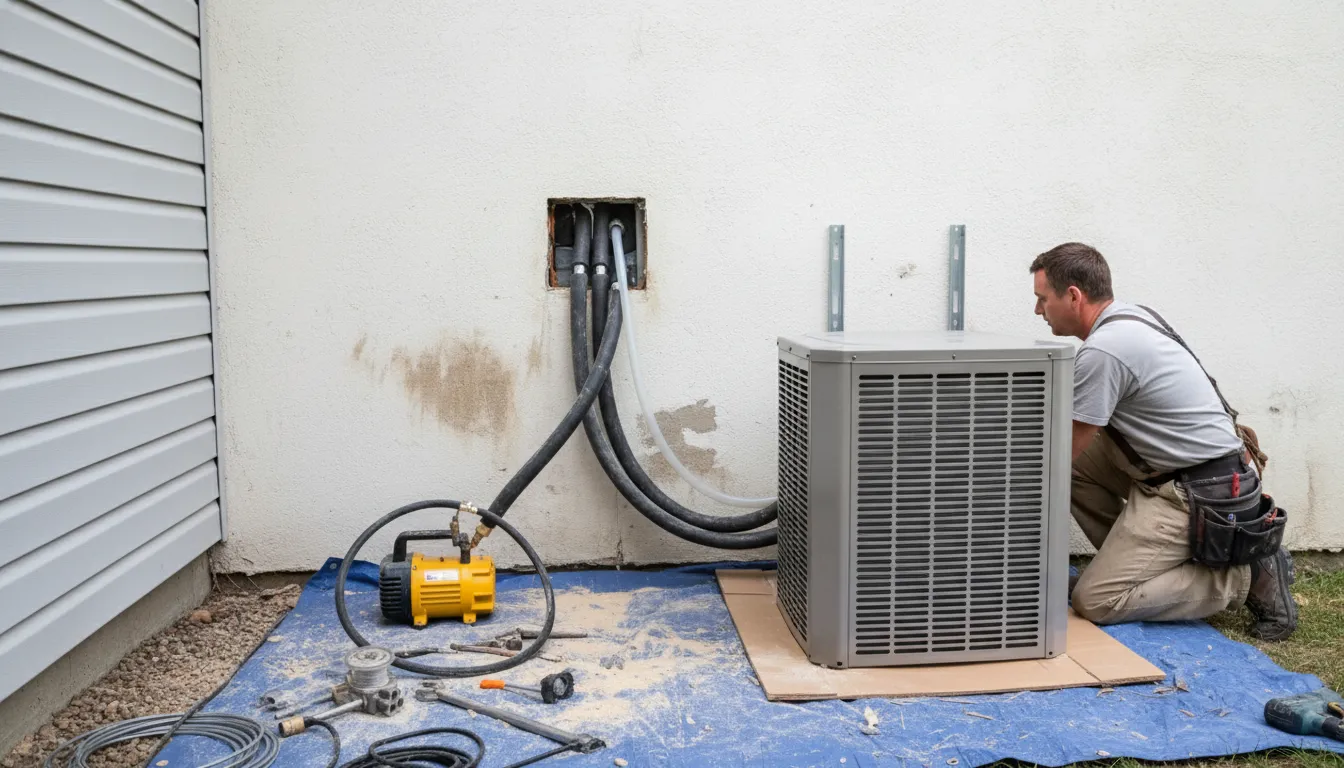
Upgrading your home's heating and cooling with a heat pump system is a smart investment in year-round comfort and energy efficiency for Fort Collins residents. These versatile systems provide both heating and cooling from a single unit, moving heat rather than generating it, which can lead to significant energy savings. For homeowners navigating Colorado's distinct seasons-from hot summers to cold, snowy winters-selecting the right type of heat pump and a qualified installer is crucial. This guide will help you understand your options, from cold-climate air-source models to ductless mini-splits, and how to find local expertise for a successful installation or replacement project.
M and M Heating, Cooling, Plumbing and Electrical
110 S Bowen Cir, Longmont, CO 80501
M and M Heating, Cooling, Plumbing and Electrical is a full-service provider based in Denver, CO, offering residential and commercial solutions in heating, cooling, indoor air quality, plumbing, electrical, and insulation. They serve multiple communities including Longmont and surrounding Front Range areas. Their team includes licensed and insured NATE-certified technicians who handle HVAC installation, repair, and tune-ups, along with plumbing and electrical services. The company provides 24/7 emergency service year-round to address urgent home issues promptly.
Blue Valley Heating & Cooling
1740 Skyway Dr UNIT H, Longmont, CO 80504
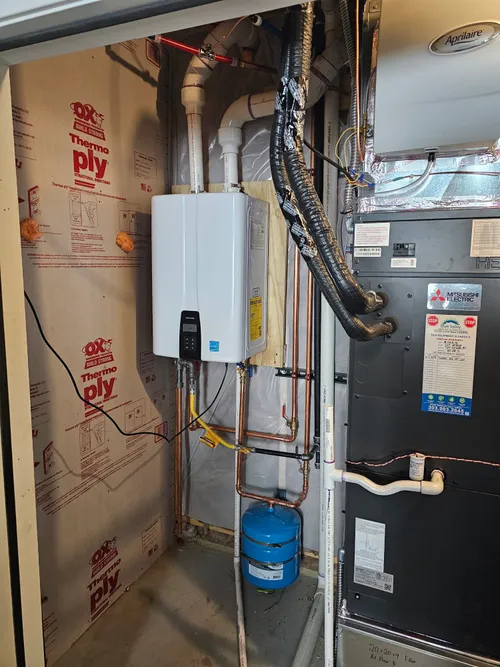
Blue Valley Heating & Cooling is an HVAC company based in Denver, CO, providing a wide range of heating, cooling, and plumbing services for both residential and commercial clients. Their offerings include air conditioning, furnace, heat pump, geothermal system installation and repair, as well as HVAC tune-ups. With over 30 years of experience, they focus on energy-saving solutions and sustainable options to improve indoor comfort and efficiency. Blue Valley Heating & Cooling also offers 24/7 emergency service and a maintenance membership program for ongoing support.
Why Consider a Heat Pump in Fort Collins?
Fort Collins' climate presents a unique challenge: the need for efficient cooling during dry summers and reliable, cost-effective heating through chilly winters. Modern heat pump technology, especially models designed for cold climates, is engineered to meet this dual demand. By replacing a traditional air conditioner and furnace with a single, high-efficiency heat pump system, homeowners can streamline their HVAC equipment, often reducing their carbon footprint and utility bills. The move towards electrification, supported by local and federal incentives, makes exploring heat pump installation a timely consideration for many in Northern Colorado.
Types of Heat Pump Systems
Understanding the different configurations available is the first step in planning your installation. The right choice depends heavily on your home's existing infrastructure and your specific comfort goals.
Air-Source Heat Pumps (Ducted)
This is the most common replacement for a standard central air conditioning and furnace system. A ducted heat pump uses the home's existing network of air ducts to distribute conditioned air. It can be installed as a standalone system for both heating and cooling or integrated in a hybrid setup with a backup furnace. This option is ideal for homes that already have functional, well-sealed ductwork.
Ductless Mini-Split Heat Pumps
For homes without ductwork, such as older houses, additions, or rooms that are difficult to condition, ductless mini-splits offer a flexible solution. These systems consist of an outdoor compressor unit connected to one or more indoor air handlers mounted on walls or ceilings. They provide zoned comfort, allowing you to control temperatures in individual rooms, which can lead to further energy savings 1. They are also excellent for targeted heating and cooling in spaces like garages, sunrooms, or home offices.
Hybrid or Dual-Fuel Systems
Given Fort Collins' potential for extreme cold snaps, a hybrid system is a popular and prudent choice. This configuration pairs an air-source heat pump with a gas furnace. The system intelligently switches between the two: the highly efficient heat pump handles heating during milder weather, and the furnace automatically takes over when temperatures drop below the heat pump's optimal efficiency range (typically around 15-30°F, depending on the model). This approach maximizes efficiency while guaranteeing warmth during the coldest nights.
Key Performance Metrics: SEER, HSPF, and Cold-Climate Ratings
When comparing heat pump options, you'll encounter specific ratings that quantify efficiency and performance. Knowing what they mean is essential for making an informed decision.
- SEER2/SEER (Seasonal Energy Efficiency Ratio): This measures cooling efficiency. The higher the SEER rating, the more efficient the unit is at cooling your home. In Fort Collins, looking for a unit with a SEER rating of 20 or higher indicates top-tier efficiency for the summer months.
- HSPF2/HSPF (Heating Seasonal Performance Factor): This is the key metric for heating efficiency. A higher HSPF means the heat pump provides more heat for the electricity it consumes. Cold-climate models will have a high HSPF, often 10 or above, ensuring they operate effectively in lower temperatures.
- Cold-Climate Certification: Not all heat pumps are created equal for Colorado winters. Look for models specifically tested and certified for cold climates. These units are designed to maintain high heating capacity and efficiency at temperatures as low as -15°F or below, making them a reliable primary heat source in our region.
Critical Considerations for Your Installation
A successful heat pump project involves more than just selecting a unit. Several site-specific factors will determine system performance and cost.
- Cold Climate Performance: This cannot be overstated. Installing a standard heat pump not rated for cold climates can lead to insufficient heating, reliance on expensive backup electric resistance heat, and higher operating costs when you need warmth the most 2 3. Always verify the low-temperature performance data for any model you consider.
- Existing Ductwork: The condition and design of your ducts are paramount for a ducted system. Leaky, poorly insulated, or improperly sized ducts can drastically reduce the efficiency and comfort of even the best heat pump. An assessment by a qualified technician will determine if your ducts need sealing, insulation, or modification.
- Proper Sizing (Load Calculation): A "load calculation" (Manual J) is a non-negotiable step. This engineering analysis determines the exact heating and cooling capacity (measured in BTUs or tons) your home needs based on its size, insulation, windows, and orientation. A unit that is too large will short-cycle, wasting energy and failing to dehumidify properly in summer. One that is too small will struggle to maintain comfort.
Find the perfect heat pump installation & replacement contractors for your needs
Get personalized recommendations and expert advice
Understanding Investment and Incentives
The cost of a heat pump installation in Fort Collins varies widely based on system type, efficiency, home size, and installation complexity. Here's a general breakdown of what homeowners might expect:
- Basic/Standard Systems: For a smaller home with a straightforward replacement of existing equipment, costs might range from approximately $7,000 to $12,000.
- Mid-Range/Cold-Climate Systems: This is a common range for many Fort Collins homes opting for a properly sized, cold-climate-rated heat pump or a hybrid system. After applying available rebates and tax credits, the out-of-pocket cost for homeowners often falls between $9,000 and $18,000, with many projects landing in the $12,000-$13,000 range post-incentives 4.
- High-End/Complex Installations: For larger homes, systems with the highest efficiency ratings, or installations requiring significant electrical upgrades, new ductwork, or multiple mini-split zones, costs can range from $18,000 to $30,000 or more 5 6.
Financial incentives are a key part of the equation. The federal Energy Efficiency Home Improvement Tax Credit (under the Inflation Reduction Act) can cover 30% of the project cost, up to a $2,000 annual limit for qualified heat pump systems 7 8. Additionally, Xcel Energy and other local utilities often offer substantial rebates for installing high-efficiency heat pumps, which can reduce upfront costs by thousands of dollars 9 10. It's essential to discuss these incentives with your installer, as they change frequently and have specific eligibility requirements.
The Importance of Professional Installation
The quality of the installation is as important as the quality of the equipment itself. A proper installation ensures efficiency, reliability, and longevity. Key steps a professional will take include performing a detailed load calculation, ensuring correct refrigerant charge, verifying optimal airflow, and integrating the system seamlessly with your home's controls and any backup heating sources. Always seek multiple detailed quotes from established, licensed, and insured HVAC contractors in Fort Collins who have specific experience with cold-climate heat pump installations.
Frequently asked questions
Sources
Footnotes
-
Mini Split Heat Pump Installation Fort Collins CO - https://nocoenergysolutions.com/heating/mini-split-heat-pump-installation/ ↩
-
Colorado Heat Pump Installation & Repair Services - https://sandboxsolar.com/services/hvac/heat-pumps/ ↩
-
How Much Should I Expect to Pay for a New Air Conditioning System ... - https://fortcollinsheating.com/blog/how-much-should-i-expect-to-pay-for-a-new-air-conditioning-system-in-fort-collins/ ↩
-
Cold Climate Heat Pumps: Do they work in Colorado? - UniColorado - https://unicolorado.com/cold-climate-heat-pumps/ ↩
-
New HVAC System Cost in Northern Colorado - https://originphce.com/new-hvac-system-cost-northern-colorado/ ↩
-
AC Replacement Cost In Fort Collins (2025 Pricing Guide) - https://balancepointheating.com/ac-replacement-cost-fort-collins-2025/ ↩
-
2026 Heat Pump Cost Guide: Purchase, Installation & Repair - Carrier - https://www.carrier.com/residential/en/us/products/heat-pumps/how-much-does-a-heat-pump-cost/ ↩
-
Residential Heat Pump Installation Fort Collins CO - https://nocoenergysolutions.com/heating/residential-heat-pump-installation/ ↩
-
Heat Pump Installation Cost Denver - UniColorado - https://unicolorado.com/pricing/heatpump-installation-cost/ ↩
-
Leading Heat Pump Replacement Fort Collins, CO | HVAC Pros - https://balancepointheating.com/heating/heat-pump-replacement/ ↩