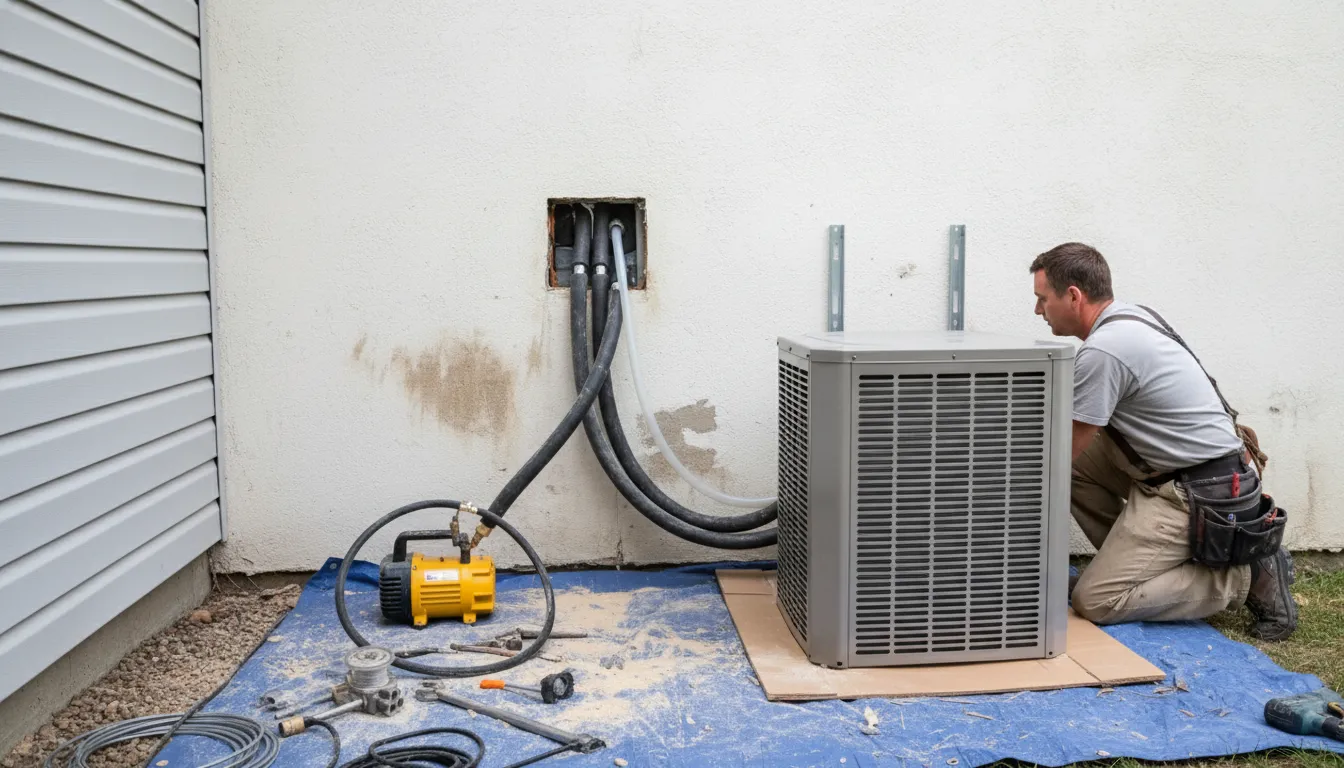
Find the Best Heat Pump Installation & Replacement Contractors for Your Business
No obligation • Fast responses • Nationwide coverage

Why you can trust HVAC Firms
HVAC Firms is a leading United States resource for evaluating HVAC service providers. Our team researches companies, checks credentials, and reviews customer feedback to present clear, unbiased information. Listings and rankings are based on merit, and companies cannot pay to change our editorial content.
Search providers near you
Top Heat Pump Installation & Replacement Contractors in Anchorage, Alaska Ranked
Modern heating technology has transformed how Alaskans stay warm, even in the depths of winter. Heat pump installation and replacement is a growing trend in Anchorage, offering an energy-efficient alternative or supplement to traditional gas or oil heating systems. This guide explains the key considerations for Anchorage homeowners, from understanding cold-climate performance to navigating local costs and incentives, helping you make an informed decision for your home's comfort and efficiency.
Diamond Heating & AirTemp Alaska
5406 Lake Otis Pkwy, Anchorage, AK 99507
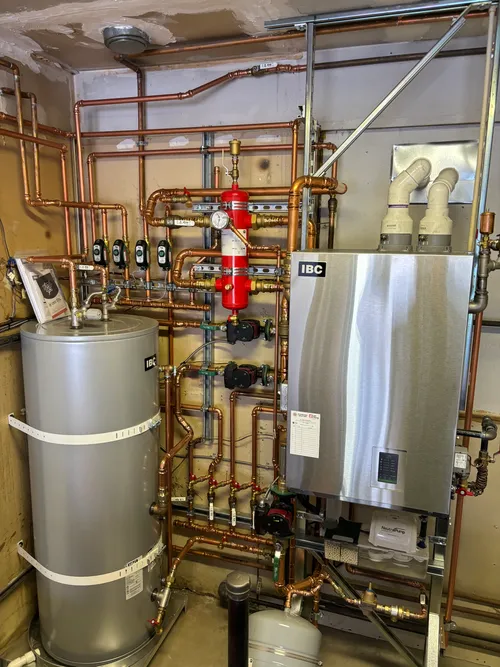
Diamond Heating & AirTemp Alaska is an HVAC company based in Anchorage, AK, offering installation, repair, and maintenance services for heating and cooling systems. Their services include furnaces, boilers, heat pumps, mini-splits, water heaters, indoor air quality solutions, and thermostat installations. With over 25 years of experience, they provide high-efficiency and reliable heating products suited for the Alaskan climate. The company also offers smart thermostats and zoning controls to enhance system performance and comfort.
Bowker Mechanical HVAC LLC
7160 Anna Marie Dr, Wasilla, AK 99623
Bowker Mechanical HVAC LLC is a veteran-owned HVAC service and support company located in Wasilla, serving Anchorage, AK and the Mat-Su Valley. Founded in 1996, they provide heating, ventilation, and air conditioning installation, repair, and maintenance services for residential and commercial customers. As the only authorized Trane dealer in the Mat-Su Valley, they offer expertise in HVAC systems, including gas and wood burning fireplaces, and focus on indoor air quality solutions. Bowker Mechanical services all makes and models and is known for tailored solutions that fit unique customer needs.
Knik Heating, LLC
4051 Lamont Way, Wasilla, AK 99623
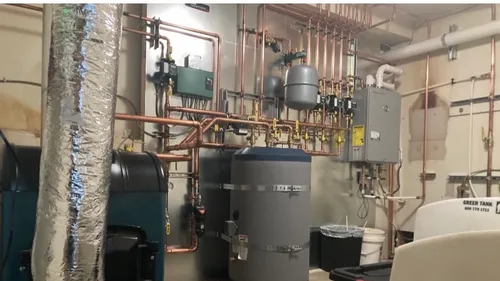
Knik Heating, LLC is a veteran-owned HVAC company based in Wasilla, AK, serving Anchorage and the surrounding Mat-Su Valley, including Eagle River and Talkeetna. They offer a full range of heating and cooling services such as furnace, boiler, heat pump, and air conditioning repair and installation, along with duct cleaning and indoor air quality solutions. With over 30 years of experience, Knik Heating provides specialized services including hydronic heating system installation and maintenance. They are available 24/7 for emergency heating and cooling repairs to ensure year-round comfort in Alaska's challenging climate.
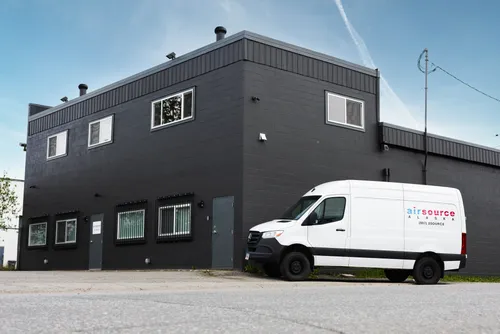
Air Source Alaska
1900 E 3rd Ave, Anchorage, AK 99501
Air Source Alaska is a commercial mechanical and electrical contractor based in Anchorage, AK. They specialize in service, repair, and installation of commercial HVAC/R systems, including VRF heat-recovery, heat pumps, chillers, building controls, and modulating/condensing boilers. The company also offers design-build construction services from engineering to system commissioning. Established in 2017, Air Source Alaska is 100% employee owned and serves Anchorage and surrounding areas.
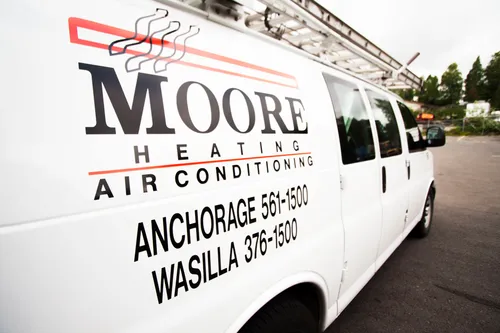
Moore Heating
1801 E Dowling Rd, Anchorage, AK 99507
Moore Heating is an HVAC company based in Anchorage, AK, offering installation, repair, and maintenance services for air conditioners, furnaces, heat pumps, and boilers. They provide 24/7 emergency service with trained technicians available year-round. With over 30 years of experience serving Alaskan clients, Moore Heating guarantees quality workmanship and customer satisfaction, including a commitment to return and correct any unsatisfactory work.
Understanding Heat Pumps for Alaska's Climate
At its core, a heat pump is a highly efficient device that moves heat from one place to another, rather than generating it by burning fuel. In heating mode, it extracts ambient heat from the outside air or ground and transfers it indoors. For decades, this technology was considered impractical for cold regions, but advancements in cold-climate heat pump (CCHP) design have changed the game. These modern systems are engineered to maintain heating capacity and efficiency at temperatures well below freezing, making them a viable option for primary or hybrid heating in Southcentral Alaska.
The primary appeal of a heat pump system is its remarkable efficiency, measured by the Coefficient of Performance (COP). A COP of 3.0, for example, means the system delivers three units of heat for every one unit of electricity consumed. Modern CCHPs can maintain COPs above 2.0 even in sub-freezing temperatures, often outperforming the efficiency of a standard gas furnace in terms of energy delivered per dollar spent on fuel, though local electricity prices are a critical factor 1.
Types of Heat Pump Systems Available in Anchorage
Choosing the right type of system is the first major decision. Local installers typically offer several configurations suited to different homes and budgets.
Air-Source Heat Pumps (ASHPs): This is the most common type, which absorbs heat from the outside air. The latest cold-climate air-source models are specifically tested for performance in Alaska's winters. They come in two main styles:
- Ductless Mini-Splits: Extremely popular for retrofits or homes without existing ductwork. An outdoor compressor unit connects to one or more quiet, wall-mounted indoor heads, allowing for zoned temperature control in specific rooms or additions 2.
- Ducted Split Systems: These function similarly to a central forced-air system, with an outdoor unit connected to an indoor air handler that uses your home's existing ductwork to distribute heat.
Ground-Source Heat Pumps (GSHPs): Also known as geothermal heat pumps, these systems exchange heat with the relatively stable temperature of the ground below the frost line. They are the most efficient type of heat pump available, offering consistent performance regardless of air temperature 3. However, they require the installation of extensive ground loops (either horizontal trenches or vertical boreholes), leading to a significantly higher upfront installation cost.
Hybrid or Dual-Fuel Systems: This is a highly recommended approach for Anchorage. A hybrid system pairs a cold-climate air-source heat pump with a traditional gas furnace or boiler. The intelligent thermostat controls the system to use the efficient heat pump as the primary heat source during milder weather (which constitutes much of the heating season). It automatically switches to the gas furnace only during extreme cold snaps (typically below 0°F to -10°F), when the heat pump's capacity drops or becomes less cost-effective due to electricity rates. This balances maximum efficiency with guaranteed comfort and can protect against high electric bills during the coldest periods 4.
Key Considerations for Anchorage Homeowners
Installing a heat pump in Alaska isn't a simple swap. Several local factors must be carefully evaluated.
Cold-Weather Performance and Backup Heat: While CCHPs work in the cold, all air-source models experience a decline in heating capacity as the outdoor temperature drops. It's crucial to size the system based on a "low-temperature heating load" calculation for Anchorage, not just a standard sizing method. This is why the inclusion of a backup heat source-whether a gas furnace in a hybrid setup or integrated electric resistance strips-is a standard and often necessary recommendation for reliable year-round comfort.
Electrical Service Requirements: Heat pumps require a dedicated electrical circuit. Many older Anchorage homes may have 100-amp electrical service that is already near capacity. Installing a heat pump, especially a larger central system, may require a service upgrade to 200 amps, which involves work from both an electrician and the local utility. This upgrade is a significant cost factor that must be included in planning.
Operating Cost Analysis: The economic benefit depends heavily on the relative cost of fuels. Anchorage has higher-than-average electricity prices, which can narrow the operating cost savings compared to natural gas. A detailed fuel-cost comparison, using current local utility rates for both gas and electricity, is essential to understand the payback period. The high efficiency of a heat pump can still make it competitive, but the math is specific to Anchorage's energy market.
Find the perfect heat pump installation & replacement contractors for your needs
Get personalized recommendations and expert advice
Cost of Heat Pump Installation in Anchorage
Installation costs in Anchorage are influenced by the harsh climate, which demands robust equipment and often complex installations. Prices are typically higher than the national average. Here's a general overview of installed costs based on system type 5 6:
- Ductless Mini-Split System: For a single-zone system (one outdoor unit, one indoor head), costs can start around $4,000 to $8,000. Multi-zone systems for whole-home heating can range from $10,000 to over $21,000, depending on the number of indoor units and the complexity of the installation.
- Central Ducted Air-Source System: Replacing a traditional furnace and AC with a heat pump using existing ducts typically ranges from $9,000 to $14,000+ for a quality cold-climate unit.
- Geothermal/Ground-Source System: Given the excavation or drilling required, these systems have the highest upfront cost, generally starting around $16,000 for a very small system and often ranging from $25,000 to $55,000 or more for a full-sized residential installation.
Important Cost Factors:
- System Size & Capacity: Proper sizing is non-negotiable for performance.
- Equipment Brand & Efficiency Tier: Higher SEER and HSPF ratings command higher prices.
- Electrical Upgrades: A service panel upgrade can add $600 to $2,500+ to the project cost 7.
- Installation Complexity: Retrofit jobs, especially in homes without ducts, require more labor than new construction.
- Local Dealer Rates: Labor costs and business overhead in Anchorage affect pricing.
Incentives and Rebates
To offset the initial investment, several incentives are available:
- Local Utility Rebates: Anchorage utilities may offer rebates for installing qualifying energy-efficient heat pumps. These can be substantial, sometimes up to $900 or more per system 8 9. Always check with your electricity provider for the most current programs.
- Federal Tax Credits: The federal government offers tax credits for qualified energy-efficient home improvements, including heat pumps that meet specific efficiency criteria. This can directly reduce your federal income tax liability.
- State Programs: Periodically, state agencies or the Alaska Housing Finance Corporation (AHFC) may offer loan programs or rebates for energy upgrades. Resources like Alaska Heat Smart are valuable for tracking these opportunities 10.
Choosing a Local Installation Provider
Given the critical importance of proper sizing, installation, and service in our climate, selecting an experienced local contractor is paramount. Look for providers who:
- Specialize in cold-climate heat pump installations and can provide references from local projects.
- Conduct a detailed Manual J heat load calculation and Manual S equipment sizing specific to your home.
- Are familiar with local utility rebate paperwork and interconnection requirements.
- Offer clear warranties on both equipment and labor.
- Can discuss the pros and cons of hybrid systems versus standalone heat pumps for your specific situation.
Frequently asked questions
Sources
Footnotes
-
Heat Pump Deployment in Alaska: Analysis and Policy Brief - https://npr.brightspotcdn.com/76/a6/c8c349bd40c0b50b5fb58bd79c8d/anchorageheatpumpdeployment.pdf ↩
-
Heat Pumps - AELP - https://www.aelp.com/Energy-Conservation/Heat-Pumps ↩
-
HEAT PUMPS IN ALASKA - https://alaskarenewableenergy.org/wp-content/uploads/2024/10/AHFC_Heat_Pumps_In_Alaska.pdf ↩
-
Heat Pumps in Ocean View Anchorage | Cost & Rebates - https://anchoragehomegroup.com/blog/heat-pumps-in-ocean-view-cost-comfort-and-rebates ↩
-
Heat Pump Price Guides - Heat Pump Prices and Replacement Costs - https://heatpumppriceguides.com/ ↩
-
2026 Heat Pump Cost Guide: Purchase, Installation & Repair - Carrier - https://www.carrier.com/residential/en/us/products/heat-pumps/how-much-does-a-heat-pump-cost/ ↩
-
Electrical Considerations - Alaska Heat Smart - https://akheatsmart.org/for-home/electrical-service-considerations/ ↩
-
Study finds high electricity costs limit heat pump adoption in Anchorage - https://alaskapublic.org/programs/alaska-economic-report/2025-09-18/study-finds-high-electricity-costs-limit-heat-pump-adoption-in-anchorage ↩
-
Energy-efficient heat pumps are being embraced in the Lower 48 ... - https://www.adn.com/business-economy/energy/2024/09/01/energy-efficient-heat-pumps-are-being-embraced-in-the-lower-48-but-do-they-work-in-alaska/ ↩
-
Retrofits - Alaska Heat Smart - https://akheatsmart.org/for-home/retrofits/ ↩